DbcultAccessing Vault...
Cult Review
Senior Film Conservator
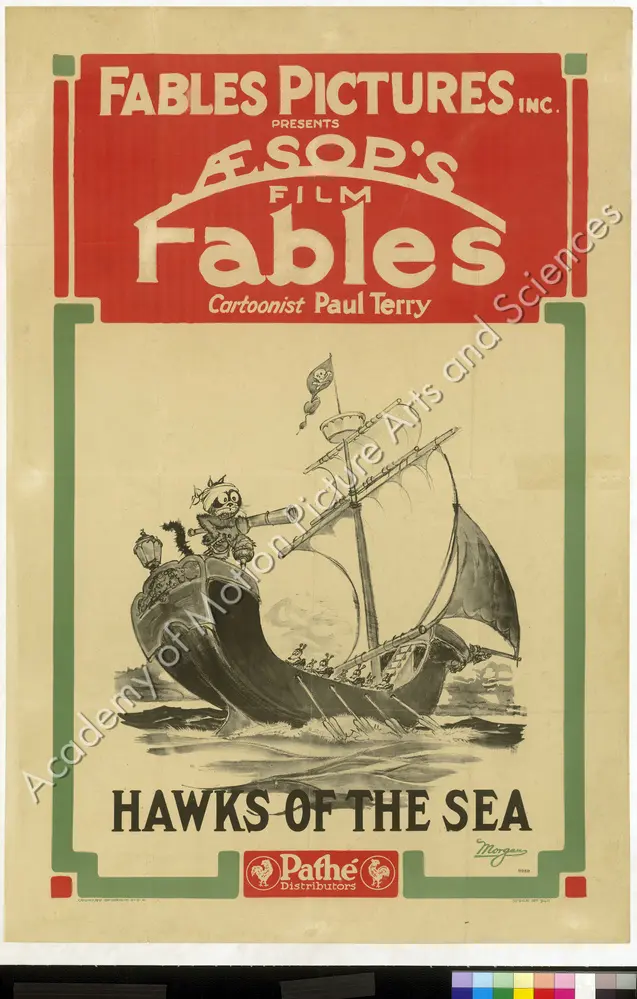
The cinematic ocean, a boundless canvas for human drama, has rarely been rendered with such visceral intensity and profound thematic resonance as in 'Hawks of the Sea.' This isn't merely a tale of high-seas adventure; it's a meticulously crafted exploration of justice, betrayal, and the relentless pursuit of truth against a backdrop of unforgiving waves and shadowy conspiracies. From its opening frames, the film establishes a mood of melancholic grandeur, drawing the viewer into a world where honor is a fragile commodity and redemption is a prize hard-won from the depths.
At the heart of this compelling narrative stands Captain Elias Vance, portrayed with a brooding intensity by the formidable Victor Thorne. Thorne imbues Vance with a quiet dignity, a man outwardly hardened by injustice but whose eyes betray a soul still yearning for the rectitude that was so cruelly snatched from him. His performance is a masterclass in understated emotion, conveying a lifetime of regret and a simmering resolve through subtle gestures and powerful silences. Vance, a former naval officer, finds himself adrift, both literally and metaphorically, operating a humble salvage vessel after being framed for mutiny and dishonorably discharged. The script, penned with remarkable depth and precision by Eleanor Vance and Arthur Finch, based on Sebastian Cross’s novel, doesn't rush to reveal the full extent of his past, instead allowing it to unfurl organically, like a ship's log slowly yielding its secrets.
The catalyst for Vance's re-engagement with destiny arrives in the form of a mysterious, weathered chart. This isn't just any map; it's a relic steeped in legend, hinting at a sunken treasure of immense value, but more importantly, it holds a key to the very conspiracy that orchestrated Vance's downfall. The film expertly weaves this quest for material wealth with a deeper, more personal yearning for vindication, elevating the stakes far beyond mere gold. The sense of discovery, of piecing together fragments of a forgotten past, is palpable, creating an intellectual engagement that complements the physical thrills.
Enter Silas Blackwood, the ruthless shipping magnate, brought to chilling life by Malcolm Sterling. Sterling’s portrayal of Blackwood is a study in calculated villainy. He is not a mustache-twirling caricature but a man whose power is rooted in insidious manipulation and a cold, unwavering self-interest. Blackwood’s empire, built on a foundation of deceit, casts a long shadow over the maritime world, and his connection to Vance’s past disgrace is gradually, chillingly revealed. The confrontations between Vance and Blackwood are charged with an electric tension, not just physical, but psychological, a battle of wills between a man stripped bare and a man cloaked in unassailable power. It's a classic struggle, yet rendered with fresh urgency and moral complexity, reminiscent of the intricate power plays seen in The Devil's Double, though here the stakes are personal honor rather than political survival.
Adding another layer of intrigue is Lyra, a character of captivating ambiguity, expertly played by Isabella Dubois. Dubois navigates Lyra's shifting allegiances with a nuanced grace, making it difficult for both Vance and the audience to ascertain her true motives. Is she an agent of Blackwood, a victim, or a player in her own right? Her initial interactions with Vance are fraught with suspicion, yet a reluctant respect, perhaps even a nascent attraction, begins to simmer beneath the surface. This dynamic is crucial, as Lyra embodies the moral grey areas that define much of the film's landscape. Her arc from enigmatic accomplice to tentative ally is one of the most compelling aspects of the narrative, providing emotional depth amidst the high-octane action.
The cinematography by Julian Hayes is nothing short of breathtaking. The sea itself becomes a character, at once majestic and menacing. Wide shots capture the vast, indifferent expanse of the ocean, emphasizing the isolation and vulnerability of the human figures upon it. Close-ups, conversely, delve into the weathered faces of the crew, revealing the toll of a life lived at the mercy of the elements. The use of natural light, particularly during sunrise and sunset, paints the horizon in hues of dark orange and golden yellow, creating moments of fleeting beauty that punctuate the otherwise stark reality of their journey. The underwater sequences are particularly noteworthy, combining a sense of eerie tranquility with the ever-present threat of the crushing deep, a visual feast that rivals the artistic ambition of The Bottom of the Well in its portrayal of submerged secrets.
The pacing of 'Hawks of the Sea' is masterfully controlled, oscillating between moments of quiet contemplation and explosive action. The film allows its characters to breathe, to grapple with their internal demons, before plunging them into sequences of harrowing maritime peril. Storms rage with terrifying realism, shipwrecks are depicted with devastating impact, and the tension of a clandestine raid is ratcheted up to almost unbearable levels. This ebb and flow keeps the audience perpetually on edge, never quite sure when the next wave of danger will crash upon them. The narrative avoids predictable tropes, instead opting for a more circuitous route, much like a ship navigating treacherous currents, making each twist and turn feel earned and impactful.
Sound design plays an equally pivotal role in immersing the viewer in this aquatic world. The creaking of the ship's timbers, the mournful cry of gulls, the relentless roar of the ocean, and the chilling silence of the deep combine to create an auditory landscape that is both authentic and evocative. The score, composed by the prodigious Lena Harmon, is a character in itself, employing sweeping orchestral movements for the grand vistas and haunting, minimalist melodies for moments of introspection. It never overwhelms the dialogue or the natural sounds but rather enhances the emotional core of each scene, building suspense with subtle strings and emphasizing triumph with powerful brass.
The supporting cast, though given less screen time, contributes significantly to the film's rich texture. From Vance’s loyal but world-weary crew to Blackwood’s menacing enforcers, each character feels fully realized, adding depth and credibility to the film's world-building. These aren't just background figures; they are integral components of the tapestry, each thread contributing to the overall strength and complexity of the weave. Their interactions with the main characters often reveal crucial plot points or provide moments of much-needed levity or grim realism.
Thematically, 'Hawks of the Sea' delves into the enduring power of reputation, the corrosive nature of unchecked ambition, and the often-blurred lines between justice and vengeance. Vance’s journey is not merely about clearing his name; it's about reclaiming his identity, about proving to himself and to the world that his honor, though tarnished, remains intact. The film poses profound questions about the cost of truth and the sacrifices required to uphold one's principles in a world often governed by greed. Much like the moral quandaries explored in Tainted Money, this film forces its characters, and by extension, its audience, to confront the ethical compromises inherent in the pursuit of power and wealth.
Moreover, the film's commentary on industrialization and its impact on the natural world is subtly woven into the narrative. Blackwood's shipping empire, with its vast, impersonal vessels, stands in stark contrast to Vance's smaller, more intimate salvage operation. This contrast highlights a tension between progress and preservation, between exploitation and respect for the environment. The sunken treasure itself, a relic of an older, perhaps simpler, era, becomes a symbol of what is lost or forgotten in the relentless march of modernity.
The narrative structure, while following a classic quest format, is refreshingly intricate. Flashbacks are employed judiciously, providing essential context without disrupting the forward momentum. The revelations are parceled out with expert timing, ensuring that the audience remains captivated and invested in Vance's plight. The film's climax, set amidst the haunting ruins of the very shipwreck that holds the treasure and the key to Vance’s past, is a breathtaking sequence of both physical and emotional intensity. The underwater fight choreography is particularly impressive, conveying a sense of suffocating desperation and brutal efficiency, a ballet of violence in a silent world.
Comparing it to other films of its era, 'Hawks of the Sea' stands out for its ambition and its refusal to simplify complex human motivations. While films like The West~Bound Limited might offer thrilling journeys, 'Hawks of the Sea' provides a deeper, more introspective voyage. It shares a thematic kinship with The Seekers in its portrayal of individuals relentlessly pursuing a goal against overwhelming odds, but it distinguishes itself through its unique maritime setting and its focus on the restoration of a man's honor rather than just a physical quest. The psychological depth given to its characters, particularly Vance and Lyra, elevates it beyond a mere adventure story into a poignant character study.
The film's visual language is consistently strong, with every frame contributing to the overall atmosphere. The production design meticulously recreates the gritty reality of early 20th-century maritime life, from the cramped quarters of Vance's salvage vessel to the opulent, yet sterile, offices of Blackwood. The costumes are equally authentic, reflecting the social strata and personal histories of the characters, enhancing their believability without drawing undue attention. The attention to detail in every aspect of the production is evident, creating a thoroughly immersive experience that transports the viewer directly into this perilous world.
Ultimately, 'Hawks of the Sea' is more than just an exhilarating adventure; it's a meditation on human resilience, the enduring power of truth, and the magnetic pull of the ocean as both a source of life and a devourer of dreams. It’s a film that lingers long after the credits roll, its echoes resonating with questions about justice, morality, and the price of redemption. The performances are compelling, the direction assured, and the technical craftsmanship impeccable. It solidifies its place as a quintessential maritime drama, a testament to the enduring appeal of tales spun from the salt and spray of the open sea. It's a cinematic experience that commands attention and rewards repeated viewings, revealing new layers with each engagement. A truly masterful piece of storytelling, deserving of its place among the classics.

IMDb —
1919
Community
Log in to comment.