DbcultAccessing Vault...
5.4/10
Senior Film Conservator
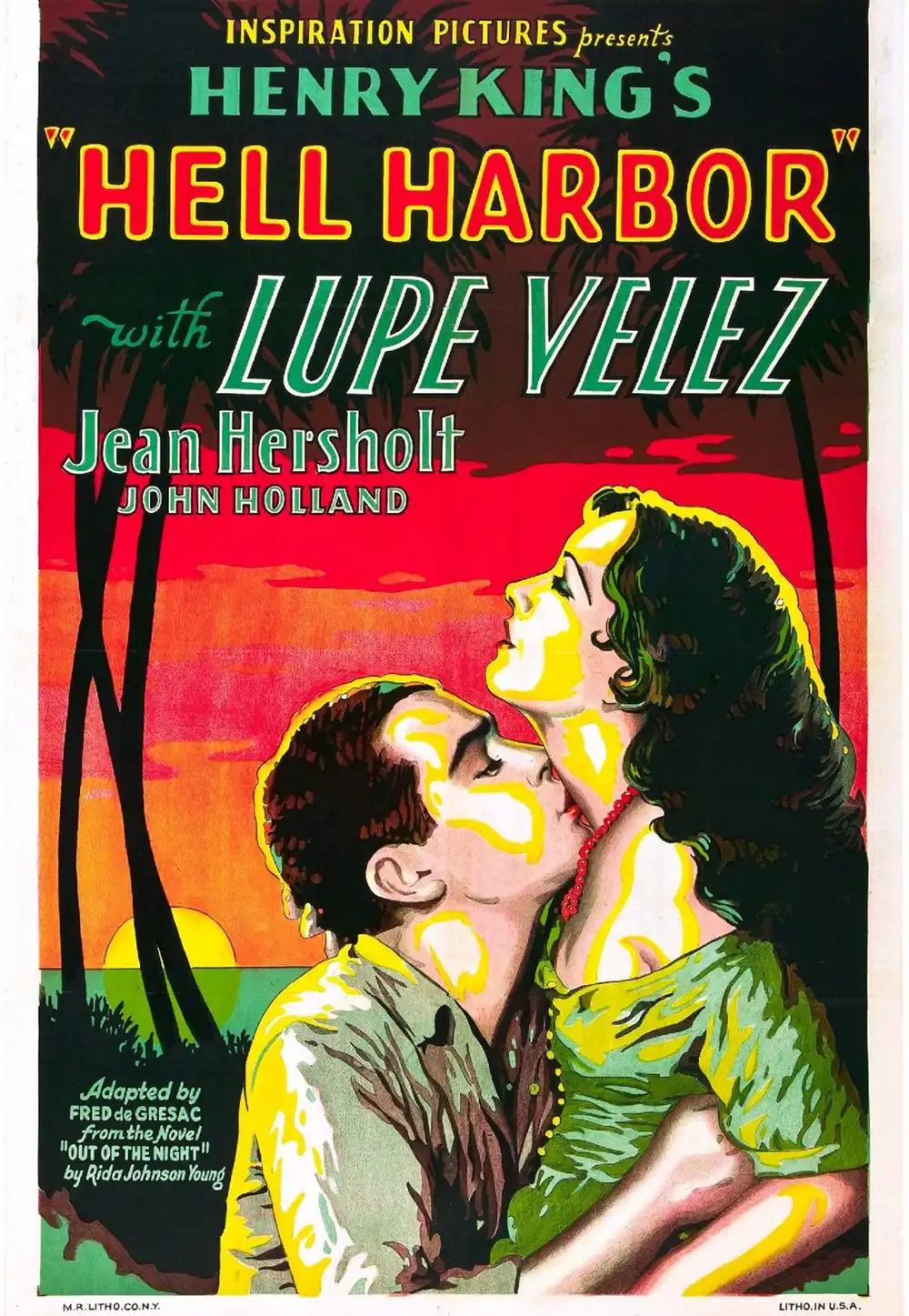
A definitive 5.4/10 rating for a film that redefined the boundaries of cult cinema. Hell Harbor remains a cornerstone of transgressive art.
So, *Hell Harbor*. This one is definitely for a certain kind of movie watcher today. If you dig deep into early sound films, the ones that feel a little raw and figuring things out, then yeah, give it a shot. Everyone else? You might find it a hard go. It’s a melodrama through and through, with all the big feelings and a few clunky moments you'd expect from the era.
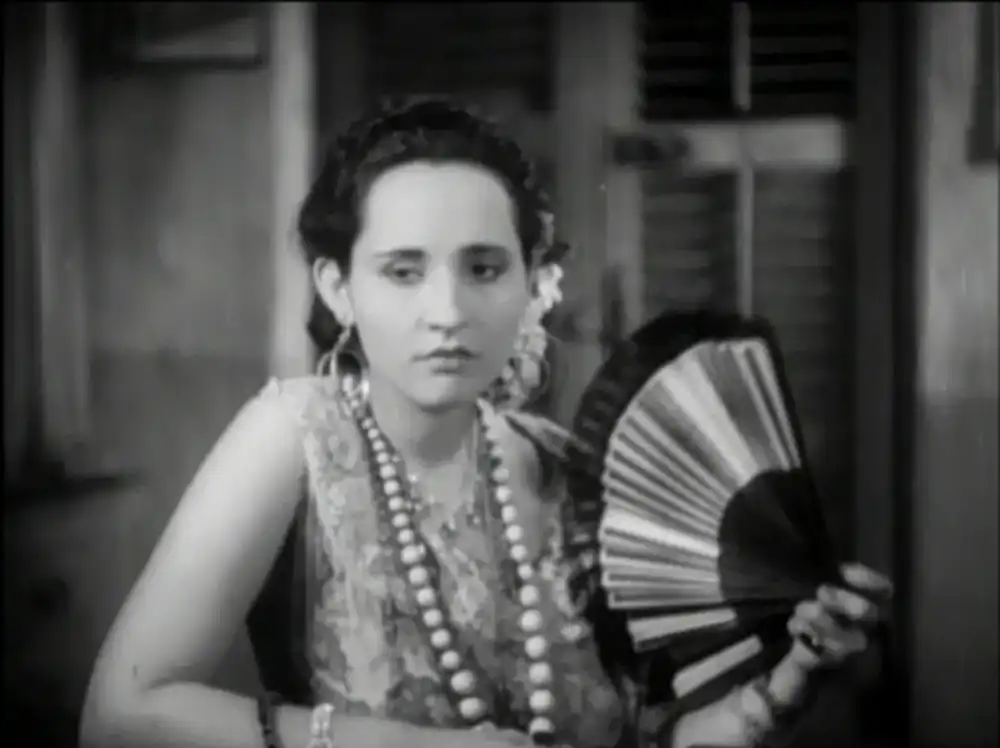
The whole setup just screams classic pulp. We’re on a remote island, feels like the air is thick with boredom and desperation. Our lead, Anita (Rova Maris), she’s just itching to get away, dreaming of Havana. You can almost feel her restlessness.
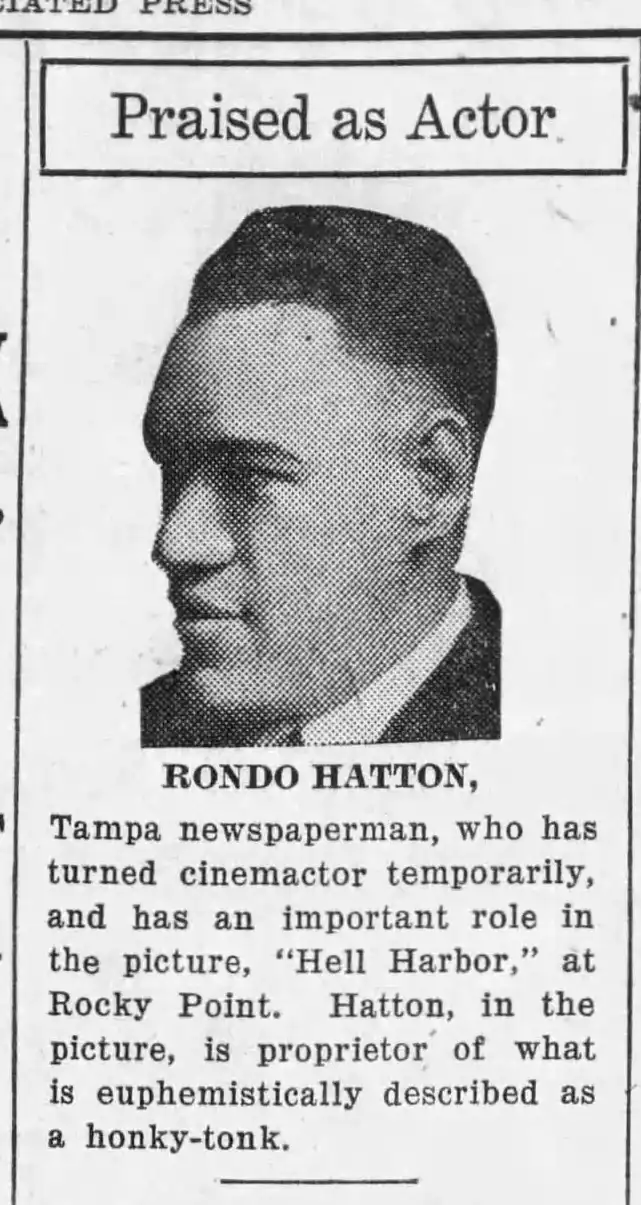
Then there’s her dad, played by Gibson Gowland. He’s a real piece of work, a truly brutal presence. He pretty much runs the island, and not in a good way. The power he holds over Anita, it’s just palpable and kinda chilling.
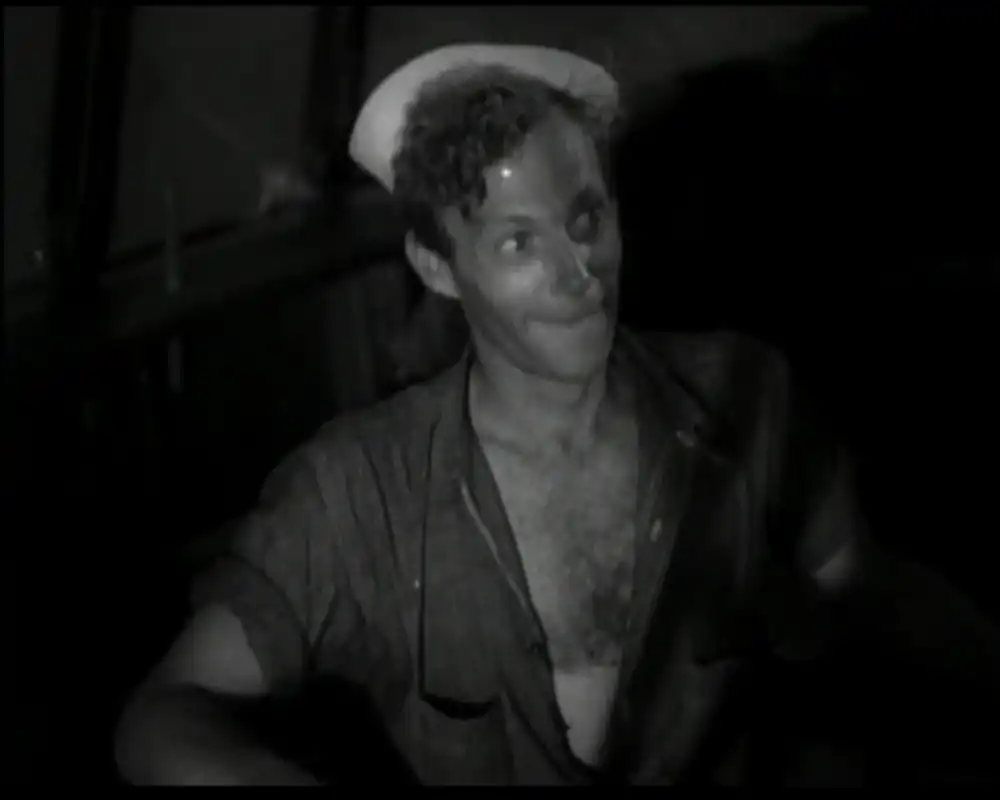
His decision to marry her off to this local merchant is the real kick-off. That merchant, played by Jean Hersholt, is just *slimy*. You can practically see the grease on his character. His smile, it’s not quite right, you know? There's this one scene where he's bargaining with the father, and the way he keeps glancing at Anita, it's just so unsettling. You *really* want her to get away from him.
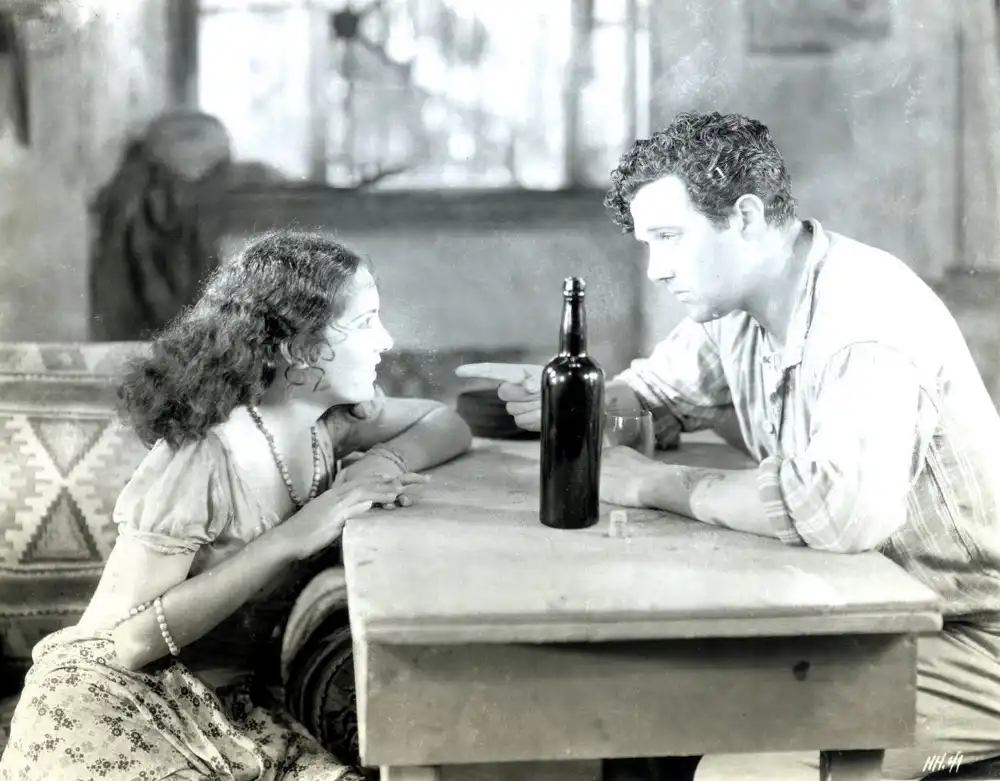
Rova Maris as Anita is quite something. She doesn't have a lot of lines sometimes, but her face, it tells you everything. There's this one close-up, early on, after her father hits her. Her eyes just have this _hollow_ look. It's not overacted, which is surprising for a film this old.
The pacing, it's a slow burn, then a sudden rush. Like a boat caught in the tide. Some scenes, they just *linger*, maybe a bit too long for modern tastes. There's a sequence where Anita is trying to sneak away, and the camera just follows her shadow across a wall for what feels like ages. It makes you feel her fear, though. That’s clever.
And the journey to Havana, or at least the idea of it, really propels the story. It’s her ultimate goal, her shining city. The movie spends a lot of time showing the grit of her island home, making Havana feel like this impossible, glittering dream. 🤩
There are some truly weird bits too. Like, the constant presence of Sextetto Habanero playing music in the background. Sometimes it fits, other times it's just *there*. Like someone forgot to turn it off during a dramatic moment.
The film isn't perfect, not by a long shot. Some of the dialogue feels super forced, especially in the arguments. And there's a moment near the end with a small boat chase that, well, it's ambitious for its time but looks a little silly now. You can see the stagehands rocking the background. 😅
But the core of it, Anita's fight for freedom, that really resonates. It’s raw. It’s a tough watch in parts, but it’s a peek into how early talkies tried to tell these big, emotional stories. It’s got a certain charm, if you’re patient enough.
It's not a movie you’d recommend for a casual Friday night, but if you’re into cinematic history, or just appreciate a good old-fashioned struggle against oppression, *Hell Harbor* has some surprising emotional punches. It's a window, really, to a specific time in filmmaking. Not a grand masterpiece, but definitely not forgettable either.
IMDb —
1925
Community
Log in to comment.