DbcultAccessing Vault...
Cult Review
Senior Film Conservator
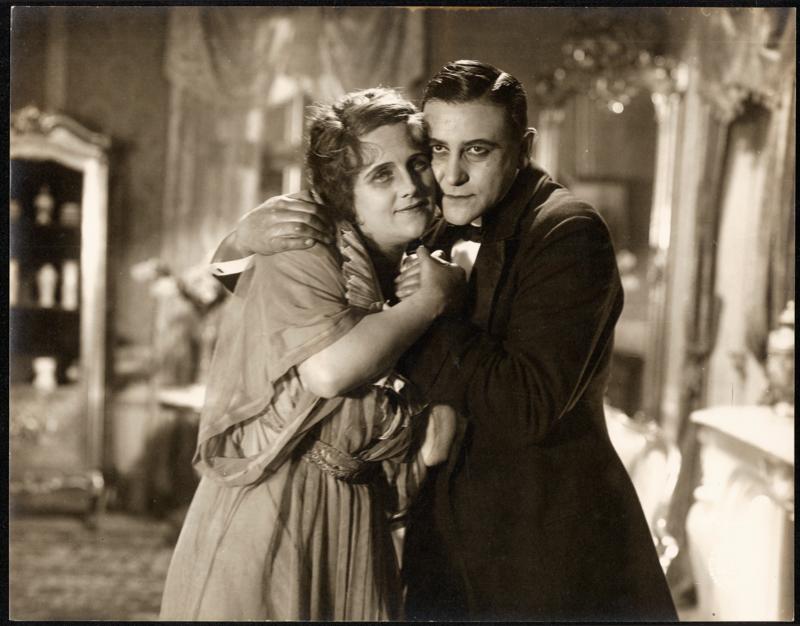
In the pantheon of early European cinema, the Danish output from Nordisk Film stands as a monolith of psychological sophistication. Hendes fortid (1916) is not merely a relic of this era; it is a vibrant, pulsating example of how silent film could articulate the unspeakable. While many 1910s dramas relied on histrionics, this production, penned by the prolific Harriet Bloch, utilizes a restraint that feels startlingly modern. The film navigates the treacherous waters of 'the fallen woman' trope, yet it manages to subvert the expected didacticism by focusing on the internal erosion caused by secrecy.
To understand the impact of Hendes fortid, one must acknowledge the pen behind the lens. Harriet Bloch was a rarity in the industry—a female screenwriter whose scripts were the backbone of the Danish golden age. In this film, she constructs a narrative architecture that mirrors the suffocating social structures of the time. Unlike the more adventurous spirit found in Artie, the Millionaire Kid, which leans into the whimsy of youthful wealth, Bloch’s work here is grounded in the gravity of consequence. She understands that for a woman in 1916, the past was not a memory but a legal and social liability.
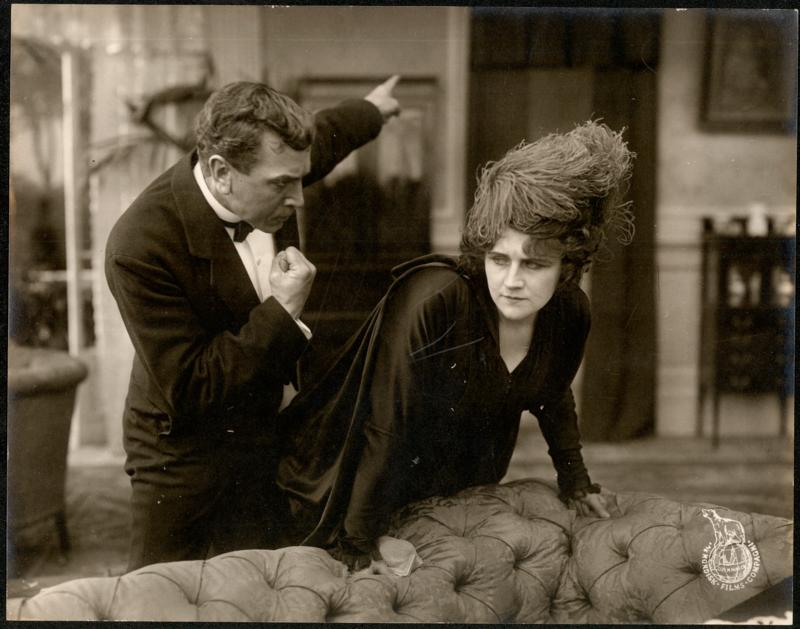
The pacing of the film is deliberate, allowing the audience to inhabit the growing anxiety of the protagonist. We see a mirror of the thematic concerns found in Ungdomssynd, where the 'sins of youth' act as a catalyst for narrative destruction. However, Bloch elevates the material by infusing the dialogue intertitles with a sharp, almost cynical edge that questions the morality of the men who cast the first stones. The script doesn't just ask us to pity the woman; it asks us to indict the system.
The ensemble cast, led by the luminous Else Frölich, delivers performances that transcend the era's penchant for exaggerated gestures. Frölich possesses a face made for the silent close-up—a landscape of micro-expressions that convey more than any title card ever could. Her portrayal of a woman whose domestic bliss is a facade for terror is haunting. Beside her, Peter Nielsen and Johannes Ring provide a sturdy, if somewhat rigid, counterpoint, representing the various facets of the male ego that the protagonist must navigate.
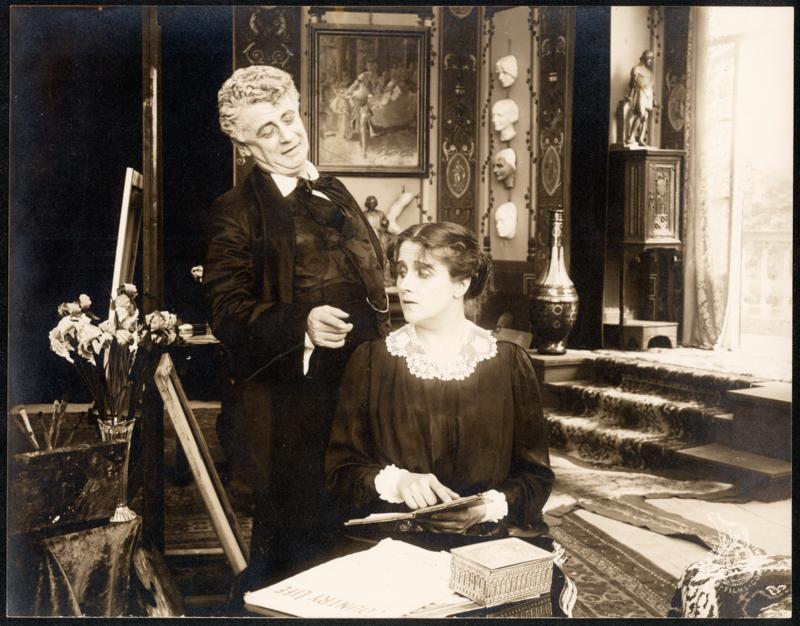
Special mention must be made of Mathilde Felumb Friis and Knud Rassow. Their presence adds layers to the social milieu, creating a sense of a lived-in world rather than a mere stage set. In comparison to the more theatrical approach seen in Florence Nightingale, the acting in Hendes fortid feels intimate, almost voyeuristic. We are not watching a legend; we are watching a collapse.
The cinematography of Hendes fortid utilizes the deep focus and intricate set designs that were the hallmark of Nordisk Film. The interiors are cluttered with the heavy furniture of the Edwardian era, physically manifesting the weight of the social expectations placed upon the characters. Shadows are used strategically; they don't just provide mood, they act as extensions of the protagonist's hidden life. This visual depth is far more evocative than the straightforward presentation in films like On the Fighting Line or the rugged landscapes of Hidden Valley.
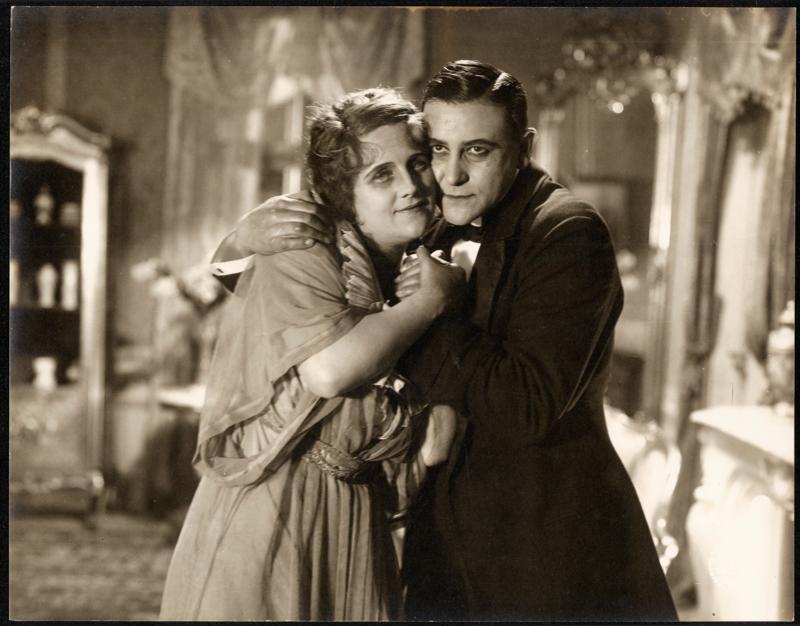
There is a specific scene where the protagonist gazes out of a window, her reflection overlapping with the garden outside. It is a masterful visual metaphor for her entrapment—she is a part of this beautiful world, yet separated from it by a thin, transparent, yet unbreakable barrier. Such moments of visual poetry are what elevate the film from a standard melodrama to a work of high art.
When placed alongside other 1916 releases, Hendes fortid reveals the divergent paths cinema was taking. While Salambo, a $100,000 Spectacle was chasing the grandeur of historical epic, and The Last Egyptian was exploring exoticism, the Danes were perfecting the 'chamber drama.' This film shares a certain DNA with Memoria dell'altro in its obsession with the past, but it lacks the operatic excess of the Italian school, opting instead for a cold, clinical observation of human frailty.
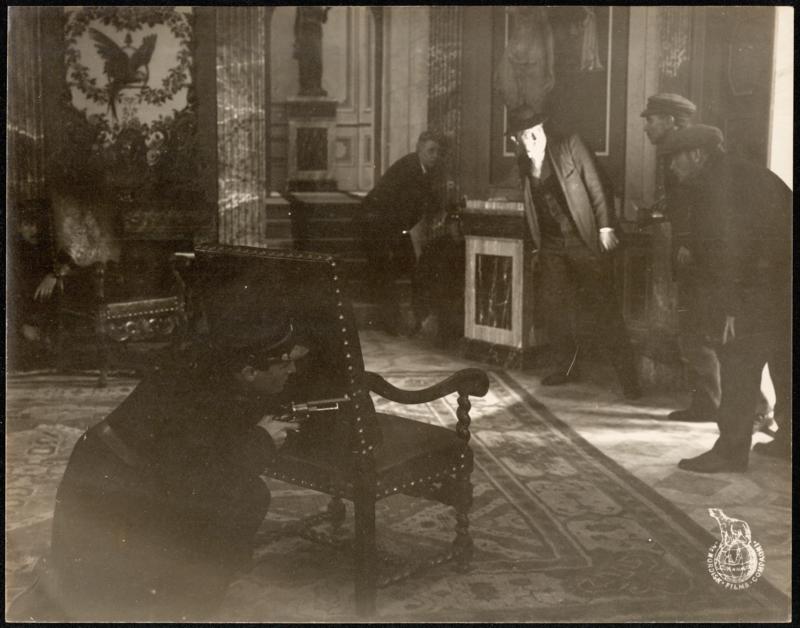
It also offers an interesting contrast to Pretty Mrs. Smith. Where the latter treats the complications of multiple marriages with a comedic touch, Hendes fortid treats the same thematic ground as a potential death sentence. The stakes are existential. In the world of Harriet Bloch, love doesn't just 'lead' as it might in Where Love Leads; it often misleads, traps, and eventually abandons.
The central conflict of the film—the blackmail—is handled with a surprising lack of sensationalism. The antagonist doesn't twirl a mustache; he simply exists as an inevitable consequence of a rigid moral code. This makes the threat feel more pervasive and terrifying. It reminds one of the high-stakes political maneuvering in Diplomacy, but transferred to the domestic sphere. The kitchen and the parlor become battlegrounds as intense as any front line.
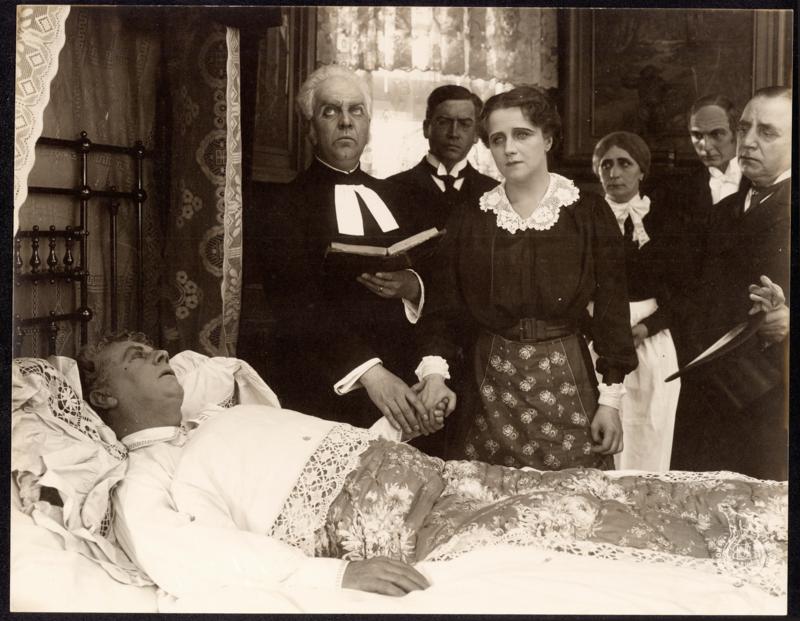
As the plot tightens, the film adopts a rhythm similar to a ticking clock. Every social gathering, every letter delivered, every unexpected knock at the door carries the weight of a possible revelation. This is where the film excels—in the maintenance of a low-grade, constant dread that mirrors the protagonist's internal state. Even more action-oriented films of the time, such as Captain Starlight, struggle to maintain this level of consistent atmospheric pressure.
Looking back from a century later, Hendes fortid remains a vital piece of cinema because it refuses to offer easy absolution. It recognizes that society is often more interested in the punishment than the person. The film doesn't have the mystical escapism of Der Yoghi or the jewel-thief intrigue of L'écrin du rajah. It is, instead, a sober reflection on the human condition.
In the final act, the film reaches a crescendo of emotional honesty that is rare for its time. It doesn't rely on a deus ex machina or a sudden change of heart. The resolution is earned through the characters' own choices, however painful they may be. It is a 'C.O.D.'—a C.O.D. of the soul, where the price of the past must be paid in full before the future can begin.
Ultimately, Hendes fortid is a testament to the power of the Danish silent era. It combines high production values with a deep, abiding interest in the complexities of the human heart. For any serious student of film history, or for those who simply appreciate a story told with immense skill and empathy, this film is an essential watch. It proves that while styles and technologies change, the struggle to reconcile who we were with who we are is a universal and timeless drama.
IMDb —
1917
Community
Log in to comment.