DbcultAccessing Vault...
Cult Review
Senior Film Conservator
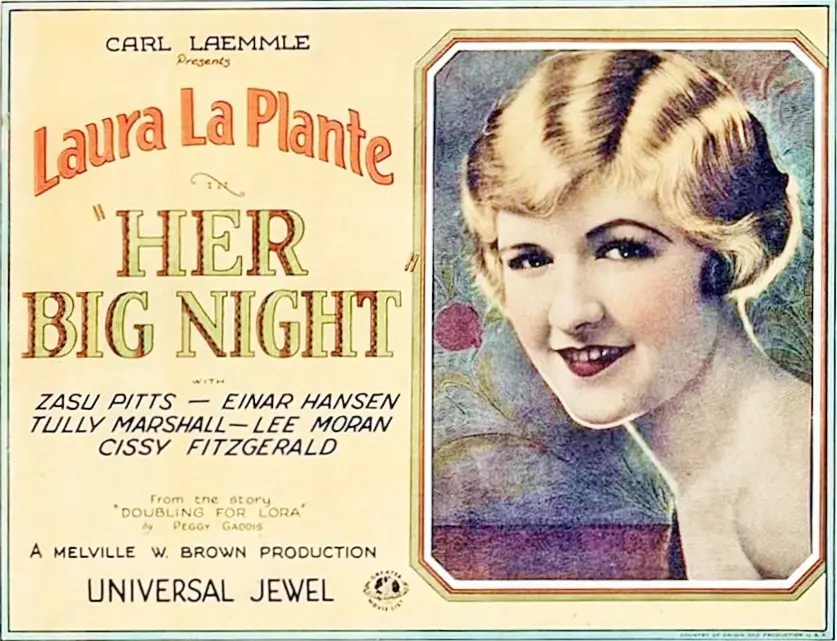
Is Her Big Night worth your attention in an era of high-definition blockbusters? Short answer: Yes, but primarily for those who appreciate the frantic, physical energy of a well-oiled Jazz Age farce. This film is a showcase for the often-underrated comedic timing of Laura La Plante. It is for anyone who loves the 'ordinary person in extraordinary circumstances' trope. It is not for viewers who demand rigorous logic or character motivations that extend beyond the needs of a punchline.
The film operates on a frequency of pure anxiety, which was a hallmark of the mid-1920s comedy scene. It shares a spiritual DNA with other identity-focused films of the era like The Show-Off. However, it leans harder into the absurdity of the Hollywood machine. The premise is simple: a press agent needs a body double to hide a star's scandal. The execution, however, is a dizzying array of misunderstandings and near-misses.
1) This film works because Laura La Plante manages to imbue her dual roles with distinct physicalities that prevent the audience from ever losing track of the ruse.
2) This film fails because the supporting male characters are written with such a high degree of reactionary hysteria that they occasionally become grating rather than funny.
3) You should watch it if you want to see the blueprint for the 'fake identity' subgenre that would later dominate 1930s screwball comedies.
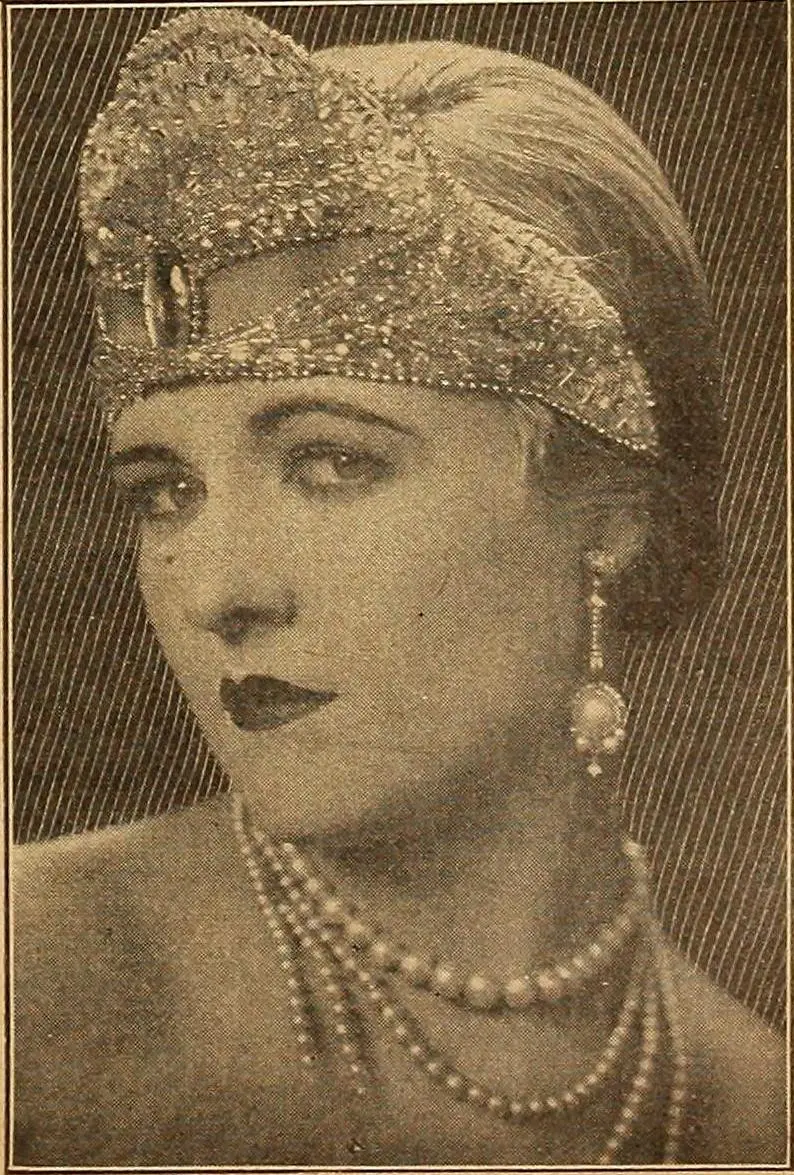
The plot is a mess. But it’s a deliberate, calculated mess. Director Melville W. Brown understands that in a farce, the geography of the room is as important as the dialogue. Most of the film’s tension is derived from the apartment setting, where doors become characters and timing is everything. It lacks the emotional depth of something like Camille, but it makes up for it in sheer kinetic movement.
La Plante is the engine that drives this production. Playing both Frances Norcross and Daphne Dix, she avoids the trap of making them caricatures. Frances is grounded, nervous, and relatable. Daphne, though seen less, is the quintessential 1920s diva. When Frances is forced to impersonate Daphne, La Plante adds a third layer: a woman pretending to be a diva and failing upward. It is a nuanced performance hidden inside a broad comedy.
Consider the scene where Frances first enters Daphne’s apartment. She is overwhelmed by the luxury, yet she has to pretend she owns the place. The way she touches the furniture—half in awe, half in performative boredom—is a masterclass in silent acting. It reminds me of the subtle character work seen in Molly Make-Believe, where the internal life of the character dictates the external comedy.
Her chemistry with the various men in the film is equally impressive. Whether she is dodging the reporter J.Q. Adams or trying to soothe her fiancé Johnny, she remains the smartest person in the room. This is a common theme in Universal's 'Jewel' productions of the time. The women are often the ones cleaning up the messes made by the men's egos or greed.
One of the most surprising observations about Her Big Night is its cynical view of the film industry. Tom Barrett, the press agent, is essentially a professional liar. He views Frances not as a person, but as a prop to save a producer's investment. This cynicism adds a layer of grit to what could have been a fluffy story. It’s a precursor to the more biting satires we would see in later decades.
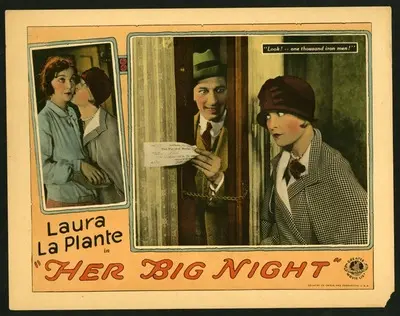
The producer, Myers, played by Tully Marshall, is a man on the edge of a nervous breakdown. His fear of the 'millionaire on a yacht' scandal reflects the real-world anxieties of 1920s studios trying to maintain a 'clean' image for their stars. This film doesn't just want you to laugh; it wants you to see the strings being pulled behind the curtain. It’s far more observant than a standard slapstick romp like Monty Works the Wires.
The inclusion of the reporter, J.Q. Adams, played by the formidable Mack Swain, brings a sense of danger. Swain, known for his work with Chaplin, uses his massive frame to intimidate Frances. The 'cub reporter' sent to impersonate Daphne's husband is a highlight of the film. The awkwardness of two people pretending to be a married couple they’ve never met is comedic gold. It’s a sequence that relies on specific, uncomfortable pauses that feel modern even today.
Yes, the film holds up because it relies on universal human anxieties rather than dated cultural references. The fear of being caught in a lie is timeless. The visual gags are choreographed with a precision that transcends the silent era. If you can move past the exaggerated facial expressions of the supporting cast, the core of the film remains genuinely funny.
The pacing is another strong suit. While many silent films suffer from a 'sagging middle,' Her Big Night accelerates. Once the action moves to the apartment, the film becomes a pressure cooker. The arrival of the real Daphne and the subsequent switch-back is handled with a clarity that many modern directors struggle to achieve in complex ensemble scenes. It’s not as atmospheric as The Lone Wolf, but its focus on rhythm is superior.
Melville W. Brown’s direction is functional but effective. He doesn't go for the avant-garde flourishes you might find in European cinema of the time, like Der lebende Leichnam. Instead, he focuses on the actors. The cinematography is bright and crisp, essential for a film where seeing the subtle differences in a dual role is the main hook.
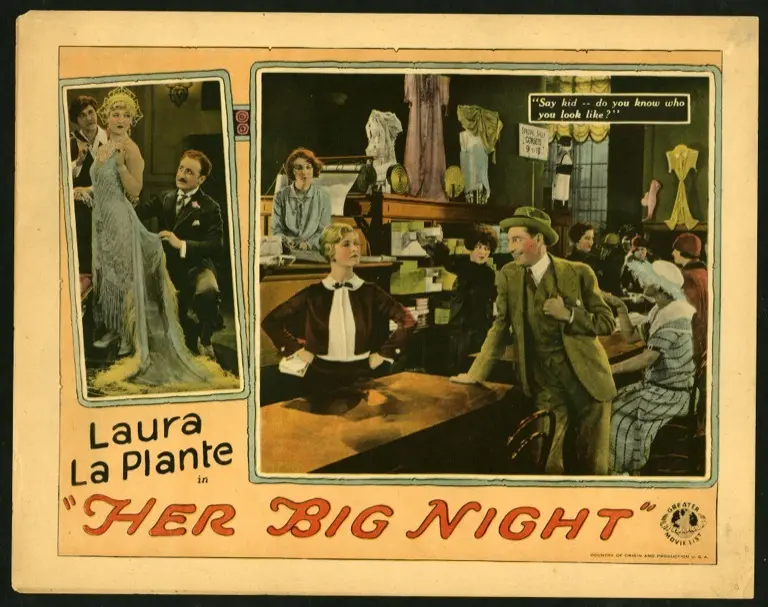
The editing is particularly sharp. Farce requires a specific beat—action, reaction, consequence. Brown hits these beats with metronomic regularity. A specific example is the sequence where the fiancé, Johnny, arrives at the apartment. The way the camera cuts between Frances’s panic, Barrett’s frantic coaching, and Johnny’s growing suspicion creates a palpable sense of dread that is simultaneously hilarious.
The film also makes great use of its sets. The apartment feels like a labyrinth. Every closet is a potential hiding spot, and every hallway is a path to a new disaster. This use of space is reminiscent of the stage-bound farces of the era, yet Brown uses camera angles to make it feel cinematic rather than theatrical. It’s a step up from the more static presentation found in The Pinch Hitter.
The film’s energy is infectious. It never lingers too long on a single joke, moving quickly to the next complication. The supporting cast, particularly Zasu Pitts and Mack Swain, provide excellent texture to the world. The social commentary on the falseness of celebrity culture remains surprisingly relevant in the age of social media influencers.
Some of the plot contrivances are a bit too convenient. The way the real Daphne arrives just in time to resolve the conflict feels like a bit of a cop-out. Additionally, the character of Johnny Young is so consistently angry that he becomes a bit of a one-note antagonist rather than a sympathetic romantic interest.
If you are looking for a deep, philosophical exploration of the human condition, look elsewhere. If you want a masterclass in comedic timing and a fascinating look at the early Hollywood studio system, Her Big Night is essential viewing. It’s a film that proves you don't need sound to create a loud, boisterous, and entertaining experience.
It stands tall among its contemporaries. While it might not have the historical weight of Charity or the dramatic tension of The Forbidden Lover, it succeeds entirely in its goal: to entertain. It’s a light, breezy, and technically proficient comedy that showcases one of the silent era's most charming stars at the height of her powers.
Her Big Night is a delightful relic that feels surprisingly fresh. It works. But it’s flawed. The flaws, however, are easily forgiven in the face of Laura La Plante’s magnetic performance. It’s a film that understands the absurdity of its own premise and leans into it with both feet. For anyone interested in the evolution of the American comedy, this is a vital piece of the puzzle. It manages to be both a product of its time and a timeless example of how to make people laugh through pure, unadulterated chaos.

IMDb 7.4
1930
Community
Log in to comment.