DbcultAccessing Vault...
Cult Review
Senior Film Conservator
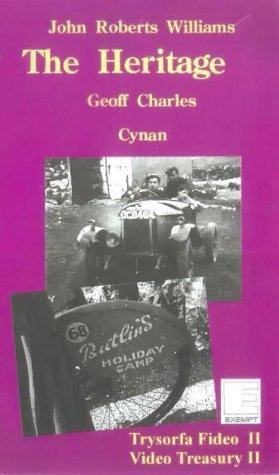
There are films that merely tell a story, and then there are those that weave an intricate tapestry, rich with historical threads, emotional resonance, and a profound sense of human struggle. The Heritage belongs firmly in the latter category, a cinematic experience that transcends simple entertainment to become a contemplative journey into the very essence of identity and what truly constitutes a legacy. From its opening frames, which evoke a palpable sense of ancestral weight, the film establishes itself not just as a period drama, but as a timeless exploration of greed, truth, and the enduring power of bloodlines. It’s a narrative that eschews the predictable, instead opting for a methodical unraveling of secrets that keeps the viewer utterly captivated, much like the slow, deliberate turning of pages in an ancient, leather-bound tome.
The narrative pivot upon which The Heritage spins is the unexpected inheritance bestowed upon Evelyn Thorne, a character crafted with a compelling blend of vulnerability and nascent fortitude. Orphaned and accustomed to a life devoid of opulence, Evelyn’s sudden acquisition of Blackwood Manor, a sprawling estate teetering on the precipice of ruin, is a catalyst for monumental change. This isn't merely a transfer of property; it's an initiation into a familial labyrinth. The will's peculiar stipulation – that Evelyn must restore the manor within a year and, more esoterically, uncover the 'true heritage' of the Thorne family – sets the stage for a mystery that is both external and deeply personal. It’s a clever narrative device, transforming a conventional inheritance plot into a quest for self-discovery intertwined with historical excavation.
The tranquility of Evelyn’s newfound, if daunting, proprietorship is swiftly shattered by the arrival of Reginald Thorne, a distant cousin whose oily charm barely conceals a rapacious ambition. Reginald’s immediate challenge to the will, predicated on spurious claims of Evelyn’s illegitimacy, is a testament to the film’s astute characterization of avarice. He is not merely an antagonist; he is a force of nature, driven by a conviction that Blackwood Manor harbors a tangible, hidden treasure, a belief that underscores the materialist interpretation of 'heritage' he embodies. This clash of philosophies—Evelyn’s burgeoning understanding of legacy versus Reginald’s mercenary pursuit—forms the central dramatic tension, driving the plot through a series of escalating confrontations and revelations.
As Evelyn delves deeper, the film introduces crucial supporting figures. Mr. Alistair Finch, the local historian, is a delightful anachronism, a walking compendium of local lore and Thorne family secrets. His gentle guidance and encyclopedic knowledge serve as Evelyn’s compass through the murky waters of her ancestry. Julian Vance, the architect tasked with Blackwood’s restoration, initially presents an enigmatic figure. Is he merely a professional, or does he harbor his own designs related to the manor’s secrets? The gradual unveiling of Julian’s true character, and his eventual loyalty to Evelyn, adds a layer of romantic intrigue and moral complexity, reminding one of the subtle dance of trust and suspicion found in films like The Golden Wall, where alliances are forged in the crucible of shared purpose.
The true brilliance of the plot lies in its revelation that the 'heritage' is not a chest of gold, but rather a profound, long-forgotten family secret concerning a historical injustice and a groundbreaking, yet suppressed, invention. This intellectual heritage, a testament to courage and innovation, becomes the ultimate prize, one that Reginald seeks to appropriate for his own nefarious ends. The climax, a masterful blend of suspense and emotional catharsis, sees Evelyn piece together the final clues, expose Reginald’s treachery, and ultimately reclaim not just her estate, but the very honor of her family. It's a powerful statement on the enduring value of integrity over material gain, a theme that resonates deeply and leaves a lasting impression.
The ensemble cast of The Heritage delivers performances of remarkable depth and conviction, elevating the intricate screenplay into a living, breathing narrative. Evelyn Thorne, portrayed with exquisite sensitivity, undergoes a transformative journey that is utterly believable. Her initial diffidence gives way to a steely resolve, a nuanced evolution that the actress conveys with subtle gestures and poignant expressions. We witness her growth from a bewildered recipient of fate to an active shaper of her destiny, a metamorphosis that anchors the entire film. It’s a portrayal reminiscent of the quiet strength found in characters navigating complex family legacies in classics like Heir of the Ages.
Reginald Thorne, the film’s primary antagonist, is a marvel of calculated malevolence. The actor avoids the trap of caricature, instead crafting a villain who is disturbingly plausible. His charm is a thin veneer over a core of ruthless ambition, making his every interaction with Evelyn fraught with unspoken tension. The predatory gleam in his eyes, the carefully modulated tone of his voice, all contribute to a portrayal that is both chilling and utterly compelling. He is not merely evil; he is a man consumed by a distorted vision of what power and wealth truly represent.
Mr. Alistair Finch, the kindly historian, provides much-needed warmth and intellectual gravitas. His performance is understated yet profound, conveying a lifetime of scholarship and a deep affection for the past. He is the quiet sage, a repository of knowledge whose wisdom guides Evelyn through her darkest moments. Julian Vance, the architect, is imbued with an appealing blend of competence and mystery. His journey from potential suspect to trusted ally is handled with finesse, allowing the audience to gradually peel back the layers of his character alongside Evelyn. The chemistry between Evelyn and Julian, subtle and organic, blossoms without ever overshadowing the central mystery, providing a welcome human connection amidst the historical drama.
The directorial vision for The Heritage is nothing short of masterful. The director meticulously crafts a world that feels both expansive and intimately claustrophobic, mirroring Evelyn’s journey through the grand yet decaying manor. Every shot is imbued with purpose, contributing to the film’s overarching atmosphere of mystery and historical weight. The pacing is deliberate, allowing the narrative to unfold organically, rather than rushing through its intricate plot points. This measured approach permits the audience to absorb the nuances of the story and the emotional arcs of its characters, a quality often found in films that truly respect their subject matter, such as Das große Los, where every scene is given space to breathe.
The cinematography is a triumph, capturing the decaying grandeur of Blackwood Manor with breathtaking artistry. The interplay of light and shadow, particularly within the manor’s dusty, forgotten rooms, creates a visual metaphor for the secrets hidden within its walls. The camera often lingers on architectural details, ancient portraits, and forgotten artifacts, transforming them into silent narrators of the Thorne family’s storied past. Exterior shots, featuring sweeping landscapes and the manor silhouetted against dramatic skies, provide a sense of scale and isolation, underscoring Evelyn’s daunting task. The use of color, often muted and earthy, punctuated by moments of vibrant discovery, further enhances the film’s visual storytelling. It’s a visual feast that transports the viewer directly into the heart of the narrative, much like the evocative imagery in The Glorious Adventure.
The Heritage delves into a multitude of profound themes, elevating it beyond a simple period drama. At its core is the exploration of what constitutes 'heritage.' Is it merely material wealth, land, and possessions, or is it something far more intangible: a legacy of character, integrity, and shared history? The film unequivocally champions the latter, positing that true heritage is forged not in gold but in the actions and values passed down through generations. This central conflict is brilliantly articulated through the opposing philosophies of Evelyn and Reginald, making the film a compelling moral fable for any era.
Identity is another powerful theme. Evelyn’s journey is as much about discovering who she is as it is about uncovering her family’s past. Her inheritance forces her to confront her own origins, her place in the world, and the responsibilities that come with a storied name. The dilapidated manor itself acts as a metaphor for a forgotten identity, waiting to be restored and reanimated. The film subtly suggests that understanding one’s past is crucial to defining one’s future, a sentiment beautifully explored in tales of self-discovery such as Nanette of the Wilds, where protagonists often find their true selves in unexpected circumstances.
Greed, in its most insidious forms, is vividly portrayed. Reginald’s avarice is not just for money but for status, for the perceived power that comes with controlling a significant legacy. His desperation to manipulate and deceive underscores the corrupting influence of unchecked desire. Conversely, the film celebrates truth and justice, showing how persistence and moral fortitude can ultimately triumph over deception. The quest for the 'forgotten invention' and the exposure of the 'historical injustice' serve as powerful reminders that truth, however buried, eventually finds its way to the surface. This unwavering commitment to moral clarity distinguishes The Heritage from more cynical narratives.
The auditory experience of The Heritage is as meticulously crafted as its visual counterpart. The sound design is understated yet profoundly effective, capturing the creaks and groans of an old house, the rustle of ancient papers, and the distant calls of nature, all contributing to an immersive atmosphere. These ambient sounds are not mere background noise; they are integral to the storytelling, hinting at the manor's age and its hidden secrets. The deliberate use of silence in key moments amplifies tension and allows the audience to fully absorb the emotional weight of a scene, a technique skillfully employed to great effect.
The musical score is a character in itself, an elegant and evocative composition that ebbs and flows with the narrative. It’s rich with melancholic melodies that underscore the manor’s decaying beauty and moments of suspenseful orchestration that heighten the mystery. The main theme, often reprised with subtle variations, becomes synonymous with Evelyn’s journey, evolving from a tentative, questioning motif to a soaring affirmation of discovery and triumph. The score never overpowers the dialogue or the natural sounds but instead acts as an emotional guide, enhancing the dramatic impact without ever feeling manipulative. Its blend of classical influences with a modern sensibility gives the film a timeless quality, much like the enduring compositions in films such as Das Tal des Traumes, where music is intrinsically woven into the narrative fabric.
The rhythm of The Heritage is a slow burn, a deliberate unfolding that allows the audience to savor every revelation. This measured pacing is not a flaw but a strength, fostering a sense of growing anticipation and ensuring that each plot twist lands with maximum impact. The editing is seamless, guiding the viewer through complex timelines and character motivations without ever feeling disjointed. Flashbacks, when employed, are integrated with elegance, providing crucial context without disrupting the narrative flow. The film strikes a delicate balance between exposition and discovery, trusting the audience to piece together clues alongside Evelyn.
The narrative cohesion is remarkable, with every subplot and character interaction contributing meaningfully to the central themes. There are no superfluous scenes or unnecessary diversions; every element serves to deepen the mystery, develop the characters, or advance the plot. This tight narrative construction is a testament to meticulous screenwriting and a clear directorial vision. Unlike some historical dramas that can feel sprawling and unfocused, The Heritage maintains a laser-like focus on its core story, drawing the audience deeper into its world with each passing minute. It's an example of narrative precision that could rival the taut storytelling of The Cost of Hatred, where every scene is essential.
While The Heritage is firmly rooted in a specific historical period, its themes are universally resonant. The struggle between material gain and moral integrity, the search for identity, and the weight of ancestral legacies are human experiences that transcend time and culture. The film’s ability to weave these complex ideas into a compelling and accessible narrative is one of its greatest achievements. It prompts introspection, encouraging viewers to consider their own 'heritage' and the values they hold dear. In an era often dominated by fleeting trends and superficial narratives, this film stands as a beacon of enduring storytelling, offering both intellectual stimulation and profound emotional satisfaction.
Comparing it to other works, one might find echoes of the grand romanticism of The Pearl of the Antilles in its sweeping emotional landscape, or the intricate puzzle-solving of The Reckoning Day in its methodical unraveling of secrets. Yet, The Heritage carves out its own distinct identity, offering a unique blend of historical drama, mystery, and profound character study. It is a film that demands attention and rewards it tenfold, leaving the audience with much to ponder long after the credits roll. It’s a compelling testament to the power of cinema to illuminate the human condition in all its intricate glory, a work that will undoubtedly be celebrated as a classic for generations to come. This is not merely a film to be watched; it is an experience to be savored, a journey into the heart of what it means to inherit not just possessions, but purpose.
IMDb 4.1
1932
Community
Log in to comment.