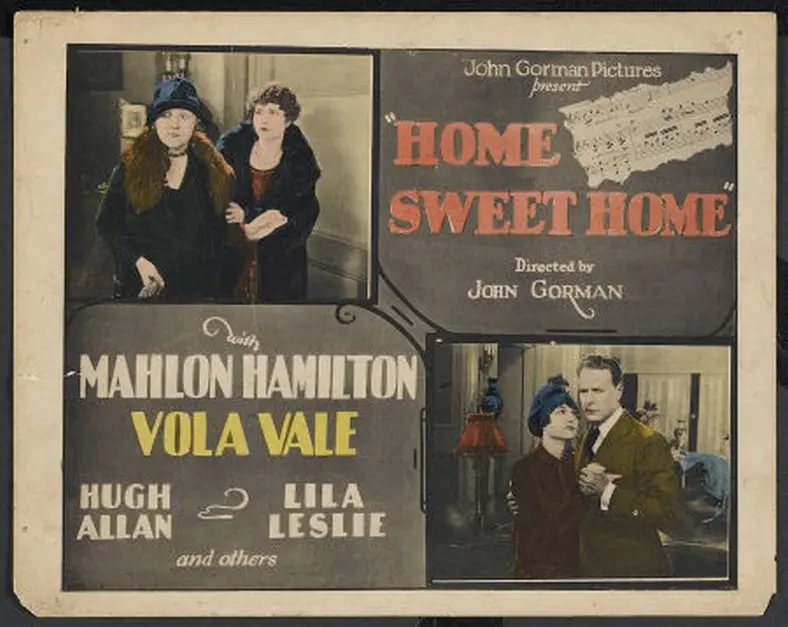
Is John Gorman’s Home Sweet Home (1926) a silent film worth unearthing from the archives today? Short answer: yes, but with a significant caveat. This cinematic relic serves as a fascinating historical document, a window into the narrative sensibilities and acting styles of its era, making it a compelling watch for ded...
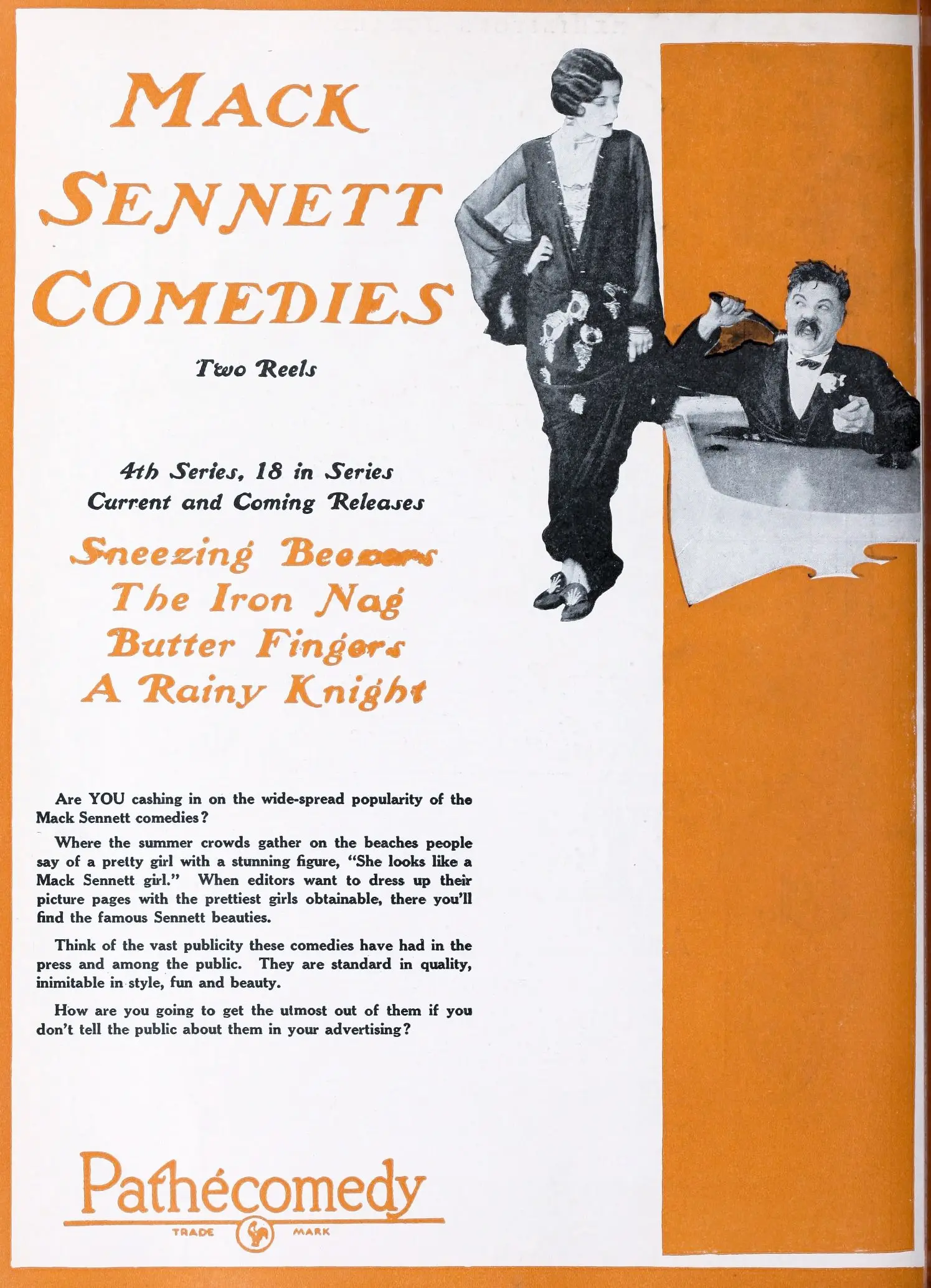
Comparing the cinematic DNA and archive impact of two defining moments in cult history.
John Gorman
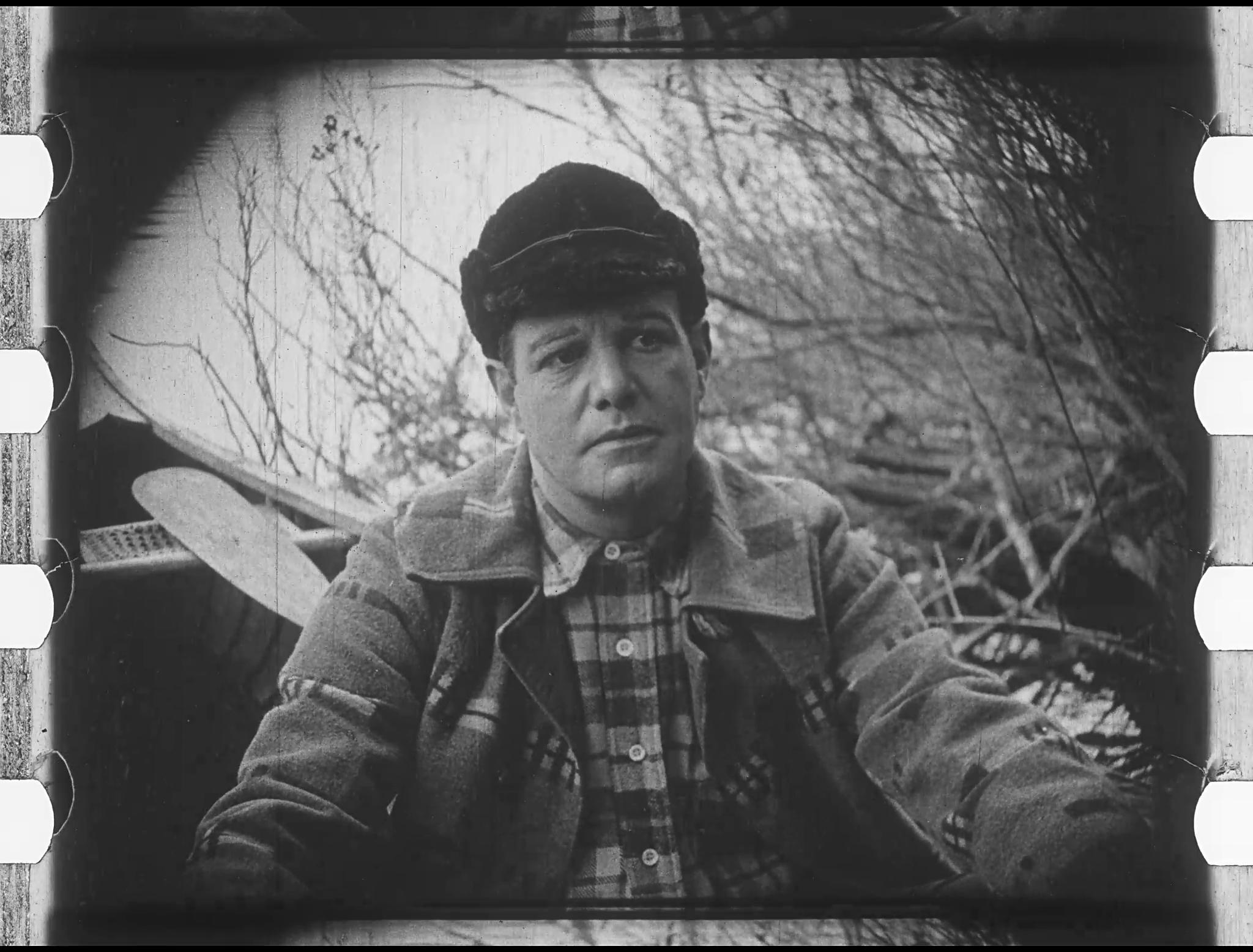
Edgar Jones
Community
Log in to comment.
"Is John Gorman’s Home Sweet Home (1926) a silent film worth unearthing from the archives today? Short answer: yes, but with a significant caveat. This cinematic relic serves as a fascinating historical document, a window into the narrative sensibilities and acting styles of its era, making it a compelling watch for dedicated cinephiles and students of film history. However, for casual viewers accustomed to modern pacing and explicit storytelling, its deliberate rhythm and reliance on visual cues..."
John Gorman
United States