DbcultAccessing Vault...
Cult Review
Senior Film Conservator
Ah, the silent era. A time when cinematic storytelling relied not on booming soundtracks or intricate dialogue, but on the expressive power of the human face, the deliberate gesture, and the evocative intertitle. And within this rich tapestry, a film like 'Hope' emerges as a particularly poignant artifact, a relic that speaks volumes about the human condition without uttering a single word. It's a melodrama, yes, but one imbued with a profound, almost excruciating sense of yearning and the cruel, indifferent march of time. This isn't a tale of grand adventures or thrilling escapades; it is a quiet, devastating examination of a life defined by a promise, and ultimately, by its tragic unfulfillment. It's a film that lingers, its melancholic echoes reverberating long after the final frame.
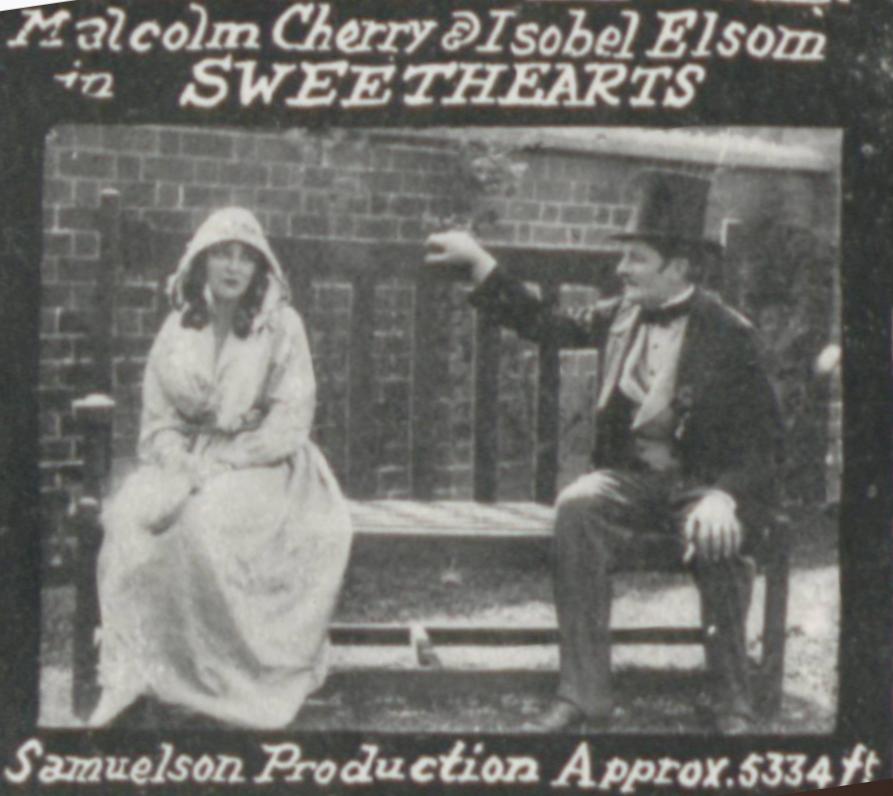
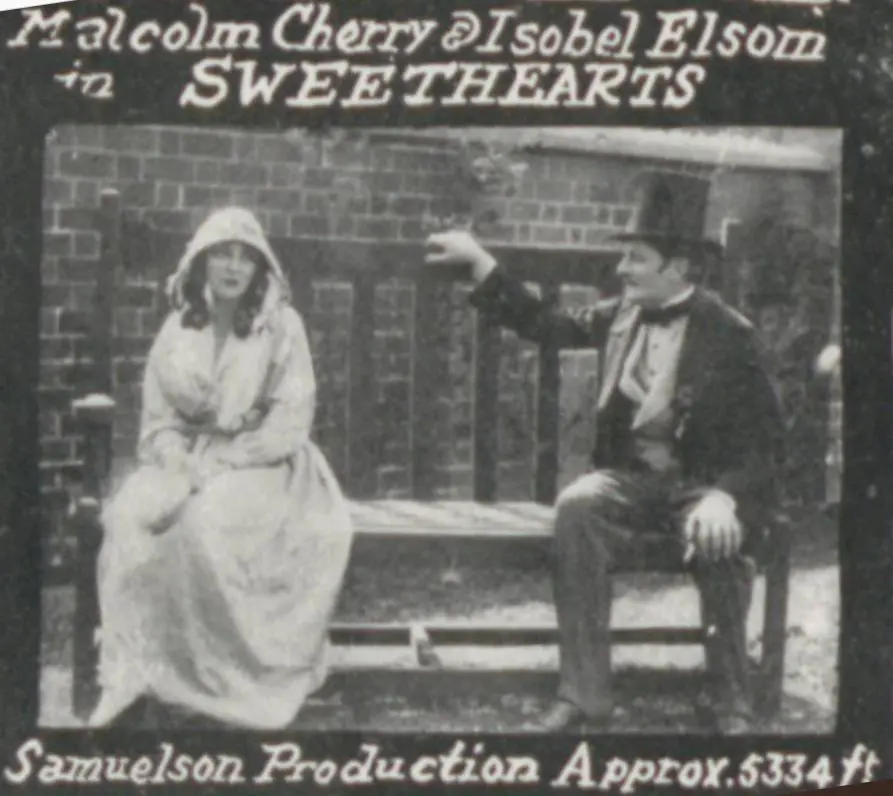
At the very core of 'Hope' lies the extraordinary performance of Isobel Elsom, whose portrayal of the unnamed girl is nothing short of breathtaking in its quiet intensity. Her character isn't given much in the way of a name, perhaps to emphasize her archetypal role as the eternal waiting woman, a symbol of unwavering devotion. From her youthful exuberance, brimming with the naive optimism of a first love, to the gradual, heartbreaking transformation into a woman whose entire being is a monument to a half-century-old pledge, Elsom conveys the psychological and emotional toll with an astonishing clarity. We witness her life unfold, not through grand events, but through the subtle shifts in her posture, the ever-so-slight lines etched around her eyes, the way her gaze, initially bright with expectation, slowly acquires a profound, almost desolate patience. It's a masterclass in silent acting, where every flicker of emotion, every suppressed sigh, speaks volumes. Her character embodies a form of love that is both admirable and, in its extreme, almost terrifying in its singular focus. It prompts us to ponder the nature of such commitment: is it a virtue, or a self-imposed prison? The film, through Elsom's nuanced performance, invites us to wrestle with this uncomfortable ambiguity. Unlike the bold, adventurous spirit often seen in serials like The Perils of Pauline, Elsom's character finds her heroism not in external struggles, but in the internal fortitude required to simply *wait*.
The narrative's central tragedy hinges upon the return of the doctor's son, played by Wyndham Guise. For fifty years, this man has been a phantom of hope, a distant star guiding the girl's every waking moment. His journey to India, a common trope in early 20th-century literature and film symbolizing opportunity, adventure, and often, a severing of old ties, is the catalyst for her decades-long vigil. When he finally reappears, the dramatic irony is almost unbearable. The film masterfully builds this tension, allowing the audience to feel the girl's burgeoning excitement, her renewed sense of purpose as the moment of reunion approaches. And then, the crushing blow. Guise, through his performance, must convey a man who has lived a full life, one that has moved beyond the youthful promise he once made, perhaps even forgotten in the vast expanse of time and experience. His arrival, not alone, but with a wife, is a silent, yet thunderous, declaration that the world has continued to turn, that life has progressed for some, while for others, it has stood agonizingly still. It’s a stark reminder that personal promises, however sacred to one party, can be ephemeral to another, lost in the currents of change and new beginnings. Malcolm Cherry, portraying the doctor, adds another layer to this emotional landscape, his character likely grappling with the weight of his son's departure and the quiet suffering he witnesses in the waiting girl. The film doesn't necessarily cast the son as a villain; rather, it portrays him as a man shaped by circumstance, highlighting the inherent unfairness of life's trajectory. This nuanced approach prevents the film from devolving into mere villainy, instead elevating it to a more profound exploration of fate and human fallibility. It’s a testament to the writers, W.S. Gilbert and Roland Pertwee, that such a straightforward premise yields such complex emotional resonance.
'Hope' is a powerful testament to the unique strengths of silent cinema. Without dialogue, the film relies heavily on visual storytelling, and it excels. The cinematography, though perhaps rudimentary by modern standards, effectively captures the passage of time. We see the girl age, the seasons change, the world around her evolve, while her internal world remains fixed, a still point in a turning world. The use of close-ups on Elsom's face becomes critical, allowing the audience to peer into the depths of her soul, to witness the micro-expressions that convey joy, doubt, steadfastness, and ultimately, profound heartbreak. The pacing, often deliberate, mirrors the agonizing slowness of the girl's wait, drawing the audience into her temporal prison. The intertitles, rather than simply moving the plot forward, are crafted to enhance the emotional impact, often serving as internal monologues or succinct summaries of the decades that pass. This careful orchestration of visual and textual elements is what elevates 'Hope' beyond a simple melodrama into a work of art that explores the very essence of human perseverance and the often-cruel nature of destiny. It's a study in how much can be conveyed through the subtle artistry of a glance, a posture, or the silent tears that well in an actor's eyes. The film's ability to evoke such deep empathy without a single spoken word is a powerful reminder of the universal language of human emotion. Comparing this to a film like Der Zug des Herzens, which might explore the 'train of the heart' through more active journeys, 'Hope' presents a heart that remains stubbornly, tragically, in one station.
Beyond the immediate plot, 'Hope' delves into universal themes that resonate across generations. The most obvious is, of course, hope itself – its power to sustain, to define, and ultimately, to betray. The film asks profound questions about the nature of commitment and the validity of promises made in youth, particularly when confronted with the vast expanse of time and the unpredictable trajectory of individual lives. It's a stark exploration of how one person's steadfastness can clash with another's evolution, leading to inevitable heartbreak. The film also subtly critiques societal expectations placed upon women of the era, where a woman's happiness was often tied to marital prospects and the fulfillment of romantic promises. The girl's life is presented as a singular pursuit, almost to the exclusion of all else, highlighting the limited avenues available for self-actualization outside of traditional roles. This makes her ultimate disillusionment all the more tragic, as her entire identity was invested in a future that never materialized. The relentless march of time is another character in itself, an antagonist more formidable than any human villain. It erodes memories, changes priorities, and reshapes destinies with an indifferent hand. The film's narrative structure, spanning half a century, is a powerful visual metaphor for this unstoppable force. It's a narrative that, in its profound sadness, offers a mirror to anyone who has ever waited, hoped, or faced the crushing weight of a dream deferred. The quiet internal struggle of the protagonist can be seen as a precursor to the more explicit psychological dramas of later eras, perhaps even hinting at the internal 'measure of a man' or woman, as explored in films like The Measure of a Man, but here, the measure is taken in years of silent vigil.
The screenplay, penned by the esteemed W.S. Gilbert (yes, of Gilbert and Sullivan fame, demonstrating his versatility beyond operetta) and Roland Pertwee, is a testament to their ability to distill complex emotional narratives into the visual medium of silent film. Gilbert, known for his satirical wit and sharp characterizations, brings a certain precision to the unfolding tragedy, ensuring that the emotional beats are clear and impactful. Pertwee, a prolific writer of the era, likely contributed to the dramatic structure and the effective pacing that allows the decades to unfold organically, rather than feeling rushed or episodic. Their collaboration results in a story that, while simple in premise, is rich in emotional depth and psychological nuance. They understand that in silent cinema, every image, every intertitle, must carry significant weight, and they craft a narrative that leverages these elements to maximum effect. The story avoids unnecessary subplots, maintaining a laser focus on the girl's plight, which intensifies the audience's connection to her journey. This narrative economy, combined with the powerful performances, is what makes 'Hope' such a compelling and enduring piece of early cinema.
In an era that also produced lighthearted comedies like Der müde Theodor or more thrilling adventures, 'Hope' stands out for its unwavering commitment to emotional realism, however bleak. It's a film that eschews grand gestures for the profound impact of internal suffering. While it might not possess the dramatic flair of a film like The House of Fear, its horror is far more insidious—the horror of a life wasted, a dream shattered, and the relentless passage of time. It resonates with a timeless quality, reminding us that the human heart, in its capacity for both enduring love and profound sorrow, remains an inexhaustible source of dramatic material. The film's quiet, devastating power is a stark contrast to the often bombastic or overtly melodramatic tendencies of some silent films. It's a story that could be adapted to any era, any culture, because its central conflict — the conflict between an individual's unwavering personal hope and the indifferent, ever-changing reality of the world — is universally understood. It’s not about grand societal movements or heroic battles, but the intimate, personal tragedy of one soul. In this regard, it shares a thematic kinship with other narratives of quiet, internal struggle, even those with different settings like Anfisa, if that film also explores profound personal sacrifice or waiting. 'Hope' serves as a stark reminder of the fragile nature of human expectations and the often-unforgiving hand of fate. It’s a film that, despite its age, continues to evoke a powerful emotional response, a testament to its artistic integrity and the enduring power of its simple, heartbreaking story.
To watch 'Hope' today is to embark on a journey into the heart of human resilience and vulnerability. It's a cinematic experience that transcends its silent origins, speaking directly to the universal experience of longing, expectation, and the bitter taste of disillusionment. The film is a masterclass in evoking profound emotion through understated means, relying on the exceptional talents of its cast, particularly Isobel Elsom, and the thoughtful craftsmanship of its writers and director. It reminds us that sometimes, the most devastating stories are not those filled with explosions or chase scenes, but those that unfold in the quiet chambers of the human heart, where dreams are nurtured for decades only to be irrevocably crushed. 'Hope' is more than just a film; it is a profound meditation on the passage of time, the strength of an unshakeable promise, and the poignant beauty of a life lived in unwavering, albeit ultimately tragic, anticipation. It’s a film that will stay with you, prompting reflection on your own hopes, your own waiting, and the unpredictable currents of life that shape us all. A true gem of silent cinema, it continues to shine with a melancholic brilliance.
IMDb —
1917
Community
Log in to comment.