DbcultAccessing Vault...
7.1/10
Senior Film Conservator
A definitive 7.1/10 rating for a film that redefined the boundaries of cult cinema. Hríchy lásky remains a cornerstone of transgressive art.
“Hríchy lásky,” or “Sins of Love,” isn’t going to be your casual Friday night movie. It’s a silent film from 1929, so *right away* you know if it's for you or not. If you're into digging into early Czech cinema or just love a good old melodrama, you might find some interesting bits here. But if you need snappy dialogue and quick cuts, you'll probably find this a bit of a slog.
The story itself, about a provincial actor and his wife trying to make it in the big city, feels pretty classic. You get that immediate sense of ambition clashing with, well, *life*.
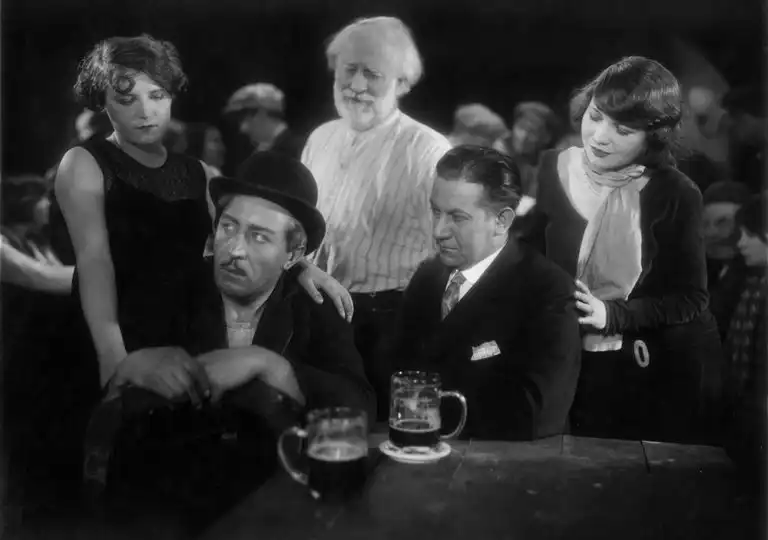
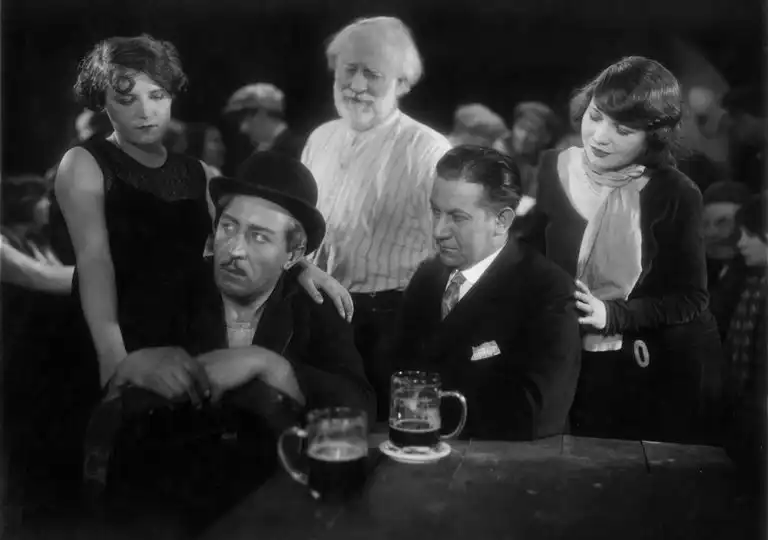
Josef Sváb-Malostranský plays the actor, and he’s got this **heavy, brooding presence**. His expressions are *huge*, as they often are in silent films. You really can’t miss what he’s feeling, even if sometimes it’s a little… much.
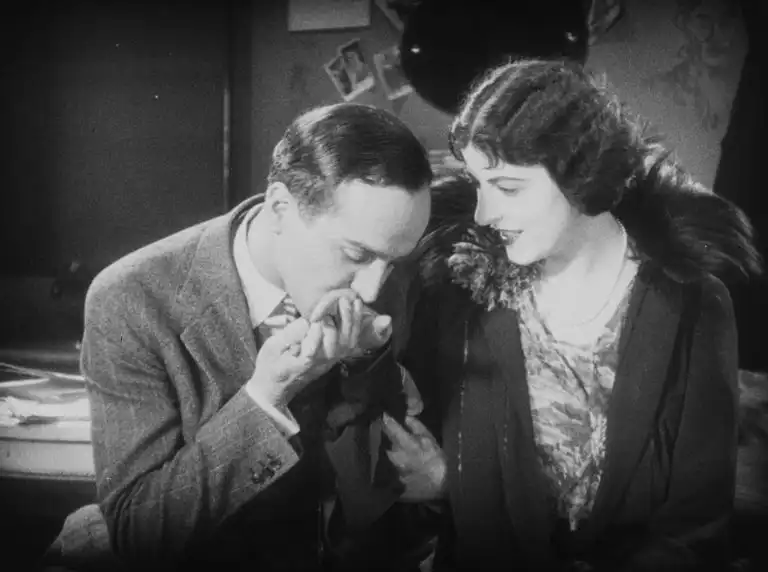
Betty Kysilková, as his wife, carries a lot of the emotional weight. Her character is admired by another actor, and that’s where the drama really kicks in. The way she tries to navigate the attention, it’s all in her eyes.
There’s a scene early on, where they first arrive in the city. The camera kind of *lingers* on the busy streets. It makes you feel their hopes, but also how tiny they are in this new world.
Then comes the whole suspicion part. Someone attacks the admiring actor. The film uses a lot of **quick cuts** here, or what passed for quick cuts back then. You see faces, shocked expressions, hands gesturing wildly.
It’s not subtle, but then again, silent films rarely were. The whole point was to get the emotion across without a single word. So you get a lot of *wide eyes* and *clenched fists*.
I found myself watching the background extras sometimes. There's a moment in a café where a guy just keeps looking at his watch, oblivious to the drama unfolding. It’s a tiny detail, but it makes the scene feel a bit more real, somehow.
The film doesn't really try to hide who might be guilty. It leans into the melodrama. You're meant to *feel* the tension, not necessarily solve a puzzle.
One particular shot of Sváb-Malostranský after the attack really sticks with you. He's just standing there, shoulders slumped, looking like the weight of the world is on him. It’s a good example of how powerful just a simple pose could be.
The movie is definitely a product of its time. The pacing can feel **slow to modern eyes**. There are long stretches where you just watch characters reacting, or walking, or thinking. You really have to settle into its rhythm.
There's a scene near the end, where things are being sorted out. It felt like it could have been trimmed by a minute or two. The conclusion feels a bit *rushed*, though, after all the slow build-up.
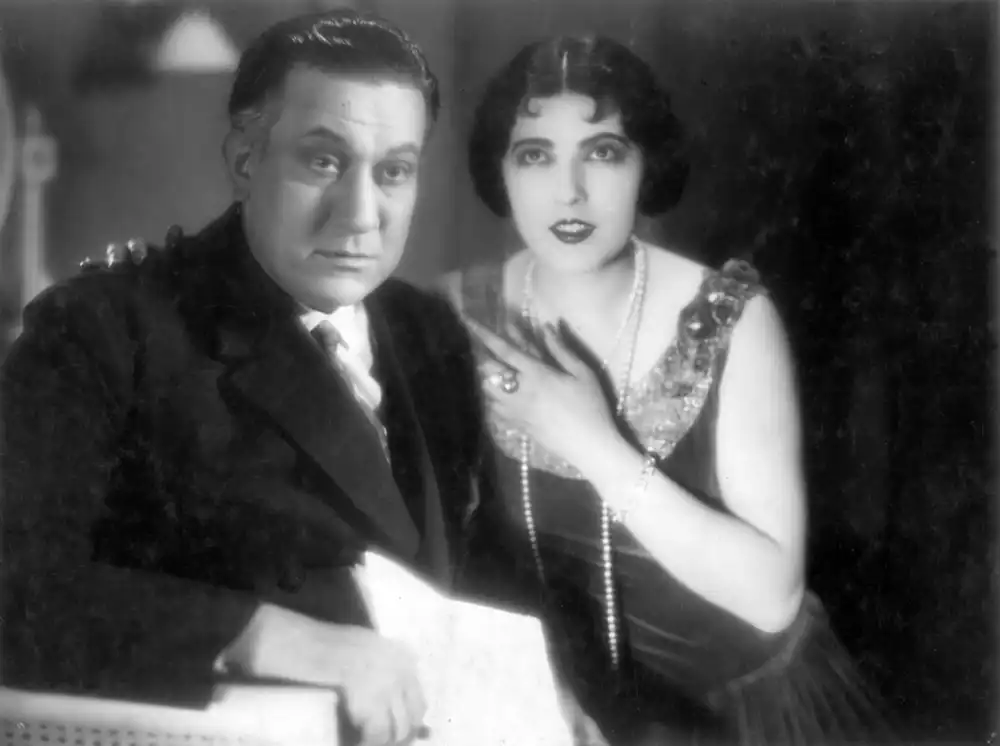
If you've seen other silent dramas like Metropolis, you'll know what to expect visually. But this isn't that grand scale. It's much more personal, more intimate.
Ultimately, it’s a peek into a different era of filmmaking. It shows how stories were told before sound took over everything. Not perfect, definitely a bit clunky in spots, but it has its own quiet charm.
This isn’t a groundbreaking film, no. It’s more of a **solid, if somewhat predictable, entry** in the silent drama canon. It does what it sets out to do.
You won't leave thinking about some deep philosophical question. You'll probably just think about how different movies used to be.
IMDb 5.2
1929
Community
Log in to comment.