DbcultAccessing Vault...
Cult Review
Senior Film Conservator
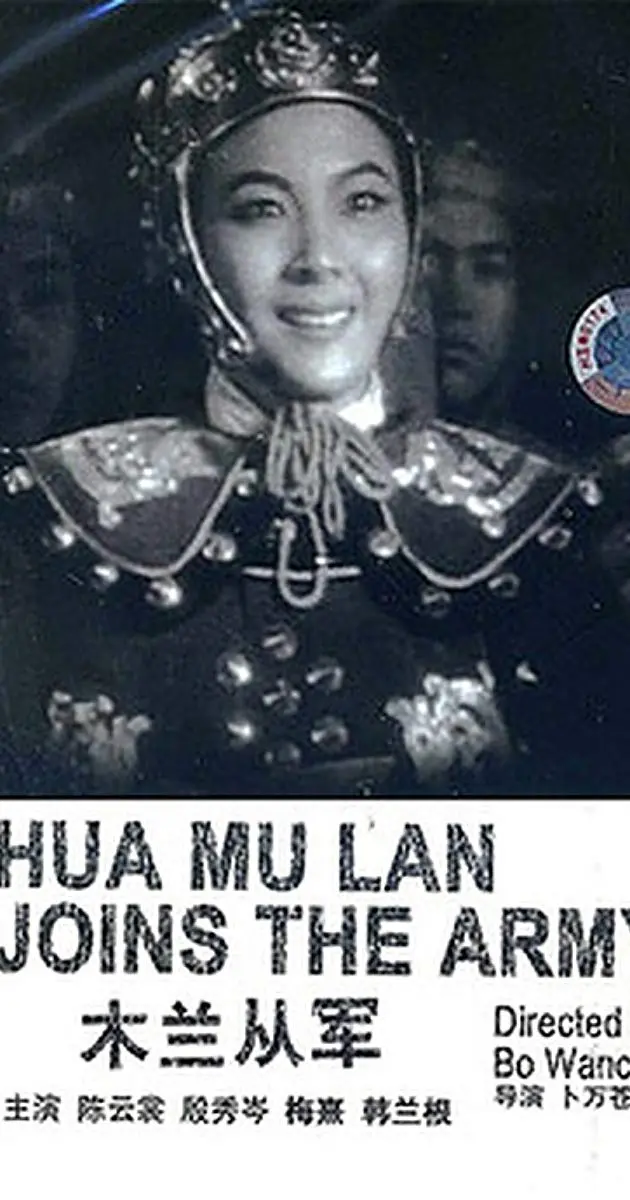
Is the 1927 version of Hua Mulan cong jun worth watching for a modern audience? Short answer: yes, but only as a historical artifact rather than a casual Friday night entertainment. This film is for the dedicated cinephile and the cultural historian; it is absolutely not for those expecting the polished choreography of a modern wuxia epic.
This film works because it captures a pivotal moment in Chinese film history where traditional opera aesthetics began to merge with Western cinematic techniques. This film fails because the surviving print quality and the rigid, stage-like blocking often distance the viewer from the emotional core of the characters. You should watch it if you want to understand the origins of the 'woman warrior' archetype in Asian cinema before it was filtered through Hollywood's lens.
Shan Hu carries the weight of this production with a physical performance that bridges the gap between the stylized movements of Peking Opera and the more naturalistic demands of the camera. In the scene where she first cuts her hair—a moment we have seen dozens of times in various remakes—there is a unique, frantic energy here. She does not look like a hero preparing for a journey; she looks like a daughter terrified of her father's impending death. It is raw. It is unpolished. It works.
Compared to the more melodramatic performances found in contemporary Western films like Ingeborg Holm, Shan Hu’s Mulan is surprisingly restrained. She avoids the excessive gesticulation common in the silent era, choosing instead to let her eyes convey the burden of her secret. This subtlety was rare for 1927, and it marks the film as a forward-thinking piece of art despite its technical limitations.
Zhizhi Zhang provides a solid, if somewhat conventional, foil to Mulan. His presence serves to highlight the gendered expectations of the era. The chemistry between the leads is hampered by the editing, but the intention is clear. They were building a myth in real-time. It is fascinating to see these early archetypes being formed before they became the clichés we recognize today.
The direction of Hua Mulan cong jun reflects a cinema in transition. Many scenes are shot in wide, static frames that feel like a proscenium arch. This can be frustrating for a modern viewer used to dynamic camera movement. However, there are moments of genuine cinematic inspiration. The use of depth in the military camp scenes suggests a burgeoning understanding of how to use the 3D space of a set to tell a story.
The pacing is deliberate. Some might call it slow. I call it patient. The film takes its time to establish the domestic life Mulan is leaving behind, making her eventual departure feel like a genuine loss rather than just a plot point. This focus on the domestic sphere is a sharp contrast to the action-heavy focus of films like The Fighting Trail, which prioritized spectacle over character development.
The cinematography, while limited by the equipment of the time, makes excellent use of natural light in the outdoor sequences. The contrast between the dark, cramped interiors of the family home and the expansive, often harsh landscapes of the military march creates a visual metaphor for Mulan's internal expansion. She is growing larger than the life she was assigned.
If you are looking for a definitive answer, here it is: watch it for the context, not the content. As a standalone movie, it suffers from the ravages of time. As a piece of the puzzle that is global cinema history, it is indispensable. It provides a direct link to the writings of Maoqian Guo, bringing a thousand-year-old ballad into the modern age of the 20th century.
The film lacks the kinetic energy of The Chinese Musketeer, but it replaces that energy with a sense of gravity. It is a serious film. It takes its themes of loyalty and identity seriously. For a viewer willing to look past the grain and the flicker, there is a powerful story about the cost of war and the fluidity of gender roles that still feels relevant.
Pros:
- Historically significant as one of the earliest Mulan adaptations.
- Strong lead performance that transcends the silent era's tropes.
- Authentic cultural atmosphere that avoids Western exoticization.
- Effective use of natural locations for the military sequences.
Cons:
- Poor survival state of the film makes viewing difficult.
- Extremely slow pacing by modern standards.
- Limited camera movement creates a static viewing experience.
- The musical accompaniment (if present in your version) can be hit-or-miss.
The script, credited to the influence of Maoqian Guo, stays remarkably faithful to the original ballad. This is both a strength and a weakness. It gives the film a mythic quality, but it also means the plot beats are predictable. We know she will succeed. We know she will return. The tension, therefore, must come from the *how*, not the *what*.
In one specific scene, Mulan is seen practicing her swordplay in the moonlight. The lighting is harsh, the shadows long. It is a moment of pure transformation. She is no longer a daughter; she is a soldier. This sequence is far more effective than the later battle scenes, which feel cluttered and disorganized compared to the action choreography in The Handsome Brute.
The film also touches on the camaraderie among the soldiers. While the dialogue is limited to intertitles, the visual storytelling conveys a sense of brotherhood. Mulan’s struggle to fit in is played for drama rather than comedy, which is a refreshing change from later versions that use the 'gender-bending' trope for cheap laughs.
When placed alongside other films of the period like Paradise Garden or The Marriage Speculation, Hua Mulan cong jun stands out for its epic scale. While many silent films were confined to drawing rooms or small studios, this film attempts to capture the breadth of a national crisis. It has an ambition that is palpable, even if the technology wasn't quite there to support it.
It lacks the experimental flair of something like Bican Efendi vekilharç, but it makes up for it with moral weight. There is a sense of duty that permeates every frame. This is a film made by a culture trying to define itself in a rapidly changing world. Mulan is the perfect avatar for that struggle: traditional in her values, but radical in her actions.
The film’s portrayal of the enemy is, as expected for the time, fairly one-dimensional. They are a force of nature to be overcome rather than characters with depth. This is a common trait in early nationalist cinema, and while it dates the film, it also provides a window into the anxieties of 1920s China.
Hua Mulan cong jun is a difficult film to love but an easy one to respect. It is a foundational text. It is a blueprint. Without this film, the lineage of the Chinese action heroine would look very different. It is flawed. It is ancient. But it is essential for anyone who wants to see where the legend truly began on screen.
"A haunting, flickering shadow of a legend that refuses to die. Shan Hu’s Mulan is the ghost that haunts every modern remake, reminding us that the story’s heart lies in sacrifice, not spectacle."
Ultimately, this film is a testament to the power of a single story to survive across centuries and mediums. It isn't perfect. It works. But it’s flawed. If you can accept that, you will find something deeply moving in its silent frames.
IMDb —
1924
Community
Log in to comment.