DbcultAccessing Vault...
4/10
Senior Film Conservator
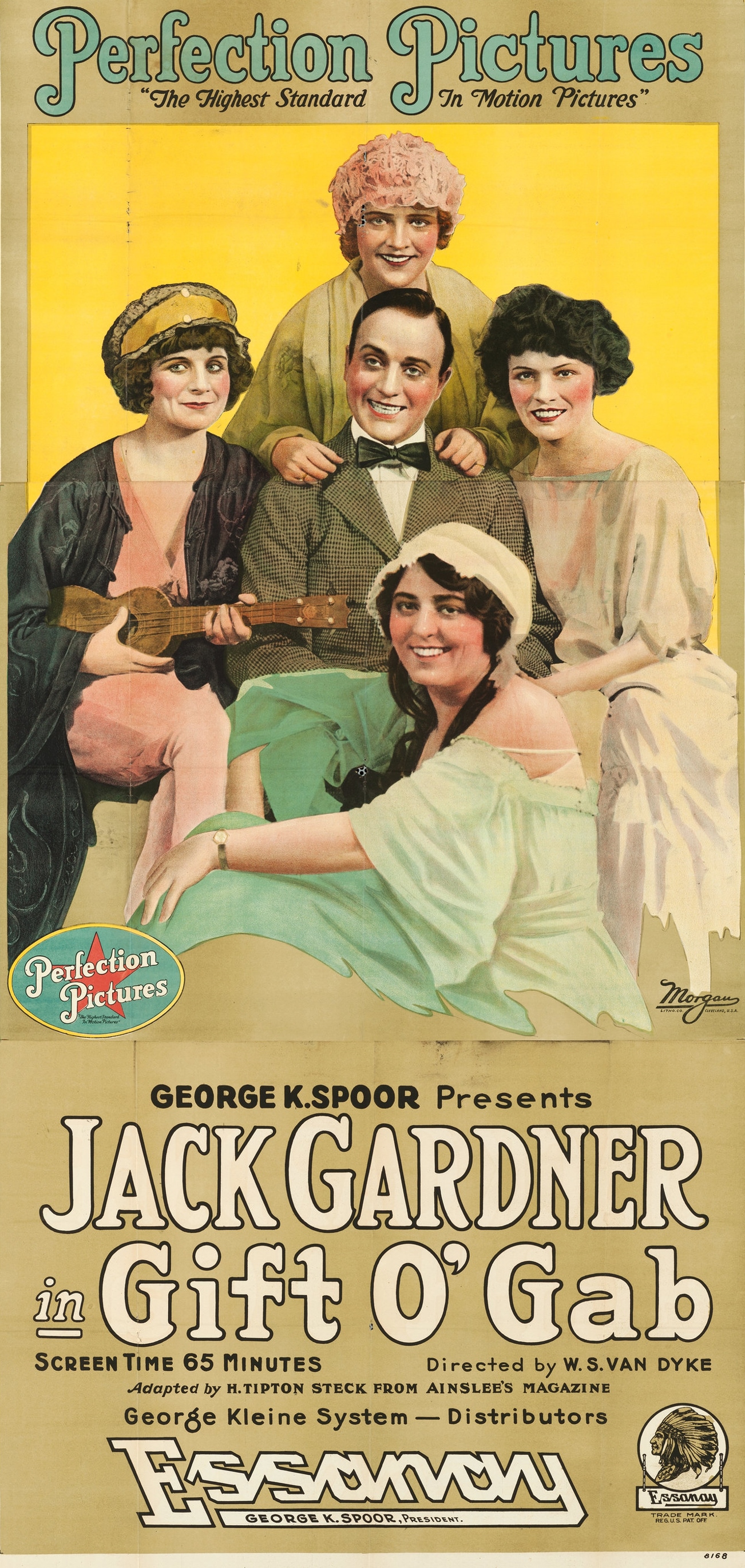
A definitive 4/10 rating for a film that redefined the boundaries of cult cinema. Gift o' Gab remains a cornerstone of transgressive art.
In the bustling, burgeoning landscape of early 20th-century American cinema, where narratives often mirrored the nation’s fervent optimism and burgeoning industrial might, a peculiar gem like Gift o' Gab (1917) emerges from the archives, whispering tales not of grand adventure or tragic romance, but of the sheer, unadulterated power of persuasion. Directed with an eye for the comedic and the human, this silent film, penned by H. Tipton Steck, offers a delightful, if somewhat quaint, exploration of innate talent, misdirected ambition, and the unpredictable currents of destiny. It’s a film that, despite its vintage, still resonates with a certain timeless charm, reminding us that the art of selling, be it an idea, a product, or oneself, is an enduring human endeavor.
At the heart of Gift o' Gab lies Tom Bain, a character whose defining trait is so potent, so singularly spectacular, it becomes the very engine of the narrative. From his earliest days, Tom is blessed – or perhaps burdened – with a tongue so glib, so utterly persuasive, that his parents, with a prescient twinkle in their eyes, foresee him as a second Chauncey Depew. Depew, a renowned orator and politician of the era, epitomized the power of words in public life, and this comparison immediately grounds Tom’s character in a specific cultural context. This isn't just about smooth talk; it's about a profound, almost mystical ability to sway, to convince, to inspire action where none seemed possible. His college years serve as a crucible for this talent, honing it to an almost mythical degree. Imagine, if you will, the sheer audacity, the sheer theatricality, of selling Liberty Bonds in a poor house. It’s a stroke of narrative genius, a hyperbolic illustration that immediately establishes the character’s extraordinary capabilities. This isn't mere salesmanship; it's a form of psychological alchemy, transforming resistance into compliance, skepticism into belief. In a world increasingly driven by commerce and public opinion, Tom Bain is a natural phenomenon, a living embodiment of the spoken word’s immense, often understated, power.
This central premise allows the film to explore themes of inherent talent versus learned skill, and the sometimes-ironic twists of fate that dictate one's professional path. Tom's gift is not something he cultivates through arduous study; it is an intrinsic part of his being, a force of nature. This contrasts sharply with the struggles of characters in films like The Struggle, where success is often forged through hardship and moral conflict. Tom’s journey is less about overcoming internal demons and more about navigating the external world with an almost unfair advantage. His charisma is a tool, a weapon, and a shield, all rolled into one, allowing him to bypass conventional obstacles with remarkable ease.
Despite his unparalleled aptitude for persuasion, Tom Bain harbors a different dream: to be an inventor. This pivot introduces a fascinating duality to his character. He is not content to merely articulate; he wishes to create. His grand vision is a tunneling machine, an audacious contraption designed to 'start at one side of a mountain and propel itself through to the other without man's assistance.' This invention speaks to the era’s fascination with technological progress, a common trope in films like The Dawn of Freedom, where innovation often drives the plot. Tom’s machine, a symbol of human ingenuity pushing against natural barriers, is a testament to his ambition. And, naturally, he employs his 'gift of gab' to sell the rights to this fantastical device to a major manufacturing firm. This sequence, though likely brief in the silent film format, is pivotal. It showcases the absolute faith Tom places in his own persuasive abilities, believing they can manifest his inventive dreams into reality, even if the invention itself is unproven.
The cruel irony, however, is quick to reveal itself. The tunneling machine, a marvel in concept, proves utterly worthless in practice. It fails to deliver on its ambitious promise, leaving the manufacturing firm with a dud. Here, the film makes a subtle but profound commentary on the distinction between rhetoric and reality, between the allure of a well-spun narrative and the unforgiving laws of physics. Many films of the era glorified inventors and entrepreneurs, but Gift o' Gab offers a more nuanced view, suggesting that even the most compelling pitch cannot sustain a flawed product indefinitely. The firm, rather than dismissing Tom for his failed invention, demonstrates a shrewd business acumen. They recognize that while his machine was a bust, his ability to sell was not. Thus, Tom is placed on the payroll not as an inventor, but as a salesman. This turn of events is both humorous and insightful, highlighting the true value proposition Tom brings to the table. His inherent talent, initially a means to an end (funding his invention), becomes his ultimate professional destiny. It’s a delightful subversion of expectations, a testament to the idea that sometimes, our greatest strengths lead us down paths we never initially envisioned.
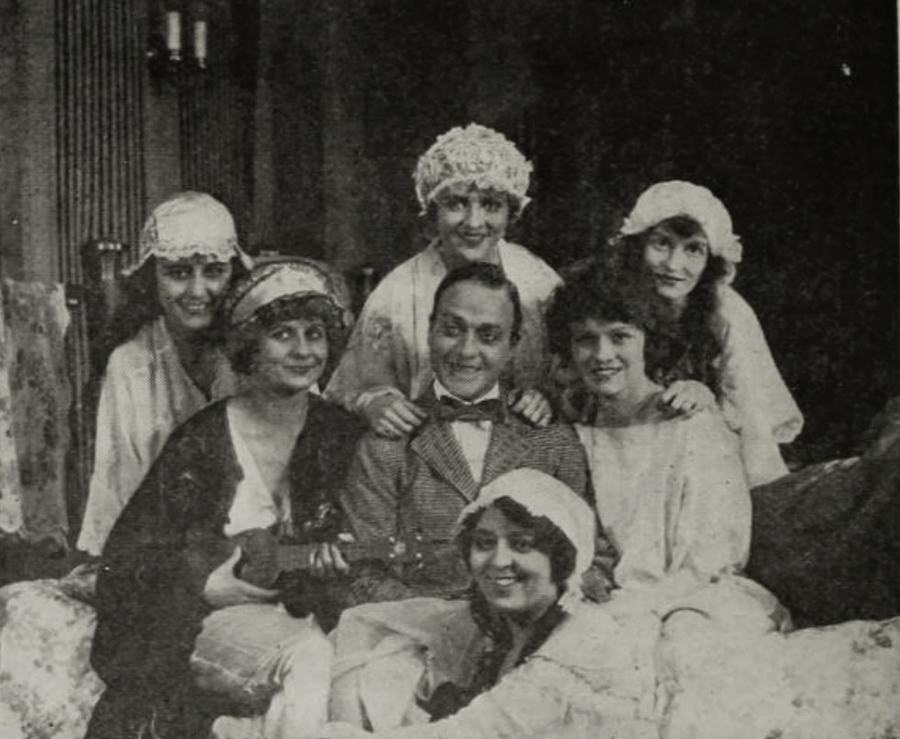
From this point, the narrative of Gift o' Gab blossoms into a series of 'exciting adventures.' While the specifics are left to our imagination, one can envision Tom, now unleashed as a professional persuader, navigating various comedic and dramatic scenarios. Perhaps he talks his way out of impossible jams, secures seemingly unattainable deals, or even inadvertently causes chaos with his relentless charm. These adventures would undoubtedly serve to further illustrate the breadth and depth of his persuasive powers, perhaps echoing the more elaborate escapades found in films like The Ghost Breaker or The Social Buccaneer, albeit with a focus on verbal rather than physical derring-do. The silent film format, with its reliance on intertitles and exaggerated physical comedy, would have been perfectly suited to convey these exploits with broad strokes of humor and spectacle.
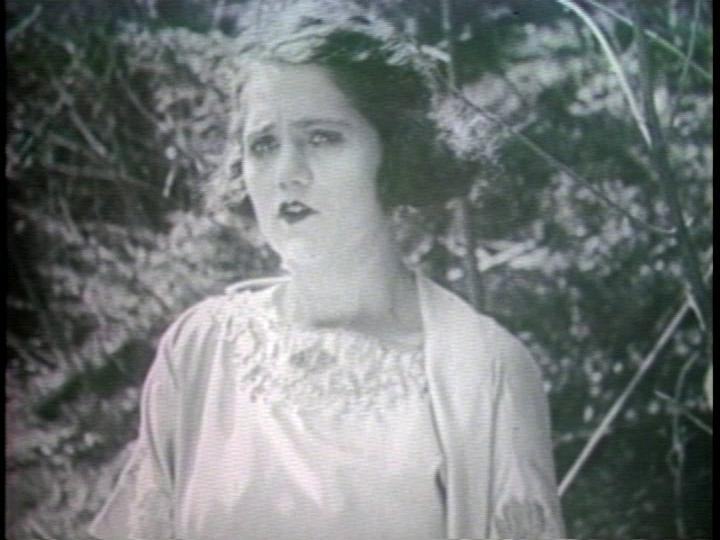
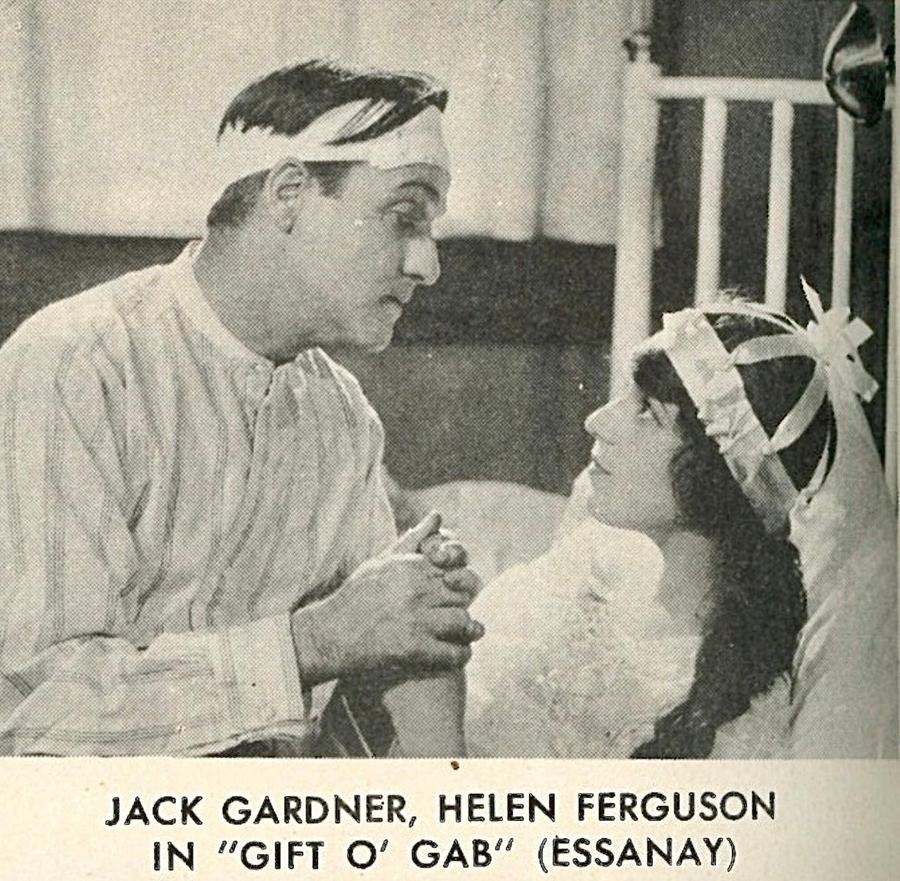
Amidst his professional triumphs and tribulations, the romantic thread of the story weaves its way through. Tom’s affections are set upon Peggy, a woman he met and courted during his college days. This brings Helen Ferguson into the fold, a prominent actress of the era known for her expressive performances. Her presence would have lent a certain grace and emotional depth to the film, balancing Tom's boisterous charm. The rekindling of a college romance is a classic narrative device, offering a sense of nostalgic warmth and predetermined love. It suggests that despite all his detours and professional shifts, the heart knows its true direction, a sentiment often explored in romantic dramas like Under Southern Skies.
The culmination of their romance is perhaps the film’s most charmingly idiosyncratic touch: a wedding in a hospital. This accidental reunion, where both Tom and Peggy find themselves patients, is a delightful twist of fate, imbued with a certain whimsical serendipity. It subverts the grand, often idealized, wedding scenarios typical of cinema, opting instead for a more grounded, yet equally poignant, setting. This unexpected location speaks volumes about the film’s underlying message: that life, love, and destiny often unfold in the most unforeseen circumstances. It’s a moment of quiet humor and tender affection, signifying that even in moments of vulnerability, love finds a way to blossom. This unusual setting could be seen as a metaphor for the film itself – a departure from the expected, a unique take on familiar themes.
While specific details of the performances are lost to the mists of time for many silent films, we can infer much from the known cast members. Helen Ferguson, as Peggy, would have embodied the archetypal ingénue or spirited leading lady of the era. Her ability to convey emotion through gesture and facial expression, a cornerstone of silent acting, would have been crucial in depicting Peggy's resilience and affection for Tom. John Cossar, likely in a supporting role such as the stern industrialist or a comedic foil, would have brought a seasoned presence. Mrs. Margaret A. Wiggin, Frank Morris, and Jack Gardner would have filled out the ensemble, each contributing to the tapestry of characters that populate Tom’s world. In silent cinema, the supporting cast often provided vital context and reactions, amplifying the lead’s performance without uttering a single line.
H. Tipton Steck, the writer, deserves credit for crafting a narrative that, while simple, possesses a strong central conceit and a satisfying arc. The idea of a character whose greatest strength is also his greatest obstacle (or at least, a detour from his chosen path) is a compelling one. Steck's script likely balanced comedic situations arising from Tom's 'gab' with moments of genuine character development and romantic tenderness. The structure, moving from childhood prodigy to collegiate success, then to professional misdirection and eventual romantic fulfillment, is classic and effective, showcasing a clear understanding of storytelling principles prevalent in the era. One can imagine Steck drawing inspiration from popular literature of the time, where wit and charm often triumphed, much like in The Gentleman from Indiana, which also celebrated an individual's unique abilities.
At its core, Gift o' Gab is a profound meditation on the power of communication. In an era before mass media truly dominated, the spoken word held immense sway. Public speakers, politicians, and salesmen were figures of considerable influence. Tom Bain embodies this cultural reverence for eloquence. The film playfully suggests that while technical prowess (the tunneling machine) may fail, the human capacity for connection and persuasion remains a potent, enduring force. This isn't just about trickery; it’s about the art of genuinely engaging with people, understanding their needs, and articulating a vision that resonates. This theme finds echoes across cinematic history, from the moral dilemmas of communication in The Fifth Commandment to the manipulative rhetoric seen in more cynical portrayals. However, Gift o' Gab frames it with an inherent optimism, suggesting that Tom's talent, though initially misdirected, ultimately leads him to his rightful place.
The film also touches upon the American ideal of ambition and reinvention. Tom, though failing as an inventor, successfully reinvents himself as a master salesman. This adaptability, this resilience in the face of setbacks, is a quintessential American narrative, a belief that one can always pivot and find success in a new arena. It’s a less dramatic, but equally compelling, journey of self-discovery compared to the intense transformations seen in films like A Modern Monte Cristo. Furthermore, the film’s lighthearted tone, even when dealing with career setbacks, speaks to a certain buoyant spirit characteristic of early comedies. It avoids the darker undertones of ambition explored in films like The Bondage of Fear, opting instead for a celebratory view of individual talent.
As a product of 1917, Gift o' Gab would have been screened in bustling picture palaces, accompanied by live music, its narrative unfolding through expressive acting and descriptive intertitles. The visual language of silent film, with its emphasis on pantomime, exaggerated gestures, and clear emotional cues, would have been perfectly suited to depicting Tom Bain’s charismatic personality. The audience would have understood his 'gab' through his confident posture, his animated expressions, and the reactions of those around him. The film likely employed common comedic tropes of the era, such as chase sequences (perhaps involving disgruntled customers or rival salesmen), mistaken identities, or farcical misunderstandings, all propelled by Tom’s verbal dexterity.
While perhaps not as widely remembered as epic productions like Robin Hood or dramatic works like Beatrice Cenci, Gift o' Gab represents a crucial part of cinema’s formative years. It showcases the industry’s burgeoning ability to craft character-driven comedies that relied on clever premises rather than just spectacle. Its relative obscurity today doesn't diminish its historical value or its charming narrative. It serves as a reminder that even in the absence of spoken dialogue, the essence of communication, the sheer force of personality, could be powerfully conveyed on screen. The film’s focus on an individual's unique, almost magical, talent for persuasion connects it to a long tradition of storytelling that celebrates the extraordinary within the ordinary, much like the compelling central figures in works such as Manya, die Türkin or The Merchant of Venice, where characters' defining traits drive their destinies.
Gift o' Gab is more than just an antiquated relic; it’s a delightful snapshot of early 20th-century American values and cinematic storytelling. It’s a film that understands the magnetism of a compelling speaker, the allure of invention, and the sweet irony of fate. Tom Bain’s journey from a would-be inventor to an indispensable salesman, all thanks to his inherent persuasive power, is a testament to the idea that sometimes, our true calling lies not in what we aspire to create, but in who we inherently are. The film's light touch, its charming romance, and its ultimately optimistic outlook make it a fascinating study for anyone interested in the evolution of comedy, character development, and the enduring power of human connection in cinema. It reminds us that even without sound, a story about the 'gift of gab' can speak volumes, leaving a lasting impression of wit, charm, and the unpredictable dance of life and love.
The unconventional hospital wedding, far from being a somber affair, punctuates the narrative with a final flourish of delightful absurdity and human vulnerability. It’s a subtle nod to the fact that life seldom adheres to perfectly scripted plans, and often, the most memorable moments arise from the unexpected. This film, with its unique premise and charming execution, stands as a testament to the creative spirit of early cinema, proving that a simple story, well told, can captivate and entertain across generations. It's a journey worth taking, even a century later.
Review by your resident cinephile.
IMDb 8.6
1931
Community
Log in to comment.