DbcultAccessing Vault...
Cult Review
Senior Film Conservator
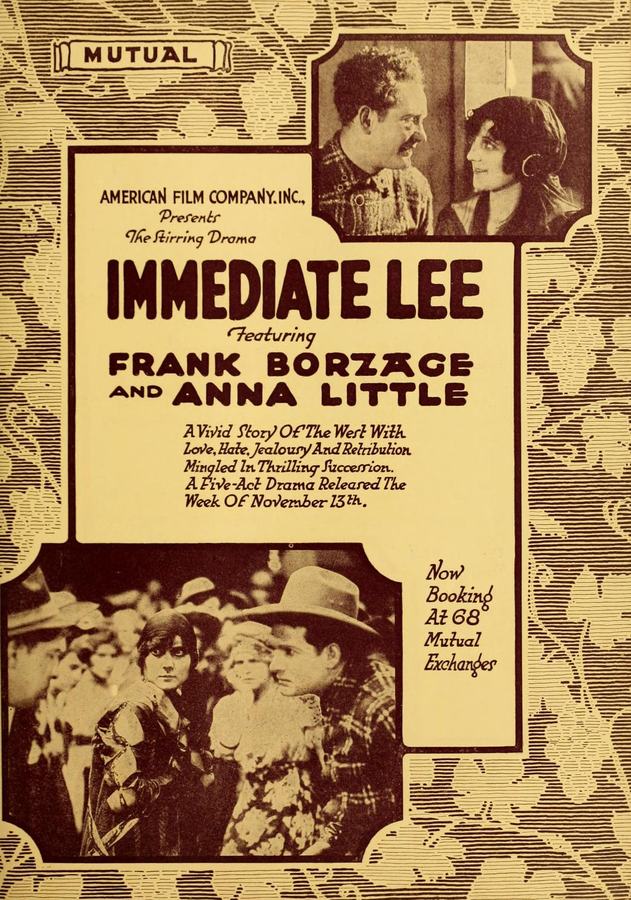
Stepping back into the flickering glow of early cinema, one often encounters narratives that, despite their age and the technical limitations of their era, resonate with a primitive, undeniable power. Such is the case with Immediate Lee, a 1916 silent Western that, under the pen of Kenneth B. Clarke, carves out a story as rugged and unforgiving as the landscape it depicts. This isn't merely a tale of cowboys and outlaws; it's a visceral exploration of injustice, the corrosive nature of revenge, and the redemptive potential of loyalty, all played out against a backdrop of frontier lawlessness where personal codes often superseded formal justice. It stands as a testament to the era's ability to craft compelling drama with little more than expressive performances and a well-honed plot, inviting us to peer into a bygone world where stakes were high and consequences dire.
At the heart of Immediate Lee lies the titular character, portrayed with compelling intensity by George Clarke. Lee begins as an honest ranch hand, a figure of unassuming integrity whose world is abruptly upended. His dismissal from Masters' ranch isn't a simple termination; it's a calculated act of sabotage, orchestrated by a corrupt manager under the sway of Hurley and his fellow brand blotters. This initial betrayal sets a bitter tone, but it is merely the prelude to a far more profound trauma. The film doesn't shy away from depicting the brutal realities of frontier life, and Lee’s disfigurement is perhaps its most shocking and indelible image. Entrapped by Hurley, a man consumed by jealousy over Beulah's affections, Lee endures a horrific ordeal: his mouth cruelly slashed, leaving a permanent, gaping scar. This isn't just a physical wound; it’s a symbolic branding, a visible mark of his humiliation and the injustice he has suffered.
The scar transforms Lee, not just physically, but psychologically. It becomes a constant, gnawing reminder, fueling an obsessive quest for vengeance that propels him across the vast and indifferent expanses of the country. Clarke’s performance here is crucial; without spoken dialogue, he must convey the depth of Lee’s anguish, the burning intensity of his resolve, and the gradual hardening of his spirit through gesture, posture, and the raw emotion etched on his face. This internal struggle, the transformation from a wronged man to a relentless avenger, forms the emotional backbone of the narrative, reminiscent of the singular focus seen in other revenge-driven dramas of the era, though perhaps with a more visceral, personal wound at its core than, say, the broader social justice themes in The Deep Purple.
The antagonists in Immediate Lee are not one-dimensional caricatures but embody the prevalent vices of the untamed West: greed, jealousy, and a blatant disregard for law and order. Hurley, played by Harry McCabe, is the primary instigator of Lee’s suffering. His jealousy over Beulah is a potent catalyst, driving him to an act of extreme cruelty that defines the film's central conflict. He represents the wild, untamed impulse of the frontier, a man whose passions override any sense of morality. The brand blotters, operating under the clandestine influence of Masters, symbolize the systemic corruption that often plagued burgeoning settlements, where economic gain frequently trumped ethical conduct. This criminal enterprise provides the larger context for Lee's personal vendetta, elevating it from mere personal revenge to a broader fight for justice within the community. The film subtly critiques the fragility of nascent law enforcement in such territories, where individuals like Lee are forced to become agents of their own retribution.
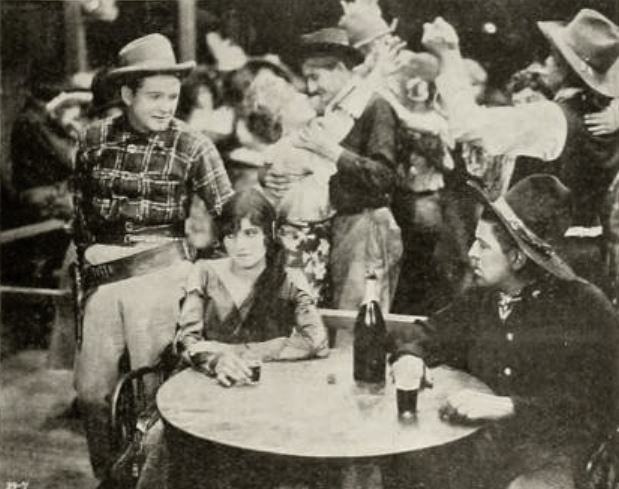
The portrayal of these villains, while stark, avoids overt melodrama, grounding their actions in believable human failings – albeit amplified by the harshness of their environment. This nuanced approach to villainy allows the audience to understand the motivations, however depraved, that drive the plot forward, creating a more compelling and less simplistic narrative than some of its contemporaries. It aligns with a growing trend in silent cinema to explore the darker facets of human nature, a departure from more purely heroic narratives, and in this way, it shares a certain thematic grittiness with films like The Plunderer, which also delved into the moral complexities of its characters.
Amidst the dust and violence, Ann Little’s portrayal of Beulah, the dance-hall girl, provides a crucial counterpoint. Far from a mere damsel in distress, Beulah is a figure of quiet strength and unwavering loyalty. Her initial preference for Lee over the menacing Hurley is a testament to her discerning character, an ability to see beyond superficial charm to true decency. Her role in the narrative is particularly fascinating, as she is not only the object of male rivalry but also an active participant in the unfolding drama. Her pivotal intercession, saving Hurley from Lee’s vengeful grasp, is a moment of profound moral complexity. It speaks to a deeper humanity within her, a refusal to allow even a brutal enemy to be summarily executed, highlighting a struggle between justice and mercy that often defines the most compelling Westerns.
Beulah's unwavering devotion to Lee, even after his disfigurement and during his long, arduous pursuit, elevates her beyond a romantic interest to a symbol of steadfastness. Her character arc culminates in a well-deserved reward, becoming Lee's wife, a resolution that brings a sense of emotional closure and hope to a story steeped in hardship. Little imbues Beulah with a quiet dignity, conveying inner turmoil and resilience through subtle expressions and gestures, making her a memorable figure in the pantheon of early Western heroines. Her strength and independence, even within the constraints of her profession, echo the spirited female leads seen in films such as A Lady of Quality, where women often navigate challenging social landscapes with remarkable fortitude.
Kenneth B. Clarke’s writing for Immediate Lee is a masterclass in silent film storytelling. He understands the power of visual narrative, allowing key moments – Lee’s scar, the pursuit across diverse landscapes, the tense confrontations – to speak volumes without relying solely on intertitles. The pacing is deliberate yet propulsive, building tension incrementally, especially during Lee’s relentless hunt for Hurley. The script skillfully balances the personal vendetta with the broader criminal investigation, ensuring that the resolution feels both emotionally satisfying and narratively complete. The film doesn't just show events; it uses them to explore deeper themes of justice, morality, and the human capacity for both cruelty and devotion.
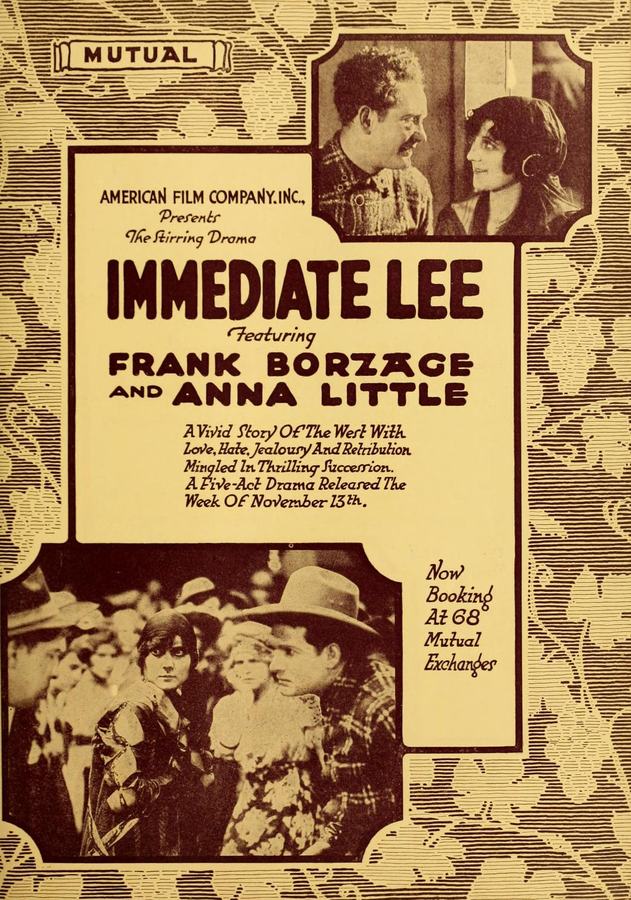
Clarke’s ability to weave such a complex tapestry of motivations and consequences within the narrative framework of a silent film is truly commendable. The plot, while seemingly straightforward in its premise of revenge, unfolds with layers of moral ambiguity, particularly concerning Beulah's intervention and the ultimate fate of Hurley. This sophistication in storytelling elevates Immediate Lee beyond a simple genre piece, aligning it with more dramatically ambitious works of the period like The Straight Road, which also explored the complexities of human choices under duress. The narrative architecture ensures that every character, every incident, contributes meaningfully to the overall arc, culminating in a resolution that feels earned rather than merely convenient.
Immediate Lee serves as a compelling reminder of the enduring appeal of the Western genre, even in its nascent stages. The themes of good versus evil, individual justice against systemic corruption, and the struggle for survival in a harsh environment are timeless. Moreover, it exemplifies the unique artistry of silent cinema. The reliance on visual cues, exaggerated expressions, and evocative cinematography forced filmmakers to be incredibly creative in conveying emotion and plot. The absence of spoken dialogue often heightens the impact of key moments, allowing the audience to project their own interpretations and emotions onto the screen. This immersive quality, where the viewer actively participates in constructing the narrative's emotional landscape, is a hallmark of the silent era.
Comparing Immediate Lee to other contemporary films further illuminates its place in cinematic history. While it shares the adventurous spirit of films like Captain Courtesy, its stark portrayal of violence and personal suffering sets it apart, leaning into a grittier realism that would become more prevalent in later Westerns. The romantic subplot, while present, is overshadowed by the intense drama of revenge and justice, distinguishing it from more overtly romantic fare such as Ivonne, la bella danzatrice or Temptation. Its focus on the ramifications of crime and the pursuit of justice also finds echoes in films like Money or The Bridge of Sighs, albeit within different genre conventions.
While perhaps not as widely known as some of the blockbusters of its time, Immediate Lee holds significant value for film historians and enthusiasts of the Western genre. It showcases the foundational elements that would define countless Westerns to come: the lone avenger, the corrupt establishment, the moral compass of a strong female lead, and the ultimate triumph of justice, however hard-won. The film’s unflinching depiction of violence, particularly Lee’s disfigurement, demonstrates a willingness to push boundaries in storytelling, making it a more challenging and memorable viewing experience than many of its more sanitized counterparts.
The performances, especially from George Clarke and Ann Little, are crucial to the film’s lasting impact. Their ability to convey complex emotions and drive the narrative forward without dialogue is a testament to their skill and the unique demands of silent acting. The film also serves as a fascinating snapshot of the early film industry, revealing the prevalent themes and narrative structures that captivated audiences over a century ago. It reminds us that even in an era of rapid technological change and evolving cinematic language, the core human dramas of love, loss, revenge, and redemption remain timeless. For those interested in the evolution of the Western or the art of silent film, Immediate Lee offers a rich, engaging, and surprisingly gritty experience. Its narrative resilience, coupled with its powerful emotional core, ensures its place as a minor but significant entry in the annals of early American cinema. It's a film that, much like its protagonist, leaves a lasting mark, a scar of memory that invites contemplation on the very nature of justice and survival in the wild frontier. This film, in its quiet intensity, provides a bridge to understanding the historical roots of a genre that continues to captivate, much like historical epics such as The Cloister and the Hearth offer insights into bygone eras.
In conclusion, Immediate Lee is more than just a historical artifact; it is a vibrant, compelling piece of early American filmmaking that speaks volumes about the human spirit under duress. Its narrative, penned by Kenneth B. Clarke, is a finely tuned engine of revenge and redemption, driven by potent performances and a clear understanding of the silent medium's strengths. The film's exploration of themes like betrayal, the pursuit of justice, and the unwavering power of loyalty ensures its relevance beyond its historical context. It is a stark reminder that the struggles for integrity and retribution are timeless, and that even in the absence of spoken words, a story can possess an profound, visceral impact. Watching Immediate Lee today is not merely an act of historical appreciation but an engagement with a narrative that continues to resonate, proving that some tales of the frontier are etched so deeply, they transcend the passage of a century. Its raw energy and emotional punch make it a truly memorable experience for anyone willing to delve into the rich, foundational years of cinematic art.
IMDb 4.8
1923
Community
Log in to comment.