DbcultAccessing Vault...
Cult Review
Senior Film Conservator
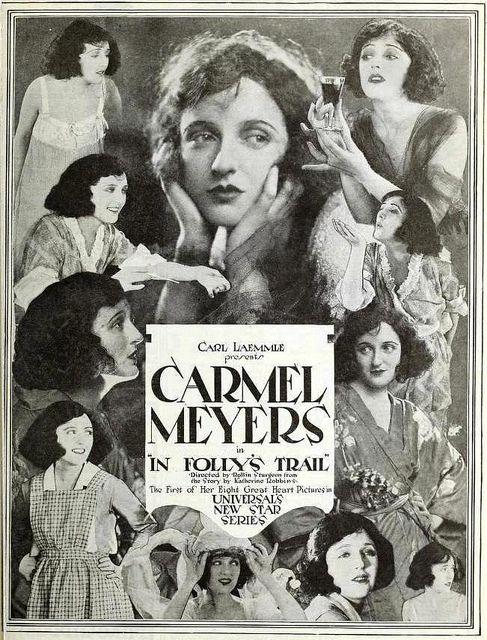
The year 1920, a nascent decade brimming with both glittering promise and lingering Victorian strictures, presented a fertile ground for cinematic exploration of societal mores, personal ambition, and the often-fraught dynamics of human relationships. Into this vibrant cultural tapestry steps In Folly's Trail, a silent drama that, even a century later, resonates with a timeless examination of love's precarious journey across the chasm of class and temperament. This is not merely a tale of boy meets girl, but a nuanced dissection of how external pressures and internal flaws conspire to test the very foundations of affection and commitment.
At its core, In Folly's Trail posits a compelling narrative of contrast, drawing a stark line between the earnest, perhaps even austere, world of the artist and the decadent, superficial realm of the nouveau riche. Charles Howard, portrayed by Thomas Holding with a blend of intellectual intensity and nascent naiveté, embodies the former. He is an artist, presumably dedicated to his craft, whose existence is upended by an invitation to Max Goldberg's weekend bacchanal. Goldberg, a millionaire social bounder whose very title suggests a certain vulgarity beneath the veneer of wealth, represents a powerful, if ethically ambiguous, force in this drama. His parties are not merely social gatherings; they are showcases of excess, designed to impress, to dazzle, and perhaps, to entrap. This initial setup immediately establishes a thematic tension reminiscent of other silent era critiques of wealth and morality, echoing the social commentary found in films like Sins of Great Cities, where urban affluence often concealed moral decay, or Public Opinion, which similarly dissected the influence of societal perception on personal integrity.
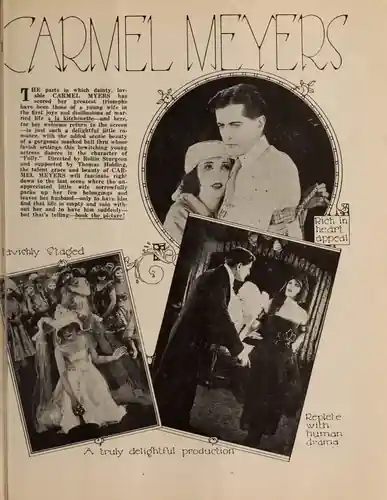
It is within this intoxicating, yet ultimately hollow, environment that Charles encounters Lita O'Farrell. Played by the luminous Carmel Myers, Lita is a singer, a performer, and thus, already existing on the fringes of polite society, regardless of her association with Goldberg. Her profession, while glamorous, would have carried a certain social stigma in 1920, placing her in a liminal space between the working class and the upper echelons. Goldberg, portrayed by George B. Williams, views Lita as an object of his affection, perhaps even a possession, his love for her tinged with the entitlement that often accompanies immense wealth. Myers imbues Lita with a captivating blend of vulnerability and resilience, making her attraction to Charles not just a plot device, but a genuine yearning for something beyond Goldberg's material offerings. Their mutual attraction, a silent understanding amidst the clamor of the party, forms the fragile genesis of their subsequent entanglement.
The decision for Charles and Lita to marry, despite their palpable doubts, marks the film's dramatic turning point. It's a leap of faith, or perhaps, a plunge into the unknown, driven by an initial spark that proves insufficient to bridge the profound chasm between their backgrounds and temperaments. This immediate post-nuptial disillusionment is a trope frequently explored in early cinema, where the romantic ideal of marriage often collided with the harsh realities of cohabitation and societal expectations. One might draw parallels to Marrying Molly, which likely explored similar themes of marital discord arising from mismatched expectations or social pressures. The film skillfully portrays how Charles's artistic sensibilities, which once might have seemed charmingly unconventional, quickly curdle into a cold, superior attitude once confronted with what he perceives as Lita's 'lack of breeding'. This phrase, loaded with the classism of the era, speaks volumes about the societal hierarchies that dictated acceptable behavior, speech, and even thought. Charles, for all his artistic sensitivity, reveals a deeply entrenched snobbery, unable to reconcile his romanticized image of Lita with the perceived imperfections of her actual background.
Lita, in turn, resents this patronizing demeanor. Her initial attraction to his artistic depth and perhaps his perceived intellectual superiority is eroded by his condescension. The film subtly suggests that her 'lack of breeding' is less about inherent character flaws and more about a different upbringing, a different understanding of social graces. Her resentment is entirely justified, highlighting the oppressive nature of such class distinctions. The quarrels, initially perhaps minor disagreements, escalate into fundamental clashes of values and identity, demonstrating how easily love can be suffocated by pride and prejudice. The tension builds, palpable and suffocating, leading Lita to a desperate, almost self-sacrificial act.
Lita's decision to return to Max Goldberg is a pivotal moment, showcasing a complex blend of desperation, agency, and a profound, albeit misguided, attempt at liberation. It is not a simple act of infidelity, but a calculated maneuver designed to provide Charles with undeniable grounds for divorce. This act, born of despair and a desire to escape an unbearable marital situation, speaks to the limited options available to women in that era, even those with a degree of independence like a singer. Her choice is a desperate bid for freedom, a stark contrast to the more straightforward redemptive arcs seen in films like The Girl Who Came Back, where moral rectitude often paved the way for a happier ending. Lita's path is fraught with moral ambiguity, making her character all the more compelling.
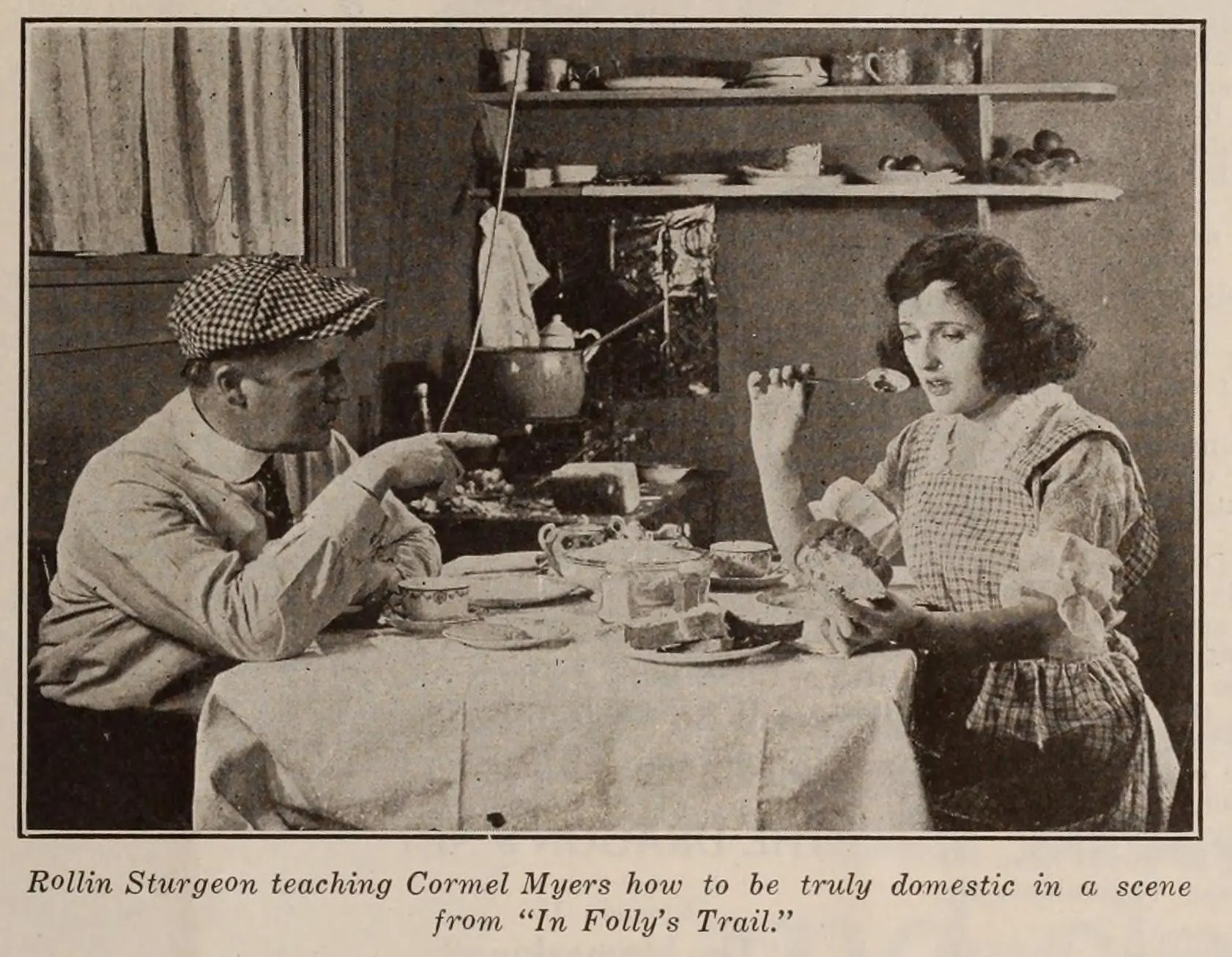
Charles's reaction is equally complex and revealing. Stung by a virulent jealousy, his initial disdain for Lita's perceived social shortcomings is momentarily eclipsed by a primal possessiveness. His threat to kill Goldberg is not merely an expression of rage, but a desperate assertion of his shattered pride and a violent protest against the perceived theft of his wife. This raw, unfiltered emotion, so characteristic of silent film melodrama, allows Thomas Holding to convey a profound internal struggle without uttering a single word. Goldberg, surprisingly, acts as a voice of reason, assuring Charles of Lita's safety and defusing the immediate threat of violence. This unexpected intervention from the 'villain' adds a layer of complexity to Goldberg's character, suggesting he may not be entirely malicious, but perhaps genuinely concerned for Lita's well-being, or at least pragmatic enough to avoid a deadly confrontation.
The climax of In Folly's Trail arrives with the revelation of Lita's pregnancy. This is the ultimate game-changer, a biological imperative that transcends social standing, personal resentments, and past follies. The impending arrival of a child fundamentally alters the emotional landscape for both Charles and Lita, forcing a re-evaluation of their priorities and their fractured relationship. It is a classic narrative device, often employed in silent films to provide a powerful catalyst for change and reconciliation, a symbolic rebirth for the couple. This trope is a potent reminder of life's cyclical nature and the profound impact of new beginnings, a theme that might find echoes in films like Redeeming Love, where a transformative event often leads characters towards a path of betterment, or The Chattel, where human bonds are tested and redefined by life's unexpected turns.
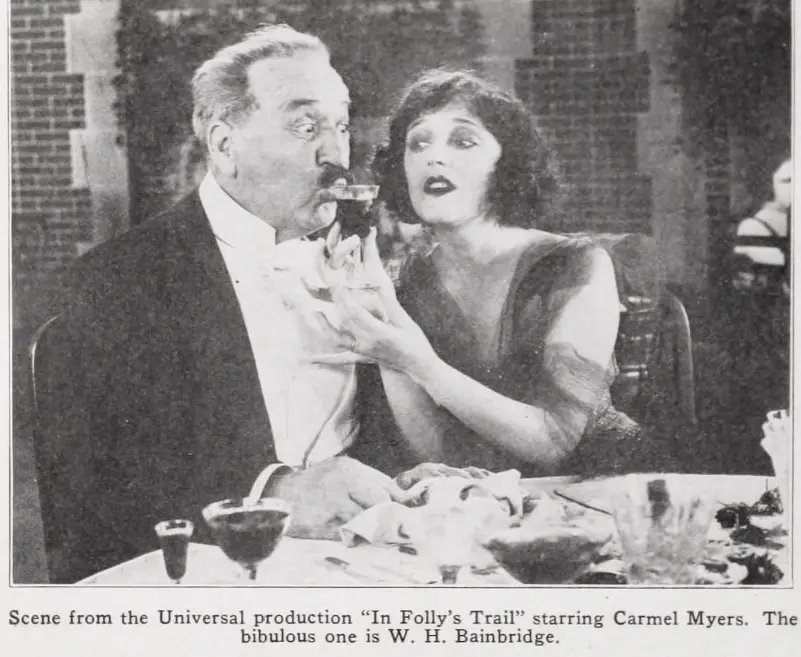
The discovery of the child becomes a beacon, illuminating a path forward from the emotional wreckage. It forces Charles to confront his own prejudices and Lita to perhaps forgive his past snobbery. Their decision to "make another effort to live happily together" is not presented as a sudden, magical cure, but rather a conscious, mature choice born of a shared responsibility. It's a pragmatic reconciliation, grounded in the profound implications of parenthood, rather than a naive return to an idealized romance. The film, in its quiet wisdom, suggests that true love, or at least a sustainable partnership, often requires more than initial attraction; it demands compromise, understanding, and a willingness to transcend personal shortcomings for a greater shared purpose. The ending, while offering hope, also leaves a lingering question: can they truly overcome the 'folly' of their past, or will the scars of class and temperament forever mark their trail?
The success of a silent film like In Folly's Trail hinges almost entirely on the expressive capabilities of its cast. Without dialogue, actors had to convey nuanced emotions, complex motivations, and dramatic shifts through facial expressions, body language, and carefully choreographed gestures. Carmel Myers, a prolific actress of the era, would have brought a compelling intensity to Lita O'Farrell. Her ability to project both vulnerability and strength, defiance and desire, would have been crucial in making Lita's morally ambiguous choices understandable and sympathetic. Similarly, Thomas Holding as Charles Howard would have needed to articulate the artist's initial aloofness, his burgeoning affection, his subsequent snobbery, and finally, his jealous rage and eventual paternal resolve. The shift from cold disdain to protective fury, and then to tentative hope, demanded a mastery of silent acting techniques.
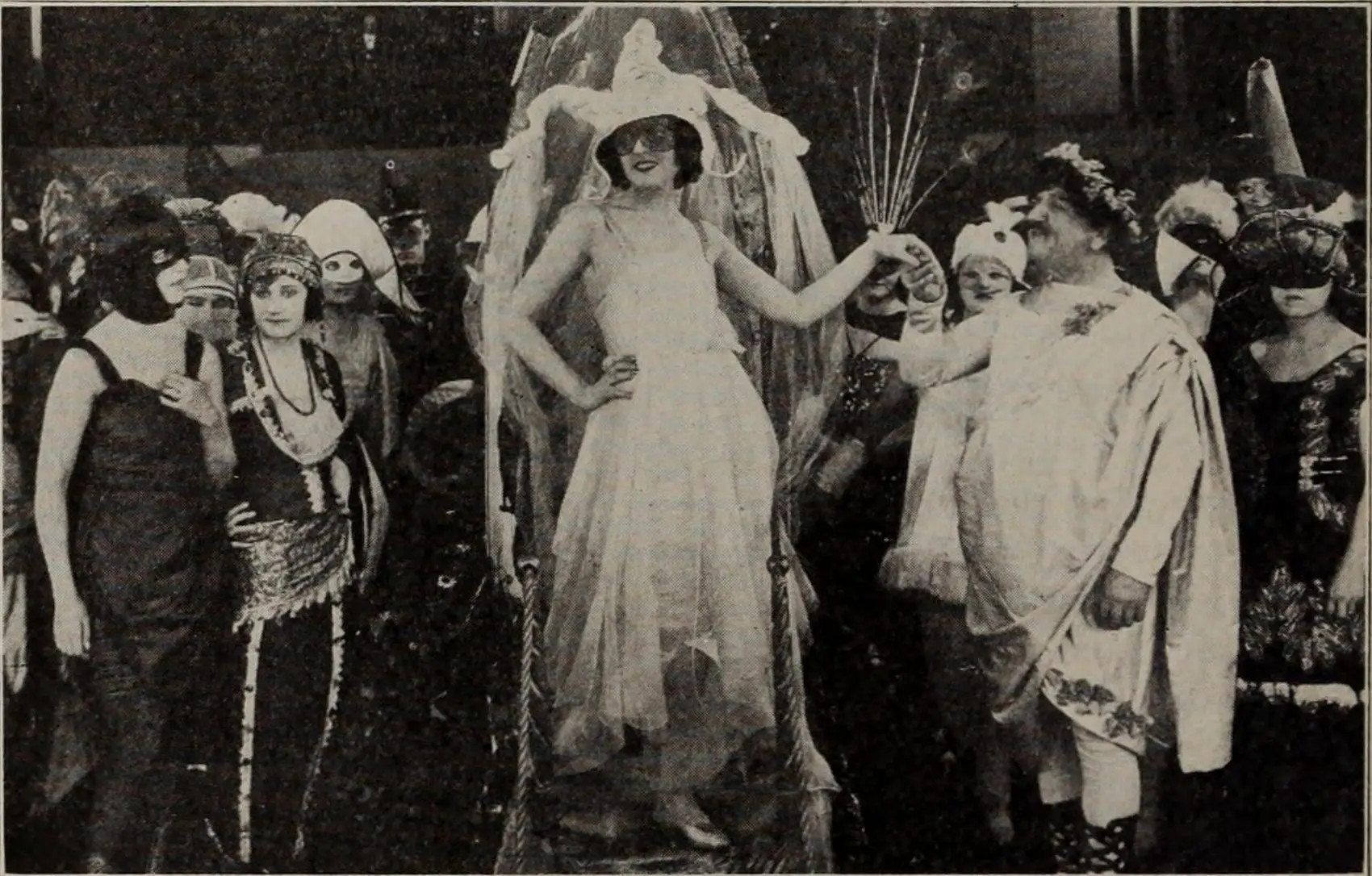
George B. Williams' portrayal of Max Goldberg is also vital. The plot description suggests a character who is more than just a one-dimensional villain. His capacity to assure Charles of Lita's safety and defuse the violent confrontation hints at a complexity that would have required subtle performance choices. He is the social bounder, yes, but perhaps also a man genuinely, if possessively, in love, or at least capable of a degree of honorable conduct under duress. The supporting cast, including Viola Lind, Beth Ivins, W.H. Bainbridge, and Arthur Clayton, would have contributed to the rich tapestry of the millionaire's party and the broader social landscape, each playing their part in establishing the atmosphere of the era. The collective artistry of these performers, guided by the writers Katherine Leiser Robbins and Doris Schroeder, would have breathed life into the intricate psychological drama, transforming simple intertitles into profound emotional declarations.
Ultimately, In Folly's Trail stands as a fascinating artifact of early 20th-century cinema, but more importantly, as a compelling human drama that transcends its historical context. It delves into universal themes: the intoxicating power of initial attraction, the corrosive effects of class prejudice, the destructive nature of jealousy, and the redemptive potential of shared responsibility. The film's nuanced portrayal of Lita's agency, even in a society that offered women limited choices, and Charles's journey from arrogant disdain to reluctant acceptance, lends it a depth that elevates it beyond mere melodrama. It reminds us that love is rarely a smooth path, often requiring profound self-reflection, forgiveness, and a willingness to confront one's own 'folly' in the pursuit of genuine connection.
The narrative's conclusion, with the promise of a child forcing a re-evaluation, is a testament to the enduring human capacity for growth and adaptation. It's a story that, despite its silent presentation and period setting, speaks volumes about the complexities of marriage, the enduring influence of social strata, and the unexpected catalysts that can reshape destiny. For those interested in the social commentary woven into the fabric of early Hollywood, or indeed, anyone captivated by tales of human resilience and the intricate dance between heart and societal expectation, In Folly's Trail offers a rich and thought-provoking experience. It is a testament to the power of cinema, even in its nascent form, to hold a mirror up to society and to the eternal struggles of the human heart, urging audiences to consider the paths they forge and the trails they leave behind.
IMDb 7
1931
Community
Log in to comment.