DbcultAccessing Vault...
Cult Review
Senior Film Conservator
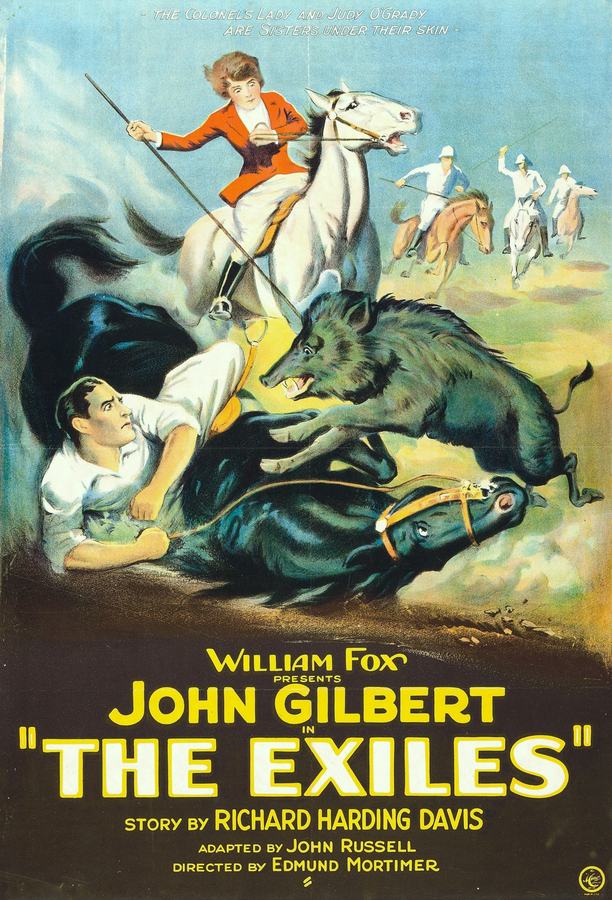
The silent era of the 1920s was characterized by a voracious appetite for the exotic, a period where the silver screen functioned as a magic carpet for an audience tethered to the domesticity of post-war recovery. In The Exiles (1923), we find a quintessential example of this cinematic wanderlust, though it is anchored by a narrative gravity that distinguishes it from the more frivolous travelogues of its day. This is not merely a tale of flight; it is a profound exploration of the fragility of reputation and the harrowing distance between justice and the law.
Margaret Fielding delivers a performance of quiet, vibrating intensity as Alice Carroll. Framed for a murder she did not commit, Alice does not merely flee; she evaporates. Her journey to Tangier is a masterclass in the visual language of paranoia. Unlike the protagonists in The Wharf Rat, who find themselves trapped by socioeconomic tides, Alice is a victim of a systemic failure that turns her very identity into a liability. The transition from the sharp, geometric shadows of the American courtroom to the chaotic, sun-drenched labyrinths of Morocco signifies a shift from a world of rigid rules to one of fluid morality.
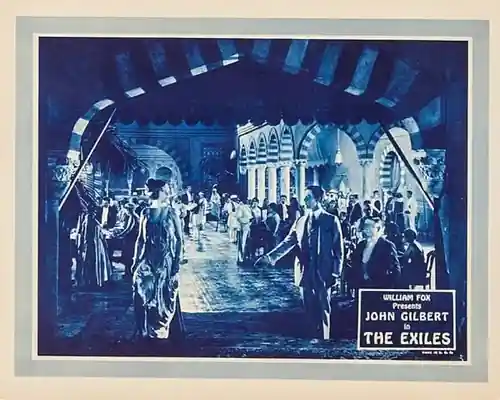
In Tangier, the film finds its true aesthetic footing. The production design captures the sensory overload of the marketplace—the dust, the heat, and the pervasive sense of being watched. It is here that Alice encounters Wilhelm von Linke, played with a chilling, oily sophistication by Fred Warren. Von Linke’s gambling den is a character in its own right, a claustrophobic space where the desperate come to trade their last vestiges of hope for a moment’s respite. It is a setting that rivals the tension found in Mysteries of the Grand Hotel, yet it feels more visceral, more grounded in the grit of the expatriate experience.
John Gilbert, before his ascent to the pinnacle of MGM stardom, displays here the raw magneticism that would eventually make him a legend. As Henry Holcombe, the District Attorney, Gilbert must navigate a difficult emotional arc: from the arrogant certainty of a prosecutor to the humbled desperation of a man seeking to undo a life-shattering error. His performance is a fascinating study in the burden of responsibility. When Holcombe discovers Alice’s innocence, the film shifts into a race against time, but it is also a race against his own conscience.
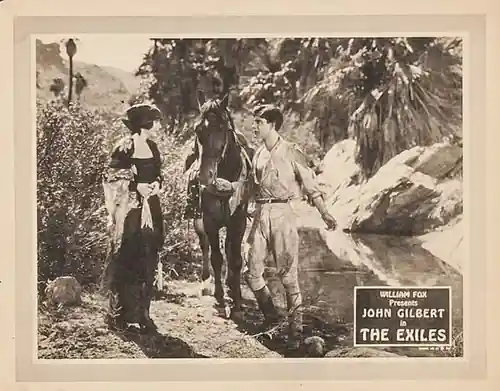
The chemistry between Fielding and Gilbert is subtle, built on a foundation of mutual trauma rather than traditional romantic tropes. Their reunion in the den of Von Linke is the film’s emotional apex. Holcombe is no longer the representative of the law; he is a man standing outside of it, pleading for the life of a woman he helped destroy. This thematic depth elevates The Exiles above contemporary melodramas like Heart of Gold, which often relied on more sentimental resolutions.
Visually, the film anticipates the noir movement by nearly two decades. The use of high-contrast lighting in the Moroccan night scenes creates a world of moral ambiguity. The camera lingers on the faces of the gamblers—a motley crew of international castoffs—reminding us that Alice is but one of many who have lost their way. This focus on the collective experience of the displaced is a sophisticated touch, echoing the ensemble dynamics found in The World's a Stage.
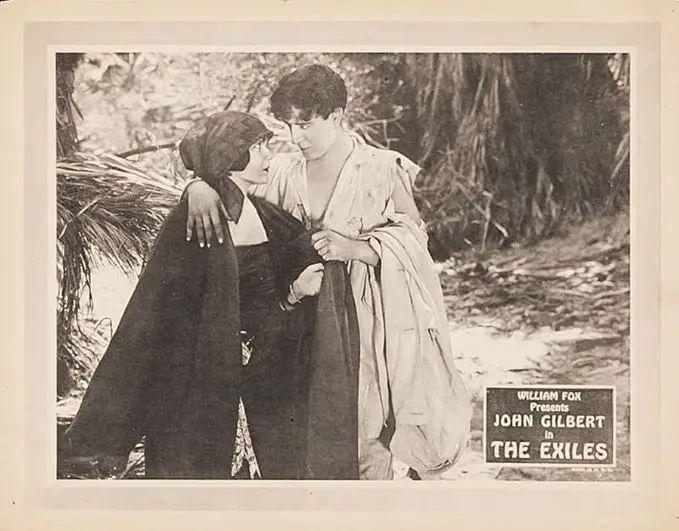
The screenplay, penned by a trifecta of talent including Richard Harding Davis, ensures that the pacing remains relentless. Davis, known for his adventure stories, infuses the script with a sense of genuine peril. The dialogue (conveyed through title cards) is sparse but evocative, avoiding the flowery excesses that often plagued silent cinema. Instead, the film relies on the physical language of its actors. John Webb Dillion and Betty Bouton provide excellent support, rounding out a cast that feels lived-in and authentic to the gritty setting.
One cannot help but draw parallels between the gambling metaphors in this film and those in The Turn of the Wheel. In both films, the roulette wheel serves as a cruel deity, deciding the fates of the innocent and the guilty alike. However, The Exiles adds a layer of political intrigue that is missing from more localized dramas. The international setting amplifies the stakes; if Alice is caught or killed in Tangier, she becomes a ghost in the machinery of global bureaucracy.
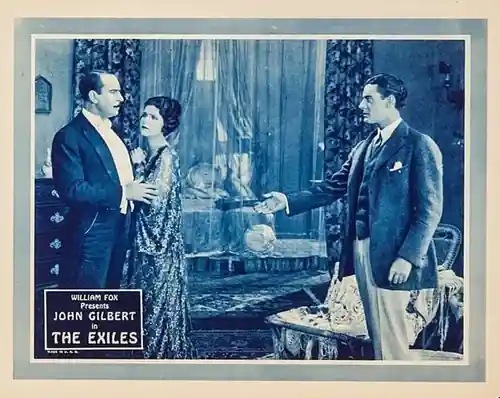
The film also touches upon the theme of hidden truths, a concept explored with less nuance in The Hidden Light. Here, the truth is not a beacon of hope but a heavy burden that Holcombe must carry across an ocean. The physical distance he travels to deliver this truth underscores the scale of the injustice Alice suffered. It is a narrative choice that makes the eventual resolution feel earned rather than manufactured.
Fred Warren’s portrayal of Von Linke deserves special mention. In the pantheon of silent film villains, he is remarkably restrained. He does not twirl a mustache or engage in histrionics. Instead, he exerts power through psychological manipulation and economic control. He is the personification of the "shady European" archetype that would become a staple of North African-set films for decades. His control over Alice is not physical; it is the control of a predator over a creature that has nowhere else to run. This dynamic adds a layer of psychological horror to the second half of the film, making Holcombe’s arrival feel like a genuine rescue from a spiritual abyss.
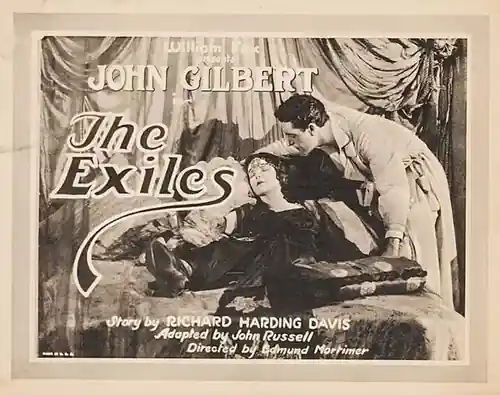
The film’s climax, set amidst the swirling smoke and clicking chips of the gambling hall, is a masterclass in tension. The editing accelerates, cutting between the desperate faces of the gamblers and the approaching figure of Holcombe. It is a sequence that rivals the intensity of ¡Cuidado con los ladrones!, yet it maintains a focus on character that keeps the stakes personal. When the truth is finally revealed, it doesn't just clear Alice's name; it shatters the artificial world Von Linke has built around her.
Ultimately, The Exiles is a triumph of atmosphere and character-driven storytelling. It manages to be both a thrilling adventure and a somber meditation on the nature of guilt and exoneration. While it shares some DNA with the domestic dramas of the time, such as the early adaptations of Little Women, its heart beats with a much more cynical and modern rhythm. It is a film that understands that even when the law is satisfied, the scars of the accused remain.
For fans of John Gilbert, this is essential viewing. It showcases his ability to carry a film through sheer presence, even when the narrative demands him to be at his most vulnerable. Margaret Fielding, too, is a revelation, providing a bridge between the Victorian heroines of the past and the more complex, embattled women of the coming sound era. In the broader context of silent cinema, The Exiles stands as a testament to the power of the medium to transcend borders and explore the darkest corners of the human experience.
As the credits roll (or rather, as the final iris closes), one is left with a sense of the immense scale of the world and the tiny, fragile connections that keep us from falling into the void. It is a sentiment echoed in Just a Song at Twilight, but here it is presented with a grit and urgency that feels remarkably contemporary. The Exiles is a journey worth taking, a reminder that even in the furthest reaches of the world, our past has a way of finding us—and sometimes, if we are lucky, it brings with it a chance for mercy.

IMDb 6.7
1936
Community
Log in to comment.