DbcultAccessing Vault...
Cult Review
Senior Film Conservator
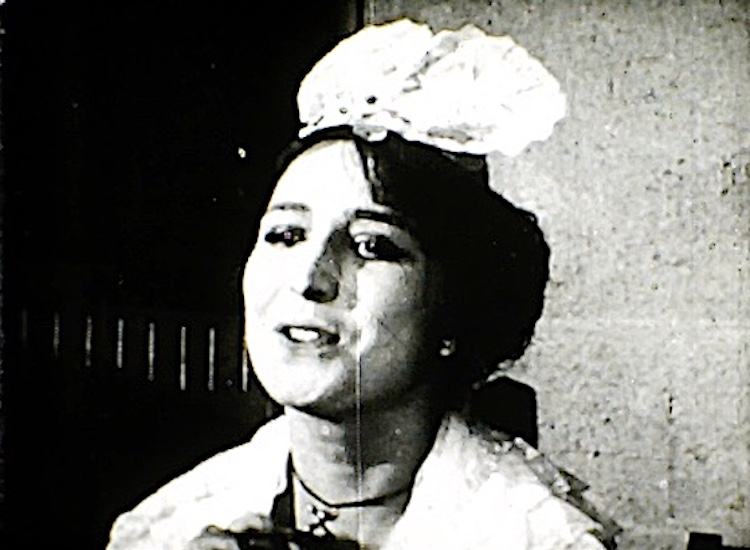
The flickering shadows of early cinema often found their most potent expression in the grand, sweeping narratives of human emotion, and few films encapsulate this better than André Hugon's Notre Dame d'amour. A veritable feast for the senses, despite its silent nature, this cinematic masterpiece plunges viewers headfirst into the untamed heart of the Camargue, a region of France as wild and passionate as the characters who inhabit it. Here, amidst the salt marshes, the wild horses, and the formidable bulls, a tale of love, jealousy, and devastating revenge unfolds with an intensity that belies its age, proving that the raw power of human drama transcends the spoken word.
From the very outset, Hugon establishes the Camargue not merely as a setting, but as an active participant in the unfolding tragedy. Its desolate beauty, its harsh sunlight, and its unpredictable temperament mirror the tumultuous inner worlds of Jean Toulout, Person-Dumaine, Hélène Pépée, and their entangled cohort. The vast, open spaces speak of both freedom and inescapable fate, while the close-knit, traditional communities represent a crucible where reputations are forged and shattered with equal ferocity. This integration of environment and narrative is a hallmark of truly profound filmmaking, elevating Notre Dame d'amour beyond a simple melodrama into a profound study of how place shapes destiny. One cannot help but draw parallels to the way other films, like Beau Revel, attempt to imbue their settings with such palpable life, though few achieve the same visceral connection.
At the core of this tempestuous narrative lies a love triangle, rendered with a psychological depth that feels remarkably modern. Hélène Pépée, whose performance is nothing short of captivating, portrays the eponymous 'Notre Dame d'amour' – the object of fervent devotion and destructive obsession. Her character, likely a woman of formidable spirit and undeniable allure, finds herself caught between the intense affections of two men. Jean Toulout, with his brooding intensity, embodies the passionate, perhaps possessive, suitor whose love quickly sours into a corrosive jealousy. His every gesture, every shadowed glance, conveys a man teetering on the precipice of emotional collapse. Contrasting him is another key figure, possibly played by Person-Dumaine or Antonin Berval, who offers a different kind of love, perhaps more gentle, more stable, but ultimately equally vulnerable to the machinations of a wounded heart. The dynamic is reminiscent of the intricate emotional webs woven in films such as The Probation Wife, where personal desires clash with societal expectations and individual moral compasses.
The writers, Jean Aicard and André Hugon, demonstrate a profound understanding of human nature, charting the subtle shifts from affection to obsession, from slight to unforgivable betrayal. They understand that jealousy is not a sudden eruption but a slow, insidious poison, seeping into every crack of a relationship until it ultimately shatters the foundation. The film masterfully portrays the psychological unraveling, allowing the audience to witness the characters' descent into darker impulses, making their subsequent actions, however extreme, feel tragically inevitable. This is not a simplistic villainy but a complex tapestry of human frailty and misjudgment.
Revenge, in Notre Dame d'amour, is not merely a plot device but a meticulously crafted psychological journey. It's a simmering cauldron of resentment that eventually boils over, engulfing everyone in its path. The film avoids cheap thrills, instead opting for a slow, agonizing build-up, where the audience is privy to the conspiratorial whispers and the clandestine actions that pave the way for ultimate retribution. Charles de Rochefort, Claude Mérelle, and Irène Sabel, though perhaps in supporting roles, undoubtedly contribute to this escalating tension, embodying the societal pressures, the gossip, and the secondary players whose actions often inadvertently fan the flames of conflict. This intricate plotting of revenge recalls the deliberate, almost theatrical pacing seen in films like The Power of Love, where the consequences of personal vendettas ripple outwards with devastating effect.
The Camargue's isolation accentuates this sense of inescapable fate. There is no easy escape from the consequences of one's actions when the eyes of the community are constantly upon you, and the vast, unforgiving landscape offers little solace or concealment. Every secret is eventually unearthed, every betrayal brought into the harsh light of day. This creates a claustrophobic atmosphere despite the open spaces, a testament to Hugon's directorial acumen in manipulating both physical and emotional geography.
In a silent film, the burden of conveying complex emotions falls squarely on the shoulders of the actors, and the ensemble of Notre Dame d'amour rises to the challenge with astounding grace and power. Jean Toulout, a name synonymous with gravitas in early French cinema, delivers a performance that oscillates between smoldering passion and chilling malevolence. His eyes, even through the grainy texture of aged film, convey a universe of pain and anger. Hélène Pépée, as the central figure, commands the screen with a nuanced portrayal of vulnerability and strength, her expressions shifting from tender affection to profound despair with effortless fluidity. Her ability to communicate the weight of her predicament without uttering a single word is a masterclass in silent acting, arguably placing her among the ranks of compelling female leads seen in films like Fires of Youth.
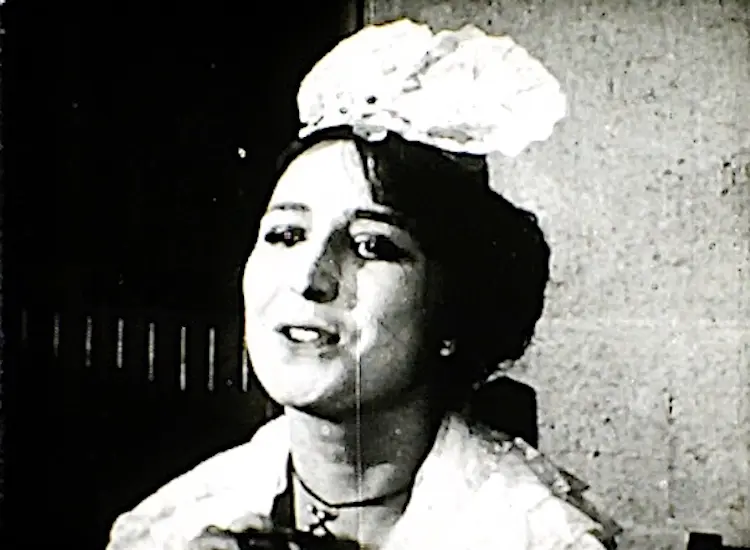
Person-Dumaine and Antonin Berval, likely playing the other points of the triangle or significant supporting roles, provide crucial counterpoints, their performances adding layers of complexity to the emotional maelstrom. The subtle gestures, the prolonged gazes, the dramatic flourishes – all are meticulously choreographed to create a symphony of unspoken dialogue. Even the minor characters, like those potentially portrayed by Claude Mérelle and Irène Sabel, contribute significantly to the film's rich texture, their reactions and interactions serving as a Greek chorus to the central tragedy. This collective brilliance ensures that the emotional core of Aicard's story is not just understood but deeply felt by the audience.
André Hugon's direction is the invisible hand guiding this intricate dance of emotions. His command of visual storytelling is evident in every frame, from the expansive vistas of the Camargue that dwarf human figures, emphasizing their vulnerability, to the claustrophobic close-ups that magnify their inner torment. Hugon understands the power of symbolism, employing the region's natural elements – the relentless sun, the swirling mistral, the untamed wildlife – as metaphors for the characters' own untamed passions. The cinematography is breathtaking, capturing the stark beauty and raw energy of the landscape in a way that feels both documentary-like and operatic. He uses light and shadow with an artist's precision, sculpting faces and forms to convey mood and psychological states, a technique that would later become a hallmark of cinematic expressionism.
Hugon's pacing, too, is masterful. He allows moments of quiet contemplation to breathe, building suspense through lingering shots and subtle reactions, before unleashing bursts of dramatic action. This ebb and flow creates a rhythm that draws the audience deeper into the narrative, making the eventual climax all the more impactful. His ability to translate Jean Aicard's literary vision into such a visually compelling and emotionally resonant film is a testament to his skill and foresight as a director. One might even compare his adeptness at crafting a compelling human drama against a specific backdrop to the focused intensity of The Gunfighter, albeit in a vastly different genre.
Decades after its initial release, Notre Dame d'amour remains a compelling artifact of early French cinema, a poignant reminder of the power of silent storytelling. It stands as a testament to the enduring themes of love, jealousy, and revenge, which continue to captivate audiences regardless of the era. The film's psychological realism, its stunning visual artistry, and its powerful performances ensure its place as more than just a historical curiosity; it is a vibrant, living piece of cinematic art that speaks to the timeless struggles of the human heart. While many films of its time focused on simpler narratives or comedic escapism, like What's Your Hurry? or The Chinese Honeymoon, Notre Dame d'amour dared to delve into the darker, more complex facets of human experience.
Its influence can be seen in later works that explore similar themes of passionate conflict against evocative backdrops. The film transcends its technological limitations, using them instead as a canvas for profound emotional expression. For anyone seeking to understand the roots of cinematic drama, the evolution of acting, or simply to be swept away by a powerful story, Notre Dame d'amour offers an experience that is both intellectually stimulating and deeply moving. It is a film that lingers in the mind, much like the haunting beauty of the Camargue itself, a reminder that some stories, like some landscapes, are etched forever into the soul.
While it might not share the overt action of a film like The Trail of the Holdup Man or the lightheartedness of Young King Cole, its dramatic tension is arguably more potent, building through psychological warfare rather than physical confrontation. The film's ability to maintain such a grip on the audience without dialogue is a testament to the universal language of human emotion and the mastery of its creators. It is a work that deserves rediscovery, a beacon of early French cinema that continues to resonate with contemporary audiences willing to immerse themselves in its silent, yet profoundly articulate, world.
In an era where cinema was still finding its voice, Notre Dame d'amour spoke volumes through its imagery, its performances, and its unwavering gaze into the tempestuous heart of humanity. It is a film not just to be watched, but to be experienced, allowing its raw emotions and stunning visuals to wash over you, much like the tides of the Camargue themselves. For those who appreciate the artistry of silent film and the timeless appeal of a gripping human drama, this is an essential viewing experience that will undoubtedly leave a lasting impression.

IMDb 5.9
1916
Community
Log in to comment.