DbcultAccessing Vault...
7.2/10
Senior Film Conservator
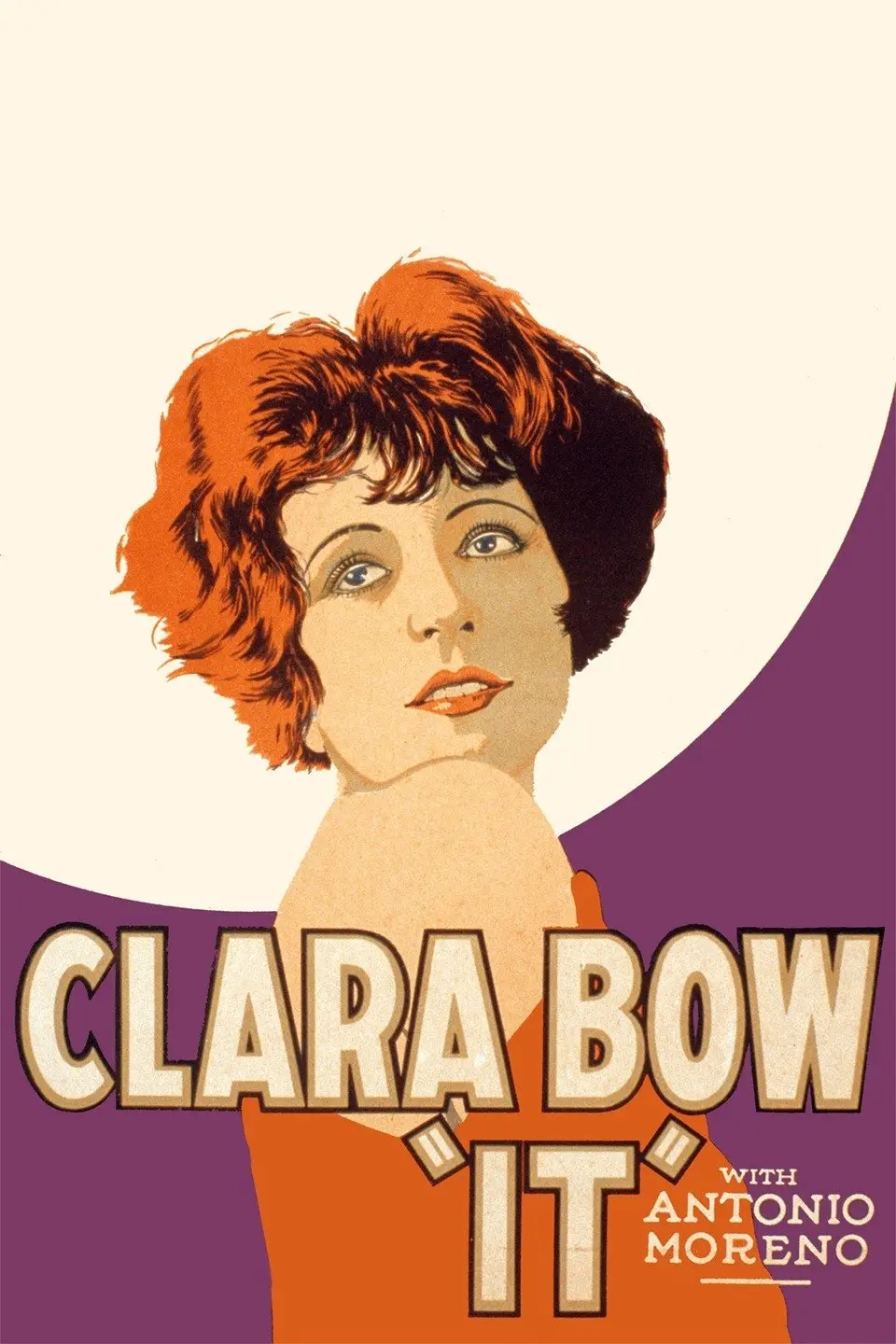
A definitive 7.2/10 rating for a film that redefined the boundaries of cult cinema. It remains a cornerstone of transgressive art.
Does It hold up in the modern era of cinema? The short answer is a resounding yes, but with caveats. This film is an essential watch for cinephiles interested in the birth of star power and the Roaring Twenties' cultural shifts, yet it might test the patience of viewers accustomed to rapid-fire narratives and complex modern themes.
At its core, It is a fascinating time capsule, a cultural touchstone that introduced the world to an electrifying new kind of female star. It's not merely a film; it's the genesis of a phenomenon, the moment Clara Bow became the "It Girl" – a phrase, and a persona, that permeated popular culture with unparalleled force.
This film works because:
This film fails because:

You should watch it if:
To discuss It without immediately spotlighting Clara Bow would be a critical oversight of the highest order. This film is, unequivocally, her vehicle. She doesn't just play Betty Lou Spence; she embodies the very essence of youthful, unbridled charisma that the term "It Girl" came to represent. From the moment she bursts onto the screen, radiating a kinetic energy in the department store, her every gesture, every mischievous glance, every confident stride screams star power. She is a force of nature, a whirlwind of charm that the camera simply adores.
Bow’s performance is a masterclass in silent acting. She communicates volumes without a single spoken word, relying on expressive eyes, a captivating smile, and a physicality that perfectly balances playful flirtation with genuine vulnerability. Her ability to convey both the raw ambition of a working-class girl and the innocent yearning of a romantic lead is remarkable. Consider the scene where she first spots Cyrus Waltham Jr. across the bustling store floor. Her gaze isn't just admiration; it's a strategic assessment, a spark of determination igniting in her eyes that telegraphs her intentions with crystal clarity.
It’s a debatable opinion, but I contend that Bow’s performance here transcends mere acting; it's a sociological phenomenon captured on celluloid. She wasn't just playing a character; she was defining a generation's ideal of modernity and female agency. The film, in many ways, serves as a blueprint for the independent, spirited woman who wasn't afraid to pursue what she wanted, whether it was a career, a social standing, or a wealthy man.
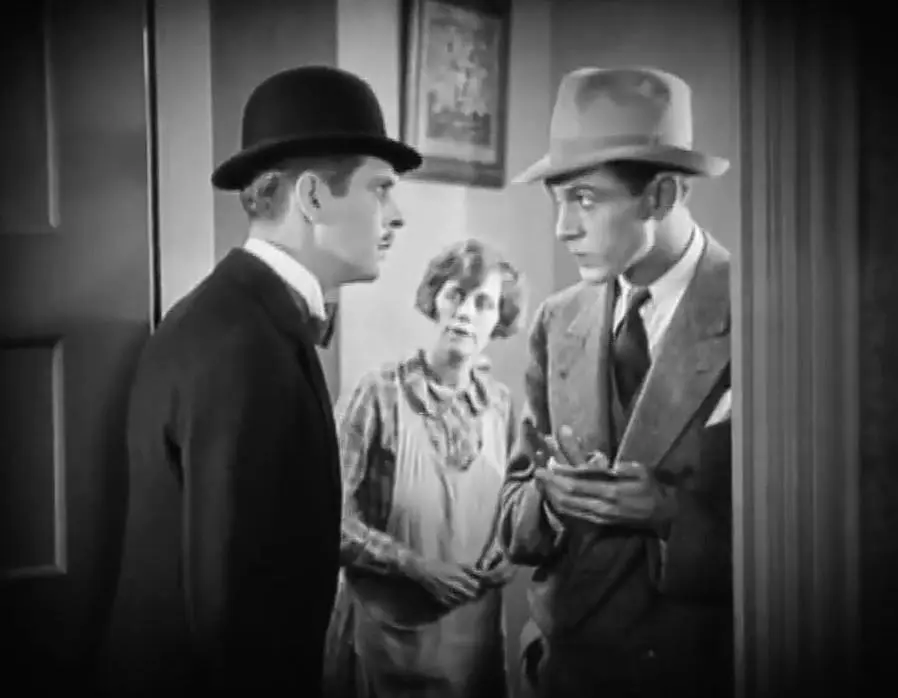
Beyond Bow’s undeniable charm, It functions as a compelling historical document, offering a vibrant snapshot of the Roaring Twenties. The film vividly portrays the burgeoning consumer culture, the changing social norms, and the stark class distinctions of the era. The department store, where much of the early action unfolds, is not just a setting; it’s a microcosm of American society, a place where dreams were sold alongside dresses and where social mobility felt tantalizingly within reach.
The fashion, the hairstyles, the automobiles, even the leisure activities depicted – from yachting to picnics – all contribute to a rich tapestry of 1920s life. The film subtly highlights the contrast between Betty Lou’s modest existence and the opulent world of Cyrus Waltham Jr., yet it also suggests that personal magnetism, or "It," could bridge that divide. This was a revolutionary concept for its time, hinting at a meritocracy of personality over pedigree.
Elinor Glyn, the novelist who coined the term "It" and appears in a cameo, offers her definition within the film itself: "Self-confidence and indifference to whether you are pleasing or not." This definition, delivered with an almost regal authority, encapsulates the film's core message and its cultural impact. It was a call to embrace individuality and inner strength, a message that resonated deeply with a generation eager to break from Victorian constraints.
Directed by Clarence Badger, It is a well-crafted silent film, adhering to the conventions of its time while allowing its star to shine. Badger’s direction is competent, if not groundbreaking. He understands the power of the close-up, frequently utilizing it to emphasize Bow’s expressive face and convey her internal thoughts and emotions without the need for excessive intertitles. This is particularly evident in scenes where Betty Lou is strategizing her next move, her eyes darting, a subtle smile playing on her lips.
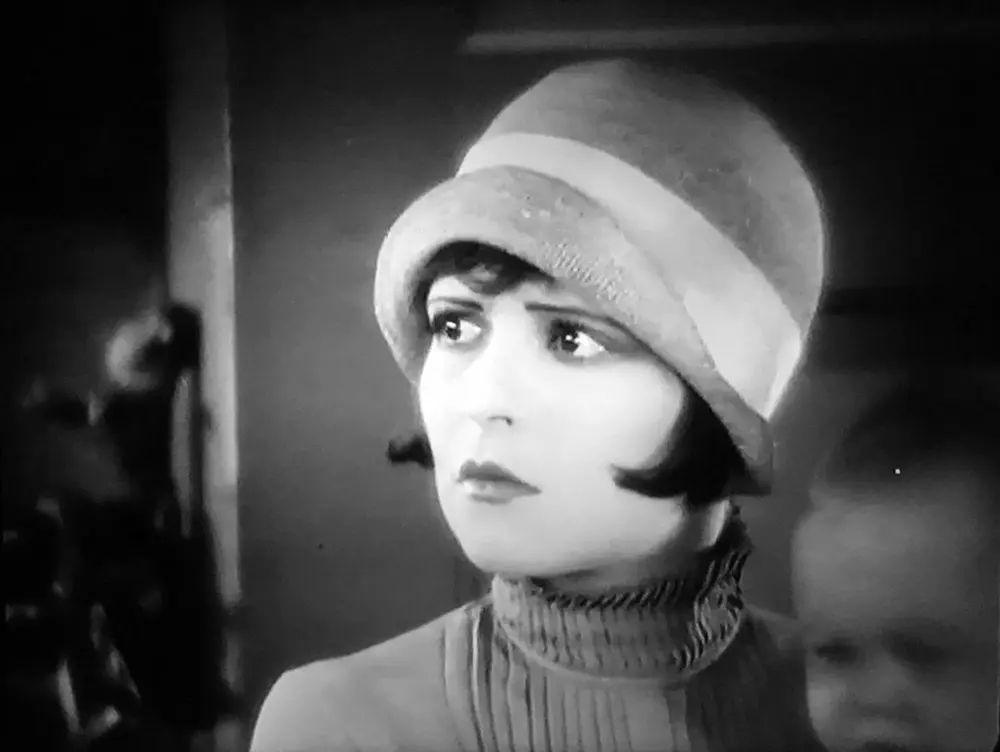
However, the pacing, as is often the case with silent films, can feel somewhat languid by contemporary standards. There are moments where scenes linger a beat too long, or where exposition is delivered through multiple intertitles that could have been condensed. For a modern audience accustomed to the rapid-fire editing of films like The Pace That Thrills, this deliberate rhythm may require a period of adjustment. Yet, this slower pace also allows for a greater appreciation of the visual storytelling and the nuanced performances.
One particularly effective sequence involves Betty Lou’s elaborate plan to get invited to Waltham’s yacht party. The meticulous, almost comedic, steps she takes – from borrowing a dress to fabricating a backstory – are clearly laid out, building a sense of anticipation. Badger lets these moments breathe, allowing the audience to savor Betty Lou’s ingenuity and the inevitable comedic tension that arises from her deception.
While Clara Bow is undeniably the sun around which It orbits, the supporting cast provides a solid foundation. Antonio Moreno, as Cyrus Waltham Jr., plays the handsome playboy with a charming stiffness that perfectly contrasts with Bow’s effervescence. He embodies the societal ideal of a wealthy bachelor, initially aloof but gradually captivated by Betty Lou’s unconventional allure. His transformation from a detached businessman to a smitten suitor is subtle but effective, conveyed through softening expressions and increasingly attentive gazes.
A young Gary Cooper also makes an early, uncredited appearance, adding a touch of future star power to the ensemble. His presence, brief as it is, serves as a fascinating footnote for anyone tracking the trajectories of Hollywood legends, much like observing early roles in films such as Lazybones. William Austin, as the perpetually flustered valet, acts as a reliable source of comedic relief, his exaggerated reactions a staple of silent film humor. Priscilla Bonner, as Betty Lou's friend and confidante, provides a grounded counterpoint to Bow's more flamboyant character.
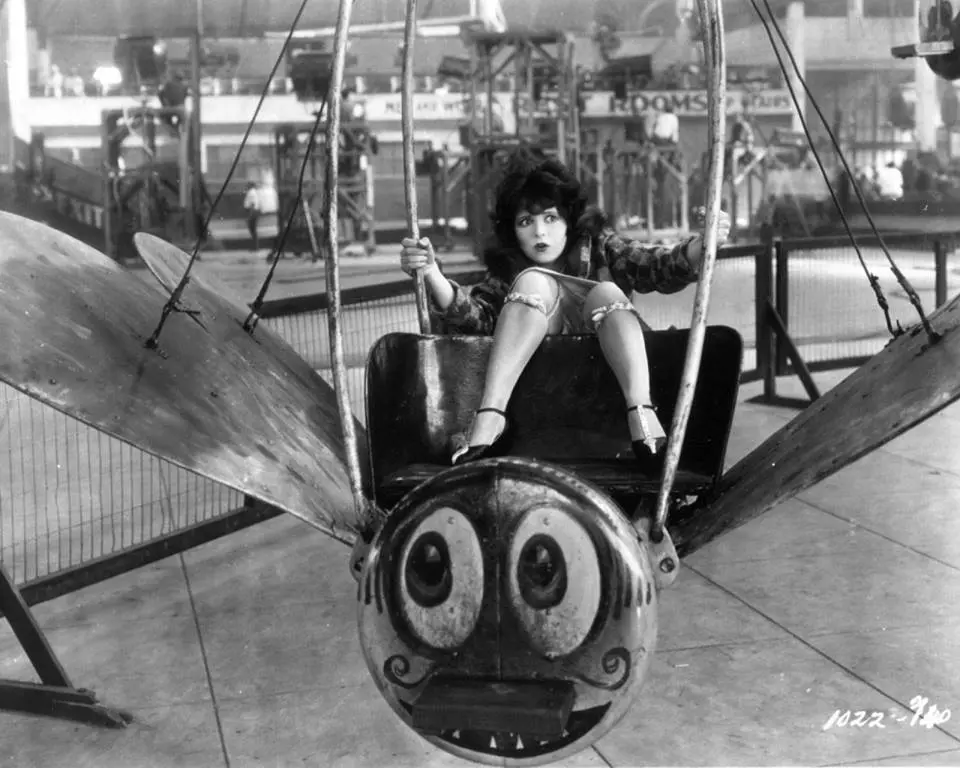
The cast works together to create a believable, if somewhat theatrical, world. The performances are broad enough for the silent medium but never descend into caricature, maintaining a level of sincerity that keeps the audience invested in Betty Lou’s journey.
The cinematography in It, handled by H. Kinley Martin, is competent and serves the narrative well, though it rarely reaches the artistic heights of some of the era's more experimental films. The lighting is generally bright and functional, ensuring clarity, which was paramount in silent cinema. However, there are moments of striking visual storytelling.
The contrast between the cramped, bustling department store and the spacious, opulent yacht is effectively rendered through set design and camera placement. The department store scenes feel dynamic and energetic, reflecting Betty Lou’s inherent vitality, while the yacht scenes exude an air of sophisticated leisure, highlighting the world she aspires to enter. The use of close-ups on details like Betty Lou's fashionable hat or a significant letter also helps to advance the plot visually.
One particularly effective visual moment is the famous "It" test, where Elinor Glyn herself assesses Betty Lou's indefinable quality. The camera focuses intently on Bow, allowing her natural magnetism to fill the frame, leaving no doubt as to why she was chosen for the role. It’s a moment of meta-commentary that solidifies the film’s central premise.
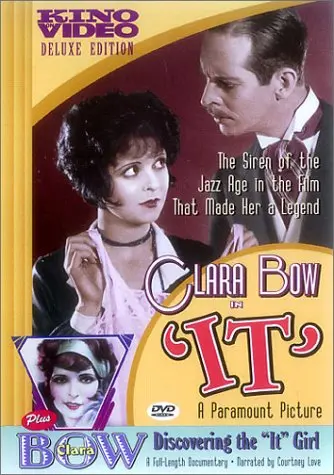
Absolutely. It is not merely a historical curiosity; it’s a vibrant, entertaining romantic comedy that still charms. While the technological limitations of silent film are evident, Clara Bow’s performance transcends them.
It offers a unique window into a pivotal moment in Hollywood history. You get to see the birth of a star and a cultural phenomenon. The story is simple, but effective. The themes of class, ambition, and personal charisma remain relevant. It works. But it’s flawed. Yet, its strengths far outweigh its weaknesses, making it a valuable viewing experience for any serious film enthusiast.
"Clara Bow wasn't just acting; she was electricity bottled and projected onto the screen. Her 'It' was real, palpable, and utterly infectious."
It is more than just a film; it’s a cultural touchstone, a historical artifact, and a star-making vehicle that solidified Clara Bow’s place in cinematic history. While its plot might not dazzle with intricate twists or profound philosophical depths, it serves its purpose admirably: to showcase the raw, untamed charisma of its leading lady. Bow’s performance is so electrifying, so utterly captivating, that it transcends the limitations of its silent format and the conventionality of its story.
Despite moments where the pacing drags, or where the supporting characters feel like mere props, the film’s strengths are undeniable. It offers a delightful escape into the effervescent spirit of the Roaring Twenties and a rare opportunity to witness the birth of a genuine icon. Is it a perfect film? No. But its imperfections are part of its charm, a reminder of a bygone era where personality could indeed conquer all.
For anyone with even a passing interest in film history, the evolution of stardom, or simply a desire to be charmed by an unparalleled screen presence, It is an essential watch. It’s a joyous, spirited experience that reminds us why the magic of cinema, even without sound, can be so profoundly affecting. Go see It. You won’t regret it.
IMDb 2.9
1915
Community
Log in to comment.