DbcultAccessing Vault...
Cult Review
Senior Film Conservator
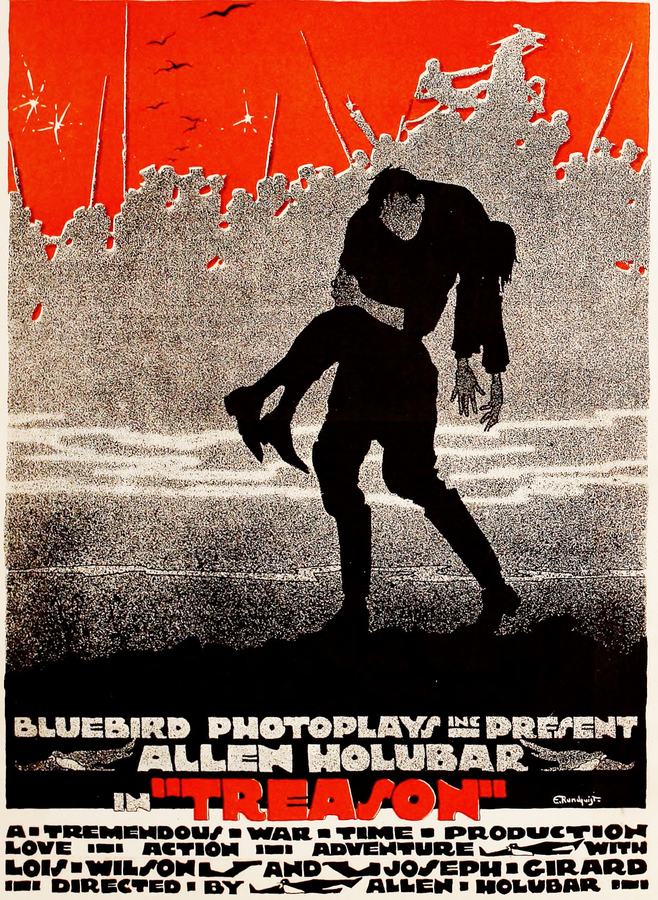
In the annals of early cinema, few films manage to capture the intricate dance between patriotism and personal grievance with the raw intensity of Treason. Released in 1917, amidst the tumultuous backdrop of a world engulfed in conflict, this silent drama, penned by Robert Lee Weigert, delves deep into the psychological labyrinth of a man pushed to the brink by both external enemies and internal betrayals. It's a narrative that, despite its vintage, resonates with timeless questions about loyalty, justice, and the corrosive nature of unfulfilled promises. The film isn't merely a period piece; it's a profound exploration of human fallibility and the complex pathways to redemption, making it a compelling study for anyone fascinated by the genesis of cinematic storytelling and its capacity for moral inquiry.
The story pivots around Pettrus Baariot, portrayed with a compelling blend of earnestness and later, profound despair by George C. Pearce. From the outset, Pettrus is depicted as an unlikely hero, a telegraph operator whose quiet diligence belies a keen intellect and unwavering courage. When Stratiria’s military efforts hang precariously in the balance, threatened by a meticulously placed enemy spy, it is Pettrus who discerns the danger. His quick thinking and decisive action in intercepting and neutralizing the infiltrator, followed by the crucial transmission of a message that ultimately saves his nation from certain defeat, mark him as a figure of immense significance. This initial act of heroism is depicted with a palpable tension, leveraging the nascent techniques of silent film to convey urgency and danger without a single spoken word. The visual storytelling, relying on close-ups of frantic telegraph keys and the strained expressions of military strategists, effectively immerses the viewer in the high-stakes environment. One might draw parallels to the stark heroism found in films like The Tide of Death, where individual actions dramatically alter the course of larger conflicts, underscoring the profound impact of a single person's resolve.
Pettrus’s selfless bravery is met with the promise of a promotion, a tangible reward for his immense sacrifice, especially given the severe wounds he sustains. This period of recovery, however, becomes the breeding ground for a far more insidious threat than any enemy spy: the treachery of Danick Rysson, a government official portrayed with a chilling blend of ambition and duplicity by Burton Law. Rysson’s machinations are driven by a base desire for Floria Natarre, Pettrus's beloved, brought to life with grace and resilience by Dorothy Davenport. The film masterfully illustrates how personal ambition can corrupt public service, turning a figure meant to uphold the state into its most venomous internal adversary. Rysson’s calculated humiliation of Pettrus—a public stripping of his promised recognition—is a pivotal moment, plunging our hero into a chasm of bitterness and despair. This narrative beat is handled with a stark emotional honesty, showcasing the fragility of honor in a world governed by power and self-interest. The contrast between Pettrus's selfless act and Rysson's selfish maneuvering creates a powerful dramatic tension, exploring themes akin to those in A Fool There Was, where moral compromise leads to devastating personal consequences.
The film then ventures into truly dark territory. Embittered, humiliated, and feeling utterly abandoned by the very nation he saved, Pettrus becomes vulnerable to the insidious overtures of the enemy. His decision to steal the new telegraph code, a document of paramount strategic importance, is not portrayed as an act of pure malice, but rather as a desperate, misguided lashing out—a tragic consequence of profound disillusionment. This descent into what can only be described as a form of self-sabotage is handled with remarkable psychological nuance for a silent film. Pearce’s performance here is particularly poignant, conveying the internal struggle, the gnawing resentment, and the ultimate, agonizing choice to betray. It's a stark reminder that heroes are not immune to human weakness, especially when their sacrifices are met with ingratitude. The film dares to ask: what is the breaking point for a patriot? This moral ambiguity and the exploration of a protagonist's fall from grace echo the complex character arcs found in contemporary dramas like Redemption, where the path to atonement often begins with profound error.
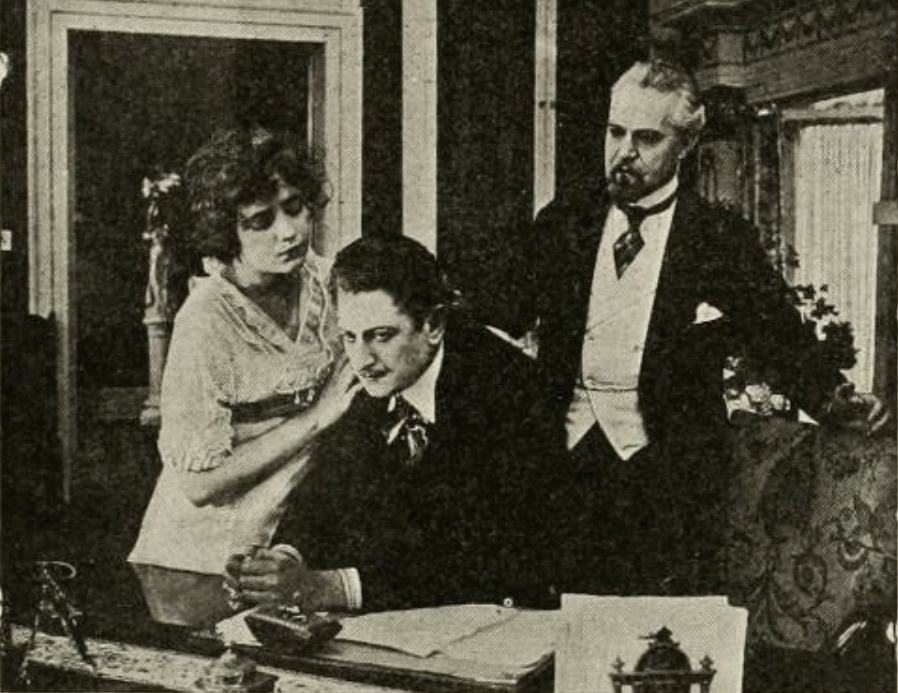
Just as Pettrus seems irrevocably lost to the forces of bitterness, fate intervenes. The belated recognition of his initial heroism, manifested in the long-overdue promotion, acts as a powerful catalyst for his redemption. This moment, though perhaps somewhat convenient from a modern narrative perspective, serves its purpose in the context of the era’s storytelling sensibilities: it’s the external validation that reignites Pettrus’s dormant patriotism and sense of duty. The film suggests that while personal grievances can lead one astray, the fundamental goodness and loyalty within an individual can be rekindled when justice, however delayed, finally prevails. Reinvigorated, Pettrus embarks on a new mission: to recover the stolen code. This pursuit takes him to the frontier, a symbolic boundary between civilization and the unknown, between loyalty and betrayal. His relentless tracking of the enemy spy and the ultimate recovery of the crucial document not only rectifies his past transgression but also solidifies his status as a true patriot. It’s a powerful narrative of second chances, of making amends, and of finding one’s way back to the path of integrity. This journey mirrors the thematic depth seen in films such as Moral Courage, which often explore the profound internal battles faced by individuals striving to uphold their principles.
The success of Treason hinges significantly on the caliber of its cast, who, without the aid of spoken dialogue, convey a rich tapestry of emotions and motivations. George C. Pearce’s portrayal of Pettrus Baariot is particularly noteworthy. He navigates the character’s complex emotional landscape—from earnest heroism to profound despair, and finally to resolute redemption—with a subtle yet impactful physicality and expressive facial work. His eyes, in particular, become windows into Pettrus’s tortured soul, communicating volumes in moments of silence. Burton Law, as the villainous Danick Rysson, is equally effective, crafting a character whose smarmy ambition and calculated cruelty are chillingly palpable. His gestures and sneers are perfectly calibrated to evoke a visceral reaction from the audience, making him a truly memorable antagonist. Dorothy Davenport, as Floria Natarre, embodies the steadfast beloved, her expressions conveying both tenderness and an unwavering belief in Pettrus’s inherent goodness, even when he falters. Her role is crucial as the moral compass and the driving force behind Pettrus's ultimate desire for redemption. The supporting cast, including Joseph W. Girard, Allen Holubar, Lois Wilson, L.M. Wells, Edward Hearn, and Leo Pierson, contribute significantly to the film’s atmosphere, each delivering performances that, while perhaps less central, are integral to building the believable world of wartime Stratiria. Their collective ability to project character and emotion through exaggerated yet nuanced pantomime is a testament to the unique artistry of the silent era. The ensemble's work here rivals the dramatic intensity found in other character-driven silent features, such as Tangled Lives, where intricate human relationships are explored through compelling visual narratives.
Beyond its compelling plot and strong performances, Treason offers a potent commentary on the nature of patriotism and the fragility of human loyalty. It posits that patriotism is not an unshakeable, monolithic force, but rather a delicate construct that can be eroded by injustice and personal slight. The film challenges simplistic notions of good and evil, presenting a protagonist who, despite his initial heroism, is capable of grave moral error when pushed to his emotional limits. This nuanced portrayal of human behavior was quite advanced for its time, moving beyond mere melodrama to explore deeper psychological motivations. The narrative’s exploration of corruption within the government, the personal cost of war, and the possibility of redemption resonates with audiences even today. It reminds us that the greatest threats often come not from external forces, but from within, whether through the treachery of individuals like Rysson or the moral compromises made by disillusioned heroes like Pettrus. The film’s ability to articulate these complex ideas without dialogue underscores the power of visual storytelling and the universal language of human emotion. It stands as a testament to the early film industry's capacity for crafting narratives that were not only entertaining but also thought-provoking, contributing to a rich cinematic heritage that continues to inform and inspire. The timeless quality of its themes places it alongside other enduring silent masterpieces that explored the human condition with profound insight, such as As Ye Repent, which similarly delves into the consequences of moral choices and the arduous path to redemption.
While Robert Lee Weigert is credited with the screenplay, the directorial hand that guided Treason is evident in its visual composition and pacing. The use of intertitles is judicious, providing necessary exposition without overwhelming the visual narrative. Cinematography, though rudimentary by today's standards, effectively uses light and shadow to enhance dramatic mood, particularly in scenes of clandestine meetings or moments of personal despair. The staging of action sequences, especially Pettrus's initial confrontation with the spy and his later pursuit to the frontier, demonstrates a clear understanding of how to build suspense and convey physical peril within the confines of silent film techniques. The editing maintains a brisk pace, ensuring that the emotional beats land with maximum impact and that the story never drags. The film’s ability to weave together personal drama with a broader wartime epic speaks to a sophisticated understanding of narrative structure and audience engagement. It’s a remarkable achievement in early filmmaking, showcasing how compelling stories could be told with limited technological resources, relying instead on strong performances, clear character motivations, and effective visual storytelling. The narrative structure, moving from triumph to despair to eventual redemption, is a classic dramatic arc, executed with a clarity that ensures its enduring appeal. This clarity and emotional directness are hallmarks of many successful films of the era, including those with grander scales like Atlantis, which also relied on strong visual narratives to convey complex emotional journeys.
In summation, Treason remains a powerful and poignant example of silent cinema's capacity for profound storytelling. It navigates the treacherous waters of wartime morality, personal ambition, and the enduring human quest for justice and honor. The film’s exploration of Pettrus Baariot’s complex journey—from valiant hero to embittered turncoat and ultimately, to a redeemed patriot—is a testament to the thoughtful writing of Robert Lee Weigert and the compelling performances of its cast, particularly George C. Pearce and Dorothy Davenport. It serves as a stark reminder that the lines between heroism and villainy can be blurred by circumstance and the venom of betrayal, but also that the path to redemption, though arduous, is always open. For enthusiasts of classic cinema, or anyone interested in the psychological depth achievable in the silent era, Treason is more than just a historical artifact; it is a vibrant, emotionally resonant drama that continues to speak to the enduring complexities of the human spirit. Its themes of loyalty, betrayal, and the arduous journey back to integrity are as relevant today as they were over a century ago, cementing its place as a significant contribution to early cinematic art. The film, in its quiet intensity, challenges viewers to ponder the true meaning of service, the corrosive power of ingratitude, and the ultimate triumph of personal rectitude, making it a truly enriching viewing experience.
IMDb 5.6
1919
Community
Log in to comment.