DbcultAccessing Vault...
5.7/10
Senior Film Conservator
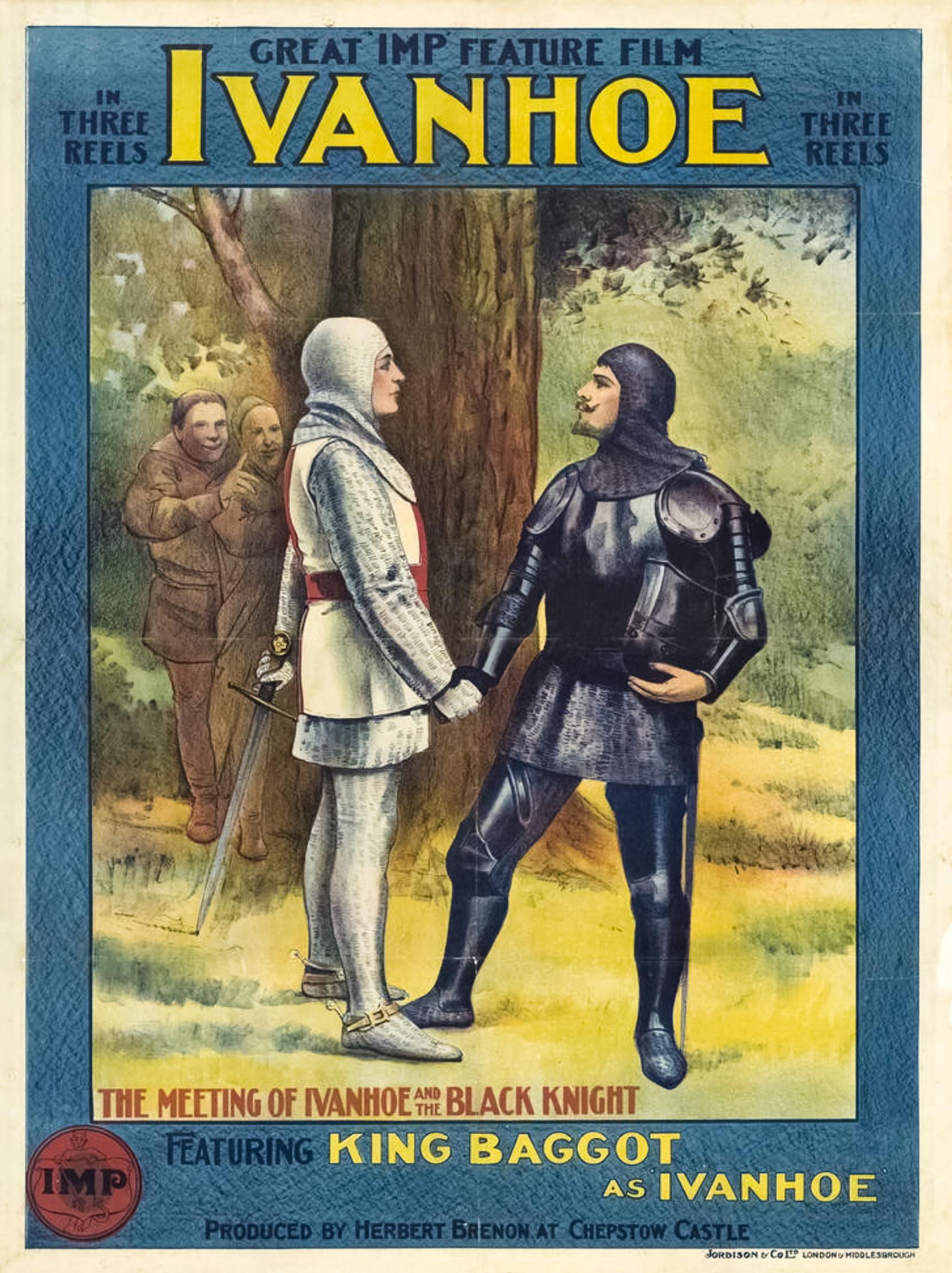
A definitive 5.7/10 rating for a film that redefined the boundaries of cult cinema. Ivanhoe remains a cornerstone of transgressive art.
Stepping into the hallowed halls of early cinematic history, one encounters a fascinating landscape where nascent storytelling techniques met grand ambitions. Among these pioneering efforts, the adaptation of Sir Walter Scott's monumental novel, Ivanhoe, stands as a testament to the era's hunger for epic narratives and historical spectacle. Released at a time when cinema was rapidly evolving from mere curiosities into a potent artistic medium, this film, directed by and starring the versatile Herbert Brenon, alongside King Baggot and Leah Baird, sought to translate the intricate tapestry of medieval England onto the silver screen. It’s a venture that, even a century later, invites us to ponder the very foundations of historical drama and the enduring power of myth-making in a visual format.
Sir Walter Scott’s 1819 novel, Ivanhoe, was not just a story; it was a cultural phenomenon that helped shape the modern perception of the Middle Ages. Its romanticized portrayal of chivalry, the clash between Saxon and Norman, and the spirited defense of honor against tyranny resonated deeply with readers across generations. To undertake its cinematic adaptation in the early 20th century was an audacious move, fraught with the technical limitations of the period. Yet, it was precisely this challenge that often spurred early filmmakers to remarkable feats of ingenuity. The novel's sprawling cast, its grand tournaments, sieges, and intricate character relationships presented a formidable task for a medium still largely reliant on pantomime and intertitles to convey complex plot points. The film, therefore, had to distil the essence of Scott's elaborate prose into a series of impactful visual tableaux, prioritizing dramatic action and clear character motivations over nuanced psychological depth.
The narrative core, as presented in the film, remains faithful to Scott’s original premise: the return of Wilfred of Ivanhoe, a knight disinherited for his loyalty to King Richard the Lionheart and his participation in the Crusades. His England is one of simmering discontent, where the Norman elite, led by the treacherous Prince John, oppress the Saxon populace. Ivanhoe’s anonymous return, his participation in the Ashby tournament, and his subsequent entanglement with both the noble Lady Rowena and the captivating Jewish healer Rebecca, form the backbone of a tale rich in romance, adventure, and social commentary. The film, like its literary progenitor, deftly explores themes of loyalty, prejudice, and the struggle for justice in a society grappling with profound identity crises. While the silent era necessitated a more streamlined approach, the filmmakers clearly understood the emotional weight of these themes.
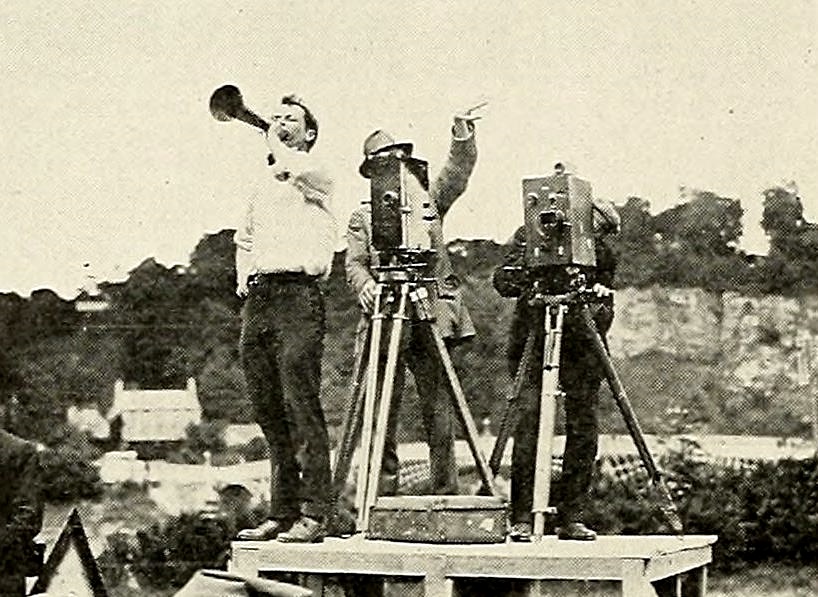
Herbert Brenon, a name synonymous with early cinematic ambition, not only directed but also took on an acting role in this production. His approach to filmmaking was often characterized by a flair for the dramatic and a keen eye for spectacle, qualities perfectly suited to the epic scope of Ivanhoe. In an era where films like The Life and Death of King Richard III (1912) and Cleopatra (1912) were pushing the boundaries of historical reconstruction, Brenon's Ivanhoe aimed for a similar grandeur, albeit within the constraints of its budget and the nascent technology. The challenge was not just to tell a story, but to transport the audience to a bygone era, to evoke the clang of steel, the thunder of hooves, and the solemnity of medieval castles.
Brenon’s direction would have relied heavily on composition and the effective use of sets and costumes to convey the period’s atmosphere. Given the absence of synchronized sound, visual storytelling became paramount. This meant exaggerated gestures, expressive facial acting, and the strategic deployment of intertitles to bridge narrative gaps and deliver crucial dialogue or exposition. Comparing it to other contemporary historical dramas, such as the biblical epics like From the Manger to the Cross (1912) or Life and Passion of Christ (1911), one can discern a shared ambition to recreate historical moments with a sense of awe and reverence. However, Ivanhoe distinguishes itself by focusing on a more secular, albeit still morally charged, narrative of national identity and individual valor.
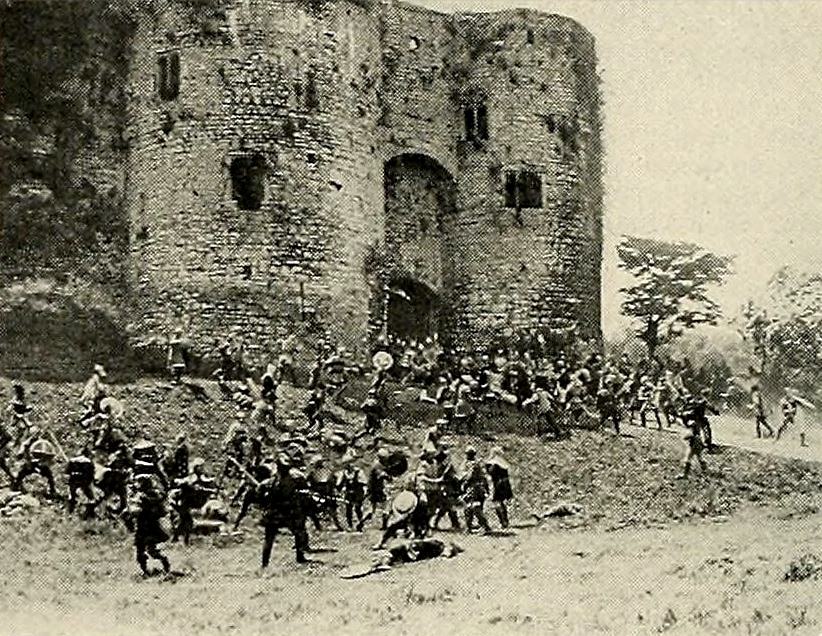
The staging of key sequences, such as the iconic Ashby tournament, would have been a significant undertaking. These scenes, critical to establishing Ivanhoe's prowess and the arrogance of his Norman adversaries, demanded careful choreography and an understanding of how to convey excitement and danger through visual means alone. While modern audiences accustomed to CGI-enhanced battle sequences might find the early efforts rudimentary, it’s essential to appreciate the sheer logistical effort involved in assembling period costumes, horses, and extras, and then filming these scenes with bulky, hand-cranked cameras. This was filmmaking in its purest, most laborious form, a craft built on meticulous planning and an unwavering belief in the power of the moving image.
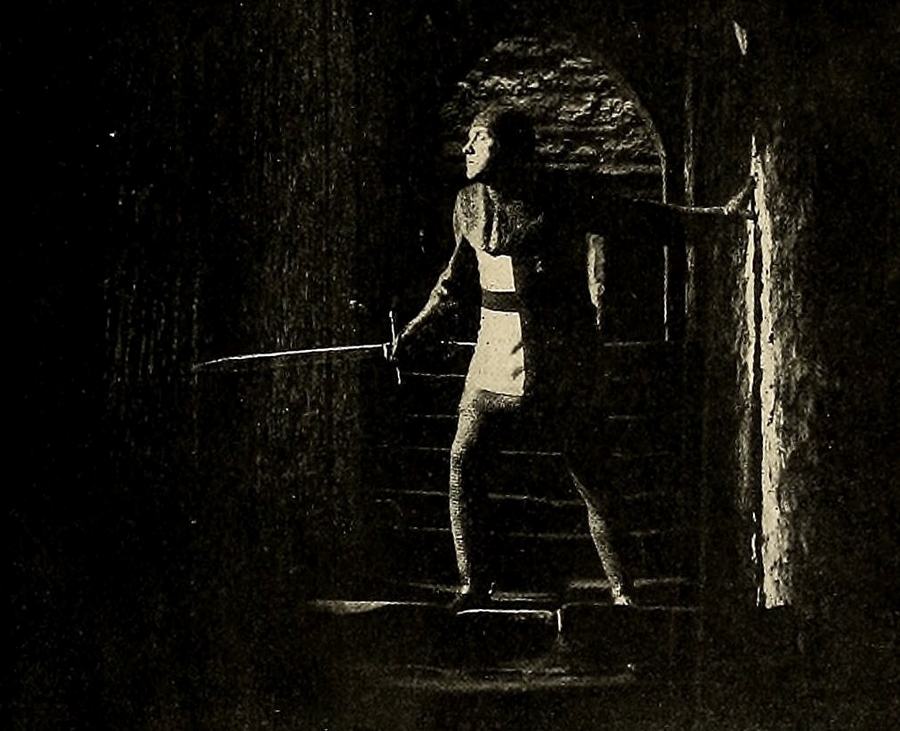
The cast, led by King Baggot as Ivanhoe, Leah Baird, and Evelyn Hope, faced the unique challenge of conveying complex emotions and motivations without the aid of spoken dialogue. This necessitated a style of acting that was often more theatrical than naturalistic, relying on broad gestures, expressive body language, and dramatic facial expressions to communicate inner states. King Baggot, a prominent leading man of the era, embodied the heroic ideal of Ivanhoe. His portrayal would have aimed to project the knight's honor, courage, and steadfast devotion, making him a figure of unwavering moral rectitude against a backdrop of cunning and deceit. The visual depiction of his return, perhaps weary from the Crusades but resolute in spirit, would have been crucial in establishing his character's arc.
Leah Baird and Evelyn Hope, likely portraying Lady Rowena and Rebecca, respectively, would have brought their own interpretations to these pivotal female roles. Rowena, the epitome of Saxon beauty and noble grace, represents the traditional ideal of courtly love and the hope for a unified English future. Rebecca, on the other hand, a character of profound strength, intelligence, and compassion, challenges the societal prejudices of the age. Her unrequited love for Ivanhoe and her steadfast moral compass make her one of Scott's most compelling creations. Portraying such nuanced characters in a silent film required actresses capable of conveying deep emotion and inner conflict through subtle glances, dignified bearing, and moments of poignant stillness. The silent film era, often unfairly caricatured for its over-the-top acting, in fact, cultivated a sophisticated visual language of emotion, demanding immense skill from its performers.
The ensemble cast, including Herbert Brenon himself, would have contributed to the vivid portrayal of the various factions and personalities that populate Scott’s world. From the boisterous Norman knights to the stoic Saxon yeomen, each character, no matter how minor, had to contribute to the overall tableau, adding texture and authenticity to the film's historical setting. The interactions between these characters, from the proud defiance of the Saxons to the haughty arrogance of the Normans, would have been orchestrated to visually underscore the central conflict of the story.
At its heart, Ivanhoe is a profound exploration of identity in a land grappling with its own fractured soul. The tension between the conquering Normans and the subjugated Saxons is a central theme, manifesting in language, customs, and social hierarchy. The film would have visually emphasized this divide through costume, setting, and the very demeanor of its characters. Ivanhoe, a Saxon loyal to a Norman king, embodies the complex loyalties of the era, striving for a vision of England where merit, not birthright or conquest, defines one's worth. This struggle for national identity resonates with other historical narratives of the time, such as The Independence of Romania (1912) or Karadjordje (1911), which similarly explored nation-building and the assertion of cultural distinctiveness.
Chivalry, often romanticized, is presented in Scott's work as both an ideal and a flawed system. Ivanhoe represents the noble, pure form of chivalry, upholding honor, protecting the weak, and fighting for justice. His adversaries, however, often pervert these ideals for personal gain and cruelty. The film, through its depiction of jousts and combat, would have sought to visually distinguish between genuine valor and mere brute force, reinforcing the moral compass of its hero. This moral clarity, even in a world of ambiguity, was a hallmark of early heroic narratives, ensuring the audience could easily identify with the protagonist's plight and aspirations.
The romantic entanglements form another critical layer. The 'courtly love' for Lady Rowena, a love both traditional and politically advantageous, contrasts sharply with the deep, unspoken affection between Ivanhoe and Rebecca. Rebecca's character, a Jewish woman of immense inner strength and moral fortitude, introduces themes of religious tolerance and prejudice that were remarkably progressive for Scott's time, and indeed, for the early 20th century. The film's ability to convey the subtle nuances of these relationships, the unspoken longing, and the societal barriers, speaks volumes about the filmmakers' understanding of human emotion. Much like the complex relationships explored in literary adaptations such as Jane Eyre (1910) or Anna Karenina (1911), the emotional depth of Ivanhoe relied on the actors' ability to project internal states through external means.
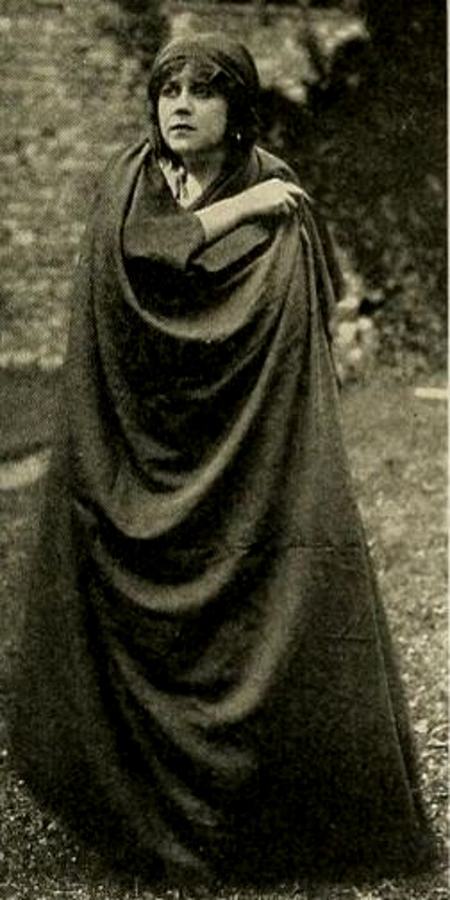
The visual language of silent film was a unique art form, relying heavily on mise-en-scène, cinematography, and editing to craft its narrative. For Ivanhoe, this would have meant carefully composed shots to emphasize the grandeur of medieval settings, the intensity of battle, and the intimacy of emotional exchanges. The use of natural light, the construction of intricate sets (even if rudimentary by today's standards), and the deployment of extras to create a sense of scale were all part of the cinematic toolkit. Early films often experimented with camera movement, though static shots were still prevalent, meaning that actors and set dressing had to do much of the work in guiding the viewer's eye.
Intertitles, far from being a mere placeholder for dialogue, were an integral part of the storytelling. They served multiple functions: providing exposition, conveying dialogue, setting the scene, and even offering moral commentary. In an adaptation as complex as Ivanhoe, well-crafted intertitles would have been crucial for clarity, ensuring that audiences could follow the intricate plot twists and understand the motivations of the characters. The balance between visual spectacle and textual explanation was a delicate one, and the success of the film hinged on striking this equilibrium effectively.
Comparing its visual ambitions to other grand productions of the period, one might look at The Last Days of Pompeii (1913) or Dante's Inferno (1911), which similarly aimed for epic scale and dramatic impact. While Ivanhoe might not have had the same monumental budgets, its attempt to recreate a specific historical period with authenticity, using the visual vocabulary available, was commendable. The film, therefore, serves as a valuable artifact, showcasing how filmmakers of the era grappled with the challenge of bringing literary giants to life through a nascent medium.
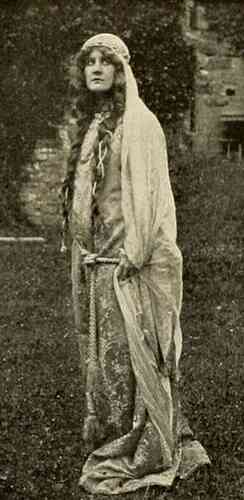
The 1913 adaptation of Ivanhoe, while perhaps overshadowed by later, more technologically advanced versions, holds a significant place in the history of cinema. It represents an early attempt to adapt a literary classic of immense popularity, demonstrating the film industry's growing confidence in tackling complex narratives. It paved the way for countless historical dramas and literary adaptations that would follow, from Les Misérables, Part 1: Jean Valjean (1913) to The Three Musketeers (1911). Its very existence underscores the early filmmakers' recognition of the power of established stories to draw audiences and legitimize the new art form.
For modern viewers, watching this version of Ivanhoe offers a unique window into the past, not just into medieval England, but into the formative years of cinematic storytelling. It allows us to appreciate the craft of early actors and directors, who, without the benefit of sound or sophisticated effects, managed to evoke emotion, tension, and grand spectacle. It reminds us that the fundamental elements of compelling narrative – heroism, love, conflict, and the struggle for justice – transcend technological limitations and remain timeless.
The film’s historical significance also lies in its contribution to the ongoing dialogue about how literature is translated to the screen. Each adaptation of Ivanhoe, whether in 1913 or decades later, reflects the sensibilities and technical capabilities of its time, offering a fascinating parallel to how different eras interpret and reimagine classic tales. This early silent version, with its earnest performances and ambitious scope, stands as a foundational text in this cinematic lineage, a bold declaration that the silver screen was ready for stories of epic proportions and profound human drama.
Ultimately, Herbert Brenon's Ivanhoe, featuring King Baggot and Leah Baird, is more than just a historical curiosity. It is a vibrant, if silent, echo of a foundational story, brought to life through the pioneering spirit of early cinema. It speaks to the enduring appeal of chivalric romance, the complexities of national identity, and the timeless human quest for honor and love. To revisit it is to embark on a journey, not only into the heart of medieval legend but also into the very origins of film as a powerful medium for epic storytelling.
IMDb 5.6
1934
Community
Log in to comment.