DbcultAccessing Vault...
7.7/10
Senior Film Conservator
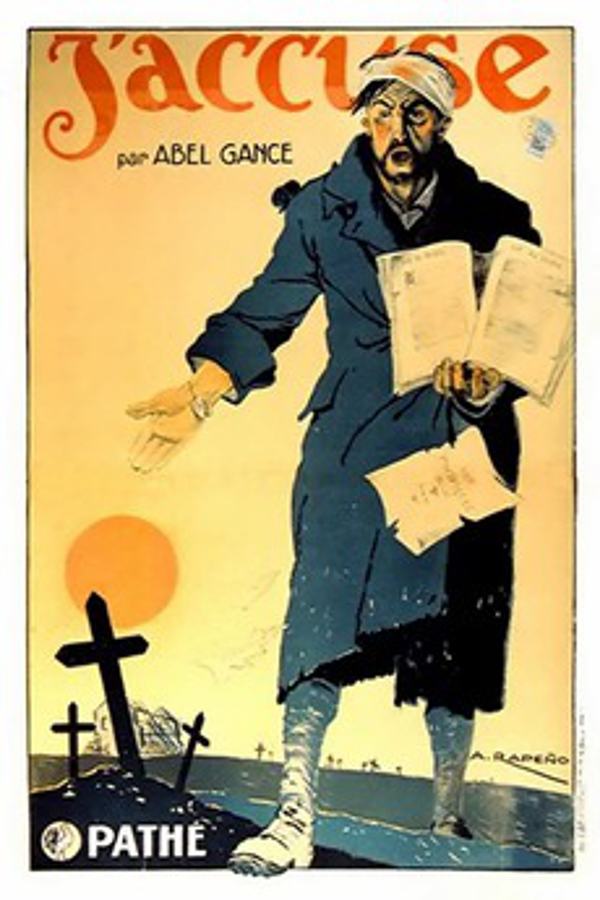
A definitive 7.7/10 rating for a film that redefined the boundaries of cult cinema. J'accuse! remains a cornerstone of transgressive art.
Abel Gance’s J'accuse! arrives as a visceral protest against the mechanized carnage of the First World War, yet it is equally a study of human frailty when desire collides with duty. The film opens with a languid pastoral tableau, a fleeting glimpse of domestic tranquility that is abruptly shattered by the thunderous roar of artillery, thrusting the audience into the claustrophobic world of the Western Front.
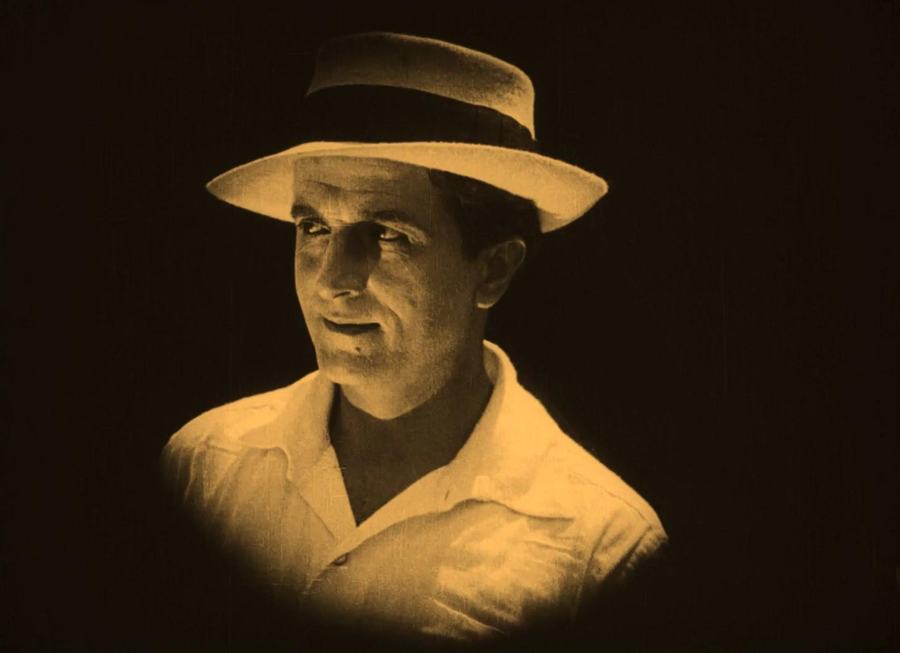
Romuald Joubé embodies the married officer, a man whose stoic exterior masks a simmering inferno of jealousy and honor. Pierre Danis, cast as the lover, projects a restless energy, his gestures oscillating between bravado and palpable dread. Their rivalry is not merely personal; it becomes a micro‑cosm of the broader societal schism that war engenders, where individual grievances are amplified by the collective trauma of the battlefield.
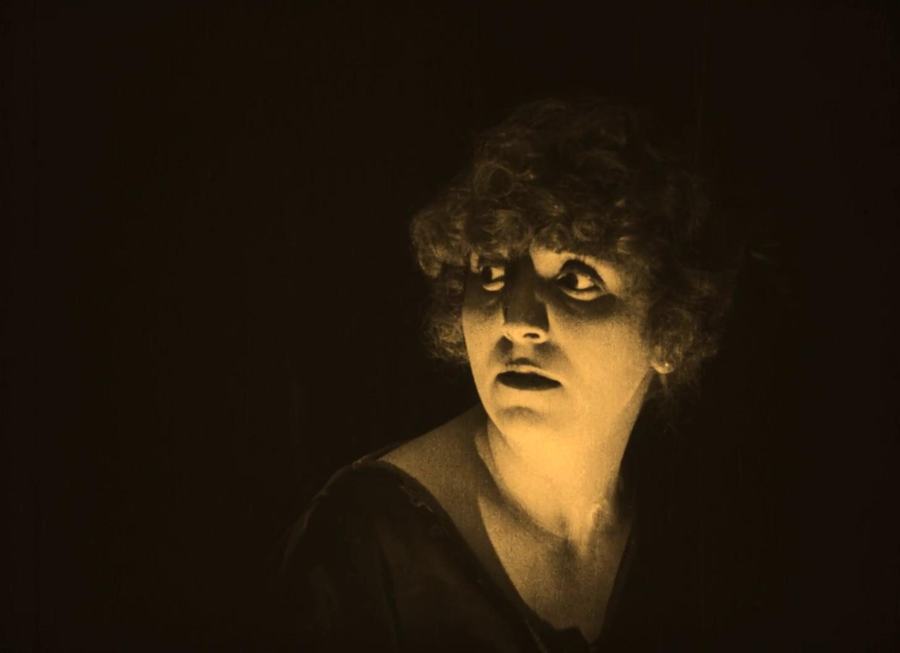
Angèle Guys, portraying the conflicted wife, is rendered with a delicate yet resolute presence. Her eyes, often caught in close‑up, convey a spectrum of emotions—longing, remorse, and an unspoken resignation—without the need for intertitles. The film’s reliance on visual storytelling, a hallmark of Gance’s silent‑era oeuvre, forces the viewer to inhabit the characters’ interiority, interpreting nuance through the choreography of bodies and the stark chiaroscuro of the trench’s dim light.
Cinematographically, the film is a study in contrast. Gance employs a series of long, unbroken takes that linger on the desolation of no‑man’s land, allowing the audience to feel the oppressive weight of mud, rain, and the ever‑present specter of death. The camera often adopts a low angle, positioning the viewer at the same level as the soldiers, fostering an immersive empathy that transcends the silent medium.
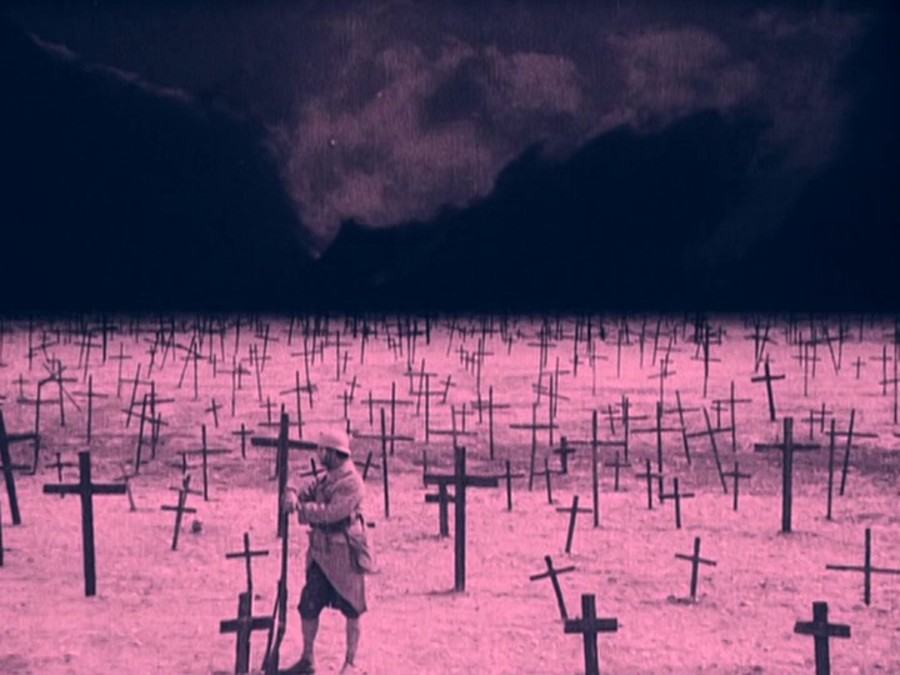
The mise‑en‑scene is punctuated by moments of expressionist distortion: shattered wooden planks become jagged teeth, and the sky, rendered in a bruised palette of grays, seems to press down upon the trench like an oppressive lid. These visual choices echo the German Expressionist movement, yet Gance tempers them with a distinctly French lyrical sensibility, creating a hybrid aesthetic that feels both avant‑garde and intimately human.
Sound, or rather its absence, is wielded as a narrative device. The silence is broken only by the occasional intertitle, which appears as a stark white slab against the black backdrop, delivering terse, poetic fragments that echo the characters’ internal monologues. This restraint heightens the impact of the occasional die‑getic sounds—shell explosions, distant shouts—that punctuate the visual field, reminding the audience of the ever‑looming threat beyond the frame.
The thematic core of J'accuse! revolves around the erosion of personal identity under the weight of collective violence. The married officer’s sense of self is inexorably linked to his marital bond; the lover’s identity is defined by his illicit passion. As the war escalates, these personal anchors are ripped away, leaving both men adrift in a sea of uniformity where rank insignia replace individuality.
Gance’s narrative structure mirrors the disintegration of order on the front. The film’s pacing accelerates as the trench warfare intensifies, intercutting moments of intimate confrontation with sweeping panoramas of artillery barrages. This juxtaposition underscores the paradox of war: the simultaneous existence of profound intimacy and indiscriminate annihilation.
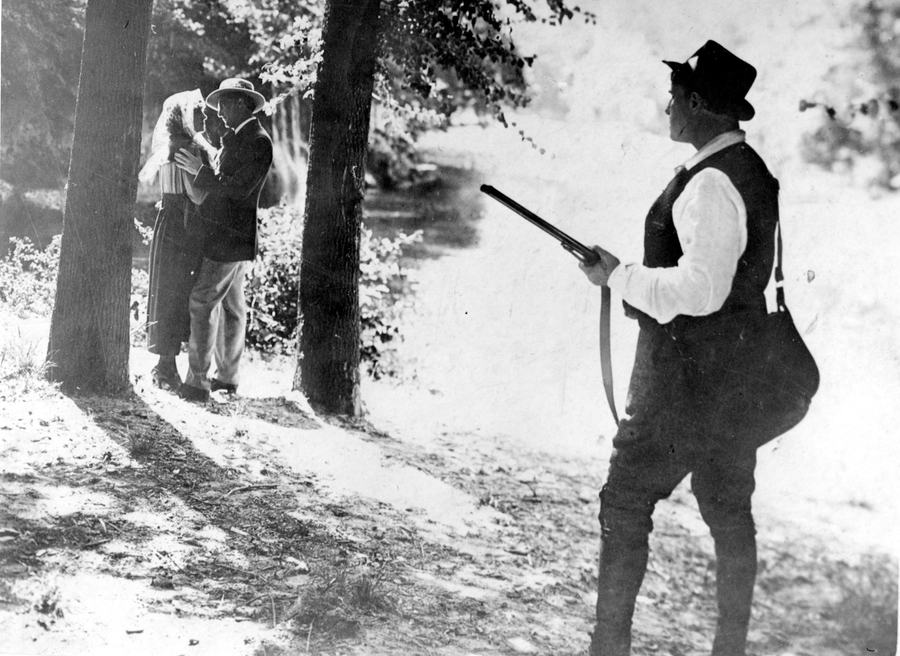
When contextualized alongside contemporaneous works, J'accuse! shares a thematic kinship with Fate and Fortune, which also interrogates the capriciousness of destiny amidst societal upheaval. However, Gance’s film diverges by foregrounding the psychological toll of love entangled with combat, a nuance less explored in Telefondamen, where the focus remains on external conflict rather than internal dissonance.
The performances merit particular attention. Joubé’s subtle tightening of the jaw in moments of silent accusation conveys a depth of feeling that transcends the silent format. Danis, on the other hand, utilizes a restless pacing—his footsteps echoing off the trench walls—to embody the perpetual agitation of a man haunted by both love and the looming specter of death.
The supporting cast, including Paul Duc and Maryse Dauvray, populate the trenches with a chorus of weary souls, each embodying a facet of the collective psyche. Their brief interludes—sharing a cigarette, a fleeting smile—serve as poignant reminders that even in the most desolate environments, humanity persists in fragments.
Gance’s editing choices further amplify the film’s emotional resonance. He employs a rhythmic cross‑cutting technique that mirrors the heartbeat of the battlefield: rapid succession during assaults, languid lingering during moments of respite. This rhythmic modulation creates a visceral pulse that the audience can almost feel in their own chest.
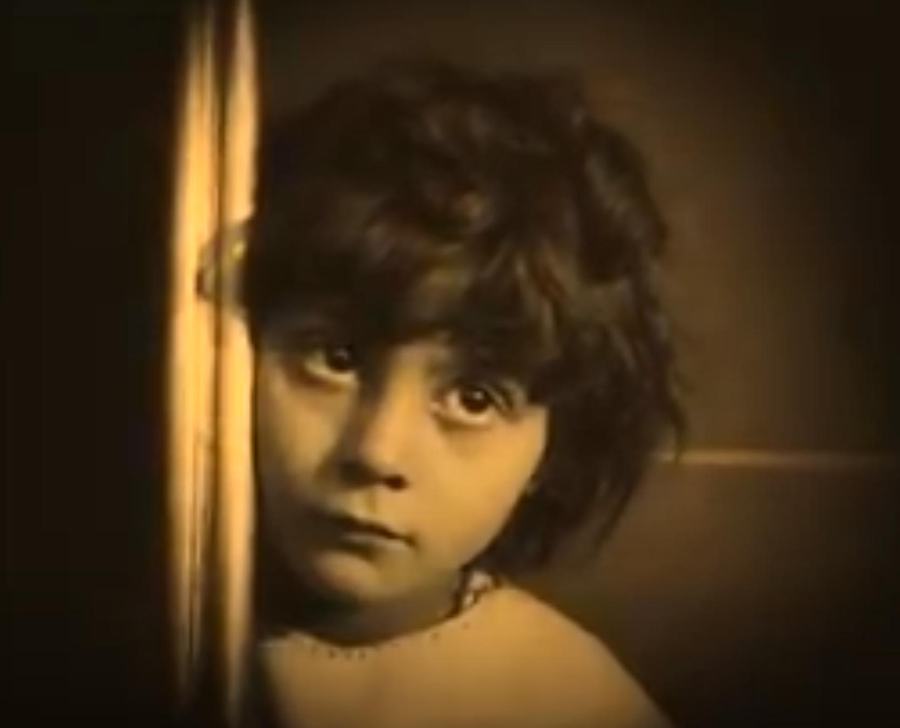
The film’s climax, a harrowing confrontation between the two protagonists amid a rain‑soaked shell‑crater, is staged with a stark minimalism that strips away any ornamental excess. The rain, rendered in high‑contrast black‑and‑white, becomes a visual metaphor for cleansing and destruction alike, washing away the veneer of civility to reveal raw, primal animus.
In terms of legacy, J'accuse! prefigures later anti‑war masterpieces such as The Battles of a Nation, yet it retains a singular intimacy that distinguishes it from broader epic narratives. Its focus on a love triangle set against the backdrop of war offers a lens through which viewers can examine the personal cost of geopolitical conflict.
The film’s influence extends beyond French cinema, resonating in works like Nuori luotsi, where the interplay of personal betrayal and wartime exigency echoes Gance’s thematic concerns. Even contemporary directors cite J'accuse! as a touchstone for visual storytelling that balances grand spectacle with intimate character study.
From a technical standpoint, the use of natural lighting—filtered through the soot‑blackened clouds of the front—creates a chiaroscuro effect that accentuates the moral ambiguity of the characters. Shadows creep across faces, suggesting hidden motives, while shafts of light break through, symbolizing fleeting moments of clarity amidst chaos.
The film’s intertitles, though sparingly employed, are crafted with poetic brevity. Phrases such as “The heart knows no truce” and “In mud we are all equal” function as thematic anchors, reinforcing the narrative’s central thesis without resorting to didactic exposition.
Comparatively, Three Weeks offers a more melodramatic approach to romance amidst adversity, whereas Gance’s restraint in J'accuse! allows the audience to infer emotional currents, fostering a more active engagement with the text.
The film’s pacing, while deliberate, never succumbs to monotony. Gance intersperses moments of quiet introspection—soldiers sharing a meager meal, a lone figure silhouetted against a distant explosion—with sudden bursts of kinetic energy during offensive maneuvers, maintaining a dynamic rhythm that mirrors the unpredictable nature of war.
The visual motif of broken mirrors recurs throughout the narrative, symbolizing fractured identities and shattered perceptions. In one striking sequence, a shattered glass pane reflects fragmented images of the protagonists, suggesting that their self‑conceptions are as fragmented as the war‑torn world they inhabit.
Gance’s direction also exhibits an early experimentation with what would later be termed “montage of attractions,” a technique later popularized by Sergei Eisenstein. By juxtaposing disparate images—a blooming flower, a dead soldier’s boot—he creates an emotional resonance that transcends linear storytelling.
The film’s denouement, while ambiguous, refrains from offering tidy resolution. The two men, scarred both physically and emotionally, stand amidst the ruin of a shattered trench, their gazes locked in a silent acknowledgment of shared suffering. This open‑ended conclusion invites contemplation rather than closure, a hallmark of Gance’s artistic philosophy.
In the broader canon of war cinema, J'accuse! occupies a pivotal position. It bridges the gap between early silent propaganda pieces and later, more psychologically nuanced war narratives. Its emphasis on personal drama within the macrocosm of conflict anticipates the narrative strategies employed in later classics such as The Peddler and Vanity and Vengeance.
The film’s restoration efforts in recent decades have revived its original tinting—subtle sepia washes that once highlighted the sunrise over the battlefield—allowing modern audiences to experience Gance’s intended visual palette. These restorations underscore the film’s enduring relevance and the importance of preserving cinematic heritage.
Critics have lauded the film for its daring narrative structure, its unflinching portrayal of the psychological toll of war, and its innovative visual language. Contemporary scholars often cite J'accuse! as a primary example of how silent cinema can convey complex emotional landscapes without reliance on dialogue.
The film’s influence can also be traced in literary adaptations, where the motif of a love triangle set against a war backdrop recurs, suggesting that Gance’s narrative archetype has permeated multiple artistic mediums.
For cinephiles seeking a work that marries historical gravitas with intimate character study, J'accuse! offers a richly textured experience. Its layered composition—visual, thematic, and emotional—rewards repeated viewings, each time revealing new subtleties hidden within the shadows of the trench.
In sum, Abel Gance’s J'accuse! stands as a testament to the power of cinema to interrogate the human condition, to expose the fissures that war creates in both society and the soul, and to do so with a visual elegance that continues to inspire filmmakers a century later.
IMDb —
1929
Community
Log in to comment.