DbcultAccessing Vault...
5.8/10
Senior Film Conservator
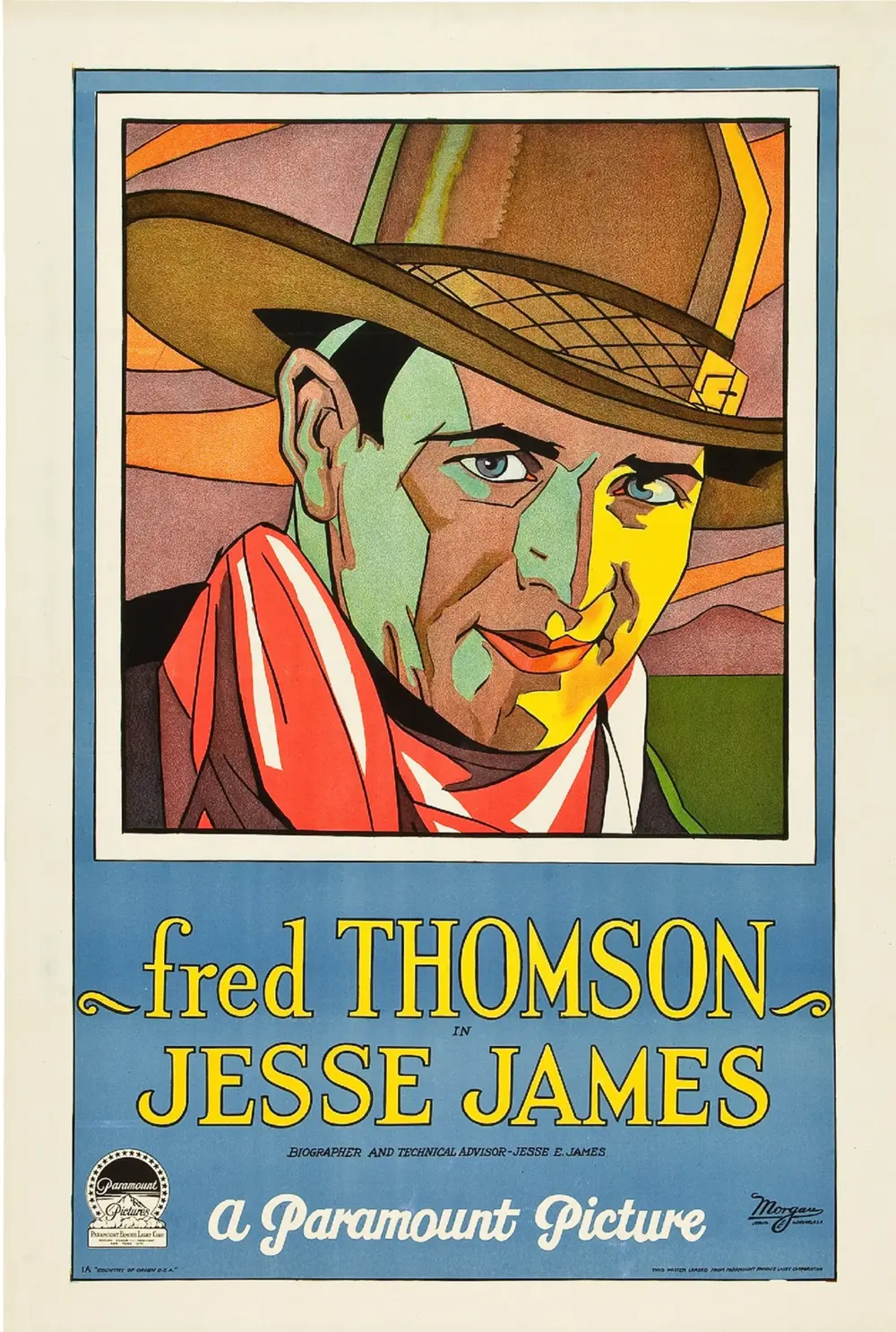
A definitive 5.8/10 rating for a film that redefined the boundaries of cult cinema. Jesse James remains a cornerstone of transgressive art.
Is Jesse James (1939) worth your time in today's crowded cinematic landscape? Short answer: yes, but with significant caveats that speak to its age and the shifting sands of storytelling. This film is an absolute must-see for devotees of classic Hollywood Westerns, particularly those interested in the foundational myths of American outlaws and the star power of early cinema.
However, it is decidedly not for viewers seeking historical accuracy, nuanced moral ambiguity, or a brisk, modern pace. Expect a romanticized portrayal, grand dramatic flourishes, and a narrative rhythm that belongs squarely to its era.
The story of Jesse James is one steeped in the tumultuous aftermath of the American Civil War, a period ripe for the birth of legends and the forging of anti-heroes. This particular cinematic rendition, featuring Harry Woods as the titular outlaw, attempts to capture the essence of a man driven to extraordinary lengths by circumstances beyond his control. It’s a compelling premise, positioning James not merely as a criminal, but as a product of a fractured nation, a figure whose personal tragedies fuel a path of defiance.
The film opens with Jesse as a member of Quantrill's Partisan Rangers, a detail that immediately grounds his character in the brutal realities of wartime guerilla tactics. His initial brush with Zerelda Mimms, a Northern girl caught in the Southern maelstrom, is a classic setup for a fated romance, one that transcends the immediate conflict and hints at a deeper, more personal struggle. This early dynamic sets a tone of high stakes and personal connection, promising a narrative that intertwines grand historical events with intimate human drama.
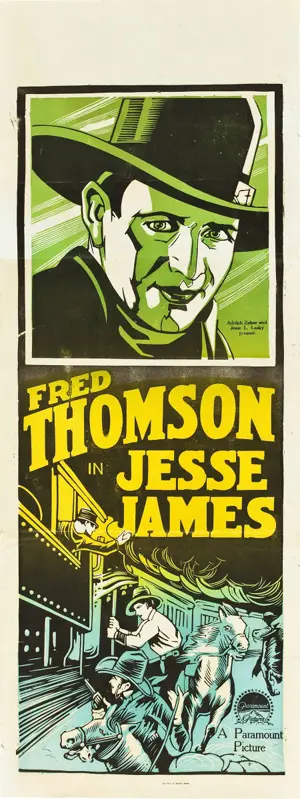
Post-war, the narrative intensifies. Jesse is confronted with the devastating news of his mother’s maiming by zealous Union sympathizers, a brutal act that serves as the primary catalyst for his descent into outlawry. This is not merely a plot point; it is the emotional core of the film, providing a justification—or at least an understandable motivation—for Jesse’s subsequent actions. Coupled with the threat of expulsion from Frederick Mimms, Jesse’s path to vengeance becomes inevitable, framing him as a man cornered, left with no recourse but to fight back against a world that has wronged him.
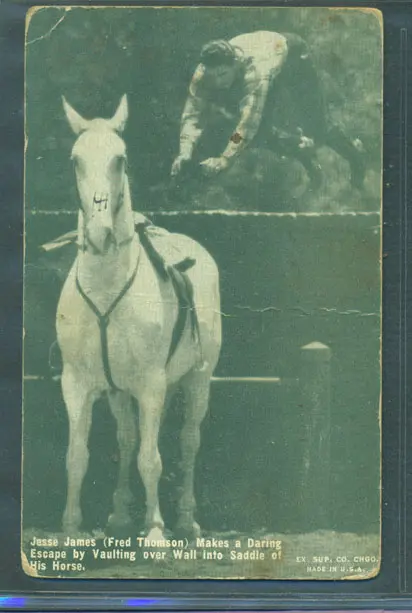
The film’s depiction of his first major act of defiance, a spectacular escape that solidifies his notoriety, is crucial. It’s here that the legend begins to overshadow the man, transforming him into a symbol of resistance against perceived injustice. The subsequent attempts by citizens to trap him, culminating in Bob Ford's betrayal driven by his own twisted affection for Zerelda, adds layers of personal drama and moral compromise. The climax, with Jesse escaping with Zerelda on his magnificent horse, Silver King, and forcing Parson Bill to marry them, is pure cinematic romanticism, a declaration of love and defiance against all odds. It works. But it’s flawed. The film, in many ways, is a fascinating time capsule of how Hollywood chose to mythologize its most infamous figures.
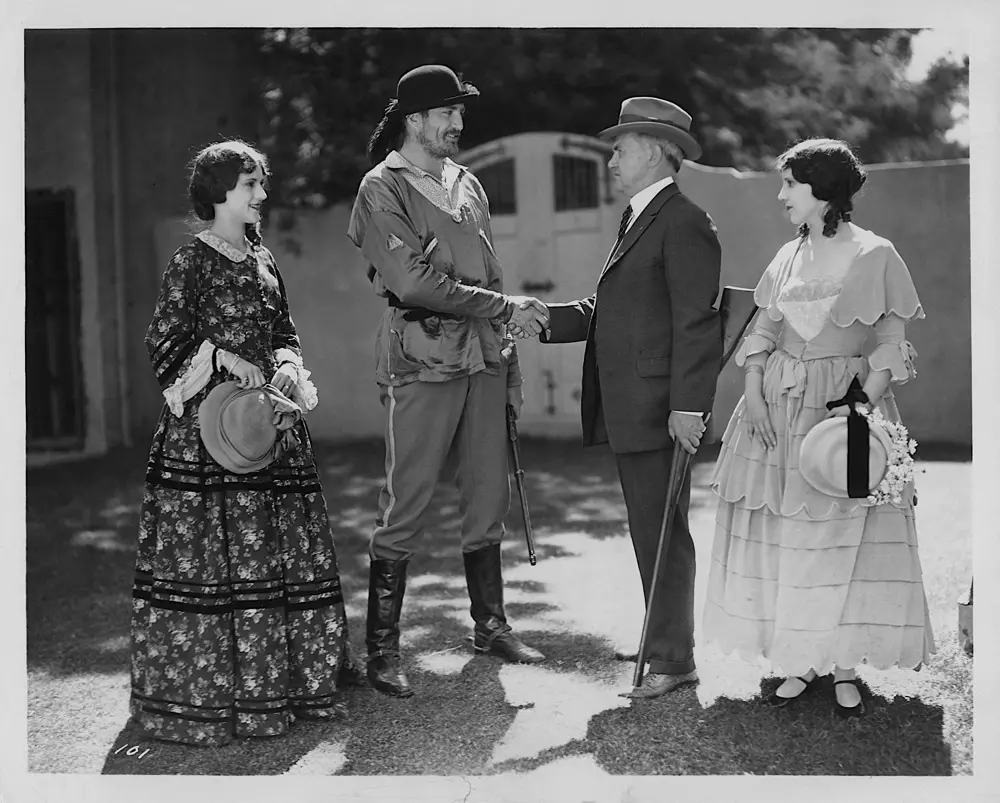
The success of any film centered on an iconic figure rests heavily on its lead performance. Harry Woods, as Jesse James, embodies the role with a blend of rugged charisma and simmering intensity. He portrays Jesse not as a one-dimensional villain, but as a man burdened by fate, capable of both tender affection and brutal violence. His stoic demeanor, punctuated by flashes of rage or desperation, allows the audience to understand the internal conflict of a man who never truly asked for the life he was forced into. One particularly striking moment, though inferred from the plot, would be Jesse’s reaction to the news of his mother’s maiming; Woods likely conveys a quiet, seething fury that suggests the depth of his pain without resorting to overt melodrama, a hallmark of strong, understated acting in this era.
Nora Lane’s Zerelda Mimms, while perhaps a more conventional female role for the period, brings a necessary counterpoint to Jesse’s hardened persona. Her character is the moral compass, the anchor that attempts to pull Jesse back from the abyss, even as she is drawn into his tumultuous world. The dynamic between Woods and Lane, especially during their escape and the forced marriage scene, is pivotal. It’s a relationship built on desperation and reluctant admiration, a far cry from the saccharine romances often found in other films of the era. The scene where Jesse, with Zerelda on Silver King, makes his escape, forces a direct confrontation between their two worlds, a moment that Nora Lane would have imbued with a mix of fear and growing understanding.
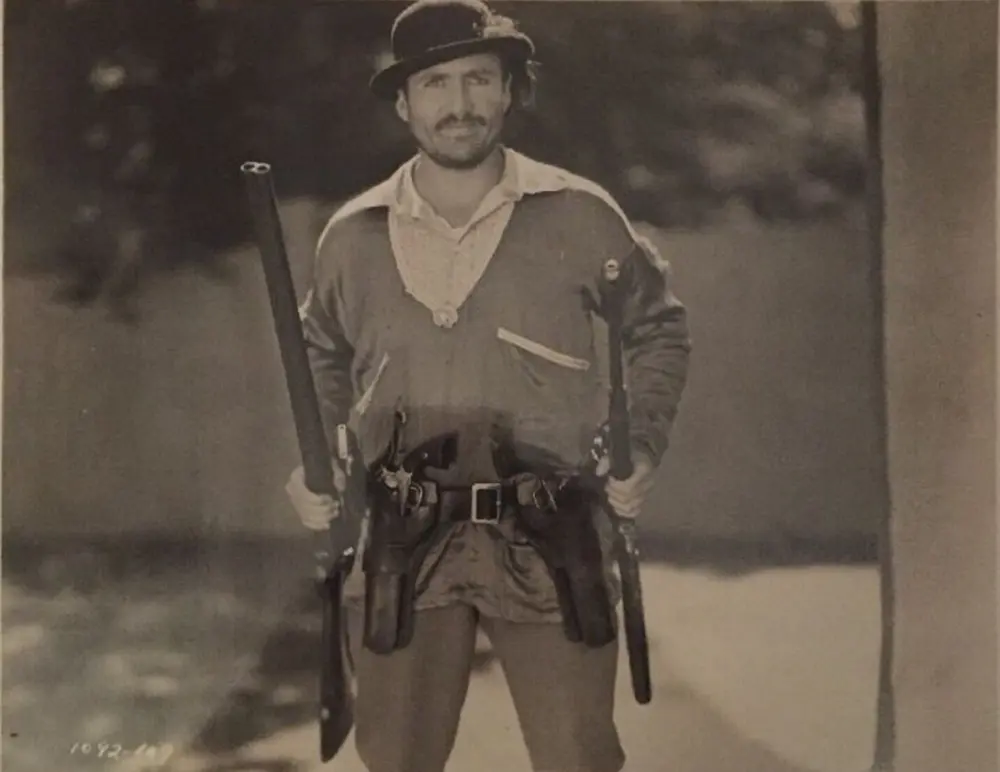
The direction, likely emphasizing grand vistas and dynamic action, would have been key to establishing the film’s epic scope. The “spectacular manner” of Jesse’s initial flight from the law suggests a director keenly aware of how to stage thrilling sequences. Imagine wide shots of the Western landscape, horses thundering across plains, and close-ups that capture the raw emotion of the chase. This isn't just about showing action; it's about conveying the relentless pursuit and the sheer audacity of Jesse’s defiance. The use of practical effects and real stunts, common for the time, would lend an authenticity to these sequences that often feels missing in today’s CGI-heavy productions. For instance, the sequence where Jesse eludes capture, perhaps by a daring jump over a ravine or a cunning maneuver through a dense forest, would have been a testament to the director’s ability to choreograph and capture high-stakes drama.
Cinematography, too, plays a vital role in grounding this legend. The American West, with its vast, untamed landscapes, is almost a character in itself. The use of deep focus and sweeping panoramic shots would have emphasized both the isolation of the characters and the grand scale of their struggles. The contrast between the dusty, sun-baked plains and the shadowy interiors where plots are hatched or secrets revealed would create a visual tapestry that enhances the narrative. The iconic image of Jesse and Zerelda on Silver King, racing towards an uncertain future, would be framed to convey both freedom and desperation, a powerful visual metaphor for their outlaw existence.
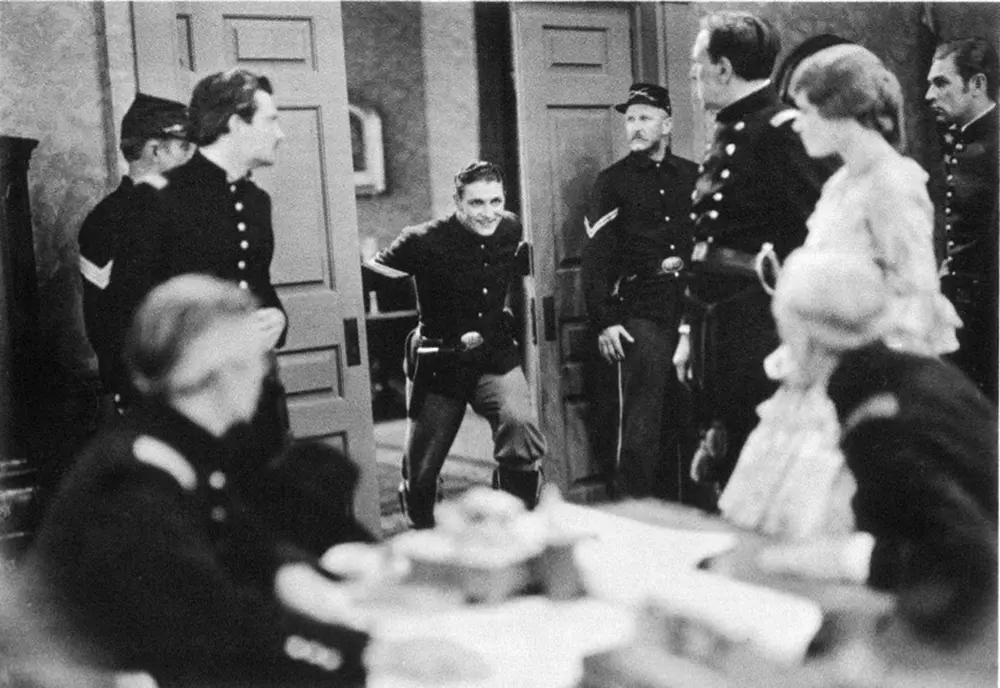
Pacing in older films can sometimes feel deliberate, even slow, by modern standards. However, a film like Jesse James, with its episodic structure of tragedy, vengeance, and escape, likely maintains a brisk pace during its action sequences while allowing moments of character development to breathe. The tension would build from the initial threats against Jesse’s family to the climactic betrayal by Bob Ford. The narrative doesn't linger unnecessarily but moves with a sense of purpose, reflecting the urgency of Jesse’s life on the run. The emotional beats, such as the initial warning from Parson Bill about his mother, would be given enough time to resonate before the next action sequence propels the story forward.
The film’s tone is a fascinating blend of adventure, tragedy, and romanticism. It aims to evoke sympathy for its protagonist, portraying him as a victim of circumstance rather than a pure villain. This romanticized view of the outlaw is a common trope in Westerns, and here it’s executed with a conviction that makes Jesse’s actions, however violent, understandable within the context of his world. The element of Bob Ford’s betrayal, driven by love for Zerelda, introduces a darker, more complex tone, hinting at the personal costs of Jesse's life. This emotional complexity, even if not fully explored, elevates the film beyond a simple chase narrative, hinting at the tragic undertones that define the end of the outlaw era. Ruby Fornes, as one of the supporting cast, likely contributes to this dramatic texture, perhaps as a townsfolk or another sympathetic figure caught in the crossfire of Jesse's escalating conflict.
One unconventional observation about Jesse James is how it almost inadvertently highlights the fragility of societal order in post-Civil War America. The film isn't just about an outlaw; it's about a community struggling to rebuild, where personal grievances can easily ignite into widespread lawlessness. The actions of Frederick Mimms, threatening Jesse with expulsion, are not just personal slights but symptoms of a wider systemic failure, where justice is arbitrary and personal power often trumps formal law. This makes Jesse’s rebellion less about inherent criminality and more about a desperate struggle for autonomy in a broken world. It’s a nuanced reading that many might overlook, focusing instead on the guns and horses.
Furthermore, the film’s portrayal of Silver King, the horse, as an almost sentient character is remarkably effective. This isn’t just a mode of transport; Silver King is Jesse's confidante, his escape vehicle, and a symbol of his untamed spirit. The bond between man and beast, particularly evident in the various escape sequences, is a powerful, understated element that adds depth to Jesse's solitary existence. It speaks to a primal connection, a trust that transcends human betrayal, and it’s a detail that elevates the film beyond typical cowboy fare.
“The film, in its own way, suggests that true freedom isn’t found in the absence of law, but in the unwavering loyalty of a good horse and the desperate love of a strong woman.”
While the film is undeniably a product of its time, its core themes of justice, revenge, and the allure of the outlaw remain compelling. It poses a question that continues to resonate: when does a man become an outlaw, and when is he merely a rebel against an unjust system? The film doesn’t provide easy answers, instead inviting the audience to grapple with the complexities of Jesse’s journey. This moral ambiguity, however thin it might seem by today's standards, was revolutionary for its era, pushing the boundaries of how anti-heroes were depicted.
Jesse James is more than just a dusty old Western; it's a foundational piece of American cinema, a vibrant tapestry woven with adventure, romance, and the tragic consequences of a nation at war with itself. It's a film that, despite its narrative simplifications and romanticized lens, still captures the imagination, offering a compelling glimpse into the enduring allure of the outlaw legend. It works as an engaging adventure, driven by strong performances and spectacular action sequences that hold up surprisingly well. The film’s strength lies in its ability to mythologize, to elevate a controversial figure into an almost operatic hero, driven by personal grievance rather than pure malice.
However, its flaws are equally apparent. The historical liberties taken, while common for its era, might grate on modern sensibilities seeking authenticity. The film often prioritizes spectacle over introspection, leaving some of the deeper moral questions unanswered or underexplored. It’s a product of its time, reflecting a particular cultural need to create heroes out of chaos, even if those heroes were deeply flawed in reality. Yet, to dismiss it would be a mistake. Its influence on subsequent Westerns is undeniable, and its dramatic beats, particularly the intense escapes and the tragic betrayal, resonate strongly. It’s a film that demands to be seen through the lens of its production era, appreciated for its contributions to the genre and its bold, if not always accurate, storytelling. Ultimately, it’s a flawed gem, but a gem nonetheless. For those willing to embrace its classic charm and overlook its historical liberties, Jesse James offers a thrilling, if somewhat simplistic, ride into the heart of an American legend.
IMDb 7.4
1924
Community
Log in to comment.