Summary
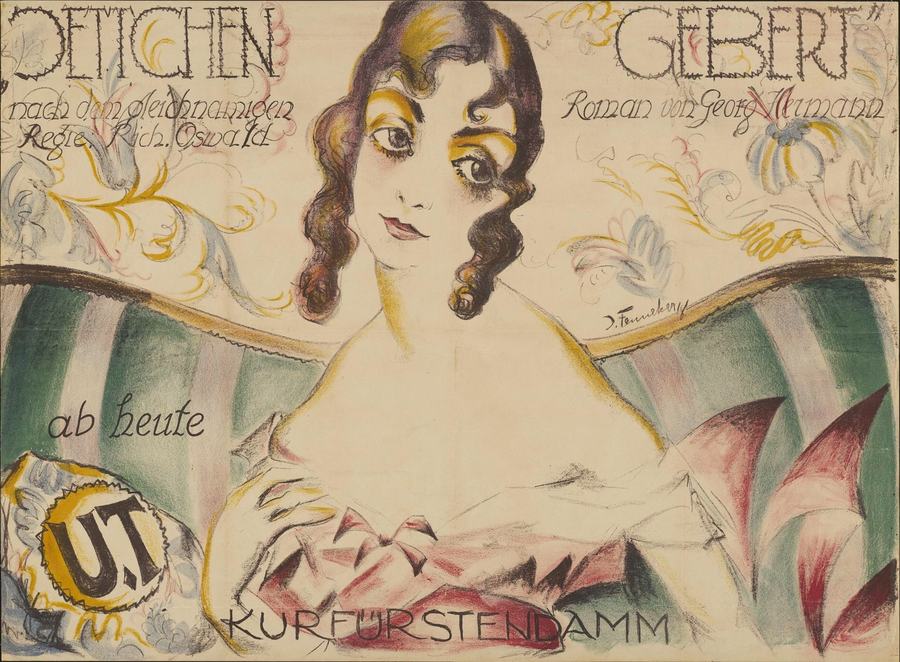
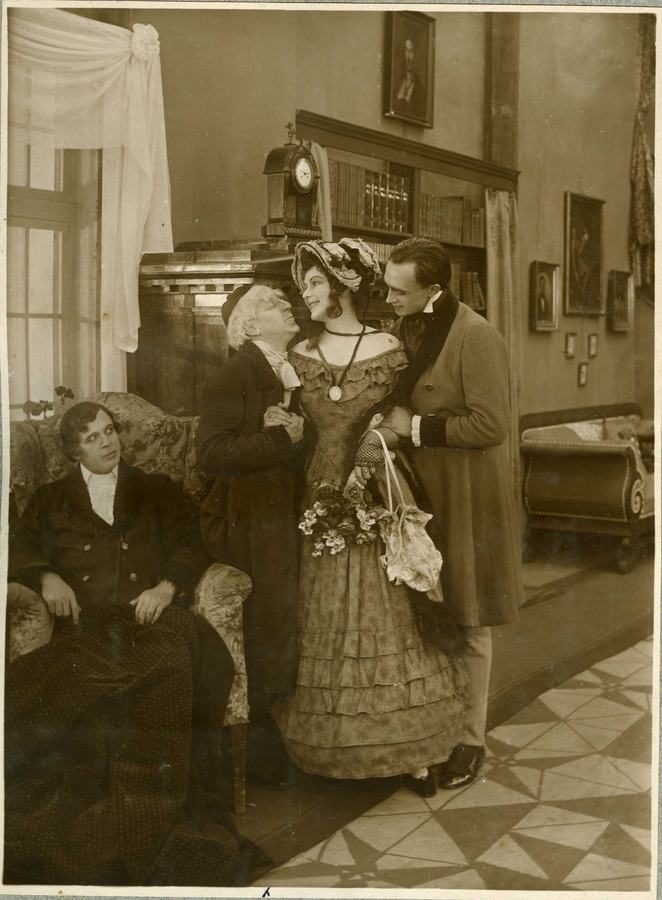
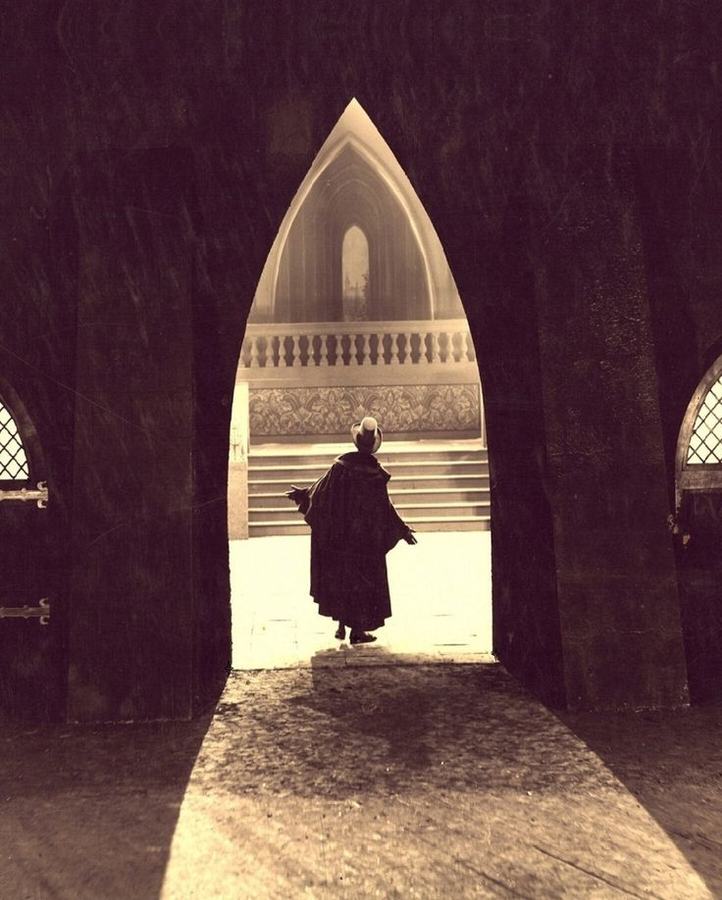
Bourgeois Berlin, circa 1830: candle-smoke parlors where piano sonatas drip like melted wax and the very air is upholstered in velvet. Into this gas-lit aquarium drifts Jettchen Gebert—Mechthildis Thein’s incandescent confection of mischief and melancholy—whose laughter ricochets off Biedermeier porcelain like a thrown silver coin. She is engaged to Julius Spielmann’s dry-stick notary, a man who treats emotion as an unbalanced ledger, yet her pulse syncopates only for Hugo Döblin’s ne’er-do-well medical student, a poet of pawn tickets and moonlit rooftops. Around this triangle orbit a constellation of Wilhelminian archetypes: Ilka Karen’s consumptive seamstress whispering hymns to her own ribs; Helene Rietz’s widowed aunt who hides scandal beneath bombazine; Max Gülstorff’s cigar-scented uncle reciting Schiller between stock-market groans. When a forged IOU surfaces—ink still damp with blackmail—the engagement shatters like a dropped flute, launching Jettchen into a nighttown odyssey: a candlelit cemetery where statues wink, a beer-cellar that converts into a makeshift court, a barge on the Spree that becomes a drifting confessional. Conrad Veidt cameos as a monocled dandy whose smile is a guillotine in lavender gloves; Clementine Plessner dispenses venomous bon mots while peeling apples in one unbroken ribbon. The film climaxes in a lantern-stormed ballroom where every waltz is a referendum on desire and every fan-snap could be a gunshot; secrets combust into firework silhouettes, leaving only a single glove on the parquet—proof that love, like history, is something Berliners misplace while bowing.
Review Excerpt
"
p,ul,blockquote{margin:0 0 1.2em}
a{color:#EAB308;text-decoration:none;border-bottom:1px dotted}
a:hover{color:#C2410C;border-bottom-style:solid}
h2{color:#0E7490;font-size:1.6em;margin:1.4em 0 .6em;letter-spacing:.5px}
strong{color:#C2410C;font-weight:700}
blockquote{border-left:3px solid #0E7490;padding-left:1em;font-style:italic;opacity:.9}
code{background:#111;padding:2px 4px;border-radius:3px;color:#EAB308}
Richard Oswald’s Jettchen Gebert’s Story opens on a close-up so tactile you can ..."