DbcultAccessing Vault...
Cult Review
Senior Film Conservator
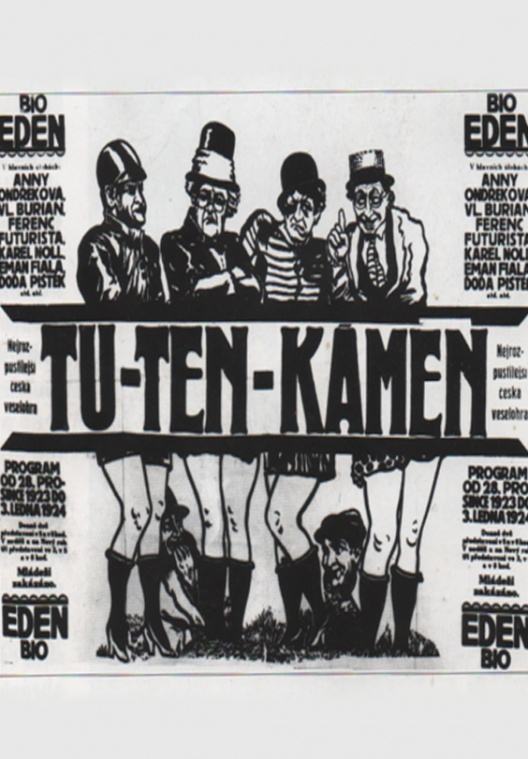
The film Tu ten kámen, directed by Karel Lamač, is a masterpiece of cinematic storytelling, weaving a complex narrative that defies easy categorization. With its richly detailed characters and intricate plot, the film draws the viewer into a world of high drama and suspense, where the lines between reality and illusion are constantly blurred. As the story unfolds, the audience is introduced to a cast of characters, each with their own unique motivations and desires, driving the plot forward with a series of unexpected twists and turns.
At the center of the narrative is a mysterious figure, played by Vlasta Burian, whose true intentions and motivations remain shrouded in mystery. As the story progresses, the viewer is drawn into a world of high stakes and high drama, where the characters must navigate the intricate web of relationships and alliances that bind them together. With its intricate plot and complex characters, Tu ten kámen is a cinematic puzzle that challenges the viewer to piece together the fragments of the narrative, revealing a rich tapestry of themes and emotions that linger long after the credits roll.
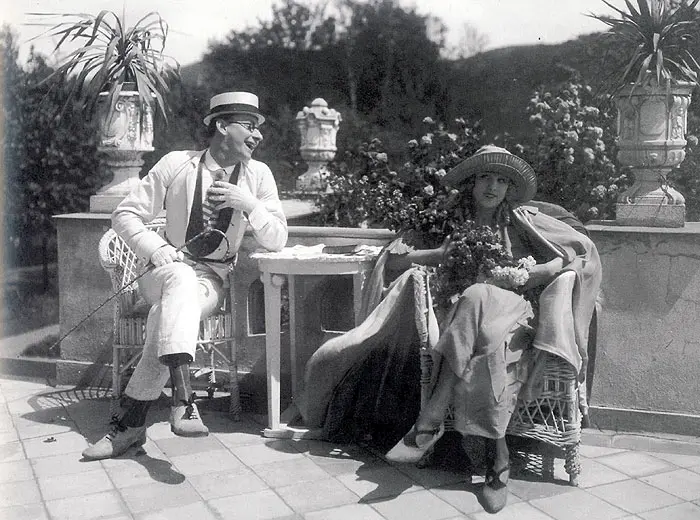
One of the most striking aspects of Tu ten kámen is its use of visual motifs and symbolism, which add depth and complexity to the narrative. The film's use of light and shadow is particularly noteworthy, creating a sense of tension and foreboding that permeates the entire film. As the story unfolds, the viewer is drawn into a world of moral ambiguity, where the lines between right and wrong are constantly blurred, and the characters must navigate the gray areas in between.
In comparison to other films of the era, such as Va banque and Romance, Tu ten kámen stands out for its unique blend of drama and suspense. While films like Der zeugende Tod and A Youthful Affair explore similar themes of love and relationships, Tu ten kámen is distinct in its use of complex characters and intricate plotting. Similarly, films like Her Maternal Right and His Own Medicine may share some similarities with Tu ten kámen in terms of their dramatic scope, but they lack the film's unique visual style and symbolic depth.
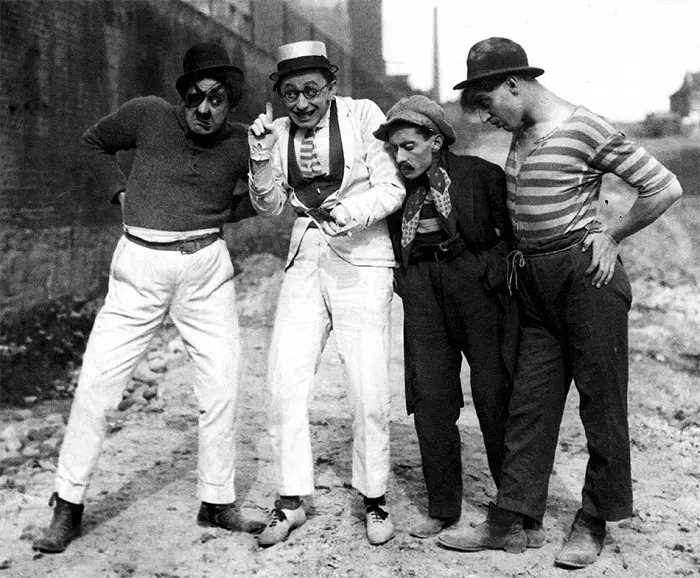
As the film reaches its climax, the viewer is left with a sense of emotional resonance, as the characters' storylines converge in a dramatic and unexpected conclusion. With its richly detailed world and complex characters, Tu ten kámen is a film that will linger in the viewer's mind long after the credits roll, inviting multiple viewings and interpretations. Whether compared to films like La principessa di Bagdad or Hamlet, Tu ten kámen is a cinematic treasure that deserves to be rediscovered and appreciated by audiences today.
In addition to its dramatic scope and visual style, Tu ten kámen is also notable for its historical significance, offering a glimpse into the cultural and social context of the era in which it was made. As a window into the past, the film provides a unique perspective on the values and attitudes of the time, and its thematic resonance continues to resonate with audiences today. Whether viewed as a period piece or a timeless classic, Tu ten kámen is a film that will continue to captivate and inspire audiences for generations to come, and its influence can be seen in films like The Turmoil, The Sign of the Serpent, and The Busy Inn.
The film's influence can also be seen in more recent films, such as The Killer and The Market of Vain Desire, which demonstrate a similar blend of drama and suspense. Additionally, films like Prinzessin Tatjanah and Three Hours Late showcase a similar attention to detail and commitment to storytelling, highlighting the enduring legacy of Tu ten kámen as a cinematic masterpiece.
IMDb —
1920
Community
Log in to comment.