DbcultAccessing Vault...
6/10
Senior Film Conservator
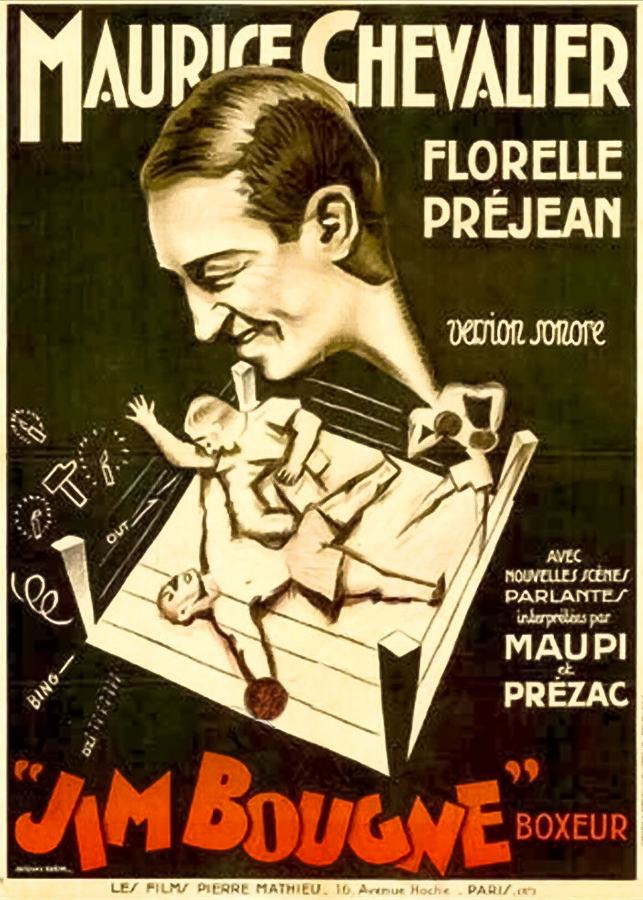
A definitive 6/10 rating for a film that redefined the boundaries of cult cinema. Jim Bougne, boxeur remains a cornerstone of transgressive art.
To witness Jim Bougne, boxeur is to step into a time capsule where the scent of resin and the frantic energy of the Parisian boulevard collide. This 1923 relic, often overshadowed by the grander dramas of its decade, offers a fascinating glimpse into the burgeoning cult of athleticism that gripped post-war Europe. Unlike the somber meditations found in Sapho, this film revels in the absurdity of the human condition, specifically the lengths to which a man will go to secure the hand of his beloved when faced with a father-in-law whose only metric for worth is the strength of a right hook.
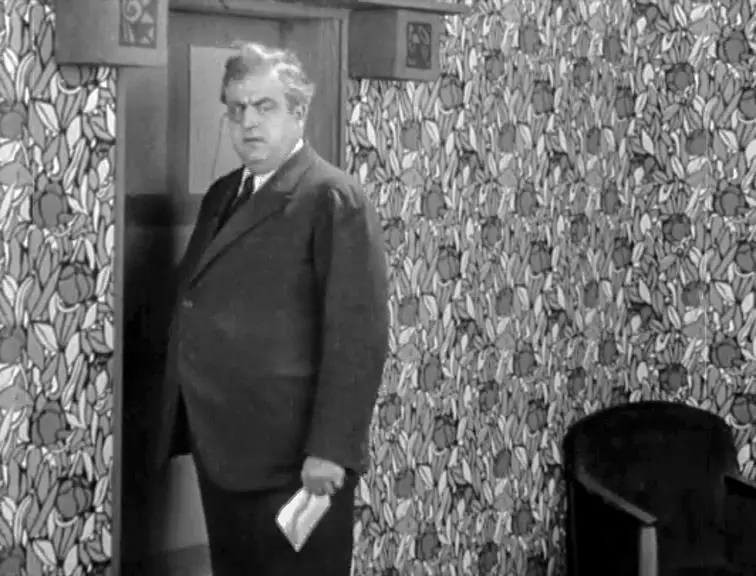
At the heart of the narrative chaos lies M. Martinet, a character portrayed with a delightful, bulging-eyed intensity. Martinet is not merely a fan of boxing; he is an evangelist of the ring. His daughters, Floflo and Lulu, are treated less like debutantes and more like prospective trainees. This obsession with physical prowess serves as a sharp satirical jab at the 'sporting fever' of the era. While films like Overalls explored the dignity of the working man, Jim Bougne, boxeur mocks the fetishization of the professional athlete. Martinet’s insistence that his daughters marry boxers is the ultimate subversion of traditional dowry tropes, replacing land and titles with championship belts and broken noses.
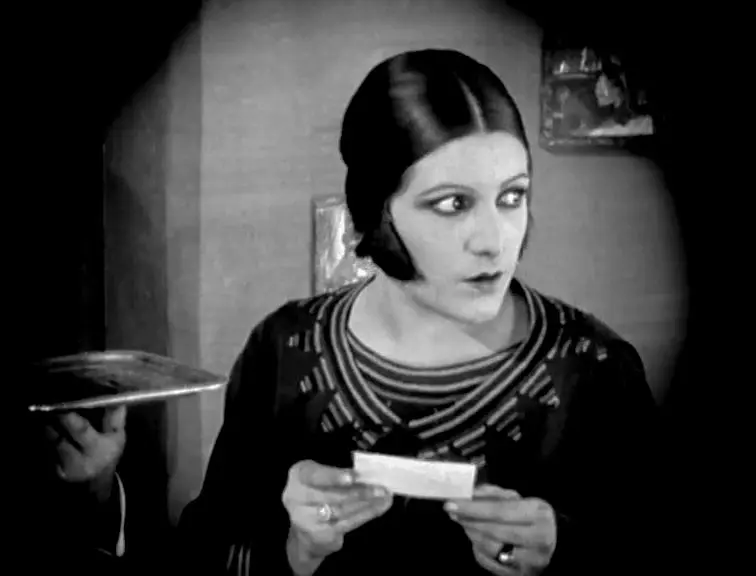
The arrival of Jim Bougne, the 'American' sensation, introduces a layer of cultural commentary. In the early 20s, the United States was the epicenter of boxing glamour, a theme echoed in the rugged landscapes of The Snowshoe Trail. By importing a 'hero' from the West, the film highlights the French fascination with American vitality, only to immediately undercut it by locking that very hero in a closet. It is a brilliant, albeit literal, way of sidelined 'truth' in favor of a convenient lie.
Maurice Chevalier, appearing here with a youthful vigor that predates his Hollywood zenith, is the perfect foil to the hyper-masculine ideal. His Maurice is a man of refinement, or at least a man of non-violence, who finds himself thrust into a world of leather and sweat. The sequence where Lulu convinces her father that the scrawny Maurice is actually the legendary Jim Bougne is a masterclass in silent comedy timing. One can see the DNA of this performance in later works like Dandy Dan: He's a Detective, where the protagonist must navigate a world he is fundamentally ill-equipped for.
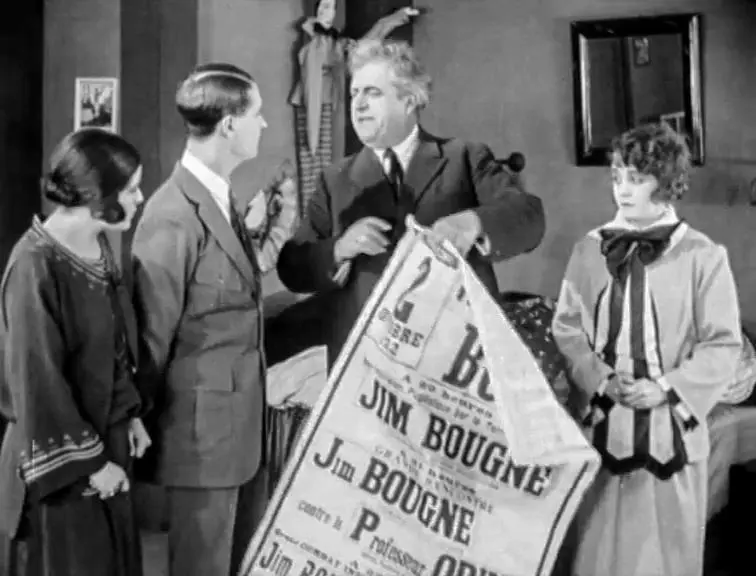
The physical comedy is relentless. Maurice’s attempts to 'look the part' involve a series of contortions and forced bravado that highlight the performative nature of gender. He is essentially playing a character within a character, a meta-commentary on the actor's craft. While Restless Souls dealt with internal psychological turmoil, Jim Bougne, boxeur externalizes every anxiety through a frantic, slapstick-infused lens. The stakes are high: the evening fight against Professor Orino and Marcel Dantesse looms like an executioner’s block.
The cast is bolstered by the likes of Albert Préjean and Georges Milton, actors who understood the rhythmic requirements of the silent frame. Unlike the melodramatic weight of A Wife's Sacrifice or the agrarian sincerity of Gladiola, the performers here lean into the cartoonish. There is a surreal quality to the domestic scenes, reminiscent of the logic-defying visuals in Dreams of the Rarebit Fiend: The Flying House. The way characters zip in and out of frames, the sudden shifts in perspective, and the sheer velocity of the plot keep the viewer in a state of breathless amusement.
Jane Myro and Florelle bring a necessary spark to the Martinet sisters. They are not merely passive prizes to be won; they are the architects of the deception. In an era where female agency was often restricted to the domestic sphere, as seen in Room and Board or Sunshine Nan, Lulu’s quick thinking and decisive action (locking a professional boxer in a closet!) reveal a subversive undercurrent. She is the true manager of this match, manipulating both her father and her lover to achieve her ends.
The film’s climax in the boxing ring is where the disparate elements of farce and sports drama finally fuse. The cinematography captures the claustrophobia of the arena, the smoke-filled air, and the baying crowd. It lacks the grim realism of modern boxing films, opting instead for a choreographed dance of near-misses and accidental triumphs. Much like the tension found in the serial-adventure The Iron Claw, there is a palpable sense of danger, yet it is always tempered by the knowledge that this is a comedy of survival.
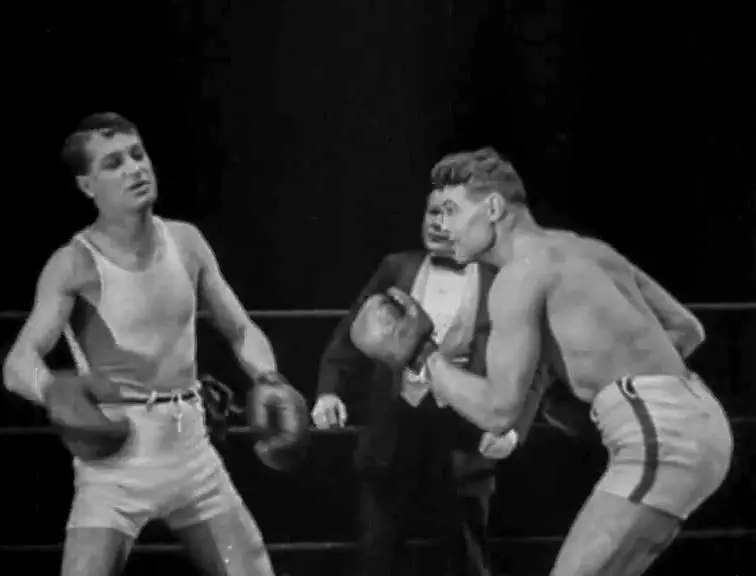
Maurice’s 'bravery' is not the bravery of the skilled fighter, but the bravery of the desperate man. It is a sentiment that resonates with the themes of Hope, where the struggle itself is the victory. When he faces Orino and Dantesse, he is fighting for more than a title; he is fighting for his right to exist in a world that demands he be someone else. The resolution, while predictable in the context of the genre, is immensely satisfying because it validates the 'little man' over the established powerhouse.
From a technical standpoint, the film utilizes the limited lighting of the time to create a stark contrast between the domestic parlor and the visceral gym. The editing is sharp, favoring quick cuts during the boxing matches to simulate the disorientation of a punch. It shares a certain aesthetic DNA with A Corner in Cotton, particularly in its depiction of urban spaces as arenas of conflict—whether financial or physical. The use of intertitles is sparse but effective, allowing the physicality of the actors to carry the narrative weight.
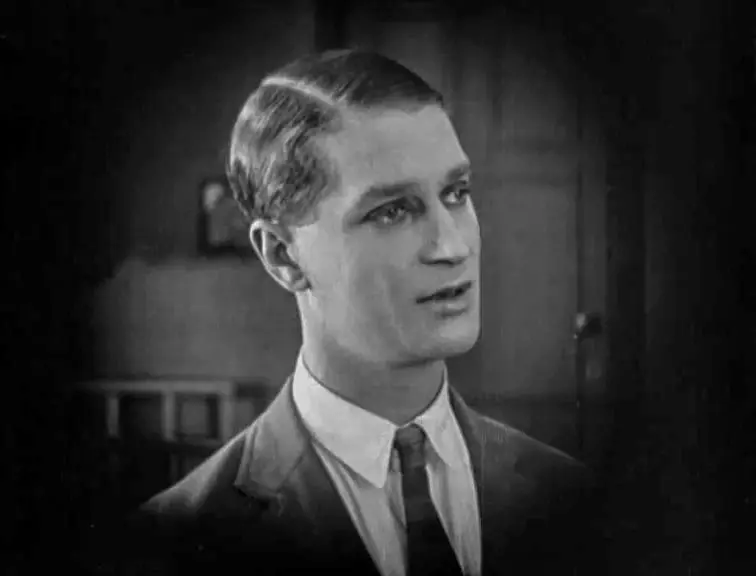
One cannot ignore the influence of the 'bandit' trope popular at the time, as seen in A Baby Doll Bandit. While there are no literal outlaws here, the act of identity theft and the 'heist' of a marriage license involve a similar level of moral flexibility and daring. The film suggests that in the pursuit of love, the laws of the ring and the laws of the land are equally subject to subversion.
Jim Bougne, boxeur remains a vital piece of cinema history because it refuses to take itself seriously while meticulously constructing a world of high stakes. It is a testament to the versatility of its cast and the enduring appeal of the underdog story. Whether you are a fan of the sweet science or a connoisseur of classic French farce, this film offers a rich, multi-layered experience that punches well above its weight class. It reminds us that while strength might win a fight, it is wit—and perhaps a well-placed closet—that wins the day.
In the pantheon of 1920s cinema, it stands as a vibrant, breathing entity, far removed from the static museum pieces one might expect. It is as much a celebration of the era's eccentricities as it is a timeless tale of romantic chicanery. To miss it is to miss a crucial round in the history of the comedic arts.
IMDb —
1926
Community
Log in to comment.