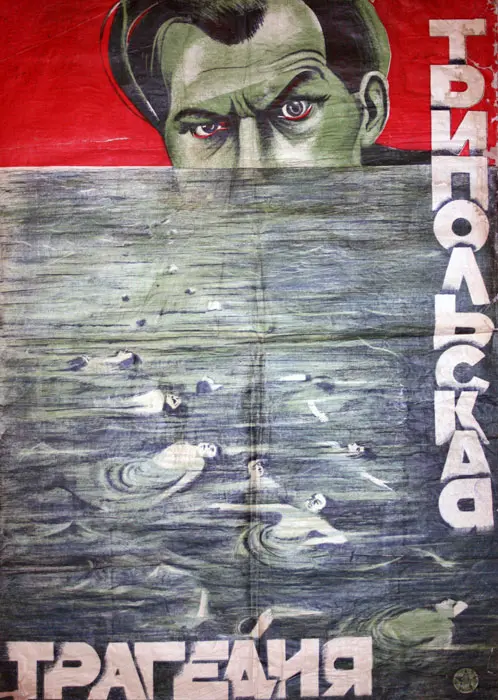
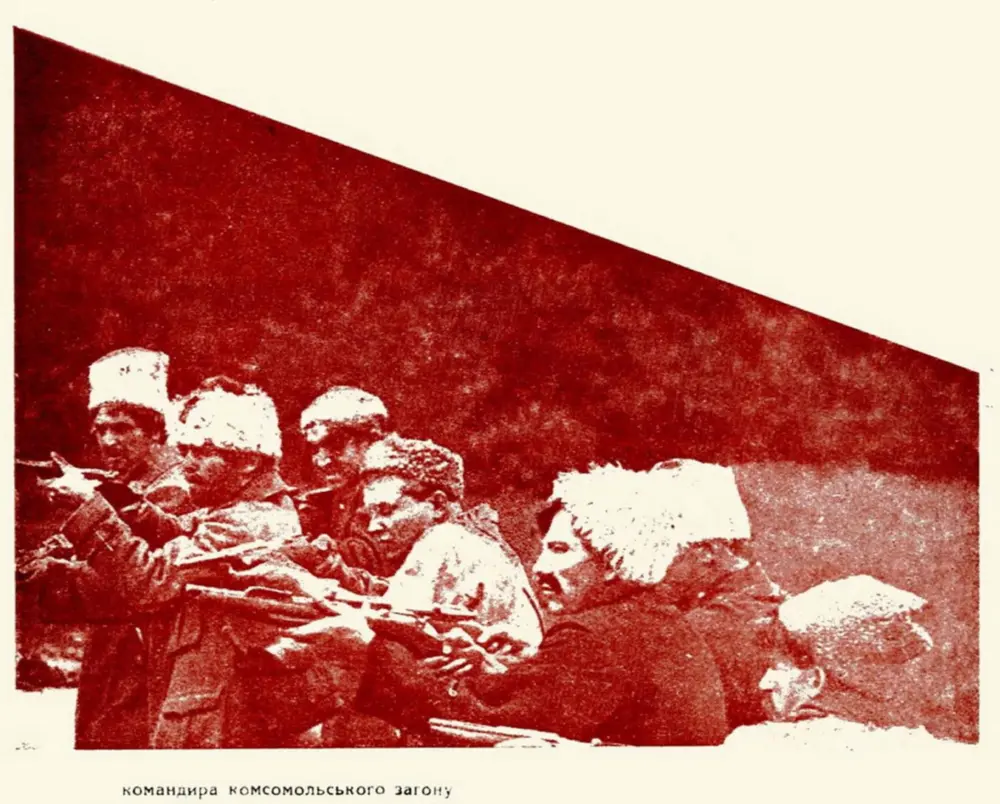
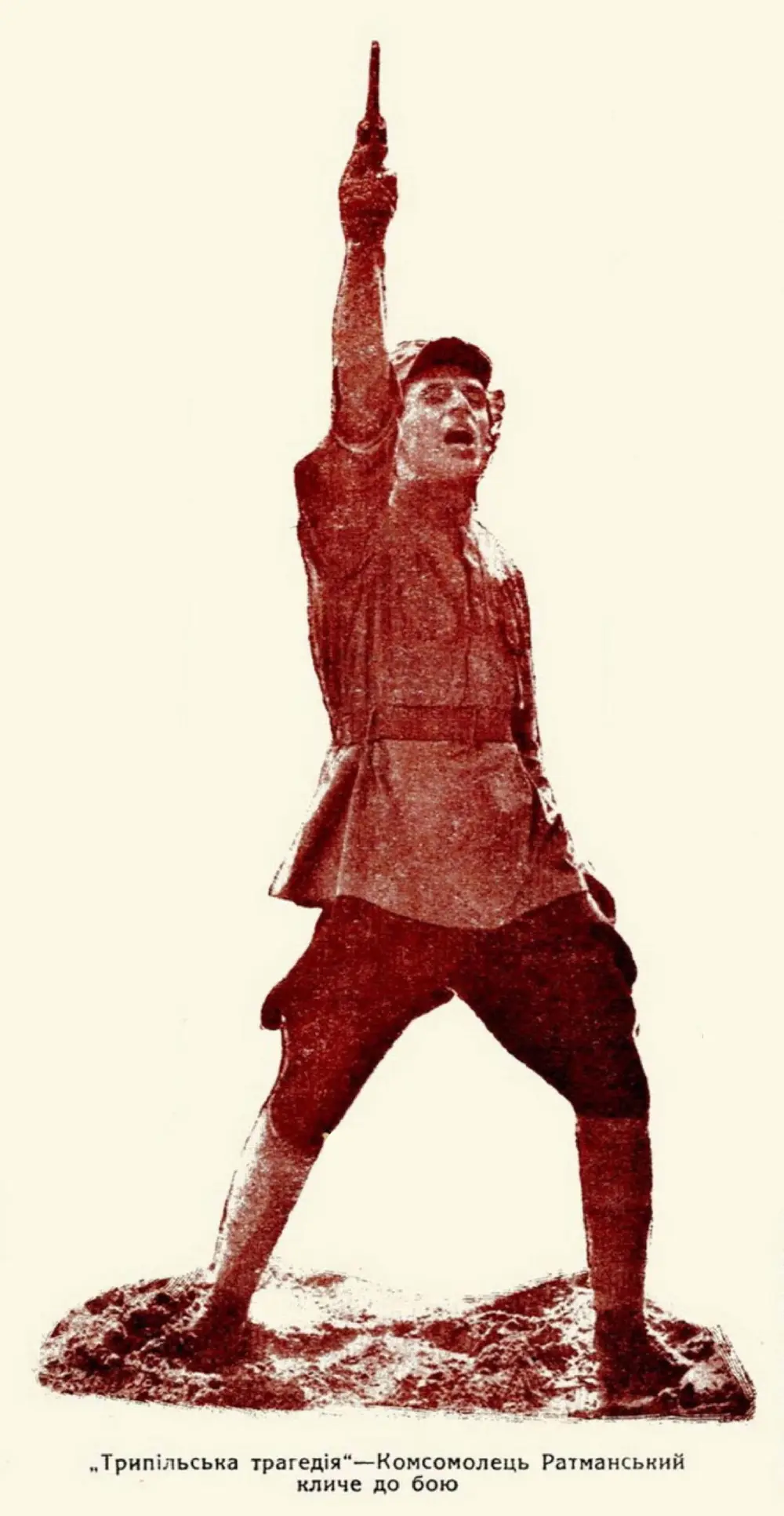
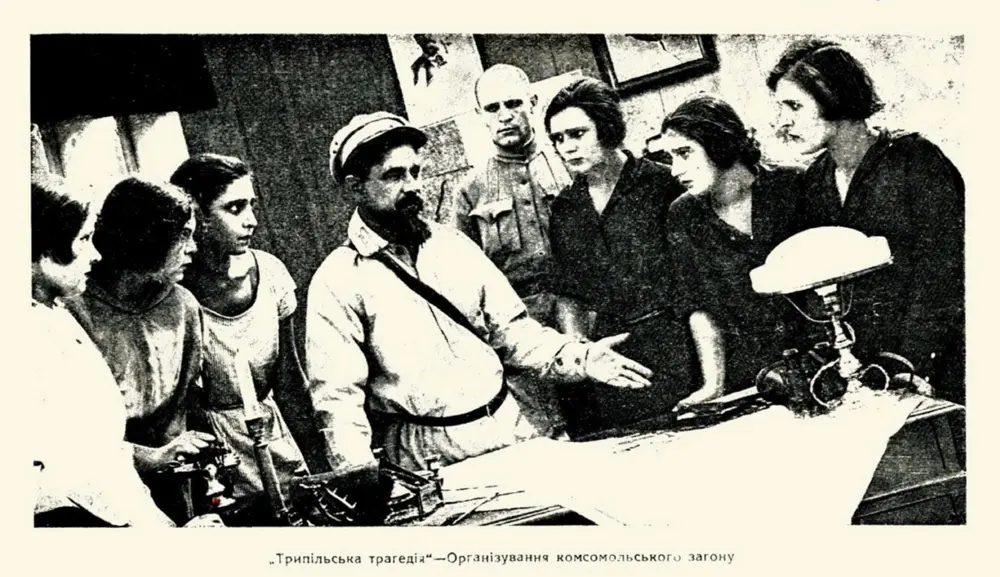
A definitive 6.4/10 rating for a film that redefined the boundaries of cult cinema. The Trypillia Tragedy remains a cornerstone of transgressive art.
Is The Trypillia Tragedy worth watching today? Short answer: yes, but with significant caveats that demand a specific kind of viewer. This film is a potent, if often brutal, cinematic experience that lingers long after the credits roll, yet it's far from an easy recommendation for everyone.
It is unequivocally for those who appreciate challenging historical dramas, stark realism, and profound character studies over conventional plot progression. Conversely, it is decidedly NOT for viewers seeking light entertainment, clear-cut resolutions, or escapism. If you require a fast pace or a feel-good narrative, look elsewhere; this film offers neither.
This film works because of its unflinching commitment to depicting the human cost of an unspeakable event, elevated by raw, authentic performances.
This film fails because its relentless bleakness and deliberate pacing can alienate viewers not prepared for its emotional demands, occasionally tipping into the didactic.
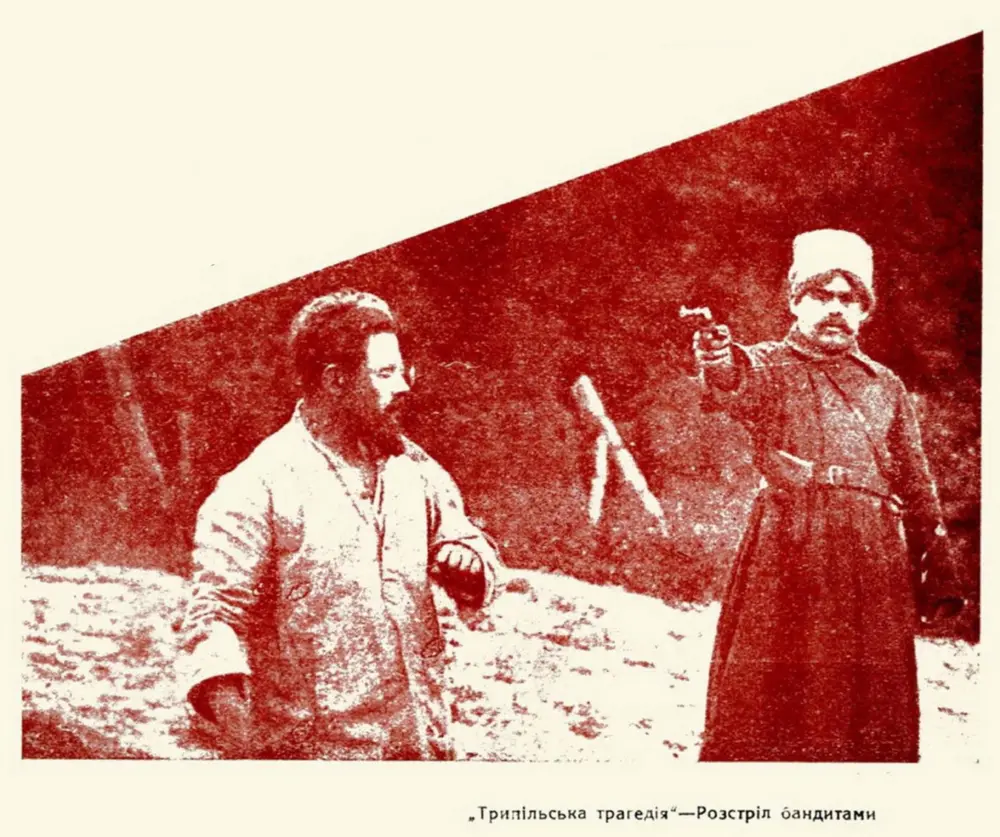
Scene from The Trypillia Tragedy
Cinematic perspective: Exploring the visual vocabulary of The Trypillia Tragedy (1926) through its definitive frames.
You should watch it if you are seeking a profound, emotionally resonant historical drama that prioritizes atmosphere and character over plot, and aren't afraid to confront uncomfortable truths.
A Glimpse into the Abyss: The Narrative Reimagined
The narrative of The Trypillia Tragedy, crafted by Hryhorii Epik, is less a story in the traditional sense and more a prolonged elegy, a cinematic lament for a community irrevocably altered by an unseen, yet deeply felt, catastrophe. It resists the urge to sensationalize, instead choosing to focus on the quieter, more insidious forms of suffering that follow in the wake of disaster. The film doesn't spell out the specifics of the 'tragedy,' which, surprisingly, is one of its greatest strengths. This ambiguity forces the audience to confront the universal nature of loss and devastation, rather than getting bogged down in historical minutiae.
Instead of a linear progression, we are presented with a series of vignettes, each a shard of a shattered mirror reflecting the collective trauma. We witness the erosion of social structures, the quiet desperation in the eyes of the survivors, and the subtle shifts in human relationships under extreme duress. It’s a masterclass in implication, where what is left unsaid often speaks louder than any dialogue. The narrative becomes a canvas for the human spirit's battle against overwhelming odds, a battle often lost, but sometimes, in fleeting moments, defiantly maintained.
Epik's writing forgoes grand pronouncements, opting instead for a grounded, almost journalistic observation of human behavior. The dialogue is sparse, often clipped, reflecting the characters’ exhaustion and the futility of words in the face of such profound suffering. It’s a narrative that demands patience, rewarding those who lean into its deliberate rhythm and allow its somber atmosphere to fully envelop them.
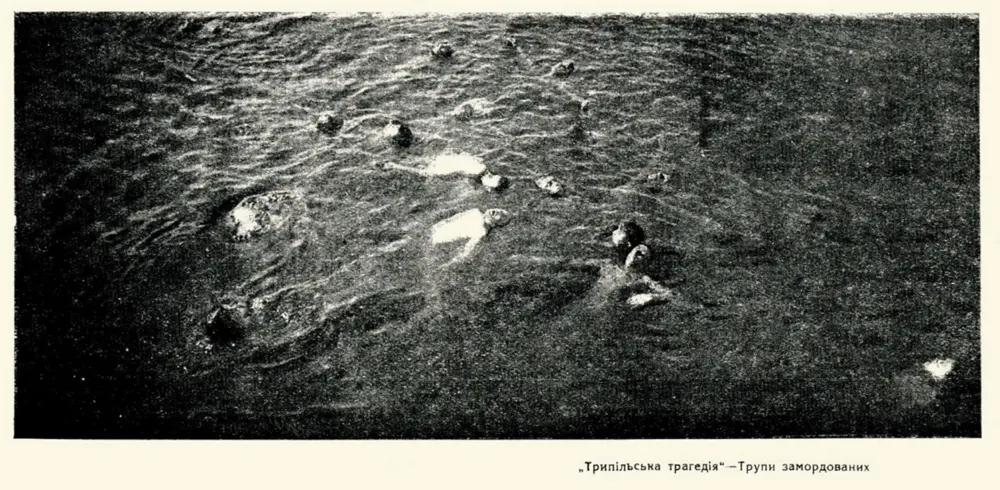
Scene from The Trypillia Tragedy
Cinematic perspective: Exploring the visual vocabulary of The Trypillia Tragedy (1926) through its definitive frames.
The Human Element: Performances Under Pressure
The raw, visceral performances are the very bedrock upon which The Trypillia Tragedy is built. Without a strong ensemble, a film so reliant on emotional resonance would crumble. Fortunately, Aleksandr Timontayev, Boris Bezgin, and Vladimir Shakhovskoy deliver performances that transcend mere acting, embodying the very soul of a suffering people.
Aleksandr Timontayev, as the weary patriarch, anchors the film with a performance of quiet, simmering desperation. His portrayal, particularly in the scene where he silently mends a broken tool, speaks volumes about a man trying to hold onto purpose when all else is lost. There's a profound dignity in his struggle, a refusal to fully break, even as his spirit is visibly eroding. It's a testament to his subtle craft that he conveys so much with so little overt expression.
Boris Bezgin’s portrayal of a community elder, initially a pillar of strength, subtly cracks under the strain. His transformation is gradual, heartbreaking, culminating in a devastating, wordless stare into the middle distance that haunts long after the credits have rolled. Bezgin understands that true despair isn't always loud; sometimes, it's a silent surrender, a vacant gaze that communicates the death of hope more effectively than any scream.
Vladimir Shakhovskoy, often relegated to supporting roles, seizes his opportunity here, embodying the simmering resentment and eventual breakdown of a younger man unable to reconcile with the new, brutal reality. His frantic monologue during the village meeting, a desperate plea for action against an invisible enemy, is a standout moment of raw, unbridled emotion. It’s a performance that adds a vital layer of youthful, frustrated anger to the film’s otherwise somber tapestry.
Scene from The Trypillia Tragedy
Cinematic perspective: Exploring the visual vocabulary of The Trypillia Tragedy (1926) through its definitive frames.
Together, these actors create an ecosystem of suffering and resilience that feels utterly authentic. Their interactions, whether strained silences or fleeting moments of solidarity, paint a harrowing, yet deeply human, picture of survival.
Crafting Despair: Direction and Cinematography
The direction in The Trypillia Tragedy is as uncompromising as its subject matter. The director, with a keen eye for oppressive beauty, frequently employs wide, static shots of the barren landscape, dwarfing the human figures within. This isn't just aesthetic choice; it's a stark reminder of their insignificance against nature's indifference and the overwhelming forces that have befallen them. The vastness of the land accentuates the isolation and vulnerability of the individual.
The cinematography is masterful in its ability to evoke a sense of dread and hopelessness. The use of deep focus in scenes of communal work, such as the arduous replanting sequence, subtly emphasizes the collective struggle, each individual’s effort visible yet ultimately part of a larger, overwhelming task. There’s a palpable sense of shared burden, captured beautifully by the camera's patient gaze. The visual language is dominated by a muted, almost sepia-toned palette, evoking a sense of faded memory and inevitable decay. The single, fleeting splash of vibrant red – perhaps a forgotten scarf or a wilting flower – feels like a punch to the gut, a brief, painful reminder of what once was, of life before the tragedy. It’s a powerful, almost brutalist approach to visual storytelling.
The framing often isolates characters, even when they are in groups, highlighting their internal struggles and the profound loneliness that accompanies such widespread grief. The camera acts as an impartial observer, refusing to sentimentalize the suffering, instead presenting it with a stark, almost documentary-like honesty. This directorial choice can be challenging, but it ensures the film’s emotional impact is earned, not manipulated.
Scene from The Trypillia Tragedy
Cinematic perspective: Exploring the visual vocabulary of The Trypillia Tragedy (1926) through its definitive frames.
Rhythm of Ruin: Pacing and Tone
The pacing of The Trypillia Tragedy is deliberate, almost glacial, particularly in its first act. This slow burn is not a flaw; it's a crucial component of the film's immersive power. It establishes a suffocating sense of impending doom, allowing the audience to truly inhabit the characters' anxieties before the tragedy fully unfolds and its aftermath settles in. The film understands that grief and trauma are not sudden explosions but drawn-out processes, and its rhythm mirrors this agonizing reality.
The tone is relentlessly grim. It's an oppressive atmosphere, heavy with sorrow and resignation, yet punctuated by moments of stark, poetic beauty – a child's fleeting smile, a shared glance of defiance – which only serve to heighten the eventual despair by offering tantalizing glimpses of what could have been. These brief flashes of light make the encroaching darkness even more profound. Some might argue the film's relentless bleakness borders on nihilism, but I contend it's a vital, albeit uncomfortable, meditation on the human spirit's breaking point, a necessary antidote to overly optimistic narratives.
The sound design also plays a critical role in establishing this tone. The wind, the creaking of old wood, the distant, mournful cries – all contribute to an auditory landscape that feels both desolate and deeply unsettling. The absence of a traditional musical score for long stretches further emphasizes the stark realism, making the sparse, haunting melodies that do appear all the more impactful. It's relentless. But it's necessary.
Is The Trypillia Tragedy Worth Watching Today?
Should I watch The Trypillia Tragedy?
Yes, if you are prepared for a challenging, emotionally demanding drama. It is not for casual viewing.
Scene from The Trypillia Tragedy
Cinematic perspective: Exploring the visual vocabulary of The Trypillia Tragedy (1926) through its definitive frames.
What kind of film is it?
It's a historical drama focused on human resilience and tragedy, with strong elements of social commentary.
Is it a happy movie?
Absolutely not. It is deeply somber and often bleak.
Who would enjoy this film?
Fans of European art-house cinema, historical dramas, and films like The Burning Soil or Kino-pravda no. 4 might find much to appreciate.
What are its main strengths?
Its profound emotional depth, powerful acting, and unflinching realism are its key strengths.
Pros and Cons
Pros:
Exceptional Acting: The performances, particularly from Timontayev and Bezgin, are deeply authentic and emotionally resonant, carrying the film's weight.
Unflinching Realism: The film doesn't shy away from the harsh realities of its subject matter, offering an honest, unvarnished look at human suffering and resilience.
Atmospheric Cinematography: The visual style is starkly beautiful, effectively conveying the desolate landscape and the characters' internal states.
Profound Thematic Depth: It explores universal themes of loss, survival, community, and the human spirit's breaking point without being didactic.
Thought-Provoking: The ambiguity surrounding the 'tragedy' compels viewers to engage intellectually and emotionally, pondering its broader implications.
Cons:
Relentless Bleakness: The film's consistently somber tone can be overwhelming for some viewers, offering little in the way of conventional hope or relief.
Deliberate Pacing: Its slow, meditative rhythm might test the patience of audiences accustomed to faster-paced narratives.
Lack of Specificity: While a strength for some, the vague nature of the 'tragedy' might leave others craving more concrete plot details or historical context.
Emotionally Draining: It's a heavy film that demands emotional investment, making it unsuitable for light viewing.
Limited Accessibility: Its art-house sensibilities and challenging themes mean it won't appeal to a broad mainstream audience.
Key Takeaways
Best for: Viewers who appreciate challenging, profound historical dramas and character studies.
Not for: Those seeking light entertainment, fast pacing, or clear-cut heroic narratives.
Standout element: The raw, understated performances, particularly Aleksandr Timontayev's portrayal of quiet desperation.
Biggest flaw: Its potentially alienating, unrelenting bleakness and slow pace.
Verdict
The Trypillia Tragedy is not merely a film; it is an experience, a deeply unsettling and profoundly moving journey into the heart of human endurance. It demands your attention, your patience, and your emotional fortitude, and in return, it offers a cinematic reward that few contemporary films can match. While the lack of a clear antagonist can feel frustrating for viewers accustomed to more conventional storytelling, this very ambiguity is where the film finds its unique power, positioning fate itself as the true adversary. It asks difficult questions about survival, memory, and the cost of resilience, refusing to provide easy answers.
It's a film that will undoubtedly divide audiences. Some will find its deliberate pacing and pervasive gloom unbearable, a cinematic exercise in masochism. Others, however, will recognize it as a vital piece of storytelling, a testament to the power of cinema to explore the darkest corners of the human condition with unflinching honesty. It is a slow burn, yes, but one that ignites a lasting flame of reflection within the viewer. Much like She Wolves, it’s a film that respects its audience enough to not spoon-feed them, trusting them to grapple with its profound implications.
Ultimately, The Trypillia Tragedy is a challenging masterpiece, a film that doesn't just ask you to watch, but to feel, to ponder, and to remember. It’s a powerful reminder that sometimes, the most resonant stories are those that leave you with more questions than answers, and an ache in your soul that signifies true emotional engagement. If you are prepared for its weight, it is an essential watch.