DbcultAccessing Vault...
5.1/10
Senior Film Conservator
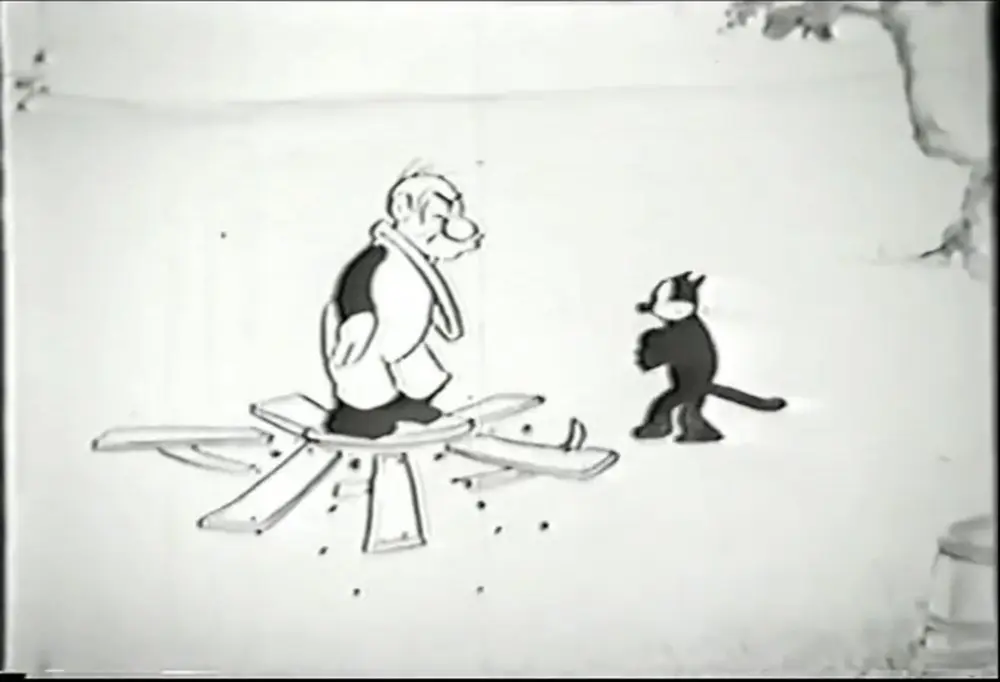
A definitive 5.1/10 rating for a film that redefined the boundaries of cult cinema. Why Argue? remains a cornerstone of transgressive art.
Is 'Why Argue?' a necessary watch for the modern comedy fan? Short answer: yes, but primarily as a historical dissection of Stan Laurel's evolving physical language. This film is for silent cinema purists and comedy historians; it is not for those who demand narrative complexity or high-definition polish.
The film works because it captures a pre-Hardy Laurel at his most kinetic and experimental. However, it fails because the internal logic of the gags relies on a level of repetitive violence that can feel exhausting by the ten-minute mark. You should watch it if you want to see the raw blueprints of what would eventually become the world's most famous comedy duo.
1) This film works because the timing of the window-breaking sequence is a masterclass in early practical effects and stunt coordination.
2) This film fails because the supporting cast lacks the distinct personality needed to ground Laurel’s frantic energy.
3) You should watch it if you are interested in the evolution of the 'innocent destructive' persona that Laurel perfected in the 1920s.
In 1919, comedy was still finding its feet in the transition from stage to screen. 'Why Argue?' is a perfect example of this friction. The film doesn't rely on clever dialogue—it couldn't, being silent—but rather on the way a body moves through a hostile environment. Stan Laurel’s performance here is fascinatingly different from the Stan we know from the 1930s. He is faster, leaner, and arguably more aggressive in his incompetence.
Consider the central gag involving the storefront glass. In modern cinema, this would be a CGI afterthought. In 1919, it was a dangerous, expensive, and technically difficult stunt. The way Laurel positions his body before the impact shows a level of spatial awareness that few modern actors possess. He isn't just falling; he is composing a frame with his limbs. It is a violent ballet.
We see similar explorations of physical comedy in contemporary shorts like Hustling for Health. However, 'Why Argue?' feels more grounded in a specific urban anxiety. The shop is a microcosm of society, and Stan is the wrench in the gears. He isn't trying to be bad. He is just fundamentally incompatible with the world’s rules.
If you are looking for a laugh-out-loud experience that rivals modern sitcoms, you will be disappointed. But if you are looking for the 'missing link' in comedy history, this is essential. It provides a rare glimpse into the development of a comedic genius before he found his perfect foil. It is a rough draft of greatness.
The pacing is frantic. Unlike the slow-burn tension of All Wrong Ambrose, 'Why Argue?' moves at a breakneck speed that mirrors the anxiety of the early industrial era. Everything is fragile. Everything can break. And in Stan’s hands, everything eventually does.
The direction in 'Why Argue?' is functional rather than artistic. The camera remains mostly static, acting as a proscenium arch for the actors. This was common for the time, as seen in The Reign of Terror, but here it serves a specific purpose. By keeping the camera still, the director allows the audience to track the complex movement of the slapstick gags without getting lost in cuts.
There is a specific shot where Stan is trapped between the shopkeeper and a collapsing shelf. The framing is tight, almost claustrophobic. This reinforces the theme of the film: the world is closing in on the individual. It’s a simple visual trick, but it works effectively to heighten the stakes of the comedy. It makes the eventual 'explosion' of the gag feel like a necessary release of pressure.
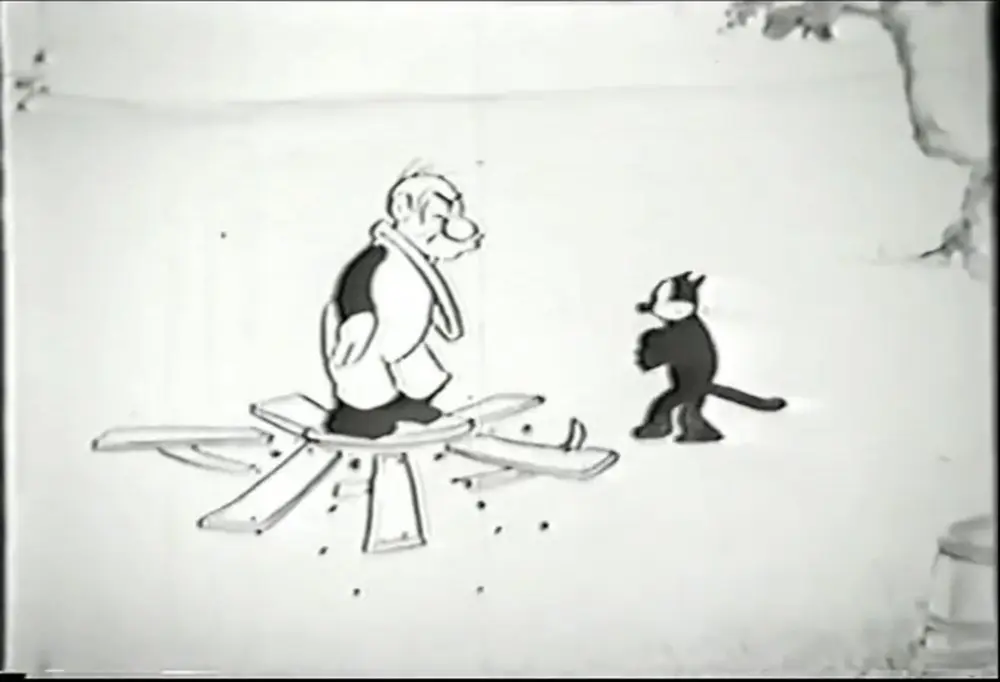
The lighting is flat, which is to be expected from the era’s orthochromatic film stock. However, the use of deep shadows in the back of the shop adds a layer of unintentional grit. It makes the setting feel lived-in and real, which contrasts sharply with the absurd behavior of the characters. It is this contrast between the real world and the unreal character that makes the film pop.
When we look at other films from the same period, like The Border Sheriff, we see a focus on rugged individualism and clear-cut heroism. 'Why Argue?' is the antithesis of that. Stan is not a hero. He is barely a protagonist. He is a catalyst for chaos. This subversion of the 'leading man' was radical at the time.
Even in more dramatic works like L'ira or The Despoiler, the focus is on the impact of actions. In 'Why Argue?', the actions themselves are the point. There is no moral lesson. There is no character growth. There is only the immediate, visceral reaction to a pane of glass shattering. It is pure, unadulterated cinema.
The film lacks the romantic undertones found in Wrath of Love or the historical weight of I Borgia. Instead, it offers a cynical, almost nihilistic view of human interaction. Why argue? Because communication is impossible, and the only logical conclusion to any conversation is a physical fight. It’s a bleak outlook wrapped in a funny hat.
Pros: The film is a lean, mean comedy machine. At its short runtime, it doesn't overstay its welcome. Laurel’s performance is electric, showing a level of energy that he would later trade for the 'slow-burn' style. The technical execution of the stunts is genuinely impressive for 1919.
Cons: The supporting characters are largely forgettable. Unlike the rich world-building in The Tenth Woman, the setting here feels like a generic stage set. The 'humor through destruction' can feel a bit one-note for modern audiences accustomed to more layered comedy.
There is a strange, almost haunting quality to the way Stan Laurel interacts with objects in this film. It’s as if he believes the objects are sentient and out to get him. This 'animism' of the physical world became a staple of his later work, but here it feels more primal. He doesn't just bump into a door; he enters into a psychological battle with it. It’s weird. It’s brilliant. And it’s slightly unsettling.
This psychological depth is often overlooked in favor of the 'funny faces' he makes. But if you watch his eyes, there is a genuine sense of panic. He is a man who knows he is about to break something, but he is powerless to stop his own body. It’s a tragedy played as a farce.
'Why Argue?' is not a masterpiece. It is a blueprint. It is the sound of a comedian finding his voice in a silent world. While it lacks the emotional resonance of Laurel and Hardy’s best work, it possesses a raw, punk-rock energy that is often missing from later, more polished studio productions. It is short, sharp, and violent. It works. But it’s flawed. If you want to understand where modern comedy came from, you have to look at the broken glass of 1919.
Ultimately, the film stands as a testament to the power of the individual performer. Even without a strong script or high production values, Stan Laurel commands the screen. He is the sun around which all the chaos orbits. To watch 'Why Argue?' is to witness the birth of a legend, one broken window at a time.
IMDb 4.3
1911
Community
Log in to comment.