DbcultAccessing Vault...
Cult Review
Senior Film Conservator
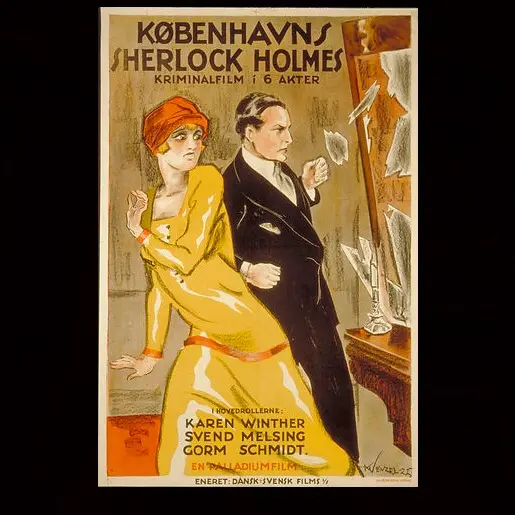
Short answer: Only if you are a dedicated film historian or a Sherlock Holmes completionist. For everyone else, the glacial pacing and technical limitations of 1918 make it a difficult sit.
This film is for viewers who find beauty in the flickering grain of silent nitrate and those interested in how national identities reshape global icons. It is absolutely not for anyone expecting the high-octane wit of Benedict Cumberbatch or the cinematic polish of modern detective thrillers.
1) This film works because it captures a unique, proto-noir atmosphere that predates the genre's formalization.
2) This film fails because the narrative structure relies too heavily on static title cards that kill the momentum of the mystery.
3) You should watch it if you want to see how Danish cinema attempted to compete with international blockbusters during the silent era.
Københavns Sherlock Holmes is a fascinating artifact of a time when copyright laws were suggestions and the world was hungry for the Great Detective. Watching Sigurd Langberg step into the shoes of Sherlock is an exercise in cognitive dissonance. He doesn't carry the lean, hawk-like intensity we expect. Instead, there is a grounded, almost bureaucratic weight to his performance. It’s a choice that reflects the Danish sensibility of the time—less about the eccentric genius and more about the methodical professional.
The direction by Aage Falck-Rasmussen lacks the experimental flair seen in contemporary works like Hamlet. Where other Danish films of the period were beginning to play with depth of field, this film remains stubbornly flat. The camera often sits at eye level, watching the actors move across the frame like figures in a diorama. It works. But it’s flawed. The lack of visual dynamism means the burden of the story falls entirely on the actors' expressions, which, in the silent era, often teetered on the edge of pantomime.
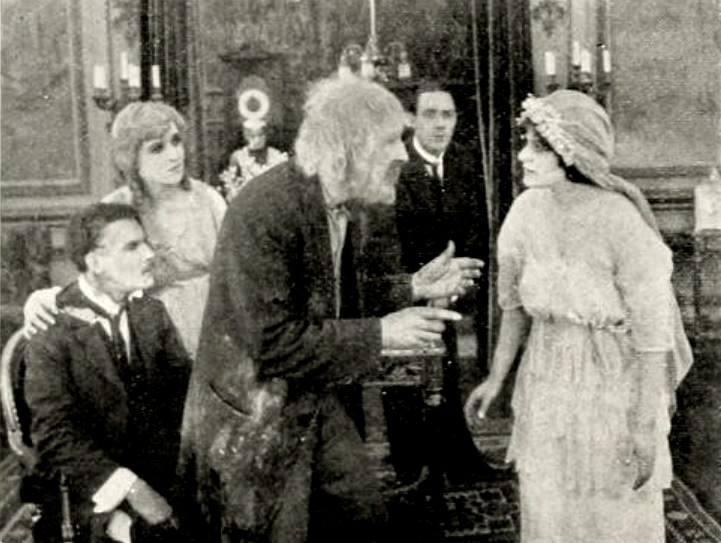
Karen Winther provides a necessary emotional anchor, though her role is largely confined to the 'distressed lady' archetype common in early detective fiction. There is a specific scene in the second act where she confronts the primary antagonist in a dimly lit parlor. The use of shadow here is one of the few moments where the cinematography feels intentional. The darkness swallows the corners of the room, mirroring her increasing isolation. It’s a stark contrast to the bright, overexposed outdoor sequences that feel far less controlled.
Sigurd Langberg’s Holmes is surprisingly physical. In one sequence involving a chase near the docks, he moves with a surprising agility that breaks the stiff formality of his earlier scenes. This isn't the cocaine-addicted violinist of the books; this is a man of action. Comparing this to the gothic tones of Der Vampyr, one can see the divergence in how European cinema handled tension. While the latter used surrealism, Københavns Sherlock Holmes tries to stay rooted in a mundane, albeit dangerous, reality.
The pacing is the film's greatest enemy. In 1918, the language of film editing was still being written. Transitions between scenes often feel abrupt, leaving the viewer to play catch-up with the plot. However, the production design deserves credit. The recreation of a high-society Danish household feels authentic and lived-in. The heavy oak furniture and ornate wall coverings aren't just props; they communicate the stifling weight of the class system that the detective must navigate.
One surprising observation: the film subtly critiques the very class it portrays. The 'villains' are not monsters from the underworld but often members of the same elite circles that Holmes is hired to protect. This cynical view of the upper crust gives the film a bite that many of its contemporaries lacked. It’s a theme that would later be explored with more nuance in films like Lord Jim, but seeing the seeds of it here is remarkable.
For the casual viewer, the answer is a firm no. The narrative payoffs are too slow, and the visual language is too dated to provide modern entertainment value. However, for those interested in the evolution of the detective genre, it is an essential piece of the puzzle. It shows a world before the 'Sherlockian' tropes were set in stone. You can see the filmmakers grappling with how to visualize internal deduction—a problem that cinema wouldn't truly solve for another several decades.
Københavns Sherlock Holmes is a ghost of a film. It haunts the periphery of cinema history, offering a glimpse into a localized film industry trying to make its mark on a global stage. It isn't a masterpiece, and it isn't particularly thrilling by today's standards. But it is honest. It represents a bridge between the stage-bound dramas of the early 1900s and the cinematic language that would eventually give us the great noir classics. If you have the patience to sit through its silences, you will find a film that is more about the mood of a city than the brilliance of a mind. It’s a slow burn that occasionally forgets to stay lit, but the embers are worth poking at for a while.
IMDb —
1923
Community
Log in to comment.