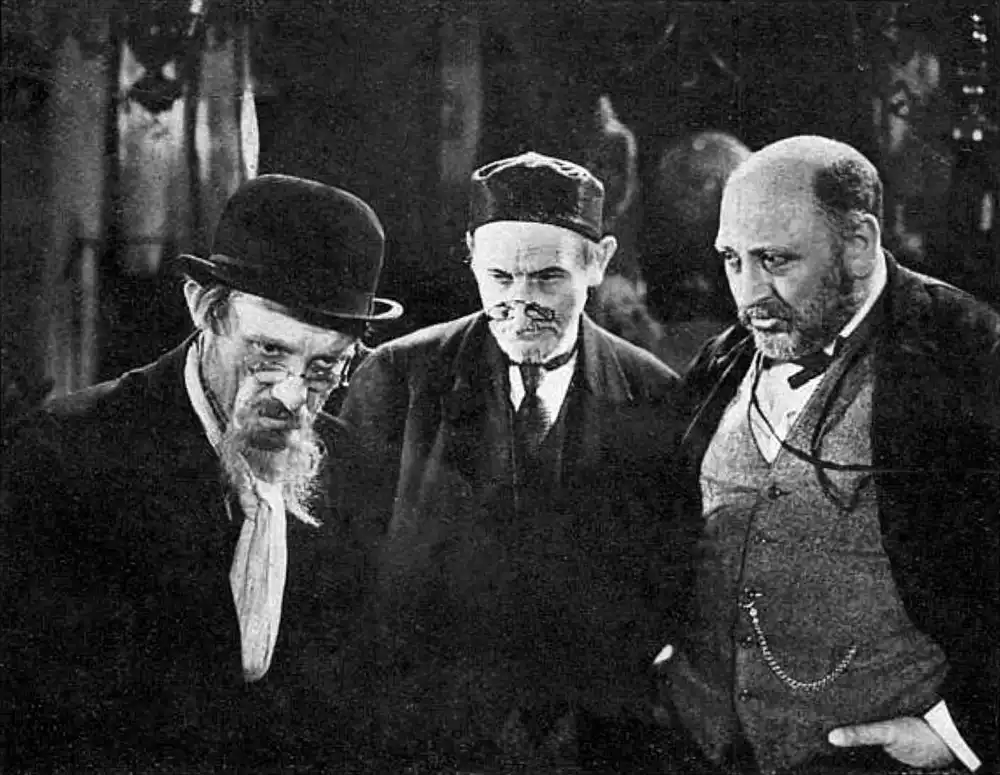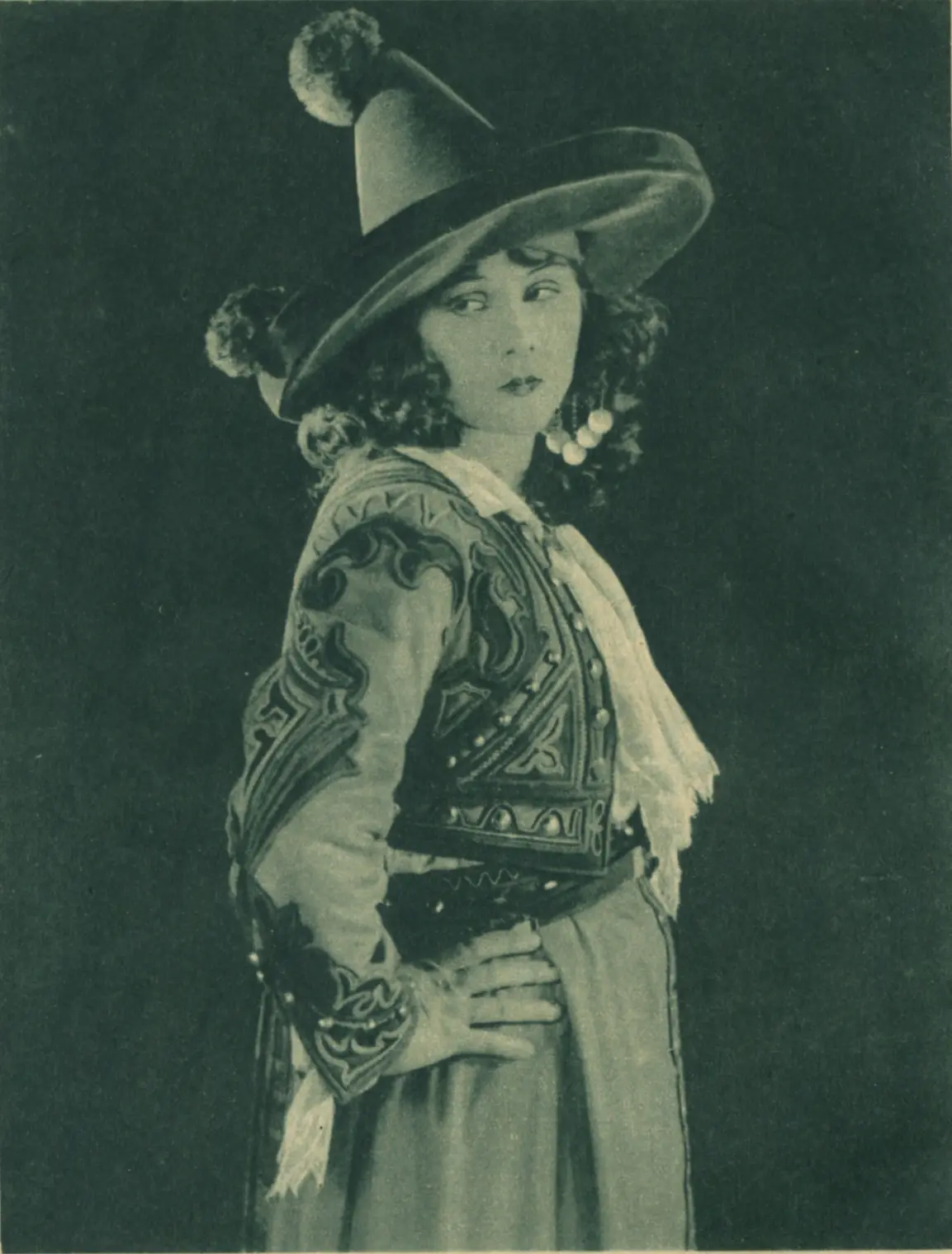
The silent era of the 1920s was a period of profound aesthetic transmutation, where the burgeoning language of cinema sought legitimacy through the pillars of classical literature. Among these ambitious endeavors, André Hugon’s 1924 production of La gitanilla stands as a resplendent, if occasionally overlooked, monumen...
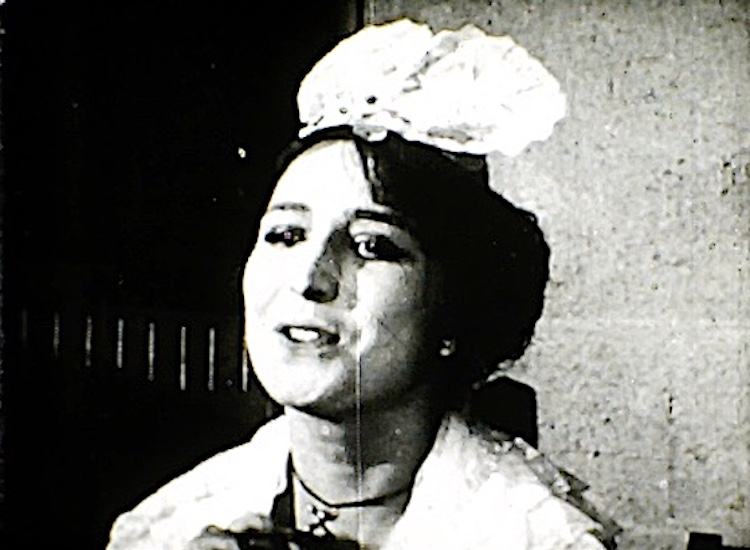
still_frame
Comparing the cinematic DNA and archive impact of two defining moments in cult history.
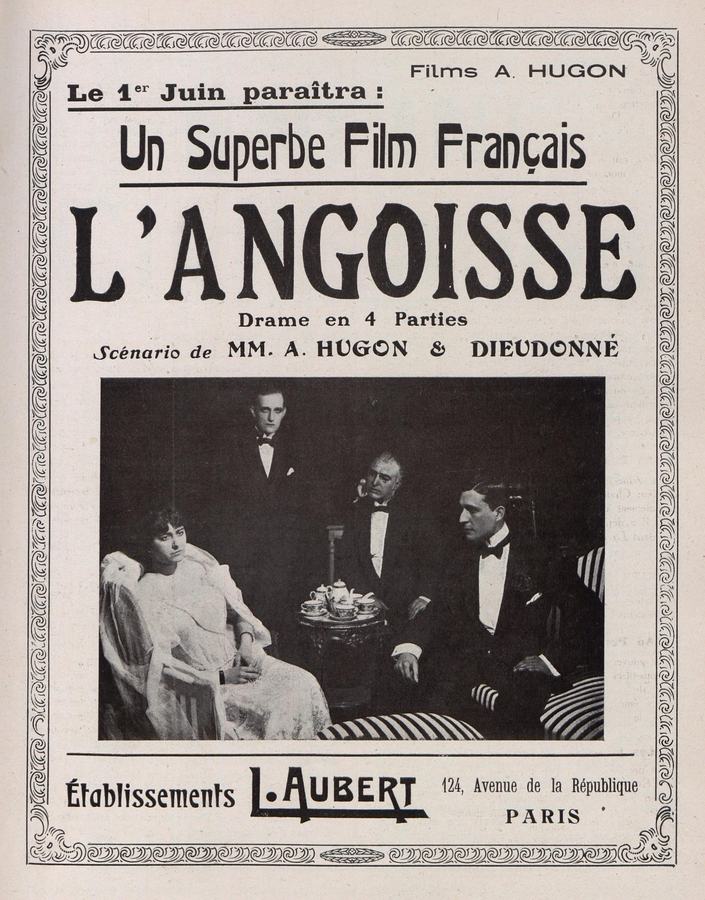
André Hugon
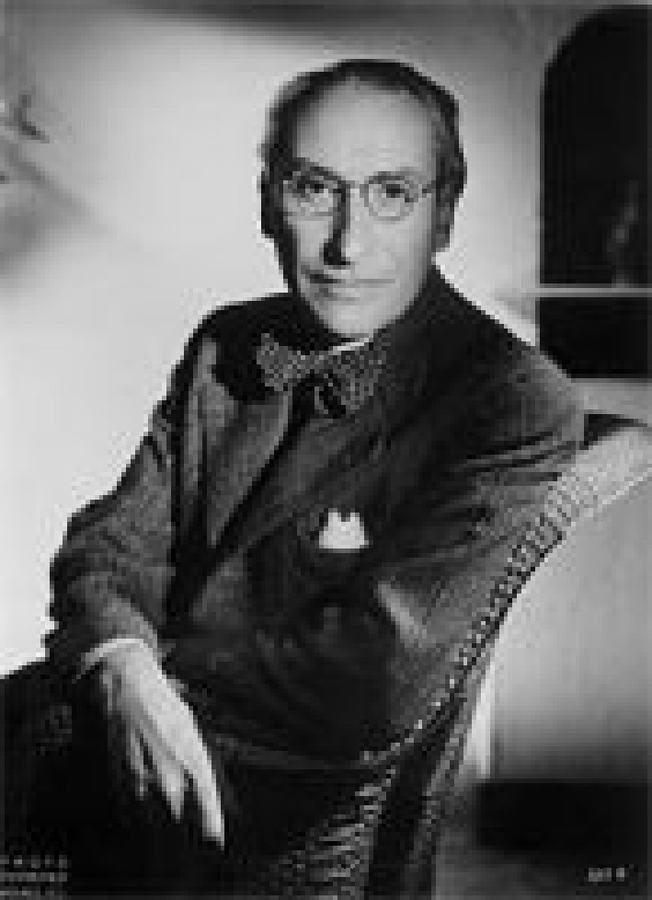
André Hugon
Community
Log in to comment.
"The silent era of the 1920s was a period of profound aesthetic transmutation, where the burgeoning language of cinema sought legitimacy through the pillars of classical literature. Among these ambitious endeavors, André Hugon’s 1924 production of La gitanilla stands as a resplendent, if occasionally overlooked, monument to the enduring power of Miguel de Cervantes’ prose. This is not merely a rote adaptation of the 1613 novella; it is a visual symphony that captures the tension between the seden..."
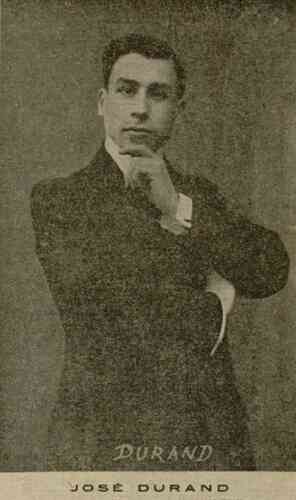
José Durany
André Hugon, Miguel de Cervantes y Saavedra
France