DbcultAccessing Vault...
5.8/10
Senior Film Conservator
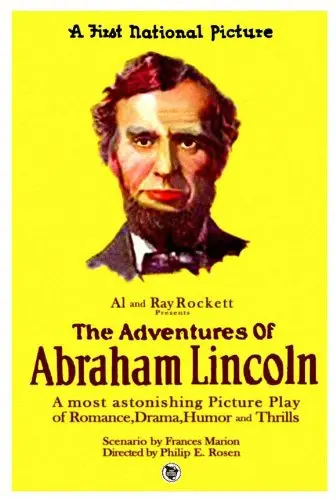
A definitive 5.8/10 rating for a film that redefined the boundaries of cult cinema. The Dramatic Life of Abraham Lincoln remains a cornerstone of transgressive art.
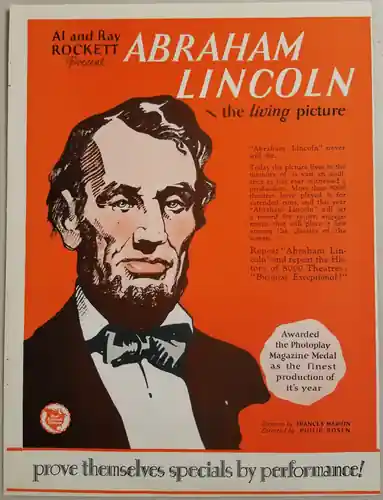
In the annals of silent cinema, few figures loom as large or as dauntingly as the 16th President of the United States. While modern audiences might be more accustomed to the digital sheen of contemporary biopics, there is an ancestral power in Phil Rosen’s 1924 silent epic, The Dramatic Life of Abraham Lincoln. This isn't merely a film; it is a historical artifact that captures the intersection of nascent Hollywood glamour and a sincere, almost devotional attempt to reconstruct the American past. Written by the formidable Frances Marion, the screenplay eschews the dry, pedantic pacing of a textbook, opting instead for a series of high-stakes vignettes that prioritize emotional resonance over mere chronological bookkeeping.
The film opens with a striking visual austerity. We are introduced to the Lincoln family not as icons, but as laborers. The cinematography utilizes a rugged, naturalistic lighting that contrasts sharply with the more stylized, expressionistic tendencies found in European films of the same era, such as Shattered (1921). Where the latter uses shadows to evoke psychological decay, Rosen uses the vast American landscape to suggest a burgeoning destiny. The early scenes in New Salem are particularly poignant, featuring Ruth Clifford as Ann Rutledge. Her performance provides a delicate, ethereal counterpoint to the ruggedness of the frontier, making her eventual demise a catalyst for the profound melancholy that would define Lincoln’s public persona.
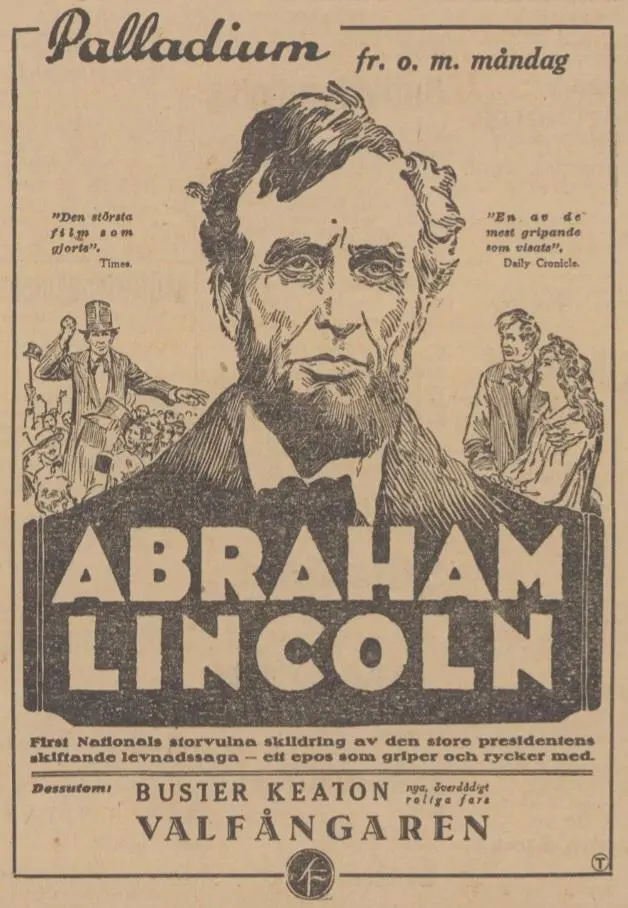
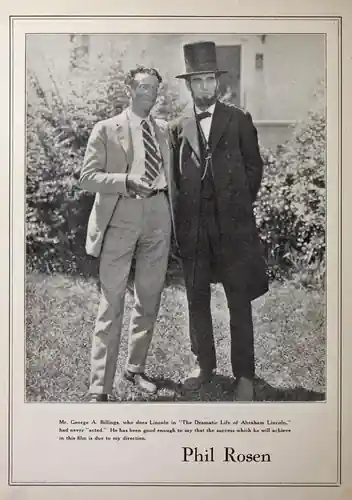
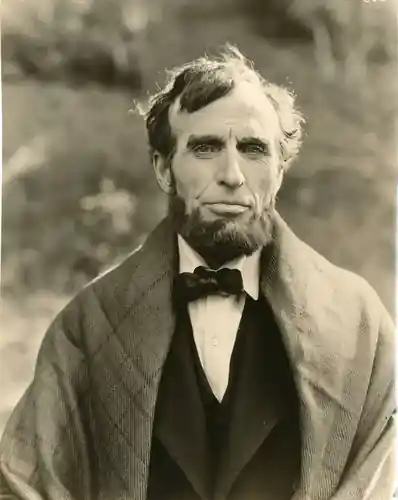
The success of any Lincoln biopic rests squarely upon the shoulders of its lead. George A. Billings delivers a performance that is nothing short of transformative. In an era where silent acting often drifted into the realm of the histrionic, Billings maintains a startling level of restraint. He inhabits the physical contradictions of Lincoln—the gangly, awkward gait paired with a face that seems carved from the very granite of the American wilderness. His performance captures the 'sadness that seemed to drip from him,' a quality often noted by Lincoln’s contemporaries.
When we compare this portrayal to the character types seen in other 1920s productions, such as the more archetypal figures in The Exiles, Billings’ Lincoln feels uniquely multi-dimensional. He is a man of humor, a man of profound grief, and ultimately, a man of iron will. The chemistry between Billings and Nell Craig, who portrays Mary Todd Lincoln, adds a layer of domestic realism that was often missing from early historical dramas. Craig does not shy away from Mary’s complexities; she depicts the First Lady as a woman of ambition and volatility, providing a necessary friction that humanizes the presidential couple.
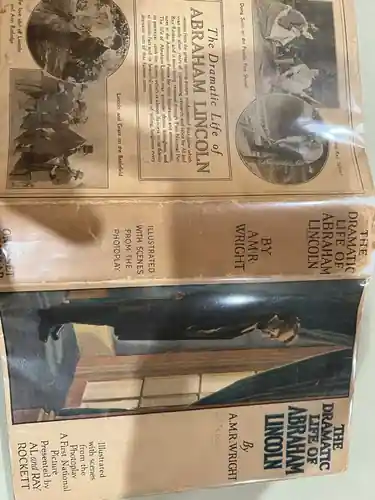
The structural integrity of the film is a testament to the genius of Frances Marion. As one of the most powerful women in early Hollywood, Marion understood that history is only as compelling as the humans who inhabit it. She weaves a narrative that feels both intimate and expansive. Unlike the fantastical escapism of Aladdin and the Wonderful Lamp, Marion’s work here is grounded in a gritty, tactile reality. She manages to balance the grand political maneuvers of the Civil War with small, quiet moments of reflection.
The inclusion of secondary characters played by veterans like Louise Fazenda and Willis Marks ensures that the world surrounding Lincoln feels lived-in. Even the smaller roles, such as those played by Robert Bolder and Kathleen Chambers, are handled with a level of care that suggests a deep respect for the historical record. The film doesn't just focus on the 'Great Man' theory of history; it acknowledges the social fabric of the time, touching upon the plight of the common soldier and the anxieties of a nation on the brink of self-destruction. This nuanced approach to social stratification is reminiscent of the themes explored in The Sport of the Gods, albeit within a vastly different historical context.
From a technical standpoint, the film is a marvel of its time. The battle sequences are staged with a chaotic energy that predates the sophisticated pyrotechnics of modern cinema but loses none of its impact. There is a visceral quality to the hand-to-hand combat scenes that rivals the documentary-style intensity found in Kitchener's Great Army in the Battle of the Somme. The use of vast numbers of extras creates a sense of scale that makes the conflict feel truly global in its implications.
The lighting, particularly in the White House interiors, is used to mirror Lincoln’s internal state. As the war progresses, the shadows grow longer and deeper, reflecting the toll the conflict takes on his psyche. This visual storytelling is far more sophisticated than the broad, flat lighting often found in contemporary comedies like The Handy Man or Where Is My Wife?. Rosen and his cinematographers understand that they are filming a tragedy of Shakespearean proportions, and the camera movement—though limited by the technology of the day—is deliberate and majestic.
When evaluating The Dramatic Life of Abraham Lincoln within the broader context of 1920s cinema, its ambition becomes even more apparent. While many films of the era were content to explore localized melodramas, such as the western tropes in A Daughter of the West or the pulp mysteries of A Child of Mystery, Rosen’s film attempts to synthesize an entire national identity. It shares a certain thematic gravity with Oltre l'amore, but swaps that film’s European romanticism for a distinctly American brand of stoic perseverance.
Even when compared to the lighthearted playfulness of A Perfect 36, the Lincoln biopic feels like a weightier, more permanent contribution to the medium. It doesn't rely on the transient charms of the 'flapper' era but instead reaches back into the 19th century to find a moral compass for the 20th. The film’s pacing, while slower than the frantic energy of Cyclone Smith Plays Trumps, allows for a contemplative depth that is essential for its subject matter.
The climax of the film is handled with a reverent, almost hushed intensity. The assassination at Ford’s Theatre is not played for shock value, but as a preordained conclusion to a life of service. The intercutting between the performance on stage and John Wilkes Booth’s movements creates a mounting sense of dread. The aftermath—the slow, somber funeral train winding its way through a grieving nation—is one of the most moving sequences in silent film history. It evokes a sense of collective loss that is rarely achieved in cinema.
In the end, The Dramatic Life of Abraham Lincoln is more than a biography; it is a meditation on the cost of leadership. It stands alongside other significant works of the period like Az utolsó bohém or the social critiques of Hoarded Assets as a film that seeks to understand the human condition through the lens of specific socio-political pressures. Whether it’s the quiet desperation of the early years or the thunderous responsibility of the presidency, the film never loses sight of the man behind the monument.
For the modern cinephile, this 1924 classic offers a window into a time when the medium was discovering its power to shape national memory. It is a film of immense heart, technical bravery, and historical significance. To watch it is to witness the birth of the American cinematic epic, a tradition that continues to this day, but perhaps never with as much earnestness as we see here in the work of Phil Rosen, Frances Marion, and the incomparable George A. Billings.
IMDb 5.9
1929
Community
Log in to comment.