DbcultAccessing Vault...
Cult Review
Senior Film Conservator
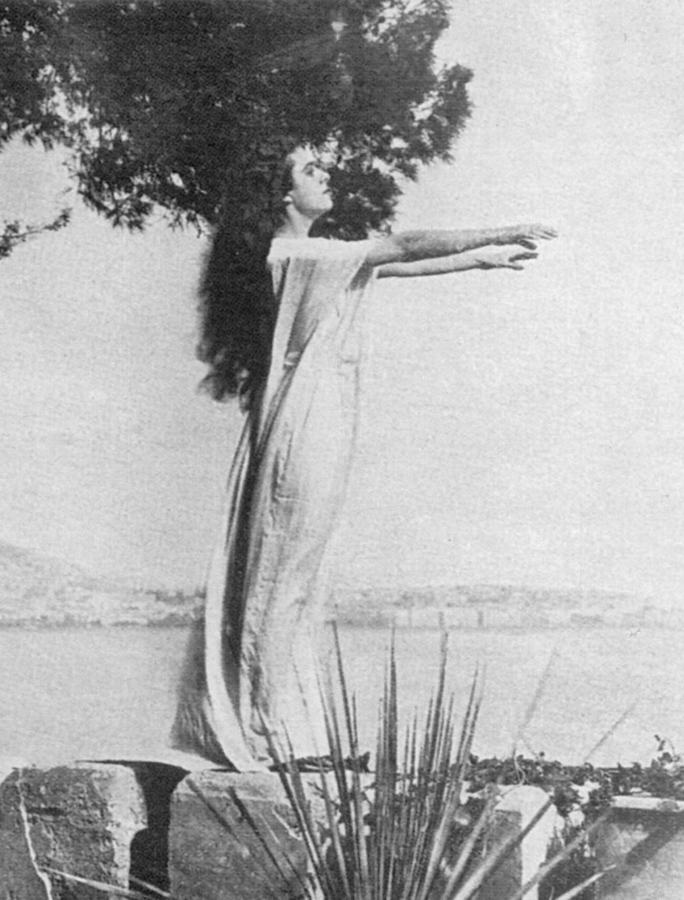
Stepping back into the nascent days of cinema, one occasionally unearths a gem whose luminescence, despite the passage of a century, remains undimmed. La piccola fonte is precisely such a discovery, a profound testament to the emotional power and narrative sophistication that Italian silent cinema was capable of. This is not merely a historical curiosity; it is a vibrant, pulsating drama that speaks to perennial human struggles with a clarity that transcends its lack of spoken dialogue. From its opening frames, the film establishes a world of stark contrasts: the pastoral purity of rural life against the corrosive influence of urban sophistication, the steadfastness of genuine affection against the fickle allure of superficial charm, and the crushing weight of societal judgment against the indomitable spirit of a wronged woman. The directorial vision, while anonymous in many historical records, clearly possessed an innate understanding of visual storytelling, utilizing every frame to convey emotion, advance plot, and build character with an economy and artistry that many contemporary filmmakers still strive to achieve.
What truly elevates La piccola fonte beyond a mere melodrama is its exquisite command of visual narrative. In an era devoid of synchronous sound, every gesture, every facial expression, every carefully composed shot had to carry the weight of dialogue and subtext. The filmmakers here demonstrate an astounding mastery of this craft. The titular ‘piccola fonte’ itself, the small spring, is not merely a setting detail; it is a potent, evolving symbol. Initially, it represents Elara’s pristine innocence, her connection to nature, and the purity of her world. As the narrative progresses and her life becomes tainted by betrayal and societal opprobrium, the spring’s reflection seems to darken, mirroring her internal turmoil and the perceived loss of her unblemished state. This subtle yet profound use of environmental symbolism is a hallmark of truly insightful filmmaking, inviting the audience to engage with the story on a deeper, more allegorical level. One might draw parallels to the grand visual narratives of films like The Last Days of Pompeii (1913), where the impending volcanic eruption serves as a looming metaphor for moral decay, though La piccola fonte grounds its symbolism in the intimate, the personal, rather than the cataclysmic.
The cinematography, even by today's standards, exhibits a remarkable sophistication. The use of light and shadow to sculpt faces and define emotional states is particularly striking. Close-ups of Francesca Bertini's expressive face are deployed with precision, allowing the audience to witness every flicker of hope, every pang of despair, every moment of dawning realization. Her eyes, in particular, become windows into Elara's soul, conveying volumes without a single intertitle. The wide shots, conversely, emphasize the isolation of Elara in her moments of despair, or the rigid confines of the society that judges her. The editing, too, is paced with an intuitive understanding of dramatic tension, allowing scenes to breathe when necessary, and accelerating the rhythm during moments of conflict or revelation. This careful orchestration of visual elements ensures that the narrative flow is not only clear but also emotionally resonant, pulling the viewer into Elara's unfolding tragedy with an irresistible force.
At the very heart of La piccola fonte beats the phenomenal performance of Francesca Bertini. Widely regarded as one of the greatest divas of early Italian cinema, Bertini's portrayal of Elara is nothing short of breathtaking. She embodies the character with a raw vulnerability and an inherent dignity that makes Elara's journey from innocent maiden to ostracized mother utterly compelling. Bertini navigates the emotional landscape of Elara's life with an astonishing range, transitioning seamlessly from youthful naivety to burgeoning infatuation, then to profound heartbreak, and finally to a hardened, yet resilient, maternal strength. Her physical presence, her nuanced gestures, and her profoundly expressive face communicate more than any spoken word ever could. She captivates the audience, inviting deep empathy for Elara's plight without ever resorting to histrionics.
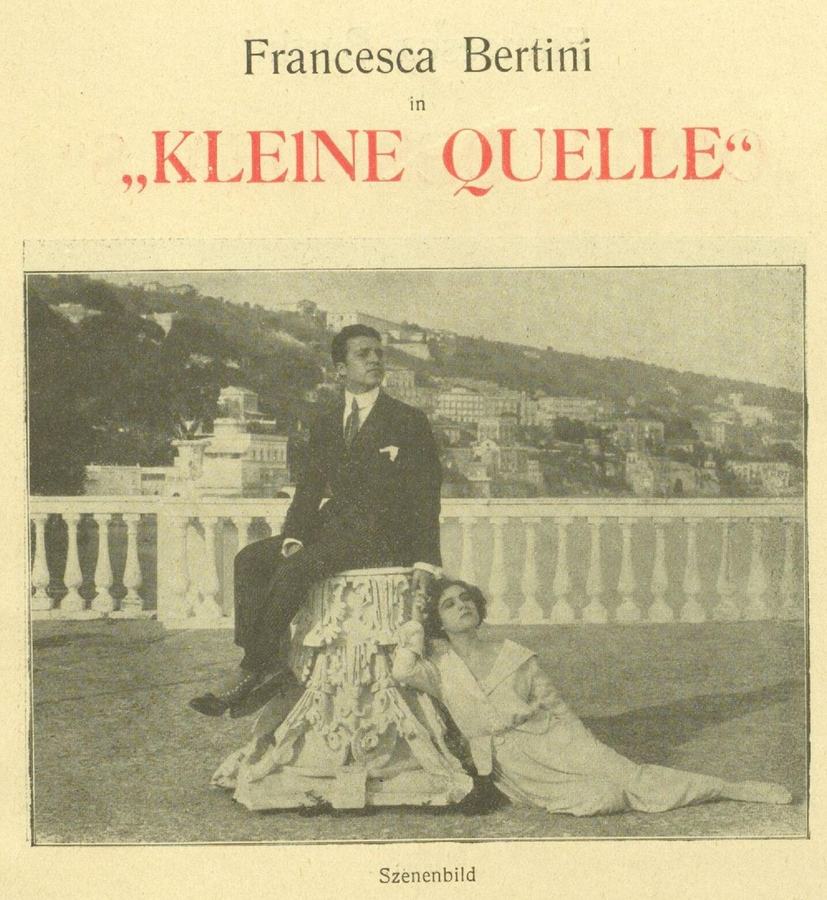
Bertini's performance here is a masterclass in silent acting, demonstrating why she was so revered in her era. Unlike some of her contemporaries who might have leaned into more exaggerated theatricality, Bertini's approach is remarkably naturalistic, lending a timeless quality to her characterization. Her Elara is not merely a tragic figure; she is a woman of agency, making choices (however misguided), suffering consequences, and ultimately finding a path to resilience. The film benefits immensely from her star power, as her ability to convey complex inner states through purely visual means is unparalleled. Her performance can be seen as a precursor to the powerful, emotionally charged portrayals that would define cinematic acting for decades to come. One might compare her capacity for conveying profound inner turmoil to the intense internal struggles seen in films like The Man of Shame, where the central character's moral anguish is often communicated through subtle yet potent visual cues rather than overt declarations.
While Bertini rightfully dominates the screen, the supporting cast provides crucial anchors to the narrative. Annibale Ninchi, as the villainous Count Valerius, delivers a perfectly calibrated performance of aristocratic arrogance and manipulative charm. His character is not a mustache-twirling caricature, but a believable embodiment of a privileged individual whose moral compass is severely skewed. Ninchi imbues Valerius with a predatory elegance that makes his seduction of Elara tragically plausible. His transformation, or lack thereof, throughout the film underscores the enduring nature of human fallibility.
Umberto Onorato, as the earnest and heartbroken Marco, provides a vital contrast to Valerius. His portrayal of steadfast loyalty and quiet suffering evokes profound sympathy. Marco represents the purity that Elara risks losing, and Onorato’s understated performance ensures that his pain resonates deeply with the audience. Olga Benetti, in her role as the grown-up Fiora, skillfully captures the essence of a young woman unknowingly walking in her mother's footsteps, adding another layer of tragic irony to the narrative. Alfredo De Antoni, in a smaller but significant role, contributes to the fabric of the village community, embodying the collective judgment or quiet support that surrounds Elara. The ensemble works in concert to create a believable social microcosm, where individual actions ripple through the entire community, much like the intricate social dynamics explored in films such as One of Our Girls, which often delved into the moral complexities of small-town life.
The thematic richness of La piccola fonte is undeniable. At its core, it is a searing examination of purity lost and the arduous journey to reclaim a sense of self-worth in the face of societal condemnation. Elara's initial innocence is not merely a plot device; it's a commentary on the vulnerability of virtue in a world where power and privilege can easily corrupt. The film unflinchingly explores the double standards prevalent in society, where a man's transgressions are often overlooked while a woman's are met with unforgiving ostracization. This thematic depth makes the film remarkably prescient, resonating with contemporary discussions about gender inequality and victim-blaming, a poignant echo perhaps of the critiques found in films like The Scarlet Woman.
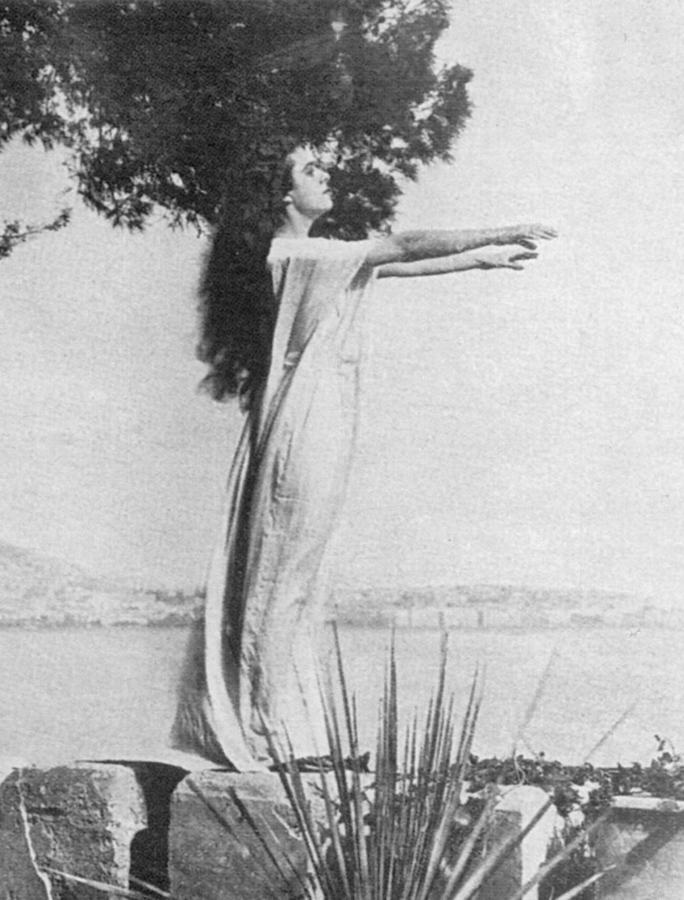
Betrayal, in its multiple forms, is another central pillar of the narrative. Valerius's betrayal of Elara's trust is the catalyst for her tragedy, but there's also a subtle betrayal of self as Elara momentarily succumbs to the allure of a life that is fundamentally at odds with her true nature. The film delves into the psychological toll of such betrayals, depicting the slow erosion of a person's spirit and the difficult path towards healing. Yet, amidst the suffering, the film ultimately champions resilience. Elara's journey from a heartbroken outcast to a fierce protector of her daughter is a powerful testament to the human capacity for endurance and the unwavering strength of maternal love. Her fight to shield Fiora from repeating her own mistakes is the ultimate act of defiance against her past and a poignant assertion of her will to forge a better future.
Beyond the personal drama, La piccola fonte functions as a compelling piece of social commentary. It critiques the rigid moral codes of early 20th-century society, particularly how they disproportionately affected women. The village, initially a haven, transforms into a locus of judgment, its collective gaze a constant reminder of Elara's perceived fall from grace. This stark depiction of social ostracization resonates with the universal fear of being cast out, of losing one's place in the community. The film subtly argues against the superficiality of social standing and in favor of genuine human connection and empathy. The contrast between the simple, honest love offered by Marco and the deceptive grandeur of Valerius's world is a powerful indictment of class distinctions and the corrupting influence of unchecked power. In its critique of societal hypocrisy, it shares a spirit with films like God, Man and the Devil, which often explored the moral failings of institutions and individuals within a rigid social framework.
The film's enduring relevance lies in its timeless exploration of these themes. While the specific societal norms may have evolved, the underlying human emotions—love, jealousy, ambition, despair, and hope—remain constant. The struggle of an individual against an unforgiving society, the desire for redemption, and the unbreakable bond between a mother and child are narratives that continue to captivate and move audiences across generations. La piccola fonte is more than just a relic from the silent era; it is a profound artistic statement that continues to speak volumes about the human condition.
To truly appreciate La piccola fonte is to understand its place within the broader tapestry of early cinema. Italian silent cinema, particularly the 'diva films' that showcased actresses like Bertini, played a crucial role in shaping the language of film. These productions were often grand in scale, emotionally intense, and visually innovative, setting precedents for narrative structure and performance style. La piccola fonte stands as a prime example of this flourishing period, demonstrating the artistic ambition and technical prowess that characterized the industry before the advent of sound drastically altered its trajectory. It’s a film that, like a well-preserved antique, offers not just aesthetic pleasure but also invaluable insight into the cultural and artistic currents of its time.
The film’s influence, while perhaps not as globally recognized as some Hollywood blockbusters of the era, is undeniable within European cinematic circles. It helped solidify the reputation of Francesca Bertini as an international star and contributed to the rich heritage of Italian storytelling. For cinephiles and historians alike, rediscovering films such as this offers a vital connection to the roots of the art form, allowing us to trace the evolution of cinematic techniques and thematic concerns. It reminds us that powerful storytelling is not contingent on technological advancements, but on the timeless ability to craft compelling characters and narratives that resonate with the universal human experience. Much like the meticulous documentation of an event like Jeffries-Johnson World's Championship Boxing Contest offers a window into a specific cultural moment, La piccola fonte preserves a crucial artistic and social snapshot.
In conclusion, La piccola fonte is far more than a mere historical artifact; it is a vibrant, emotionally charged drama that speaks to the heart with remarkable clarity and power. Its masterful visual storytelling, coupled with Francesca Bertini’s unforgettable performance, creates a cinematic experience that transcends the limitations of its silent format. The film’s exploration of purity, betrayal, resilience, and societal judgment remains profoundly relevant, offering both a poignant reflection on the past and a resonant commentary on enduring human struggles. It stands as a powerful reminder of the artistic heights achieved during the silent era and the enduring legacy of Italian cinema. For anyone interested in the foundational works of film or simply in a deeply moving story, La piccola fonte is an essential viewing experience. It is a testament to the enduring power of silent cinema to capture the complexities of the human spirit and to tell stories that echo across generations, much like the timeless tales woven into Ivanhoe or the moral dilemmas presented in The Tempting of Justice. Its legacy is not just in its existence, but in its continued ability to stir the soul and provoke thought, proving that some artistic expressions truly are timeless.
IMDb —
1927
Community
Log in to comment.