DbcultAccessing Vault...
7.2/10
Senior Film Conservator
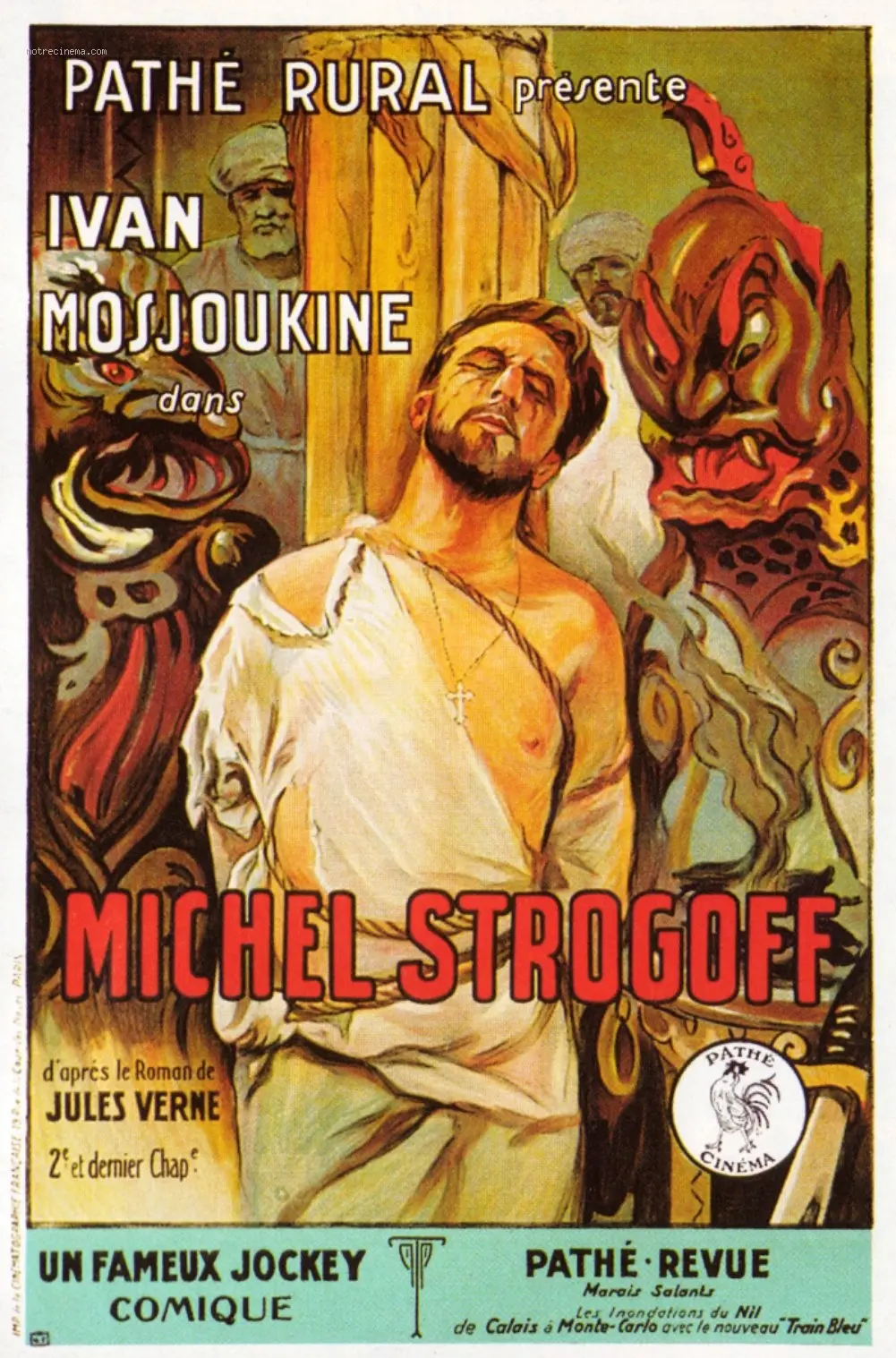
A definitive 7.2/10 rating for a film that redefined the boundaries of cult cinema. Michel Strogoff remains a cornerstone of transgressive art.
Is Michel Strogoff worth your time in the modern era? Short answer: yes, but only if you have the stomach for a three-hour endurance test of silent-era maximalism. This film is an essential artifact for those who appreciate the physical scale of pre-CGI filmmaking and the magnetic intensity of Ivan Mozzhukhin; it is not for viewers who require the frantic, hyper-edited pacing of contemporary action cinema.
This production represents the pinnacle of the Albatros studio's output, a collective of Russian exiles in France who brought a unique, melancholic fervor to European cinema. It is a film that feels massive. It breathes the air of the steppe and smells of the gunpowder and sweat of a forgotten century. It works. But it’s flawed.
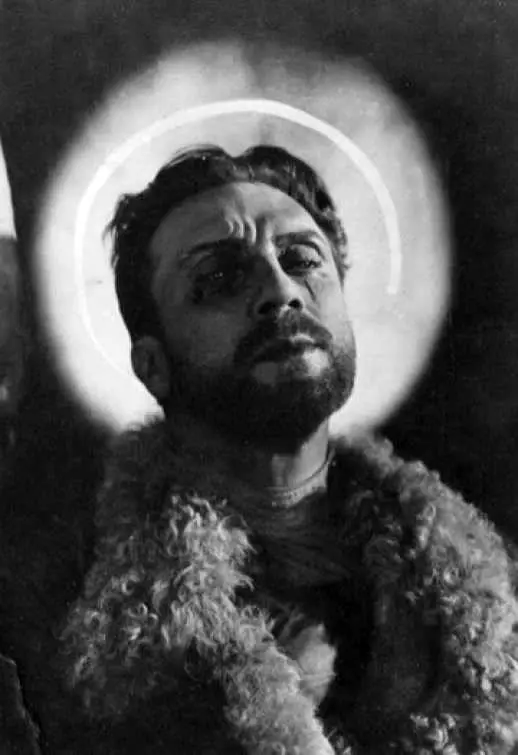
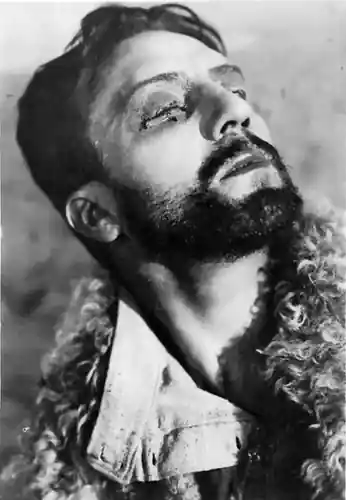
1) This film works because of Ivan Mozzhukhin’s eyes, which convey more internal agony and nationalistic fervor in a single close-up than most actors manage with a full script.
2) This film fails because the middle act suffers from an almost obsessive commitment to the geography of the journey, leading to repetitive travel sequences that could have been trimmed by twenty minutes.
3) You should watch it if you want to see the exact moment silent cinema evolved into the modern blockbuster, bridging the gap between theater and pure visual spectacle.
To discuss Michel Strogoff is to discuss Ivan Mozzhukhin. Often called the 'Russian Valentino,' Mozzhukhin possessed a screen presence that was less about charm and more about a vibrating, almost dangerous intensity. In the scene where he must remain stoic while his mother is being whipped, the micro-movements in his facial muscles create a tension that is nearly unbearable. Unlike the more theatrical performances found in The Virgin Queen, Mozzhukhin leans into a proto-method acting style that feels startlingly modern.
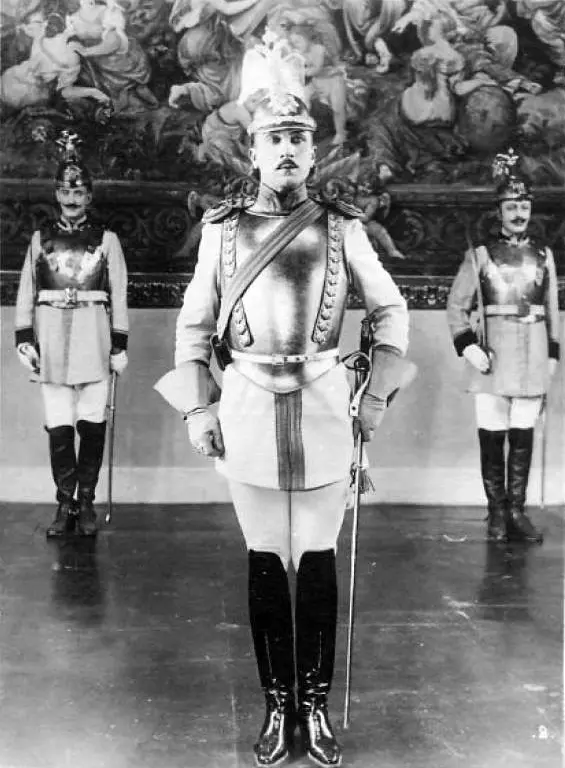
His performance is a masterclass in repression. As Strogoff, he is a man who has been ordered to be invisible. This creates a fascinating dynamic where the protagonist is the most powerful person in the room but must act like the weakest. When he finally breaks, the catharsis is seismic. It is a performance of granite and fire.
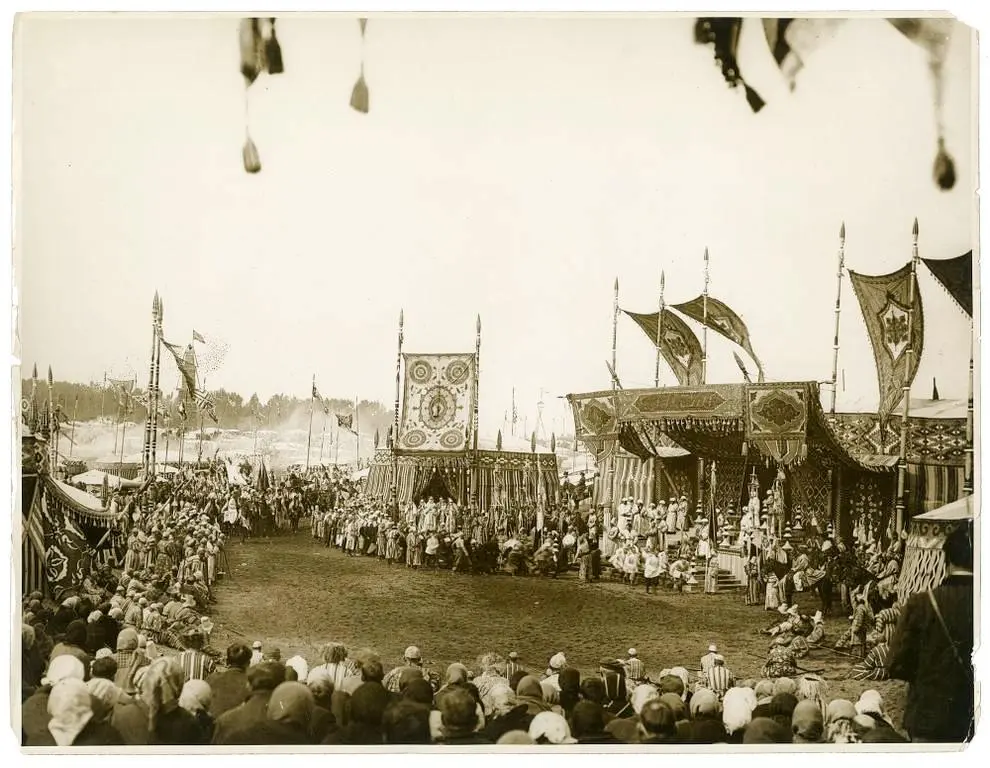
Director Viktor Tourjansky treats the Russian landscape not as a backdrop, but as a primary antagonist. The cinematography by Nikolai Toporkoff captures the vastness of the Siberian plains with a depth of field that makes the viewer feel the isolation of the courier. There is a specific shot of the Tartar army crossing a river that rivals anything seen in the later epics of David Lean. The sheer number of extras and horses on screen provides a tactile reality that modern digital crowds simply cannot replicate.
The use of hand-coloring in certain sequences, particularly the flames during the siege of Irkutsk, adds a surreal, nightmarish quality to the violence. It is a reminder that silent film was never truly 'black and white' in the minds of its creators; it was a canvas for experimental tinting and toning. This visual richness is far more evocative than the dry historical recreations seen in Der verlorene Schuh.
Yes, Michel Strogoff is worth watching because it is one of the few silent films that successfully balances intimate character drama with colossal action. While many films from 1926 feel like museum pieces, this one retains a visceral emotional core. The blinding scene, where a glowing blade is passed before Strogoff’s eyes, remains one of the most harrowing sequences in early cinema history. It is a testament to the power of suggestion and lighting.
I will be blunt: the film is too long. The commitment to Verne’s episodic structure means we spend an inordinate amount of time on secondary characters and minor obstacles. While these moments build the world, they occasionally drain the narrative of its momentum. There are sequences involving the two journalists—Blount and Jolivet—that are intended for comic relief but often feel like they belong in a different movie entirely, perhaps something closer to the tone of Cooks and Crooks.
However, this languid pace is also what allows the ending to hit so hard. By the time Strogoff reaches his destination, the audience is as exhausted as he is. We have felt every mile of the journey. The final confrontation with Ogareff isn't just a plot resolution; it’s a release of three hours of accumulated pressure. It is brutal. It is necessary.
While most critics view this as a simple adventure tale, I would argue it is actually a horror film in disguise. The way the camera lingers on the aftermath of the Tartar raids—the burning villages, the hollowed-out eyes of the refugees—suggests a preoccupation with the fragility of civilization. It shares more DNA with the bleakness of Vyryta zastupom yama glubokaya... than it does with standard Hollywood swashbucklers of the time. This is a film about the death of an old world.
Michel Strogoff is a titan of the silent era that demands to be seen on the largest screen possible. It is a sprawling, messy, and deeply moving achievement that proves why the Albatros studio was the most innovative creative force in 1920s France. Despite its bloated middle, the film’s high points are so high that they render its flaws irrelevant. It is a story of a man who becomes a ghost for his country, and Mozzhukhin plays that ghost with haunting perfection. It is not just a movie; it is a monument. Watch it for the spectacle, stay for the soul.
IMDb —
1917
Community
Log in to comment.