DbcultAccessing Vault...
6.5/10
Senior Film Conservator
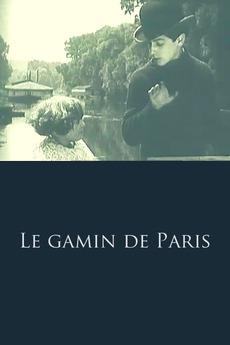
A definitive 6.5/10 rating for a film that redefined the boundaries of cult cinema. Le gamin de Paris remains a cornerstone of transgressive art.
The film Le Gamin de Paris is a poignant and thought-provoking exploration of the human experience, delving into the intricacies of love, family, and social class in the early 20th century. Set against the vibrant backdrop of Belleville, the film masterfully weaves a narrative that is both deeply personal and universally relatable. The story of Joseph and Lisette, two war orphans struggling to find their place in the world, is a powerful reminder of the resilience and determination that defines the human spirit.
At the heart of the film is the complex and often fraught relationship between Lisette and Amedee, the charming but enigmatic painter who lives next door. Lisette's deep-seated love for Amedee is palpable, and her anguish as she struggles to come to terms with his initial reluctance to commit is deeply moving. As the story unfolds, however, it becomes clear that Amedee is more than just a charming facade, and his true character is slowly revealed through a series of subtle yet powerful moments.
The film's use of yellow and sea blue hues adds a sense of depth and nuance to the narrative, underscoring the emotional highs and lows of the characters as they navigate the complexities of love and relationships. The cinematography is equally impressive, with a keen eye for detail that brings the vibrant neighborhood of Belleville to life in vivid detail. From the bustling streets to the intimate moments of quiet contemplation, the film's visual aesthetic is a masterclass in storytelling, drawing the viewer into the world of the characters and refusing to let go.
In many ways, Le Gamin de Paris can be seen as a precursor to later films that explored similar themes of love, family, and social class. Films like Germinal; or, The Toll of Labor and The Heart of Paula also delved into the complexities of human relationships, albeit in different contexts and settings. Similarly, films like The Heart of a Gypsy and Paradise Lost explored the tensions between personal desire and societal expectation, often with poignant and thought-provoking results.
One of the most striking aspects of Le Gamin de Paris is its thoughtful and nuanced exploration of the human condition. The film's characters are multidimensional and complex, with rich inner lives that are slowly revealed over the course of the narrative. From Joseph's quiet determination to Lisette's passionate nature, each character is imbued with a sense of depth and authenticity that makes them feel fully realized and relatable. This is particularly evident in the film's portrayal of Amedee, whose initial aloofness gives way to a deeper sense of vulnerability and emotion as the story unfolds.
The film's themes of love, family, and social class are equally well-explored, with a keen eye for detail that brings the world of the characters to life in vivid detail. The tension between Lisette's love for Amedee and her desire for security and stability is a powerful reminder of the difficult choices that we must all make in life, and the ways in which our circumstances can shape and define us. Similarly, the film's portrayal of the social class system of the time is a thought-provoking commentary on the ways in which societal expectations can both constrain and liberate us.
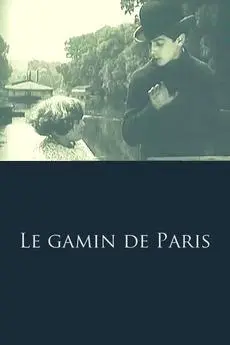
In terms of its place within the broader cinematic landscape, Le Gamin de Paris can be seen as a key work of the silent era, one that helped to establish the foundations for later films that explored similar themes and ideas. Films like Out Yonder and Il gioiello di Khama also experimented with the possibilities of cinematic storytelling, often with innovative and groundbreaking results. Similarly, films like The Man Who Forgot and Red Powder pushed the boundaries of what was possible on screen, exploring new themes and ideas that continue to influence filmmakers to this day.
In conclusion, Le Gamin de Paris is a film that rewards close attention and multiple viewings, with a rich and complex narrative that continues to unfold and reveal new secrets with each passing minute. As a work of cinematic art, it is a testament to the power of film to capture the human experience, with all its complexities and contradictions. Whether you are a fan of silent cinema or simply looking for a thought-provoking and emotionally resonant film, Le Gamin de Paris is a must-see, a film that will linger in your mind long after the credits have rolled.
The film's influence can also be seen in later works, such as Anton the Terrible and A Master of Music, which explored similar themes of love, family, and social class. Similarly, films like Suramis tsikhe and The Evil Thereof delved into the complexities of human relationships, often with poignant and thought-provoking results. As a work of cinematic art, Le Gamin de Paris is a testament to the power of film to capture the human experience, with all its complexities and contradictions.
In addition to its influence on later films, Le Gamin de Paris is also notable for its historical significance, offering a unique glimpse into the social and cultural norms of the time. The film's portrayal of the war orphans, Joseph and Lisette, is a powerful reminder of the devastating impact of war on civilians, and the ways in which it can shape and define our lives. Similarly, the film's exploration of the social class system is a thought-provoking commentary on the ways in which societal expectations can both constrain and liberate us.
The film's historical significance is also evident in its use of dark orange and yellow hues, which add a sense of depth and nuance to the narrative. The cinematography is equally impressive, with a keen eye for detail that brings the vibrant neighborhood of Belleville to life in vivid detail. From the bustling streets to the intimate moments of quiet contemplation, the film's visual aesthetic is a masterclass in storytelling, drawing the viewer into the world of the characters and refusing to let go.
In comparison to other films of the time, Le Gamin de Paris stands out for its thoughtful and nuanced exploration of the human condition. Films like The Narrow Path and Manhattan Madness also explored similar themes, but with less subtlety and nuance. Similarly, films like Allies' Official War Review, No. 10 were more focused on the war effort, and less concerned with the human experience. As a work of cinematic art, Le Gamin de Paris is a testament to the power of film to capture the human experience, with all its complexities and contradictions.

IMDb 5.6
1926
Community
Log in to comment.