Summary
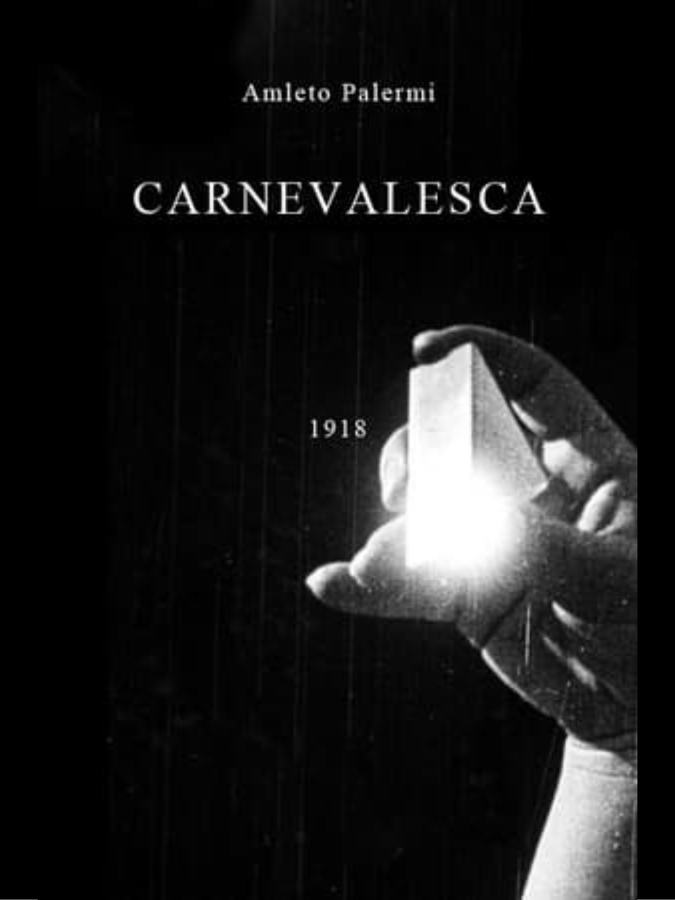
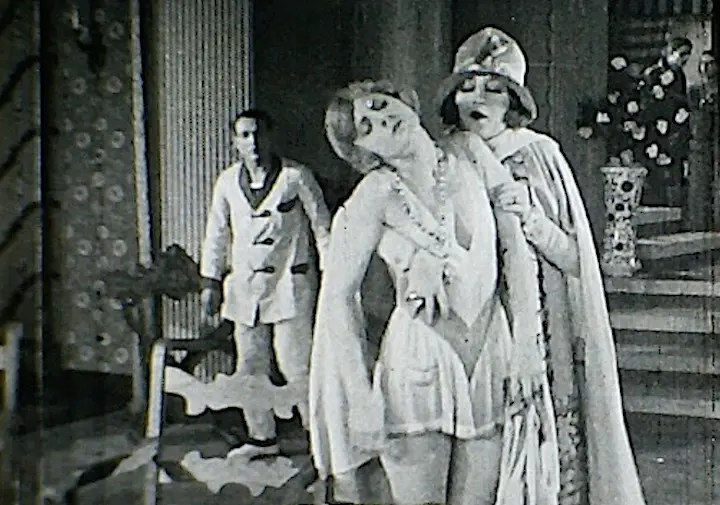
Khama’s fabled diamond—an opalescent shard said to exhale moonlight—slides from the velvet pouch of a dying priest into the gloved palm of Aurelio Sidney’s Count Massimo di Rovigno during a torch-lit procession that feels half liturgy, half heist. From that instant the jewel becomes a liquid mirror, warping every gaze that falls on it: a colonial governor who sees his own coffin reflected, a missionary who spies the face of the god he no longer believes in, a cabaret siren who discovers her childhood doll staring back. The narrative spirals outward like a smuggler’s map—through Roman salons paneled in cigar smoke, across Eritrean salt flats where mirages outnumber the caravans, into Alpine sanatoria where consumptive aristocrats gamble away their last breath. Eugenia Masetti’s Countess Livia, betrothed to Massimo yet secretly enamored with the idea of poverty, orchestrates a counterfeit kidnapping to liberate herself from the very vaults of gold that cradle her silk shoes; Amedeo Ciaffi’s Inspector Valenti, a man who files clues the way mortals file fingernails, pursues not the thief but the tremor of conscience he recognizes in his own reflection. Meanwhile Dolly Morgan’s torch-singing Gilda performs “Sanguine Tango” in a basement café whose ceiling drips Bordeaux-colored plaster, her voice a slow incision that makes the gem pulse crimson in the Count’s waistcoat. Silvana’s nun, Sister Vincenza, stitches maps of damnation into altar cloths, believing the diamond is the Devil’s tear solidified the hour he fell from grace; Augusto Mastripietri’s one-eyed mariner claims he already drowned with it in a previous life and was spat back to shore wrapped in seaweed and premonition. Palermi’s script refuses climax in any conventional port: the jewel changes hands seventeen times—once inside a hollowed-out missal, once in the belly of a carnival goldfish, once as the glass eye of a mummified saint—until it finally dissolves into Khama’s desert sand during a lunar halo, leaving every seeker holding only the afterimage of their greed. The last shot frames Livia barefoot on a derelict quay, her abandoned slippers floating like two swans turned to stone, while the camera cranes up to reveal the entire city sparkling as though every streetlamp has become a shard of the vanished diamond, suggesting the gem was never mineral but metropolitan, never stolen but simply dispersed into the circuitry of human wanting.
Review Excerpt
"
Aurelio Sidney stalks through Amleto Palermi’s hallucinatory 1923 fever dream as though he were born inside a smoke ring: his Count Massimo di Rovigno carries the titular diamond not in a case but in the hollow of his cheek, a bulge that makes every syllable lisp like a guilty secret. The film, long misfiled under colonial kitsch, emerges from archival fog as the missing link between expressionist Macbeth and the lurid cosmopolitan jewels of The Spider. Here, the gem is no MacGuffin—it is a si..."