DbcultAccessing Vault...
Cult Review
Senior Film Conservator
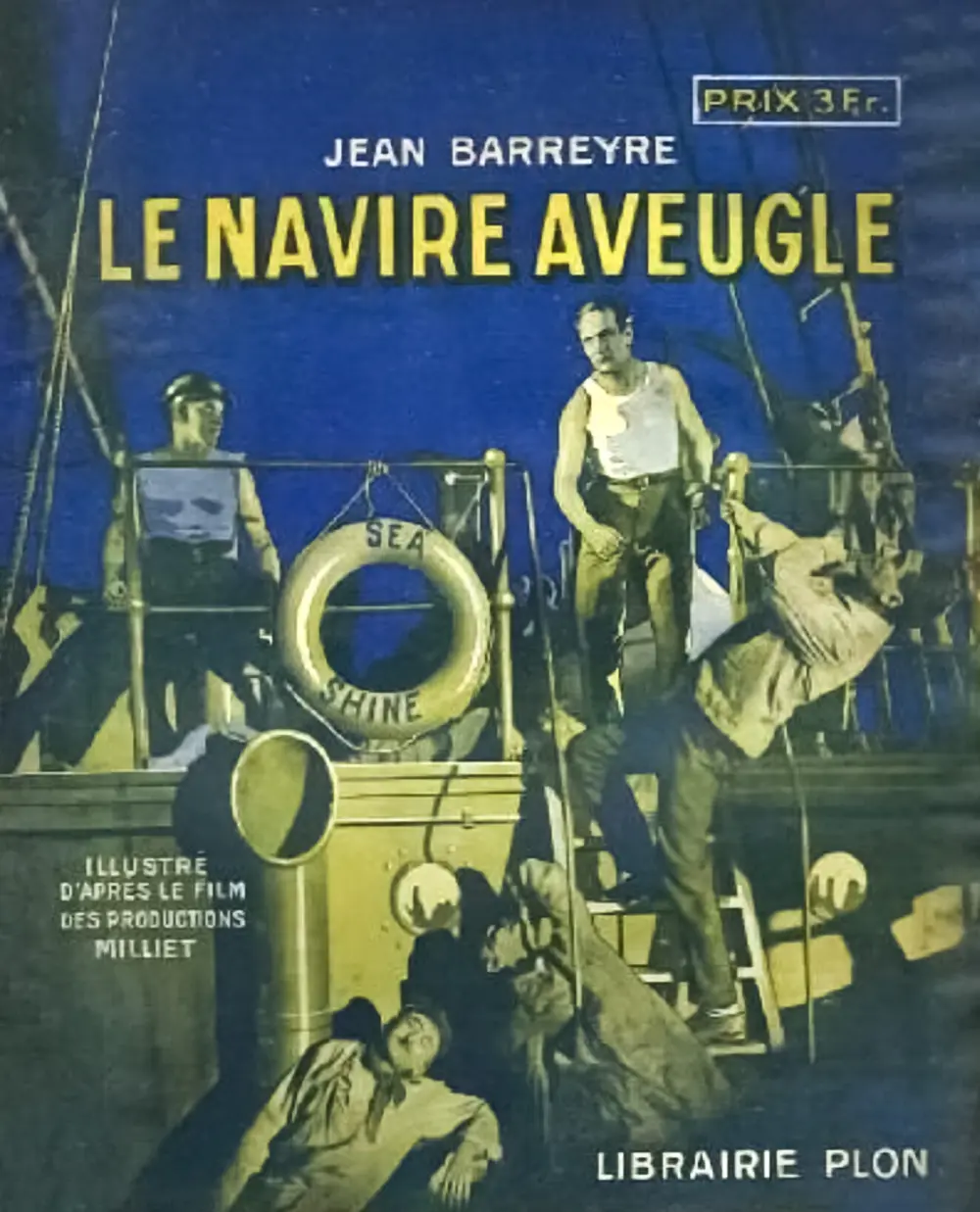
Is Le navire aveugle worth your time in an era of high-definition blockbusters? Short answer: yes, but only if you have the patience for the deliberate, agonizing crawl of 1920s psychological realism.
This film is for the cinephile who treats light and shadow like dialogue and the historian interested in the early cinematic presence of icons like Josephine Baker. It is absolutely not for the casual viewer looking for a fast-paced thriller or anyone who finds silent film aesthetics more tedious than evocative.
This film works because it leans into the inherent horror of its premise—total blindness in a confined, dangerous space—without relying on the cheap jump scares of modern cinema.
This film fails because its middle act drags under the weight of repetitive sequences that hammer home the same sense of despair without advancing the plot.
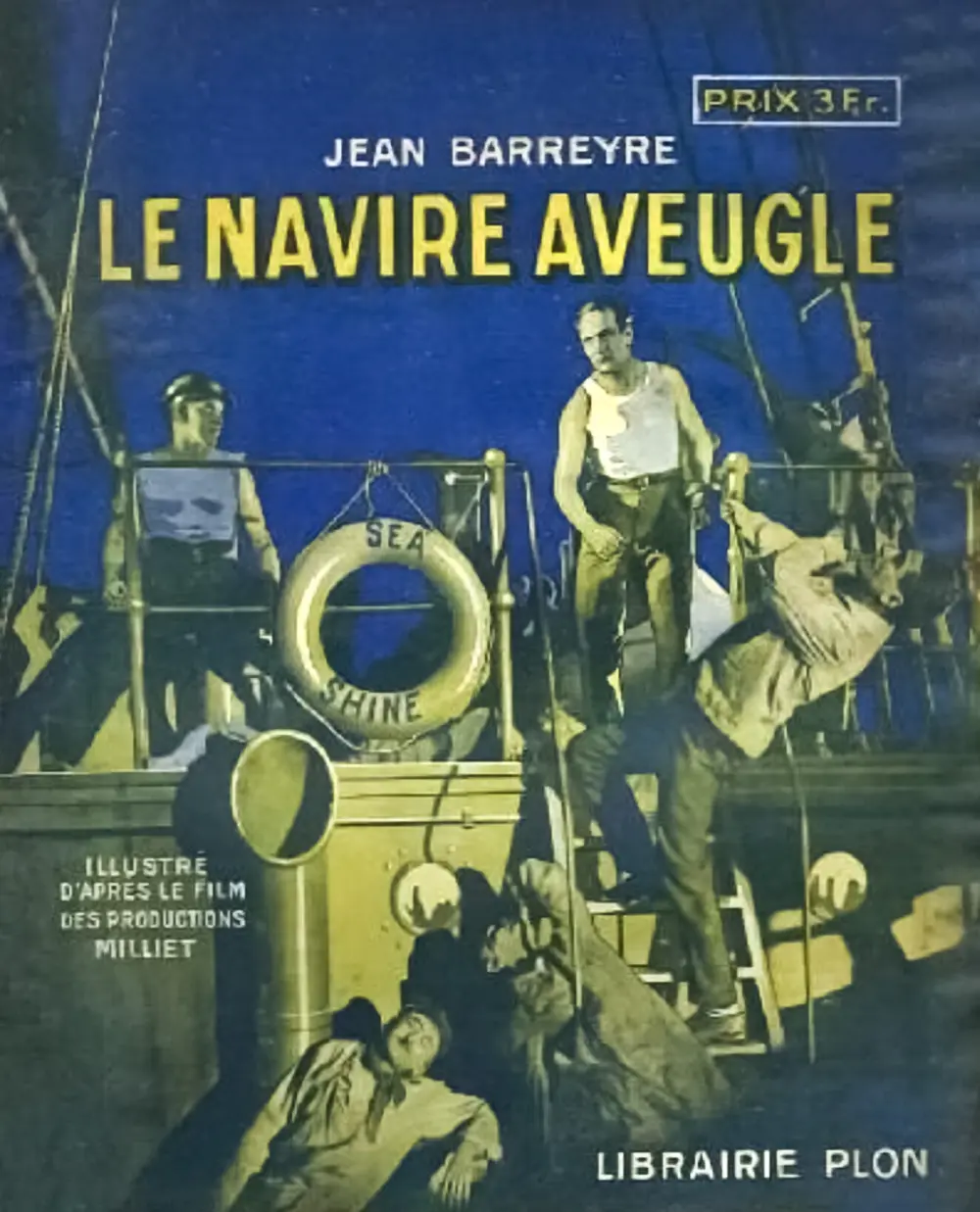
You should watch it if you want to see a rare example of 1920s French cinema that prioritizes psychological tension over the melodrama common in films like The Deciding Kiss.
Le navire aveugle is a film that demands you look closely at people who cannot see. The premise is simple: a ship, a disease, and the slow-motion car crash of a society unravelling at sea. Director Adelqui Migliar (who also appears in the cast) manages to turn the deck of a ship into a labyrinth of terror. Unlike the open-air adventure of Jacques of the Silver North, this film feels like a tomb.
The cinematography is the real star here. There is a specific scene early on where a sailor realizes his vision is fading. The camera doesn't use a blur effect; instead, the lighting shifts, casting long, jagged shadows that seem to swallow the actor whole. It is a primitive but effective way to signal the end of the world for these characters. It works. But it’s flawed. The pacing often feels as though the film itself is groping in the dark, lost in its own atmosphere.
Many modern viewers will seek out this film for Josephine Baker. Let’s be blunt: her presence is more of a historical footnote than a central pillar. While she radiates a natural charisma that outshines many of her contemporaries, the film doesn't quite know how to integrate her into the grim maritime tragedy. She is a spark of life in a film that is obsessed with the slow arrival of death.
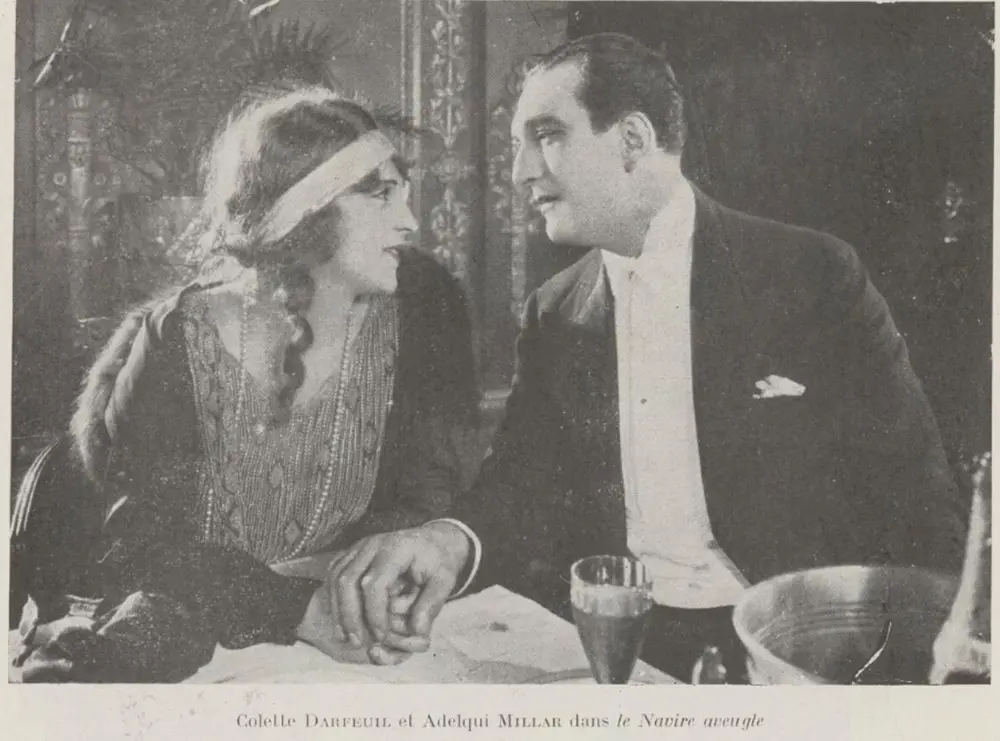
Colette Darfeuil, however, carries the emotional weight. Her performance is a masterclass in silent-era physical acting. She doesn't just look scared; she looks exhausted. There is a moment where she leans against the ship’s railing, staring out at an ocean she can no longer see, and the tilt of her head conveys more than ten pages of script could. It’s a far cry from the lightheartedness of Polar Bonzo.
Migliar’s direction is surprisingly modern in its cynicism. He doesn't offer a grand hero to save the day. Instead, he focuses on the breakdown of the collective. The ship is a character itself—a creaking, rusted cage. The way the camera tracks through the narrow corridors makes the viewer feel the same disorientation as the characters. It lacks the polish of Le brasier ardent, but it replaces that polish with a raw, abrasive energy.
The tone is relentlessly bleak. In one particularly harrowing sequence, the crew attempts to navigate by sound alone, leading to a cacophony of clashing metal and shouting that the silent medium handles with surprisingly effective intertitles. You can almost hear the panic. It makes the silence of the film feel heavy, almost suffocating. This isn't the whimsical silent era of The Tail of a Cat; this is a precursor to the survival horror genre.
If you are a student of film history or a fan of psychological drama, Le navire aveugle is an essential watch. It captures a specific moment in French cinema where the medium was experimenting with darker, more philosophical themes before the talkies changed everything. It isn't a fun movie. It isn't a light movie. But it is a movie that lingers in your mind long after the final frame fades to black. It is a stark reminder of how fragile our systems—and our senses—really are.
Pros:
- Exceptional use of lighting to convey internal states.
- A genuinely unsettling premise that avoids easy cliches.
- A strong lead performance by Colette Darfeuil.
- Historical value for Josephine Baker fans.
Cons:
- Pacing issues that make the 1927 runtime feel longer than it is.
- Some secondary characters are thinly sketched archetypes.
- The ending may feel abrupt to modern sensibilities.
When compared to other films of the era, such as Three Weeks, Le navire aveugle feels significantly more grounded. While other films were chasing romance or high-society drama, this film was interested in the dirt under the fingernails and the terror in the eyes. The editing is sharp for the period, using quick cuts during moments of crisis to simulate the frantic movements of the blind crew.
However, it lacks the visual playfulness of Cops or the grand art-deco scale of Die Zirkusprinzessin. It is a lean, mean production that knows its limitations and works within them. The set design is minimalist, which only adds to the sense of isolation. There is nowhere to hide on this ship, and nowhere to go once the light leaves your eyes.
Le navire aveugle is a difficult, demanding piece of art. It doesn't want to be liked; it wants to be felt. While its flaws are rooted in the limitations of its time, its strengths are timeless. It is a brutal, honest look at the darkness within us all. It’s not a masterpiece, but it is a significant achievement in mood and tone. Watch it with the lights off, and you might just feel the walls closing in too.
IMDb 5.4
1929
Community
Log in to comment.