DbcultAccessing Vault...
2.4/10
Senior Film Conservator
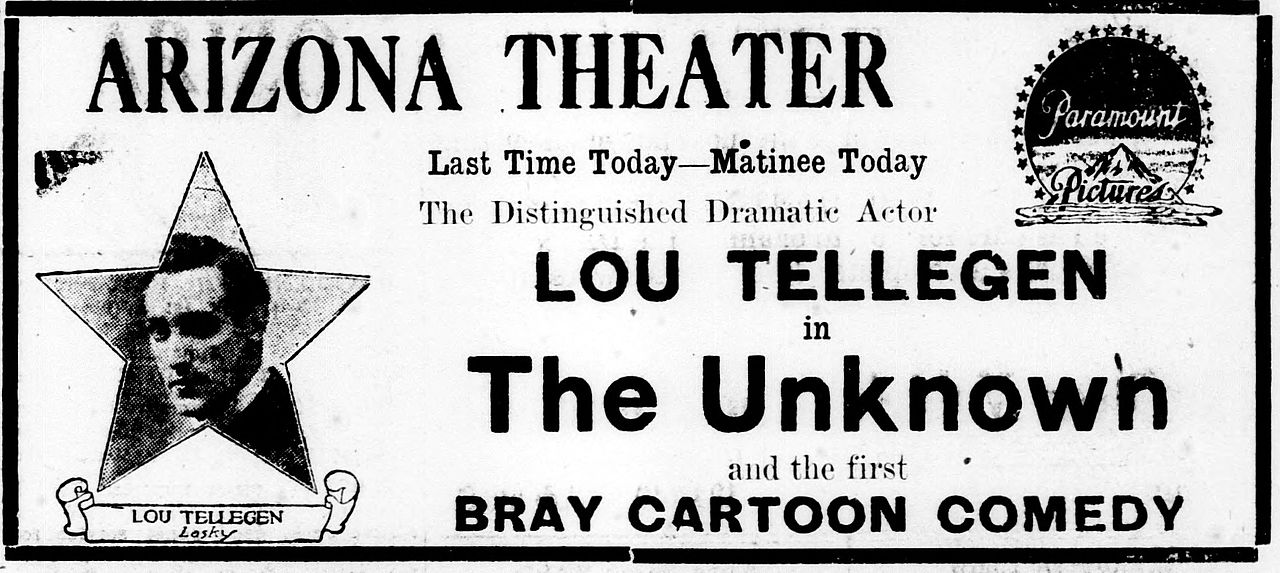
A definitive 2.4/10 rating for a film that redefined the boundaries of cult cinema. The Unknown remains a cornerstone of transgressive art.
Cinema in 1915 was a medium in the throes of a violent metamorphosis. As the industry pivoted away from the ephemeral thrills of short-form nickelodeon fare toward the architectural complexity of the feature-length narrative, The Unknown emerged as a seminal exploration of identity and institutional friction. Directed with a keen eye for the spatial isolation of the North African desert, this film bypasses the standard tropes of military valor to investigate the darker recesses of the human psyche. It is a work that feels remarkably modern in its cynicism, yet deeply classical in its reliance on the transformative power of the reveal.
The French Foreign Legion has always occupied a liminal space in the cultural imagination—a sanctuary for the disgraced and a purgatory for the lost. In The Unknown, this setting is not merely decorative; it is a character in its own right. The scorching heat and the vast, indifferent dunes provide the perfect backdrop for a story about a man trying to disappear. Unlike the more urban-centric dramas of the era, such as The Lure of New York, which found its tension in the crowded claustrophobia of the metropolis, this film leverages the emptiness of the desert to amplify the internal conflict between its two leads.
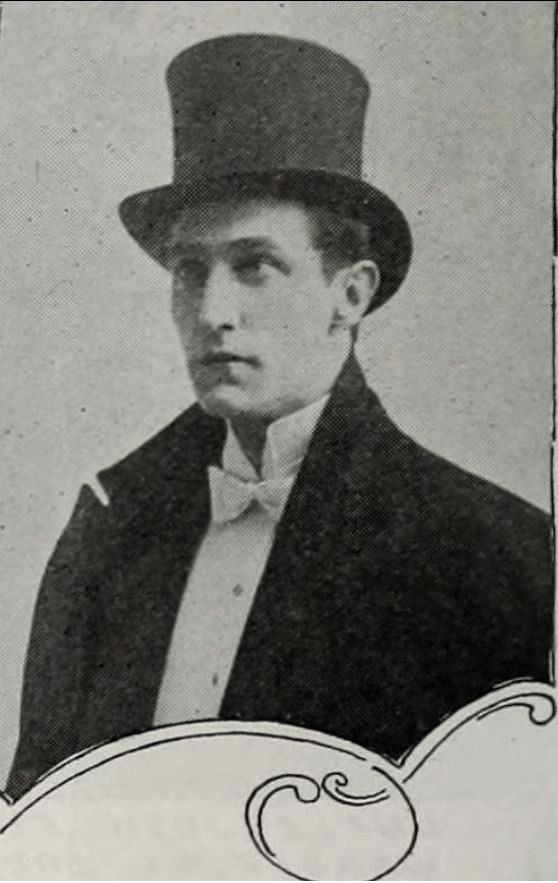
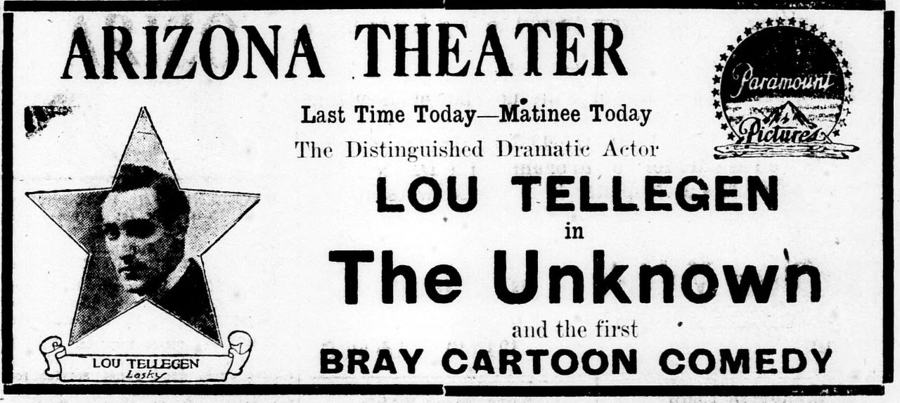
At the heart of the film lies the volatile chemistry between Lou Tellegen and Theodore Roberts. Tellegen, often remembered for his off-screen persona as the "world’s most handsome man," delivers a performance of surprising restraint. As the titular 'unknown,' he conveys a sense of weary nobility that stands in stark contrast to the aggressive posturing of his commander. His physicality is not that of a traditional action hero but of a man carrying an invisible burden, a trait also seen in the tragic undercurrents of Enoch Arden.
Theodore Roberts, playing the commander, is the film's true engine of conflict. Roberts possessed a face that seemed carved from granite, and he uses every furrowed brow and stern gaze to establish a regime of terror. His hatred for the young legionnaire is visceral, almost pathological. In the silent era, where overacting was often the default, Roberts manages to make his malice feel grounded and terrifyingly personal. This isn't just a superior officer exerting authority; it's a man possessed by a shadow he cannot name. The psychological depth here rivals the complex character studies found in Trilby, where the influence of one man over another takes on a near-supernatural weight.
The screenplay, penned by Margaret Turnbull and I.A.R. Wylie, is a masterclass in the slow burn. In an era where many films relied on frantic pacing and slapstick, The Unknown takes its time to establish the stakes. The writers understand that for the final revelation to land with emotional weight, the audience must first feel the exhaustion of the protagonist’s ordeal. This structural patience is a hallmark of Wylie’s later work, often focusing on the intersection of duty and personal morality.
The film shares a certain thematic DNA with The Dead Secret, particularly in how it treats the concept of a hidden past as a ticking time bomb. However, while many contemporary films used secrets as a plot device for cheap thrills, The Unknown uses it as a lens through which to view the inherent fallibility of human judgment. The commander’s change of heart isn't just a plot twist; it's a profound moment of self-reckoning that forces him to confront his own cruelty. It mirrors the moral complexity found in Das Recht aufs Dasein, where the right to exist is challenged by social and personal prejudices.
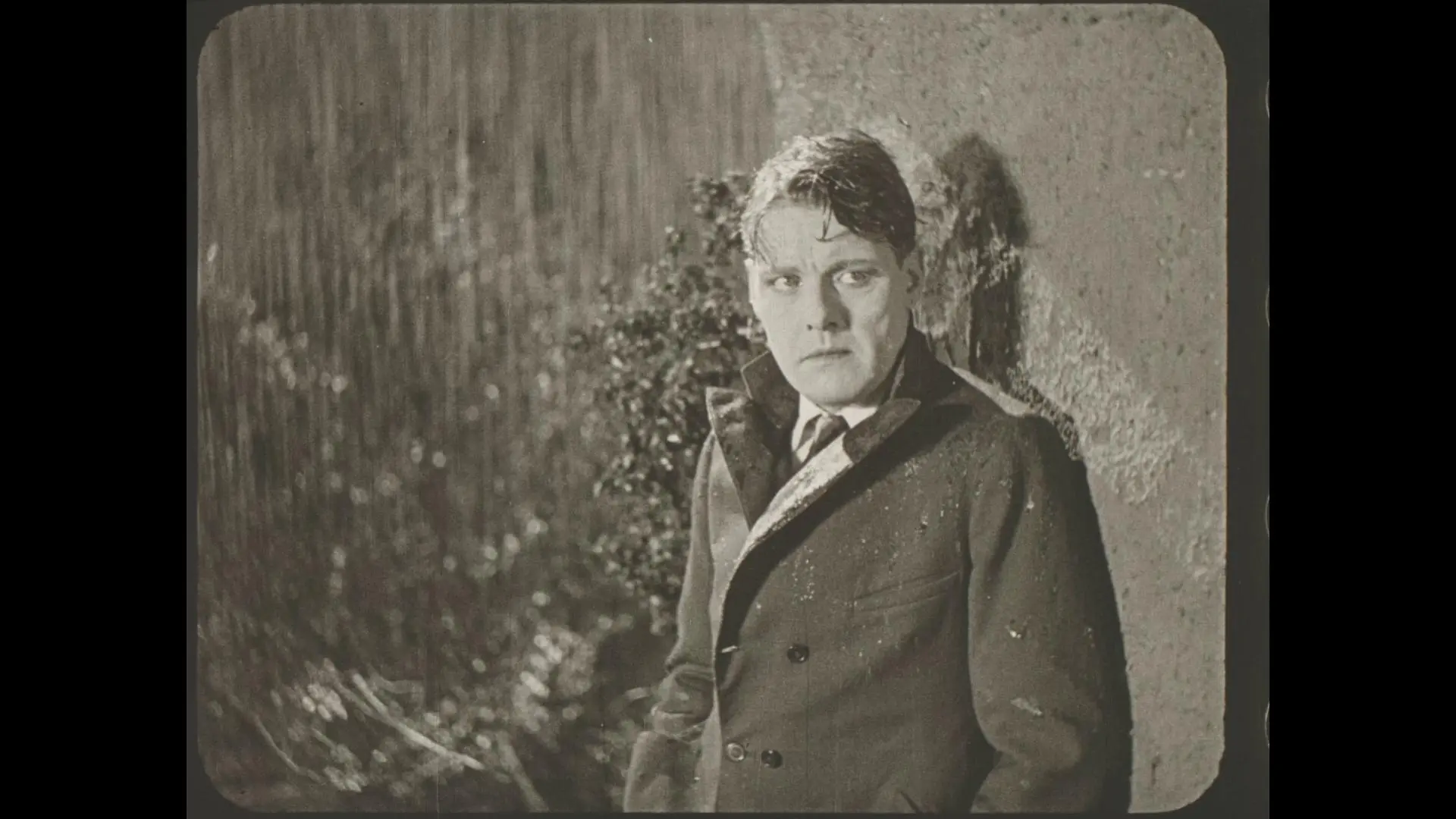
Visually, the film is a triumph of early cinematography. The use of natural light to capture the harshness of the Algerian landscape creates a high-contrast aesthetic that underscores the binary conflict between the two main characters. The shadows are deep and unforgiving, much like the secrets the characters harbor. This visual grit is a departure from the more polished, stage-like presentations of films like Children of the Stage; or, When Love Speaks, opting instead for a proto-realism that would later become a staple of the desert adventure genre.
The supporting cast, including Dorothy Davenport and Raymond Hatton, provides a necessary human dimension to the stark military setting. Davenport, in particular, offers a performance of quiet strength, serving as the emotional anchor in a world dominated by masculine aggression. Her presence reminds the viewer of the lives left behind, the stakes that exist outside the walls of the legion’s fort. This balance of domestic longing and martial rigor is handled with a sophistication that rivals As Ye Sow, another film that grapples with the consequences of one's actions across generations.
Reflecting on The Unknown over a century after its release, one is struck by its enduring relevance. The theme of the 'hidden identity' is a cinematic perennial, but few early films handled it with such psychological nuance. It avoids the melodramatic excesses of The Ring and the Man or the overt theatricality of My Official Wife. Instead, it leans into the silence, allowing the actors' faces and the stark environment to tell the story of a man's struggle for redemption.
The film’s exploration of the commander’s internal shift—from hatred to realization—is a precursor to the redemptive arcs we see in modern cinema. It suggests that our prejudices are often rooted in our own unacknowledged histories. When the commander realizes who the young man is, it is not just the young man who is saved; it is the commander who is liberated from his own bitterness. This duality of salvation is what elevates the film above a simple military drama. It is a story about the breaking of cycles, much like the societal shifts explored in The Coming Power.
While The Unknown might lack the kinetic energy of Fantômas: The False Magistrate or the sheer spectacle of The Great Circus Catastrophe, it compensates with a profound emotional gravity. It is a film that demands attention and rewards it with a narrative that resonates long after the final frame. The performances of Tellegen and Roberts are foundational, providing a template for the 'enemies-to-reconciled' trope that would be imitated for decades.
In the broader context of 1915 cinema, this film stands as a testament to the power of the screenplay. Turnbull and Wylie crafted a story that transcends its period setting, touching on universal truths about family, honor, and the possibility of change. Whether compared to the rugged individualism of The Man Trail or the moral quandaries of The Scales of Justice, The Unknown holds its own as a sophisticated, deeply moving piece of art. It is a reminder that even in the silent era, the most powerful stories were those that spoke directly to the complexities of the human heart. For the Queen's Honor (slug: for-the-queens-honor) might offer more overt heroism, but The Unknown offers something far more rare: a genuine glimpse into the soul of a soldier.
IMDb 7
1925
Community
Log in to comment.