DbcultAccessing Vault...
Cult Review
Senior Film Conservator
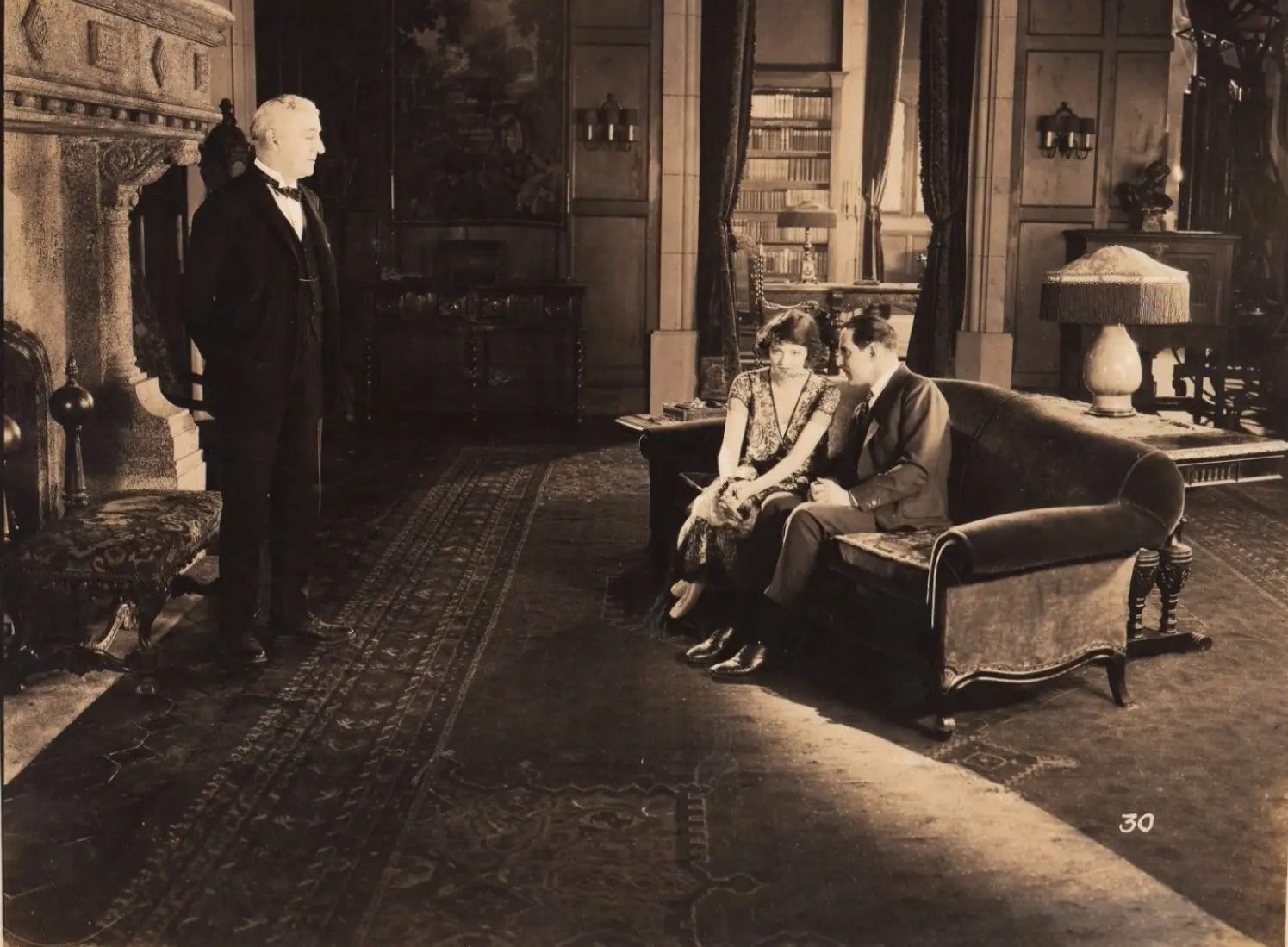
The 1920s cinema was often a mirror reflecting the frantic heartbeat of a generation trying to outrun the ghosts of the Great War. In Lend Me Your Husband (1924), directed with a certain rhythmic panache that characterizes the mid-silent era, we are treated to more than just a cautionary tale of a 'fast' girl. We are witness to a surgical dissection of the American leisure class. The film, written by the astute Ray Harris and Marguerite Gove, functions as a kaleidoscopic view of infidelity, where the currency of exchange isn't just money, but the very bodies and reputations of the protagonists.
Violet Mersereau portrays Aline Stockton with a jagged, nervous energy that feels remarkably modern. In the lexicon of 1924, a 'fast' girl was a woman who dared to possess an interior life independent of patriarchal permission. Aline is not merely a socialite; she is a woman drowning in the shallows. Her engagement to Robert Towers (played with a stoic, if somewhat wooden, nobility by Cornelius Keefe) is the anchor she desperately needs but subconsciously despises. When we compare this to the thematic weight of The Honor of His House, we see a similar struggle with domestic expectations, yet Aline’s rebellion is far more visceral.
Mersereau’s performance avoids the histrionics common to the period. Instead, she utilizes subtle shifts in posture and gaze to convey the claustrophobia of her position. She is trapped between the 'good girl' she is expected to be and the 'libertine' the tabloids claim she is. This duality is the engine of the film’s tension. Unlike the more whimsical approach found in Be a Little Sport, there is a looming sense of dread here—a realization that in the high-stakes game of society, the house always wins.
Enter Henry Seton, played by the formidable J. Barney Sherry. Seton is the quintessential silent film antagonist—not because he twirls a mustache, but because he is terrifyingly plausible. He is the married man who treats his affairs like business acquisitions. His seduction of Aline is a masterclass in psychological manipulation. However, the true narrative brilliance lies in the revelation that Seton is also entangled with Jenny (the luminescent Doris Kenyon). This creates a triangular conflict that is less about love and more about the exhaustion of keeping up appearances.
The film’s title, Lend Me Your Husband, suggests a casualness, a flippancy toward the marital bond that must have been scandalous to contemporary audiences. It echoes the social masquerades depicted in The City of Masks, where identity is a fluid, often treacherous construct. The 'lending' here is not literal but metaphorical—a sharing of secrets and sins that binds these characters in a mutual pact of destruction.
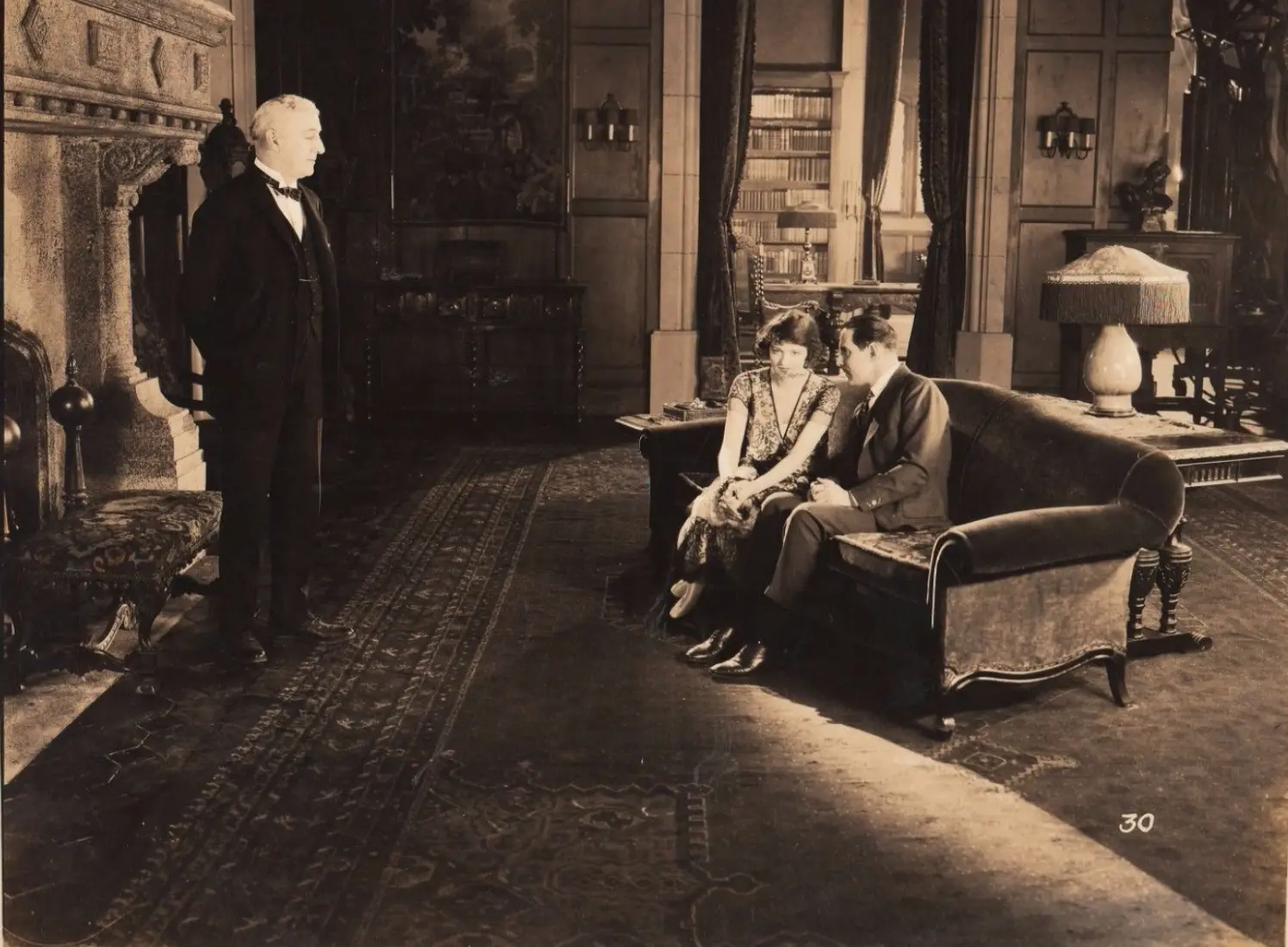
"In the gilded cages of the 1920s, the only thing more dangerous than a secret was the truth that everyone already knew but refused to speak."
The cinematography deserves a scholarly appraisal. The use of shadows in the interior scenes creates a sense of entrapment, reminiscent of the expressionistic touches in The White Masks. The camera lingers on objects—a discarded glove, a half-empty glass of champagne, a crumpled letter—to tell the story that the intertitles cannot. This visual shorthand is essential in a film where the characters are constantly lying to one another. The audience becomes the ultimate confidante, the only ones who see the full scope of the deception.
The pacing is surprisingly brisk. Ray Harris and Marguerite Gove’s script doesn't waste time on superfluous subplots. Every scene serves to tighten the noose around Aline’s neck. We see her social standing begin to erode, not through one grand gesture, but through a series of small, cumulative indiscretions. It is a slow-motion car crash of a life, captured with a clinical, almost voyeuristic lens. This level of narrative focus is often missing in contemporary silent works like Once a Mason, which tends toward the episodic.
The ensemble is bolstered by heavyweights of the era. David Powell and Anita Louise provide the necessary grounding, representing the 'old world' values that Aline is inadvertently torching. Louise, even in this early role, exhibits the poise that would make her a star. The presence of Burr McIntosh adds a layer of patriarchal authority that serves as a foil to the younger characters' recklessness.
One cannot discuss this film without mentioning the wardrobe. The costumes are not merely decorative; they are armor. Aline’s flapper dresses, dripping with beads and audacity, contrast sharply with the more conservative attire of the 'virtuous' characters. It is a visual war between the past and the future. In many ways, the film shares a sartorial DNA with Queens Are Trumps, where clothing denotes both rank and moral alignment.
Does Lend Me Your Husband hold up a century later? The answer is a resounding yes, though perhaps for different reasons than originally intended. In 1924, it was a morality play. In the present day, it serves as a fascinating sociological document. It captures the exact moment when the Victorian moral code was being dismantled by the sheer force of youth and jazz. It deals with themes of gaslighting and emotional manipulation that feel incredibly pertinent in our current discourse.
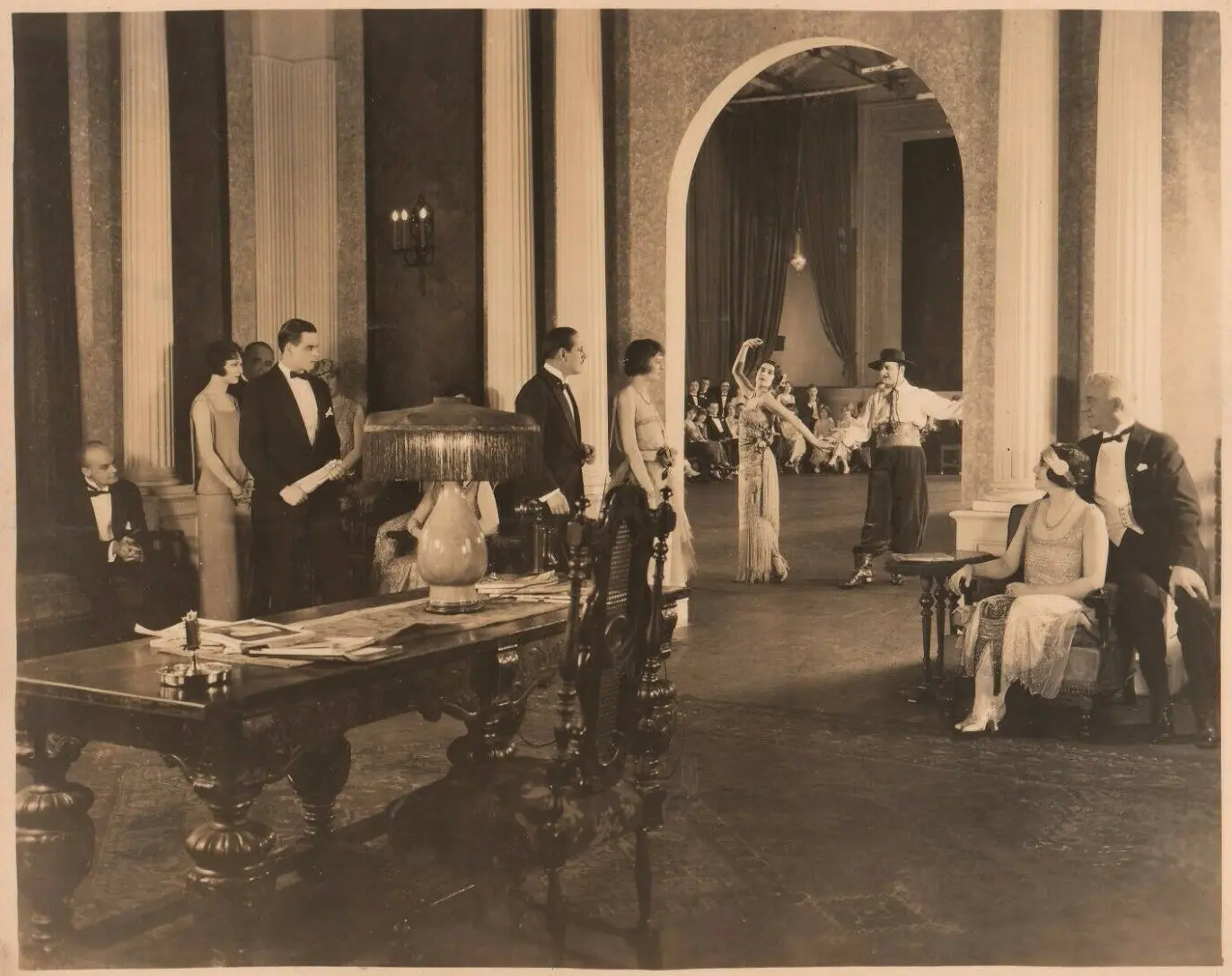
The film avoids the easy out of a purely happy ending. While there is a resolution of sorts, the scars remain visible. This maturity in storytelling reminds me of the somber tones found in The Faded Flower. There is a recognition that once the glass is broken, it can be glued back together, but the cracks will always catch the light. The 'husband lending' might stop, but the memory of the transaction lingers.
When looking at international contemporaries like Der Mann ohne Namen - 1. Der Millionendieb, one notices that American cinema of the time was uniquely obsessed with the domestic sphere as a site of moral peril. While European films were often exploring grander, more abstract concepts of identity and theft, American directors like those behind Lend Me Your Husband were focused on the theft of one's reputation within the drawing room. It is a more intimate, and in some ways, more terrifying form of drama.
Even when compared to the starker, more apocalyptic imagery of During the Plague, the personal 'plague' of scandal in Aline's world feels just as devastating. The social death she faces is a fate worse than physical demise in the eyes of her peers. This film understands that the gossip column is a more effective weapon than the sword.
It is a tragedy of film preservation that works like Lend Me Your Husband are not more widely discussed in the canon of great silent dramas. It possesses a sophistication of character and a sharpness of wit that rivals the best of Lubitsch or DeMille. The performances of Mersereau and Kenyon are nuanced, the direction is purposeful, and the themes are universal.
Whether you are a student of the silent era or a casual viewer looking for a deep dive into the scandals of the past, this film offers a rich, rewarding experience. It reminds us that while technology changes, the human heart—with all its capacity for love, betrayal, and self-deception—remains remarkably constant. Much like the characters in Somebody Lied, the protagonists here find that the truth is a luxury they simply cannot afford until it is forced upon them.
In the end, Lend Me Your Husband is a shimmering example of the power of silent cinema to communicate complex emotional truths through nothing more than a flicker of light and a shadow of doubt. It is a film that demands to be seen, analyzed, and remembered.
IMDb —
1919
Community
Log in to comment.