DbcultAccessing Vault...
Cult Review
Senior Film Conservator
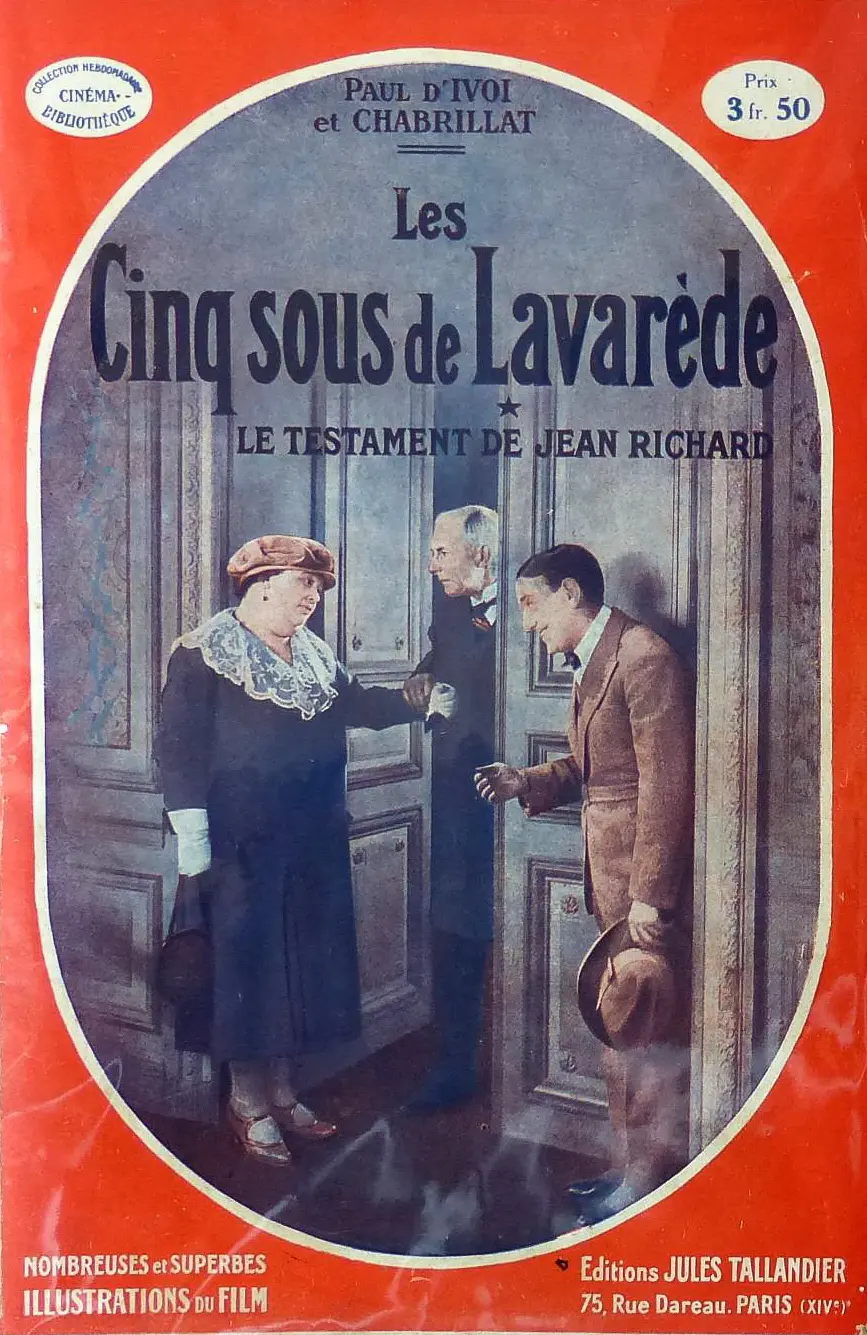
Is Les cinq sous de Lavarède worth watching today? Short answer: yes, but with significant caveats that demand a certain appreciation for early cinema. This film is a fascinating relic, a window into a bygone era of storytelling, particularly for those who revel in silent-era French adventure and the foundational elements of cinematic narrative. It is decidedly not for viewers seeking modern pacing, high-definition spectacle, or complex character psychology.
For enthusiasts of historical cinema, it offers a rich, if sometimes challenging, experience. Its charm lies in its earnestness and the sheer audacity of its premise, pushing a simple idea to its global extremes. Yet, its age is palpable, manifesting in narrative conventions and technical limitations that can test contemporary patience. It works. But it’s flawed.
The central conceit of Les cinq sous de Lavarède is its undeniable hook: a man traveling the world with a paltry five sous he cannot spend. This immediately sets a tone of lighthearted absurdity, a quality that was often embraced in early serials and adventure films. It’s a premise that, even a century later, sparks curiosity, inviting the audience to ponder how such a journey could possibly unfold. The film capitalizes on this by creating a series of episodic encounters, each designed to highlight Lavarède's predicament and his inventive solutions.
The film works because it commits wholeheartedly to its fantastical premise, never wavering in its dedication to the peculiar rules it establishes. This commitment allows the audience to suspend disbelief and immerse themselves in Lavarède's increasingly improbable adventures. It’s a testament to the power of a simple, strong idea. The film fails because its pacing, while typical for its era, can feel agonizingly slow to modern sensibilities, and its character development is largely superficial, relying on archetypes rather than depth. You should watch it if you appreciate the historical context of cinema and can find joy in its quaint, often charming, narrative style.
The directorial hand guiding Les cinq sous de Lavarède is a fascinating study in early cinematic technique. Given the era, the direction focuses heavily on clear, declarative staging. Each scene is constructed to convey information directly, often through exaggerated gestures and simplified sets. There’s a theatricality to the blocking that feels inherited from the stage, a common characteristic of films from this period.
What truly stands out is the film’s ambition, even within its technical constraints. The implied scope of Lavarède's global journey is conveyed through clever use of title cards and varied, if rudimentary, sets. We are transported from Parisian streets to what are meant to be exotic locales, even if these often amount to little more than painted backdrops and a few well-placed props. For instance, a scene depicting Lavarède in an 'African' market, despite its obvious studio origins, attempts to create a sense of otherness through costume and set dressing, demonstrating an early effort at world-building that would become far more sophisticated in later decades. It's a charming, if somewhat naive, approach to visual storytelling.
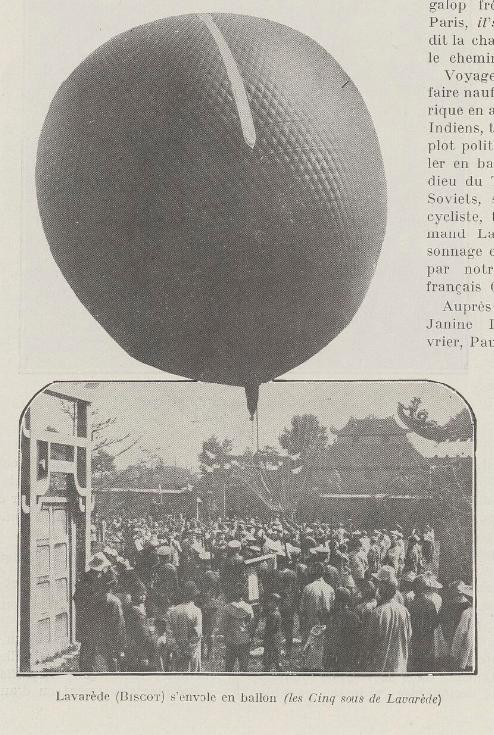
"The film’s greatest strength lies in its unshakeable commitment to its own whimsical logic, a quality often missing in today's more cynical blockbusters."
The cast, featuring names like Carlos Avril, Paulette Berger, and Georges Biscot, delivers performances that are emblematic of the silent film era. Acting in this period was a physical art, relying on broad gestures, expressive facial movements, and clear pantomime to convey emotions and intentions without dialogue. Carlos Avril, as Lavarède, embodies the naive but resourceful protagonist with a consistent, often endearing, earnestness.
His physical comedy, particularly in moments of peril or confusion, is a highlight. There's a particular sequence where Lavarède attempts to evade a pursuing villain by comically scrambling over various obstacles, a moment that showcases Avril's capacity for physical humor. Paulette Berger, likely playing the romantic interest, brings a grace and subtle charm that balances Avril's more overt performance. While modern audiences might find the acting somewhat over-the-top, it's crucial to understand it within its historical context, where clarity of expression was paramount. The performances are a living archive of how stories were told before sound.
The pacing of Les cinq sous de Lavarède is perhaps its most challenging aspect for contemporary viewers. Films of this era often embraced a more leisurely narrative rhythm, allowing scenes to unfold without the rapid-fire editing and constant plot propulsion we've grown accustomed to. There are long takes, deliberate movements, and often extended sequences dedicated to relatively minor plot points. This isn't a flaw in the film itself, but rather a reflection of the cinematic conventions of the 1920s.
The tone, however, is consistently light and adventurous. Despite moments of peril, the film never truly feels dark or threatening. It maintains a sense of playful escapism, a characteristic that makes it an enjoyable, if slow-moving, watch. The humor is often situational and visual, relying on misunderstandings and physical predicaments. For example, a scene where Lavarède accidentally swaps suitcases with a nefarious character, leading to a series of comedic mix-ups, perfectly encapsulates the film's gentle, farcical tone. It's a film that asks for patience, rewarding it with quaint charm.
The cinematography in Les cinq sous de Lavarède is a fascinating study of early film technology and artistry. While lacking the sophisticated camera movements and complex lighting schemes of later decades, the film demonstrates a strong understanding of how to compose a frame and use available light effectively. Shots are generally static, often medium or wide, capturing the full action and allowing the actors' physical performances to dominate. Close-ups are used sparingly, often to emphasize a crucial object or a character's reaction, a technique still in its nascent stages.
One might observe the occasional use of iris shots, a common stylistic flourish of the era, to draw attention to a specific detail or to transition between scenes. The quality of the film stock and the limitations of early cameras mean that images can appear grainy or less sharp than we're used to. Yet, there’s an undeniable beauty in the simplicity of some compositions, particularly those attempting to evoke the grandeur of Lavarède's travels. A shot of a ship sailing across a painted ocean backdrop, while primitive, conveys the expansive journey with an earnest conviction. It's a testament to the ingenuity of filmmakers working with limited tools.
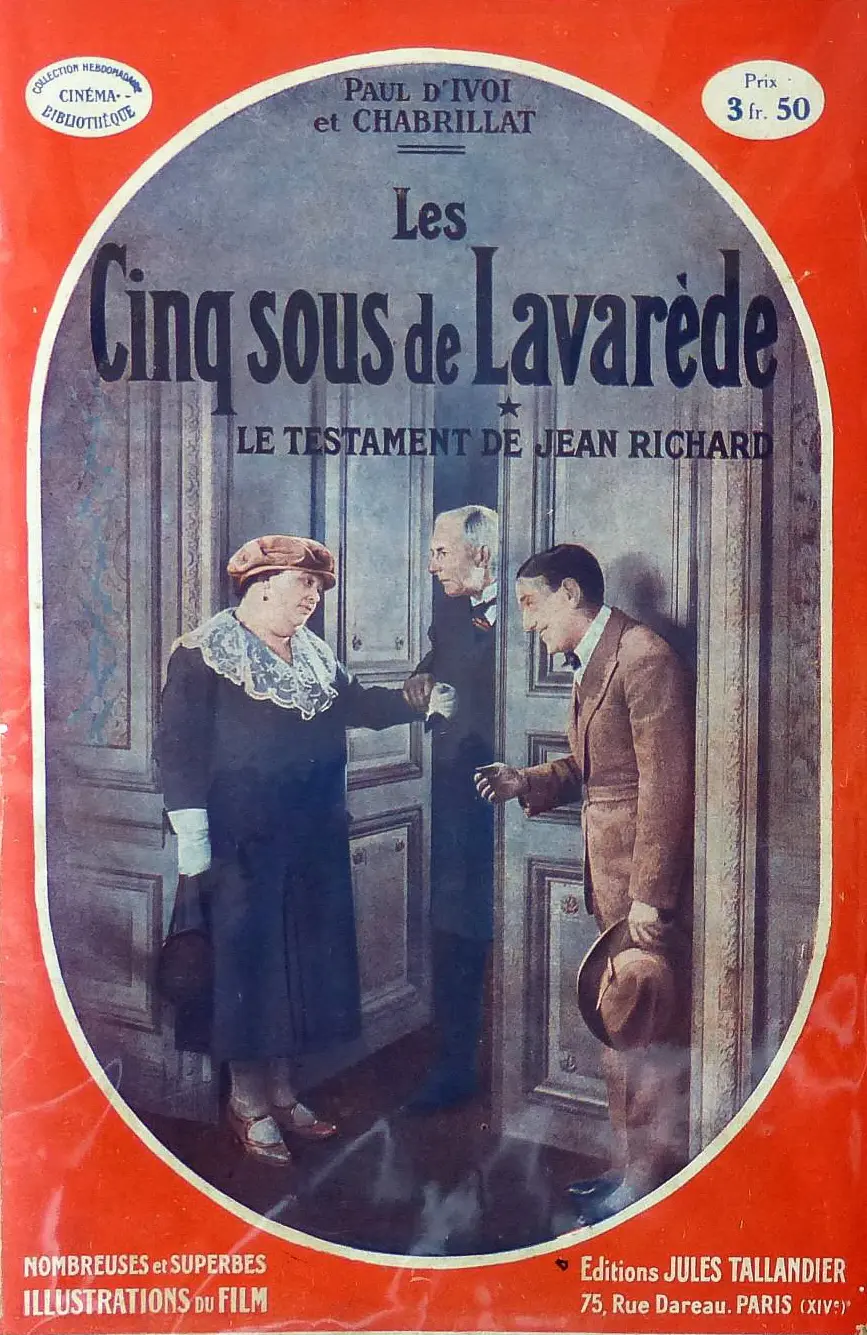
Absolutely, for the right audience. Les cinq sous de Lavarède is a historical artifact that still offers entertainment value, provided you adjust your expectations. It’s a foundational piece, showcasing the early development of narrative film and the adventurous spirit of its time. It’s not going to win over those who demand CGI-laden blockbusters or emotionally complex dramas. However, if you have an interest in silent cinema, a love for quirky adventure stories, or simply want to experience a piece of film history, then this film is a delightful, albeit slow, journey.
It serves as a crucial reminder of how far the medium has evolved, yet also how some core elements of storytelling remain timeless. Its unique premise, while simple, carries an enduring charm that transcends its technical limitations. Think of it as visiting a grand old museum; you don't expect modern conveniences, but you appreciate the craftsmanship and the stories it tells.
To truly appreciate Les cinq sous de Lavarède, it helps to place it within the context of other films from its period. It shares a certain episodic adventure spirit with serials like Perils of the Rail or even more lighthearted fare like Pajamas, though Lavarède often leans more into a whimsical, almost farcical, tone than pure cliffhanger suspense. Its French origins also distinguish it, offering a different cultural lens than its American or German contemporaries.
One could draw a parallel to early Charlie Chaplin shorts in its reliance on physical comedy and a sympathetic, often underdog, protagonist, though Lavarède lacks the tragic undertones of Chaplin's tramp. It’s a film that, like Crainquebille, speaks to a particular sensibility of French cinema – a blend of the humanistic and the slightly absurd. It's less about grand statements and more about charming, often humorous, observations of human nature under unusual circumstances.
Les cinq sous de Lavarède is more than just a historical curiosity; it’s a delightful, if demanding, adventure that showcases the inventive spirit of early cinema. Its whimsical premise and earnest performances offer genuine charm, making it a valuable experience for those willing to engage with its particular rhythms. While its pacing and visual simplicity will undoubtedly deter some, its unique place in film history and its consistent, lighthearted tone make it a film worth seeking out for the adventurous cinephile.
It’s a testament to the fact that a strong, original idea, even with minimal resources, can carry a story across continents and through decades. Give it a chance, and you might find yourself surprisingly charmed by Lavarède’s improbable global quest. It may not be a cinematic 'masterpiece' by modern standards, but it is undeniably a compelling piece of the puzzle that is film history. It deserves its spot. And perhaps, even a re-evaluation.
IMDb —
1926
Community
Log in to comment.