DbcultAccessing Vault...
Cult Review
Senior Film Conservator
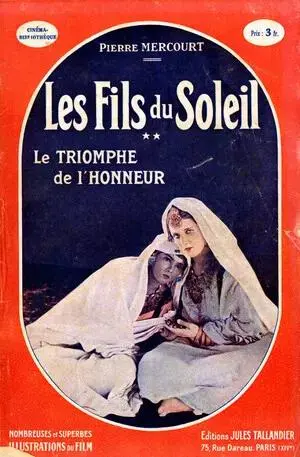
In the annals of silent cinema, few works capture the paradoxical beauty and underlying brutality of the colonial era with as much visual flair as René Le Somptier’s Les fils du soleil. Filmed during a period when the French presence in Morocco was transitioning from military conquest to administrative consolidation under Marshal Lyautey, the film serves as both a historical artifact and a gripping melodrama. It eschews the simplistic jingoism often found in contemporary works, opting instead for a narrative fueled by the friction between old-world aristocratic honor and the ruthless opportunism of the modern financier. The film’s atmosphere is thick with the scent of dust and the shadow of the Atlas Mountains, creating a canvas where personal vendettas carry the weight of international incidents.
Unlike the claustrophobic domesticity seen in The Other Man's Wife, Le Somptier utilizes the vast Moroccan topography to externalize the internal conflicts of his protagonists. The expansive vistas are not merely backdrops; they are active participants in the drama, embodying the untameable spirit of the Berber resistance and the cold, calculating distance of the European elite. The director’s eye for detail—from the intricate textiles of the local tribes to the stiff, starched collars of the French nobility—creates a sensory experience that transcends the limitations of the silent medium.
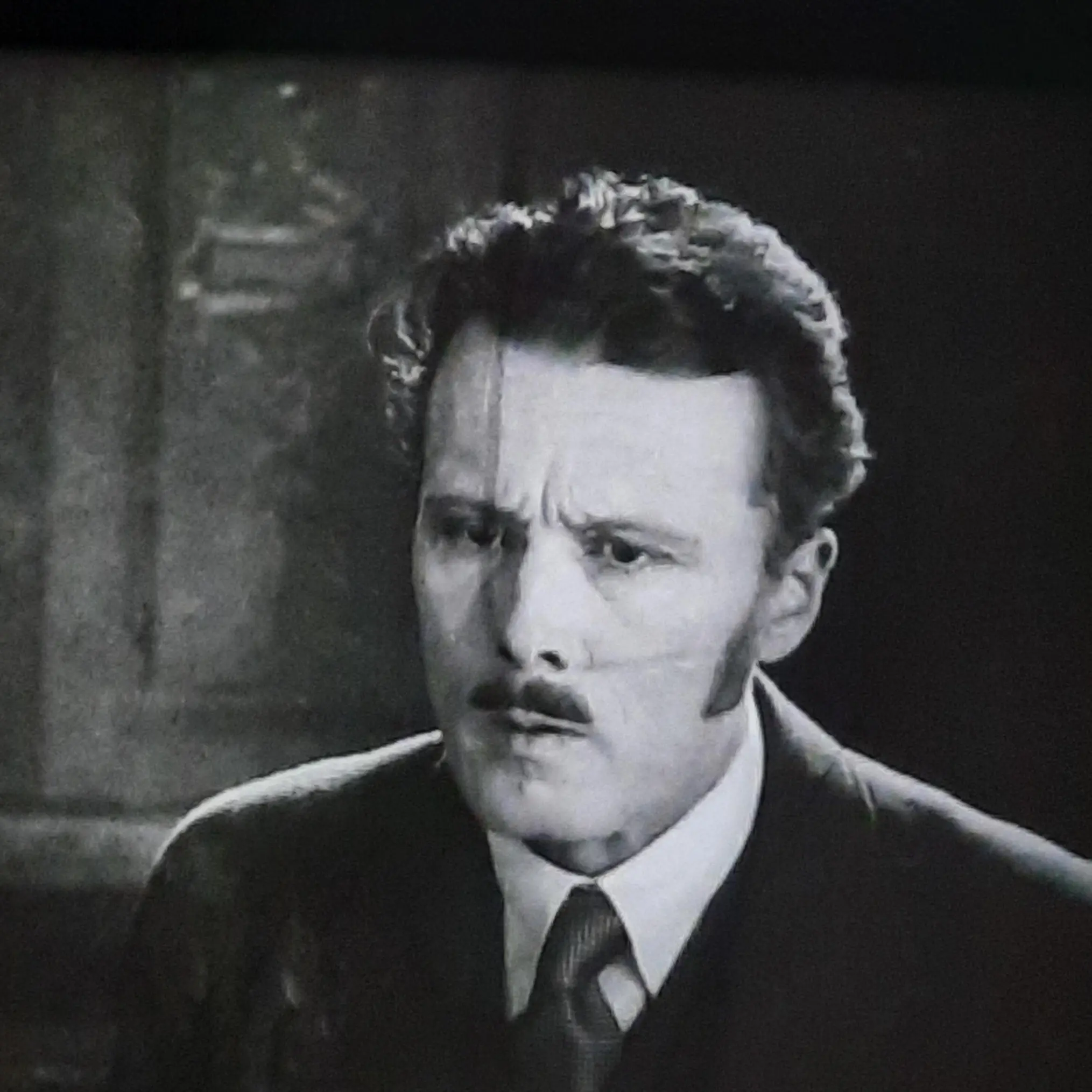
At the dark heart of the film lies Baron de Horn, portrayed with a chilling, restrained malevolence that rivals the most iconic villains of the era. He is a man of "dubious origins," a phrase that in 1920s cinema served as shorthand for a rootless, predatory capitalism. His desire for Aurore, the Marquis de Saint-Bertrand’s daughter, is less about romantic affection and more about the acquisition of status. To the Baron, Aurore is the ultimate asset—a key to the inner sanctum of the French aristocracy that has consistently held him at arm's length. When the Marquis rejects his proposal, we see a psychological shift that mirrors the moral decay explored in Erich von Stroheim’s Greed. The Baron does not merely want to succeed; he wants to destroy the institution that deemed him unworthy.
His alliance with the rebel Abd-el-Kassem is a masterclass in Machiavellian strategy. By arming the very insurgents the French military seeks to pacify, the Baron creates a crisis that he can then manipulate for his own ends. This element of the plot elevates the film from a standard romance to a sophisticated political thriller. The tension inherent in these clandestine meetings, often shot in deep chiaroscuro, highlights the duality of the Baron’s existence: a polished gentleman by day and a merchant of death by night. This duality is a recurring theme in the work of Le Somptier, who often explored the thin veneer of civilization covering primal instincts.
Aurore, played with a delicate yet firm grace by Marquisette Bosky, represents the fading light of the old regime. Her rejection of the Baron is not born of simple caprice, but of an innate understanding of the incompatibility of their worlds. In many ways, her character arc mirrors the struggles found in Flickering Youth, where the younger generation must navigate the debris of their parents' expectations. However, Aurore is no passive victim. As the Baron’s revenge plot begins to unfold, she displays a resilience that suggests a shift in the portrayal of women in mid-20s French cinema—moving away from the 'damsel in distress' toward a more nuanced, active participant in her own fate.
The relationship between Aurore and her father, the Marquis, provides the film's emotional anchor. The Marquis is a man out of time, clinging to notions of lineage and honor in a world increasingly governed by the ledger and the machine gun. Their dynamic is reminiscent of the tragic familial bonds in Whom the Gods Would Destroy, where the stubborn adherence to tradition leads inevitably to a collision with a changing reality. The Marquis’s refusal to sell his daughter’s hand to a man he considers a social parvenu is the catalyst for the film’s explosive second half, proving that in the world of Les fils du soleil, pride is as dangerous as any bullet.
When the narrative shifts from the salons of the protectorate to the rugged terrain of the Atlas Mountains, the film undergoes a stylistic transformation. The cinematography becomes more kinetic, capturing the grueling reality of mountain warfare. The sequences involving Ali Ben Saïd and the transport of weapons are filmed with a grit that anticipates the realism of later desert epics. There is a sense of genuine peril here, a feeling of nature’s hostility that echoes the environmental struggles in The Storm. The mountains are not just a hiding place for Abd-el-Kassem; they are a fortress that demands respect from both the colonizer and the rebel.
The use of local Moroccan cast members, including Tahar Hannache and Leila Djali, adds an essential layer of authenticity to these scenes. Unlike many contemporary Hollywood productions that relied on 'brownface' and Orientalist caricatures, Le Somptier allows his Moroccan characters a degree of agency and dignity. While they are still framed within the colonial gaze, their motivations—independence, survival, and tribal loyalty—are presented with a seriousness that was rare for the era. The conflict is not presented as a simple battle between good and evil, but as a complex web of shifting allegiances, much like the moral ambiguities present in Drama na okhote.
René Le Somptier’s direction is characterized by a sophisticated understanding of pacing. He allows the domestic drama to simmer, building the tension through quiet glances and subtle gestures before erupting into the high-stakes action of the film’s climax. The editing is notably advanced, using cross-cutting to link the Baron’s social maneuvers with the movement of the arms caravan in the mountains. This technique creates a sense of impending doom, as the viewer realizes that a single word spoken in a drawing room can lead to a massacre hundreds of miles away. This structural complexity is far beyond the linear storytelling found in films like Hello, Judge.
The visual language of Les fils du soleil is also worth noting for its use of light. The harsh, overhead sun of the Moroccan desert is utilized to create high-contrast images that emphasize the isolation of the characters. In the interior scenes, the lighting is softer, more diffused, reflecting the artificiality of the European lifestyle in North Africa. This visual dichotomy serves to underscore the film’s central theme: the irreconcilable gap between the reality of the land and the illusions of those who seek to own it. The film’s aesthetic ambition places it alongside other silent-era technical triumphs like Der Leibeigene.
While Les fils du soleil may not be as widely discussed today as the works of Abel Gance or Jean Epstein, its contribution to the development of the colonial epic cannot be overstated. It manages to balance the requirements of a popular melodrama with a thoughtful exploration of power dynamics and cultural identity. The film’s ending, which avoids easy resolutions, leaves the viewer with a sense of the ongoing complexity of the Moroccan situation—a situation that would continue to evolve long after the cameras stopped rolling. It shares this sense of unresolved tension with As a Man Sows, where the consequences of past actions continue to ripple through the present.
The performances remain surprisingly modern, particularly that of Mario Nasthasio as the Baron. He avoids the mustache-twirling villainy of the era, opting instead for a cold, intellectual malice that is far more terrifying. Similarly, the Moroccan actors provide a groundedness that prevents the film from drifting into pure fantasy. In the context of 1926, Les fils du soleil was a bold undertaking, a film that attempted to capture the spirit of a nation in flux through the lens of a personal tragedy. It remains a vital piece of cinema history, a testament to the power of the silent image to bridge the gap between disparate worlds and to expose the dark machinery of revenge that operates beneath the surface of "civilized" society. It is as much a cautionary tale about the corrupting influence of power as The Man Unconquerable or The Deemster, proving that whether in the Atlas Mountains or the courts of Europe, the sons of the sun are often blinded by their own ambitions.
A haunting, visually arresting masterpiece that stands as a pillar of early 20th-century French-Moroccan cinematic collaboration.

IMDb 5.9
1914
Community
Log in to comment.