DbcultAccessing Vault...
4.7/10
Senior Film Conservator
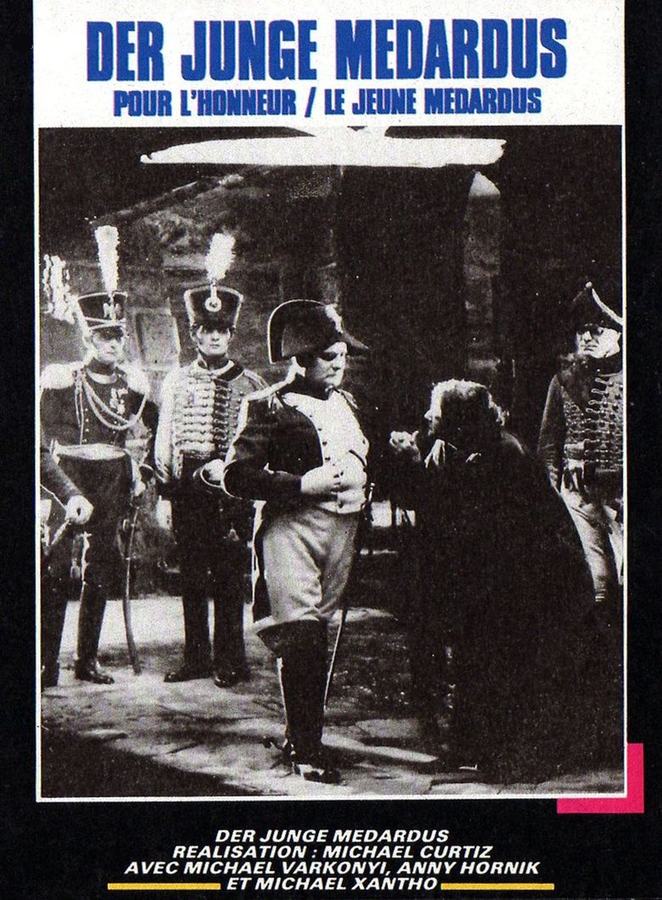
A definitive 4.7/10 rating for a film that redefined the boundaries of cult cinema. Der junge Medardus remains a cornerstone of transgressive art.
Before Michael Kertész reinvented himself as the legendary Michael Curtiz of Hollywood fame, he orchestrated some of the most visually ambitious spectacles of European silent cinema. Der junge Medardus (1923) stands as a towering testament to this era—a film that breathes with the heavy, soot-stained air of 1809 Vienna. Based on the dramatic work of Arthur Schnitzler, the film transcends the mere historical reenactment, opting instead for a visceral exploration of national identity and the toxic allure of martyrdom.
The sheer scale of this production is staggering, even by modern standards. Kertész utilizes the architecture of Vienna not merely as a backdrop but as a character that exerts its own gravitational pull on the protagonists. The street scenes, teeming with a populace oscillating between defiant patriotism and paralyzing fear, showcase a directorial hand capable of managing chaos with surgical precision. Unlike the more intimate domesticity found in Family Affairs, this film demands a wide-angle lens to capture the tectonic shifts of empires.
The cinematography employs a chiaroscuro intensity that predates the peak of German Expressionism, yet it remains anchored in a gritty realism. The way the light hits the cobblestones as Napoleon’s troops approach creates an atmosphere of impending doom that is almost tactile. One cannot help but compare this visual grandiosity to the historical weight of La tragica fine di Caligula imperator, though Kertész trades Roman decadence for the austere, high-collared tension of the 19th-century Austrian bourgeoisie.
Karel Lamac delivers a performance of frayed nerves and burgeoning obsession as Medardus. He captures the mercurial nature of youth—the way an adolescent sense of justice can be so easily twisted into a weapon by those with more cynical motives. When he encounters Helene Valois, played with a chilling, predatory grace by Anny Hornik, the film shifts from a political thriller into a dark romance of manipulation. Helene is not a simple femme fatale; she is a displaced aristocrat using the only currency she has left—her influence over a man’s desire—to strike a blow against the man who dismantled her world.
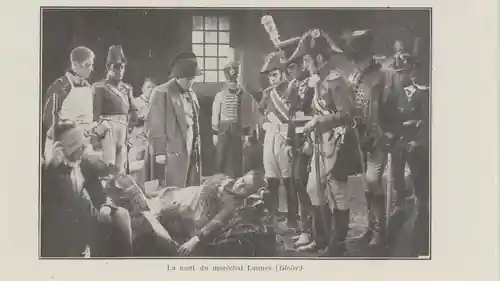
Their dynamic is a far cry from the lighthearted or melodramatic tropes seen in Desire. Here, every touch is a transaction, and every promise of love is a death warrant. The psychological complexity Schnitzler is known for survives the transition to the silent screen remarkably well, thanks largely to Kertész’s ability to linger on the micro-expressions of his leads during moments of moral crisis.
The film’s portrayal of Napoleon is fascinating in its restraint. He is an omnipresent shadow, a force of nature rather than a mere man, whose arrival triggers a collective psychosis in the city. The script, co-written by Ladislaus Vajda, doesn't shy away from the ugliness of war. We see the wounded, the desperate, and the opportunistic. In this regard, it shares a certain DNA with the social awareness of Cocaine Traffic; or, the Drug Terror, though its focus is the addiction to power and glory rather than chemical substances.
The narrative structure is labyrinthine, mirroring the winding alleys of old Vienna. As Medardus moves closer to his goal of assassinating the Emperor, the film questions the very nature of heroism. Is Medardus a patriot or a pawn? Is his sacrifice a noble act or a tragic waste of a life? These questions elevate the film above the standard nationalistic propaganda often found in early 20th-century historical epics like America Is Ready.
Technically, Der junge Medardus is a marvel of editing and set design. The transition between the opulent interiors of the Valois residence and the muddy, chaotic barracks of the Austrian defenders creates a jarring contrast that underscores the class divide at the heart of the conflict. The production design avoids the staginess that plagued many of its contemporaries, such as Knocknagow, opting instead for a sense of lived-in history.
The film also benefits from a robust supporting cast. Victor Varconi and Ágnes Eszterházy provide essential layers to the social fabric of the story, representing the various strata of a society in flux. The interplay between these characters reminds one of the intricate social dynamics in Madeleine, though the stakes here are not merely personal reputation but the fate of a continent.
What makes Der junge Medardus so enduring is its refusal to provide easy catharsis. It is a film of profound disillusionment. While films like The Poor Rich Man or What Money Can't Buy often resolve their conflicts through moral alignment or financial redemption, Kertész leaves his audience in the cold. The tragedy of Medardus is the tragedy of a generation that found itself caught between the dying embers of the old world and the scorched earth of the new.
The film’s pacing is deliberate, allowing the tension to simmer until it boils over in the final act. It avoids the frantic, slapstick energy of The Donkey Did It or the simplified morality of Should a Mother Tell. Instead, it demands a sophisticated viewer who is willing to engage with the moral ambiguity of its characters. It is an intellectual epic, a precursor to the grand historical dramas that would define the sound era, yet it possesses a visual purity that only the silent medium can offer.
Der junge Medardus is a masterclass in atmospheric storytelling. It captures the intersection of personal desire and political necessity with a haunting beauty. While it may lack the whimsical charm of One Arabian Night, it compensates with a gravitas that is rare in any era of cinema. It is a mandatory watch for anyone seeking to understand the evolution of Michael Curtiz or the heights of 1920s European filmmaking. This is not just a relic of the past; it is a living, breathing piece of art that continues to resonate with its themes of manipulation, sacrifice, and the relentless march of time.

IMDb 5.9
1934
Community
Log in to comment.