Summary
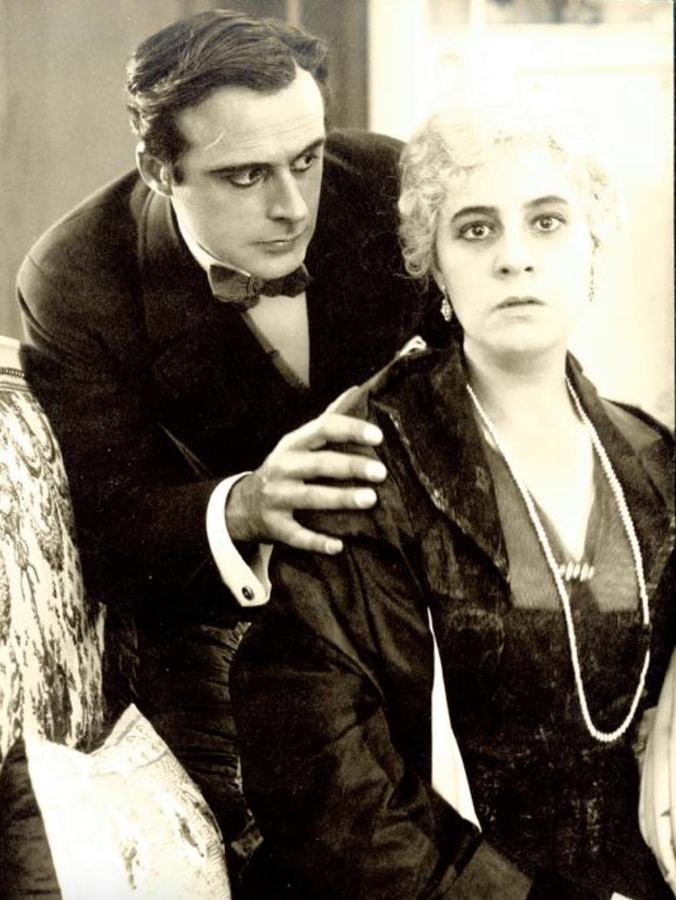
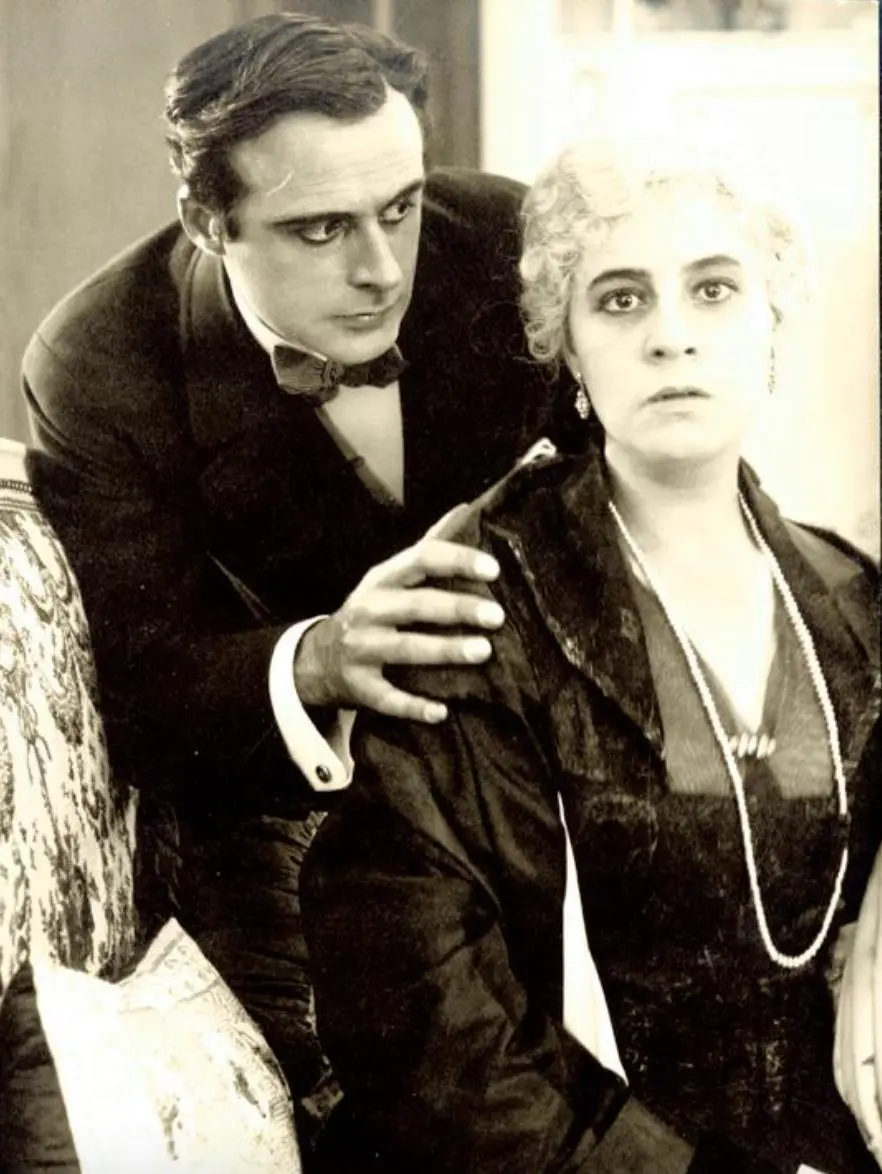
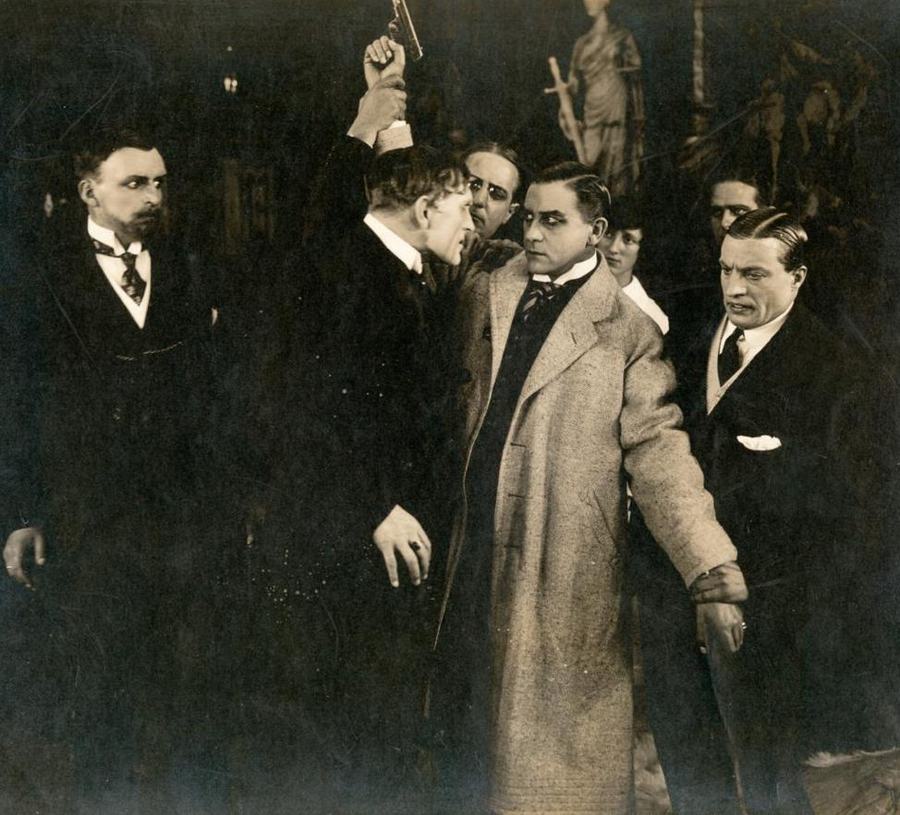
A gaunt novice, Brother Augustin, discovers a crusted manuscript in the cloister library that claims every temptation confessed aloud turns into a living imp who will pester the monastic order until the sin is acted upon. The parchment’s ink bleeds when whispered, so the monks decide to test it: each friar must voice his most secret appetite. What unfurls is a carnival of repressed desires—gluttony, concupiscence, vanity—given flesh. A roasted swan sprouts feathers again and flaps through the refectory; a chalice overflows with wine that tastes of childhood cherries; a statue of the Virgin blushes and steps down from her niche to dance a volta with the abbot. The brethren, once stoic silhouettes against cold stone, now writhe in polychrome ecstasy while bell-tolls mark the hours like a metronome for madness. Hugo Bruun’s Augustin tries to quell the chaos by swallowing the parchment, but the words crawl out of his pupils in gilded cursive, projecting everyone’s cravings onto the vaulted ceiling like an illuminated zoetrope. By matins the monastery has become a diorama of living sin: Cajus Bruun’s portly cellarer bathes in butter while reciting erotic psalms; Ebba Thomsen’s novitiate, disguised as a mute scullion, reveals herself a runaway countess hungry for transubstantiation of flesh into theatre. The climax arrives when the entire community processes into the nave carrying candles made of their own tallow, chanting a Te Deum backwards. The church doors lock of their own accord; the camera—Langsted’s only concession to modernity—retreats through the rose window until the figures below resemble squirming pigments in a Bosch triptych. No absolution is offered; the film ends on a freeze-frame of open mouths, forever tasting the air where forgiveness should have been.
Review Excerpt
"
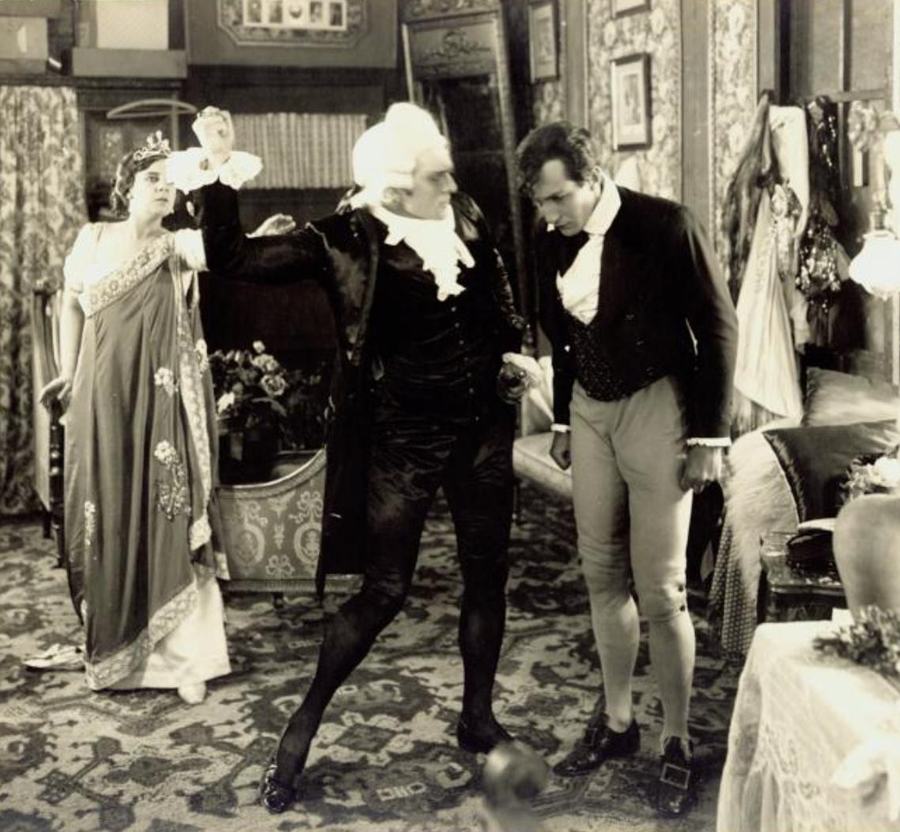
Imagine a candle stub spitting sparks onto vellum so old it exhales dust like incense. That first flicker is what Langsted captures in Munkens fristelser—a 1917 Danish curio whose very title feels whispered through keyholes. The film survives only in mildewed fragments, yet its after-image scorches the retina: monks gargoyle-faced, mouths inked by hunger, moving in stop-start jerks as though the devil himself spliced the reels.
There is no score on my Blu-ray; I supply the silence with my own..."