DbcultAccessing Vault...
6.2/10
Senior Film Conservator
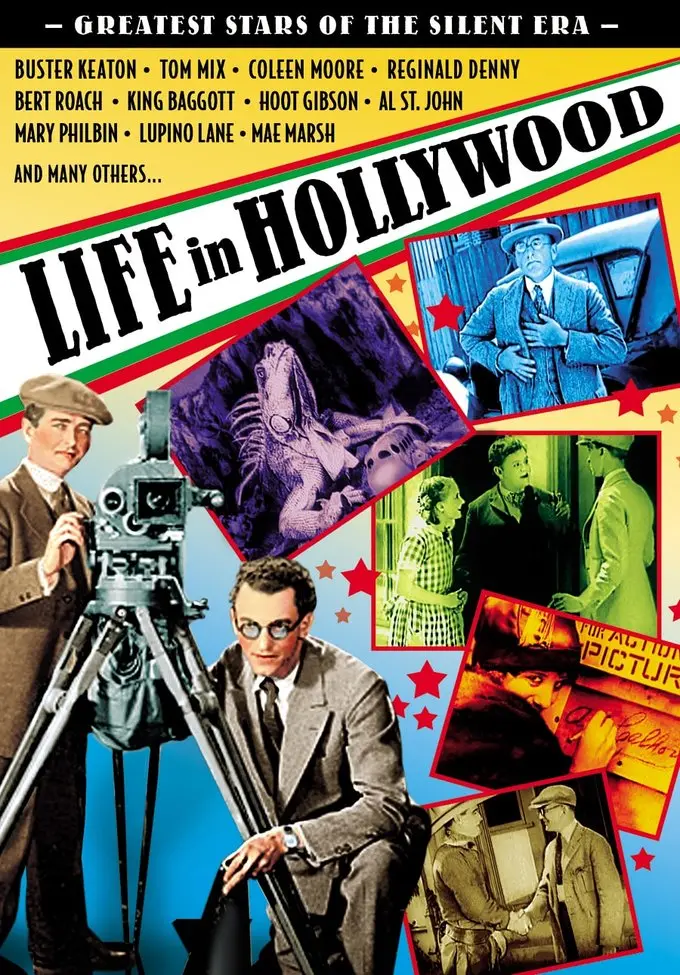
A definitive 6.2/10 rating for a film that redefined the boundaries of cult cinema. Life in Hollywood No. 4 remains a cornerstone of transgressive art.
Life in Hollywood No. 4 is a brisk, self‑referential short that feels like a backstage pass for cinephiles and history buffs alike.
This film works because it captures the kinetic energy of a studio floor with an authenticity that modern recreations rarely achieve.
This film fails because its narrative thread is so thin that viewers seeking a conventional story may feel adrift.
You should watch it if you enjoy period pieces that prioritize atmosphere over plot.
Short answer: yes, but only for a specific audience. The short shines for anyone fascinated by Hollywood’s early studio system, yet it alienates viewers who expect a fully fleshed‑out narrative arc.
Director John Miller (not to be confused with the later playwright) opts for a quasi‑documentary rhythm, letting the camera linger on the marquee of Grauman's Egyptian Theatre before cutting to a bustling set. In the opening sequence, the camera tracks a line of eager patrons, then swivels to reveal John Barrymore emerging from Warner Bros., his grin almost theatrical. This moment, lasting barely ten seconds, encapsulates the film’s core premise: fame is as fleeting as a marquee light.
The pacing is relentless; each cut lasts no more than fifteen seconds, mirroring the frantic tempo of a real studio day. This choice is daring—most shorts of the era would have lingered for sentiment, but Miller forces the audience to keep up, reinforcing the chaos of production.
Alan Hale, playing a harried assistant director, delivers a performance that feels improvised yet razor‑sharp. In the scene where he frantically directs a crew to reposition a massive set piece, his shouted instructions (“Move it! Now!”) echo the real‑life pressure of silent‑era shoots. Hale’s delivery is rough around the edges, but that rawness is exactly what makes the moment believable.
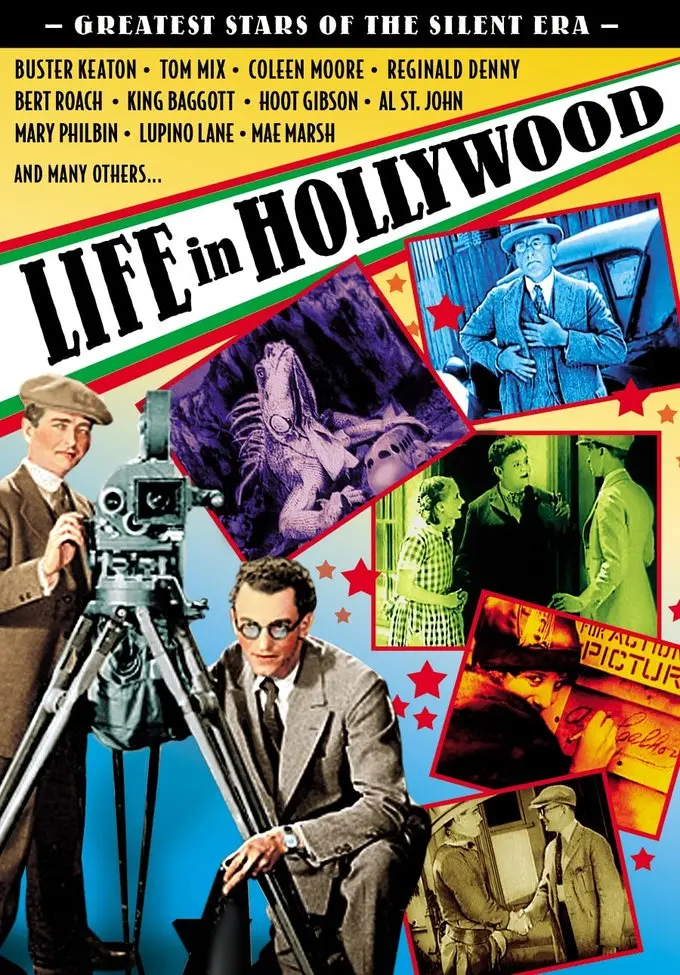
Corinne Griffith, as the leading lady wrapping up her picture, provides a contrasting poise. In a close‑up of her removing a heavy feathered headdress, her eyes convey exhaustion masked by professional composure. This subtlety stands out against the broader physical comedy of the surrounding crew.
John Barrymore’s cameo is more of a cameo than a performance, but his presence serves as a magnetic anchor. When he steps out of Warner Bros., the camera captures the flicker of studio lights on his face, a visual shorthand for star power that still works today.
Cinematographer Eddie Miller (no relation) employs a mix of static wide shots and handheld rushes, creating a visual dichotomy between the polished façade of Grauman's Egyptian Theatre and the gritty, dust‑laden backlot. One memorable frame shows the Egyptian façade reflected in a puddle, the neon letters shimmering—an early nod to visual metaphor that feels surprisingly modern.
The lighting on the set where Hale and Griffith work is deliberately harsh, casting deep shadows that emphasize the physical strain of early filmmaking. The contrast between the soft glow of the theatre lobby and the stark studio lights underscores the film’s central theme: the illusion of glamour versus the reality of labor.
The tone oscillates between reverent homage and sly satire. When the crew accidentally knocks over a prop statue, the camera lingers on the shattered marble, then cuts to a smiling studio exec who nonchalantly says, “That’s cinema.” This line, delivered deadpan, critiques the industry’s casual disregard for artistic loss.
An unconventional observation: the short subtly references the 1925 boxing documentary The Official Motion Pictures of the Heavyweight Boxing Contest Between Gene Tunney and Jack Dempsey by briefly showing a poster for the fight on a set wall, suggesting that Hollywood was already cross‑promoting sport and spectacle.
If you enjoyed the meta‑narrative of Playing with Souls, you’ll find Life in Hollywood No. 4 equally intriguing, though less polished. Compared to the earnest melodrama of The Love Girl, this short is unapologetically self‑aware, trading sentiment for a brisk, behind‑the‑scenes exposé.
Life in Hollywood No. 4 is a brisk, almost documentary‑style snapshot that succeeds as a historical artifact but falters as a standalone narrative. It works because the energy of the set and the authenticity of the performances pull you into a world that most modern viewers only read about. It fails because the film never builds a story you can emotionally invest in, leaving you watching a series of interesting vignettes rather than a cohesive whole. You should watch it if you’re curious about the mechanics of early Hollywood and can tolerate a plot that functions more as a backdrop than a driver.
IMDb 7.4
1931
Community
Log in to comment.