DbcultAccessing Vault...
6.4/10
Senior Film Conservator
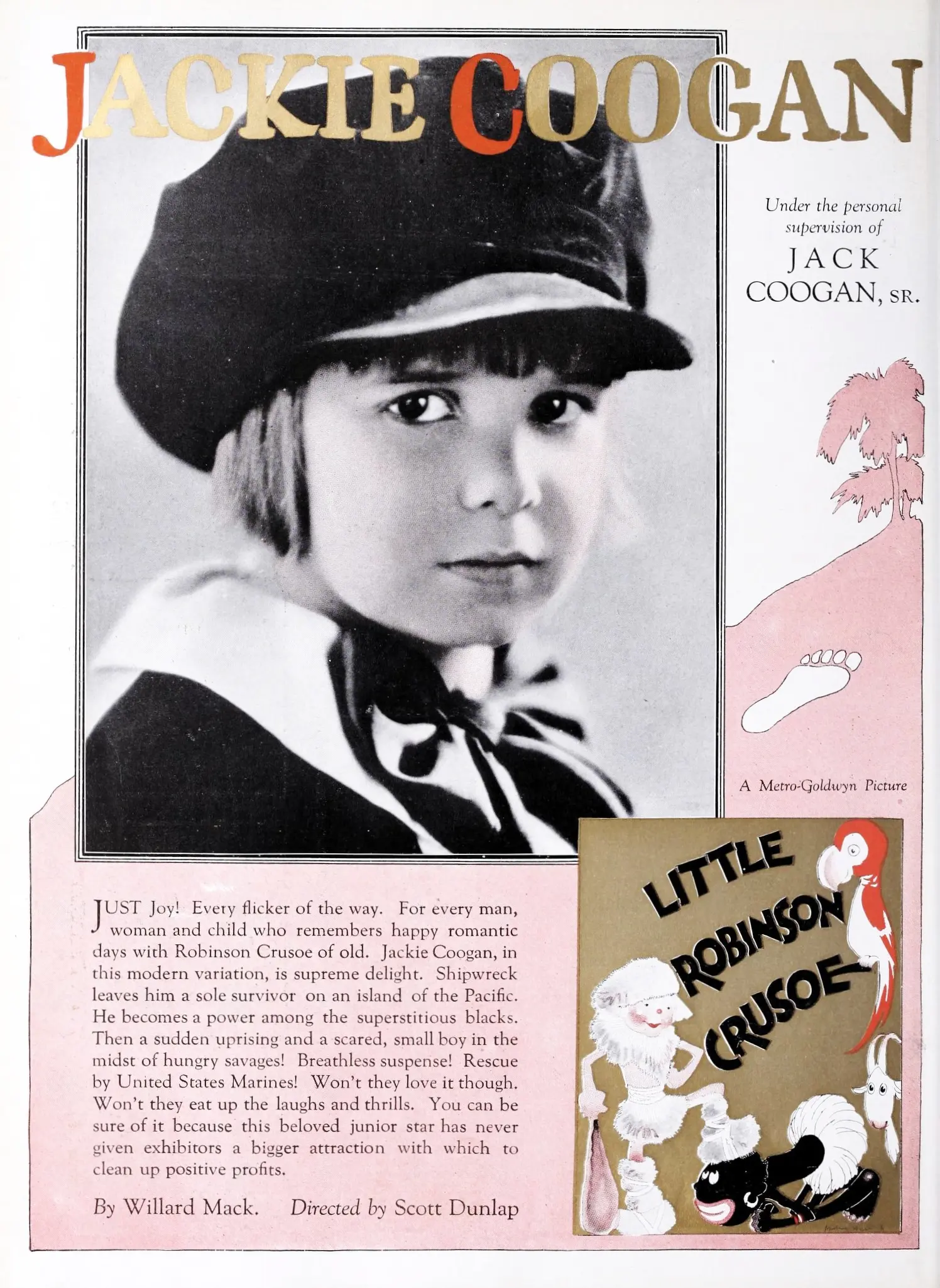
A definitive 6.4/10 rating for a film that redefined the boundaries of cult cinema. Little Robinson Crusoe remains a cornerstone of transgressive art.
In the burgeoning landscape of the 1920s, cinema was still grappling with its identity as both a high-art form and a populist spectacle. Amidst this flux, Little Robinson Crusoe emerged not merely as a commercial endeavor but as a definitive showcase for the most luminous child star of the silent epoch: Jackie Coogan. To view this film today is to witness a fascinating intersection of Victorian literary tradition and the nascent visual language of Hollywood. Unlike the more fantastical escapades found in Aladdin and the Wonderful Lamp, this production anchors itself in a gritty, albeit stylized, realism that demands a sophisticated performance from its diminutive lead.
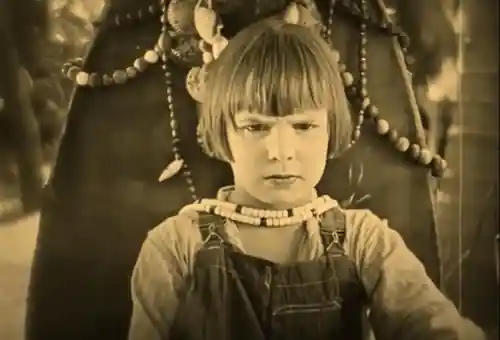
The film commences with an economy of storytelling typical of Willard Mack’s sharp pen. We are introduced to Mickey, a character who embodies the quintessential 'lost child' trope—a theme explored with varying degrees of success in contemporary works like A Child of Mystery. However, where other films might lean into melodrama, director Edward F. Cline utilizes the vastness of the ocean to emphasize Mickey’s precarious position in the world. The shipwreck sequence remains a technical marvel for its time, echoing the visceral destruction seen in Shattered, yet it maintains a child-centric perspective that softens the horror without diluting the stakes.
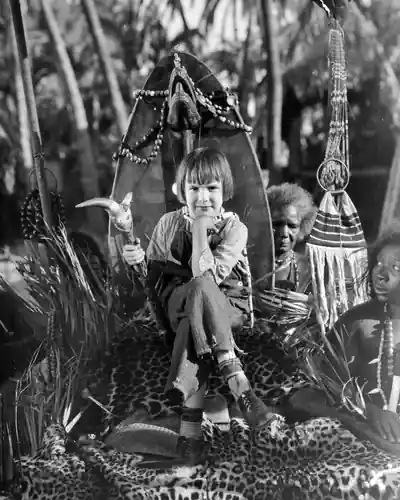
Once Mickey is deposited upon the shores of the deserted island, the film shifts gears from a maritime disaster to a character study of remarkable depth. Coogan’s ability to command the screen in total solitude is nothing short of miraculous. His facial expressions—a lexicon of hope, terror, and ingenuity—serve as the film’s primary dialogue. This isn't just a boy playing at survival; it is a masterclass in physical acting that rivals the dramatic weight of The Exiles. The island itself becomes a secondary character, a lush green labyrinth that oscillates between a playground and a tomb.
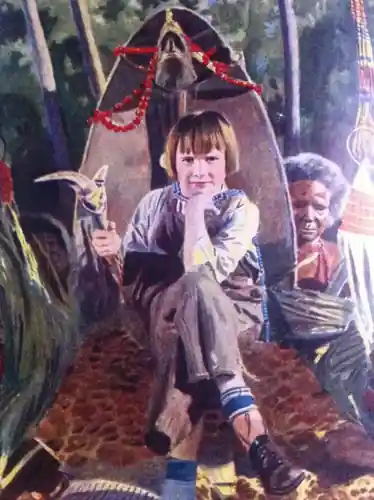
The introduction of Friday, portrayed by Noble Johnson, introduces a complex layer to the narrative. While modern viewers must inevitably filter the 1924 racial dynamics through a critical lens, Johnson’s presence provides a gravitas that anchors the film’s second act. His chemistry with Coogan is palpable, creating a bridge between two disparate worlds. This relationship is far more nuanced than the simplistic portrayals often found in the era's adventure serials, such as Cyclone Smith Plays Trumps. Instead, we see a mutual dependency that subtly critiques the rigid social hierarchies of the mainland.
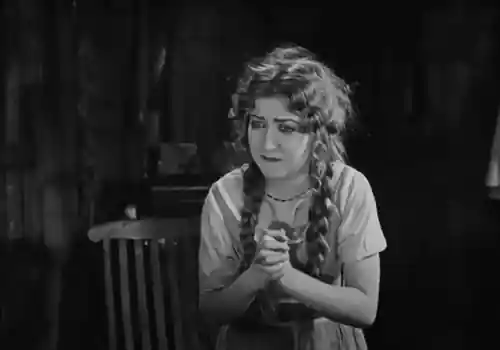
The supporting cast, featuring stalwarts like Tom Santschi and Gloria Grey, provides the necessary narrative bookends to Mickey’s isolation. Santschi, in particular, brings a rugged intensity that contrasts sharply with Coogan’s ethereal quality. The film’s pacing, much like the relentless tide, moves with a purposeful rhythm, avoiding the sluggishness that occasionally plagued long-form silent dramas like The Sport of the Gods. Every scene on the island is a heartbeat, every discovery a triumph of the human will.
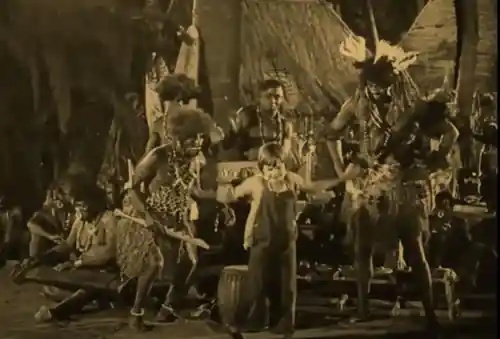
Visually, Little Robinson Crusoe is a feast of chiaroscuro and naturalistic lighting. The cinematography captures the textures of the sand, the spray of the salt water, and the flickering shadows of the campfire with a verisimilitude that was rare for the mid-20s. There is a specific shot of Coogan silhouetted against the setting sun that evokes the same sense of existential longing found in From Dusk to Dawn. It is in these quiet moments that the film truly breathes, allowing the audience to inhabit Mickey’s psyche.
The set design also deserves commendation. The makeshift shelters and tools Mickey constructs are not merely props; they are extensions of his character’s growth. This attention to detail reminds one of the craftsmanship in The Handy Man, though applied here to a much more dire circumstance. The film avoids the stagey feel of many contemporary adaptations, opting instead for a sprawling, atmospheric aesthetic that feels surprisingly modern.
When placed alongside other works of the period, such as the romantic intensity of Oltre l'amore or the melancholic whimsy of Az utolsó bohém, Little Robinson Crusoe stands out for its tonal balance. It manages to be a 'family film' without sacrificing its artistic integrity. It doesn't rely on the slapstick humor of Where Is My Wife? or the overt moralizing of Hoarded Assets. Instead, it trusts its audience—and its young star—to navigate the complexities of survival and friendship.
Furthermore, the film’s depiction of the 'frontier' spirit bears an interesting comparison to A Daughter of the West. Both films deal with characters thrust into environments that challenge their preconceived notions of identity, though Mickey’s journey is one of internal discovery rather than external conquest. The stakes feel personal, almost intimate, despite the epic scale of the setting. It is this intimacy that prevents the film from becoming a mere historical curiosity like Kitchener's Great Army in the Battle of the Somme, which, while valuable, lacks the narrative heartbeat found here.
By 1924, Jackie Coogan was already a veteran of the screen, yet Little Robinson Crusoe allowed him to shed the shadow of Charlie Chaplin and assert himself as a dramatic force in his own right. If A Perfect 36 represented the lighthearted side of the era's entertainment, this film represents its soul. Coogan’s Mickey is a precursor to the modern cinematic survivor—a character who uses wit and empathy as much as brawn. His performance is a reminder that the silent era was not a period of 'primitive' acting, but rather a time of highly evolved visual communication.
In the final analysis, Little Robinson Crusoe is a triumph of early 20th-century storytelling. It captures a moment in time when the possibilities of cinema seemed infinite and the power of a single face could hold an entire audience captive. The film’s synthesis of adventure, comedy, and pathos creates a tapestry that is as vibrant today as it was a century ago. It remains a poignant reminder that while the world may be vast and often cruel, the ingenuity of a child is a force that can conquer even the most desolate of horizons. For those seeking to understand the evolution of the adventure genre, or for those who simply wish to be moved by a timeless tale of resilience, this film is an essential chapter in the history of the moving image.
IMDb —
1924
Community
Log in to comment.