DbcultAccessing Vault...
Cult Review
Senior Film Conservator
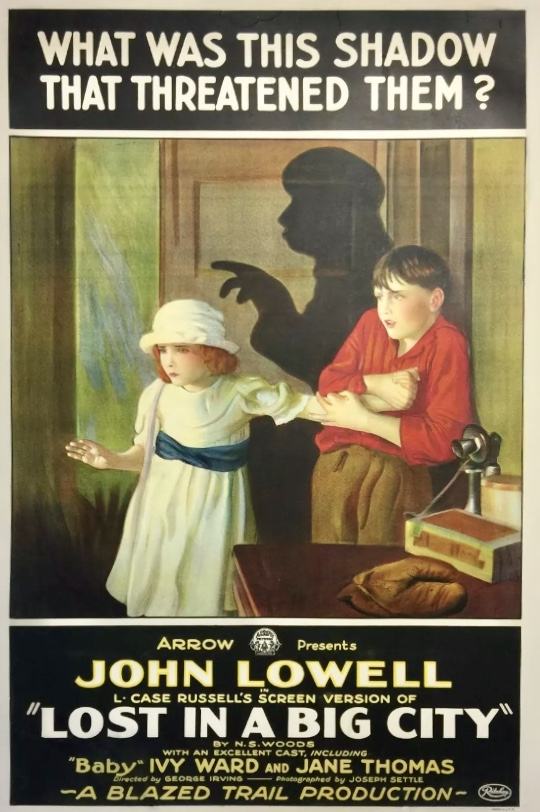
The cinematic tapestry of Lost in a Big City is a complex and deeply human exploration of the frailties and strengths that define us. Against the backdrop of a city that seems to swallow all in its path, the story of Harry Farley and his unyielding pursuit of justice for his family is a powerful testament to the indomitable human spirit. As the narrative unfolds, it becomes clear that this is not merely a tale of good versus evil, but a nuanced exploration of the gray areas that we all inhabit.
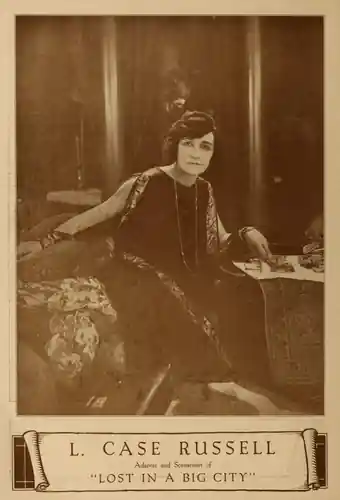
The character of Richard Norman, or Sidney Heaton as he comes to be known, is a fascinating study in the psychological effects of desperation and the corrupting influence of power. His transformation from a man who has seemingly lost everything to one who finds himself embroiled in a life of crime is both captivating and heartbreaking. This is a man who has made choices that are both reprehensible and understandable, embodying the multifaceted nature of human decision-making.
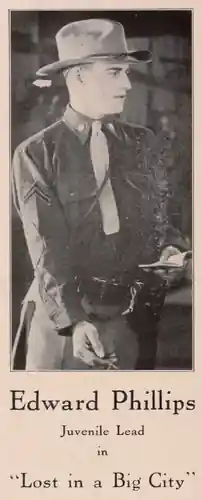
In contrast, the figure of Harry Farley stands as a beacon of hope and righteousness. His love for his family and his determination to protect them at all costs are qualities that resonate deeply, making him an inherently relatable character. As he navigates the treacherous landscape of the city, his actions are guided by a moral compass that remains unwavering, even in the face of overwhelming adversity.
The themes of deception and betrayal that permeate Lost in a Big City are timely and timeless, speaking to fundamental aspects of the human experience. The film's exploration of these themes is both profound and accessible, inviting viewers to reflect on their own experiences with deception and betrayal. In this sense, the movie serves as a mirror, held up to society, revealing the complexities and challenges that we all face.
The cinematography of the film is equally noteworthy, with a palette that shifts from the stark, sea blue hues of the city's skyscrapers to the warmer, dark orange tones of the characters' personal moments. This visual storytelling adds depth and emotion to the narrative, drawing the viewer into the world of the film. The use of light and shadow is particularly effective, often symbolizing the characters' journeys towards truth and redemption.
In comparison to other films of its era, such as Fate and Fortune and The Cold Homestead, Lost in a Big City stands out for its bold narrative choices and its unflinching look at the human condition. While films like Die Geheimnisse des Zirkus Barré and The Double O offer glimpses into different worlds and experiences, Lost in a Big City remains grounded in its exploration of family, loyalty, and the search for justice.
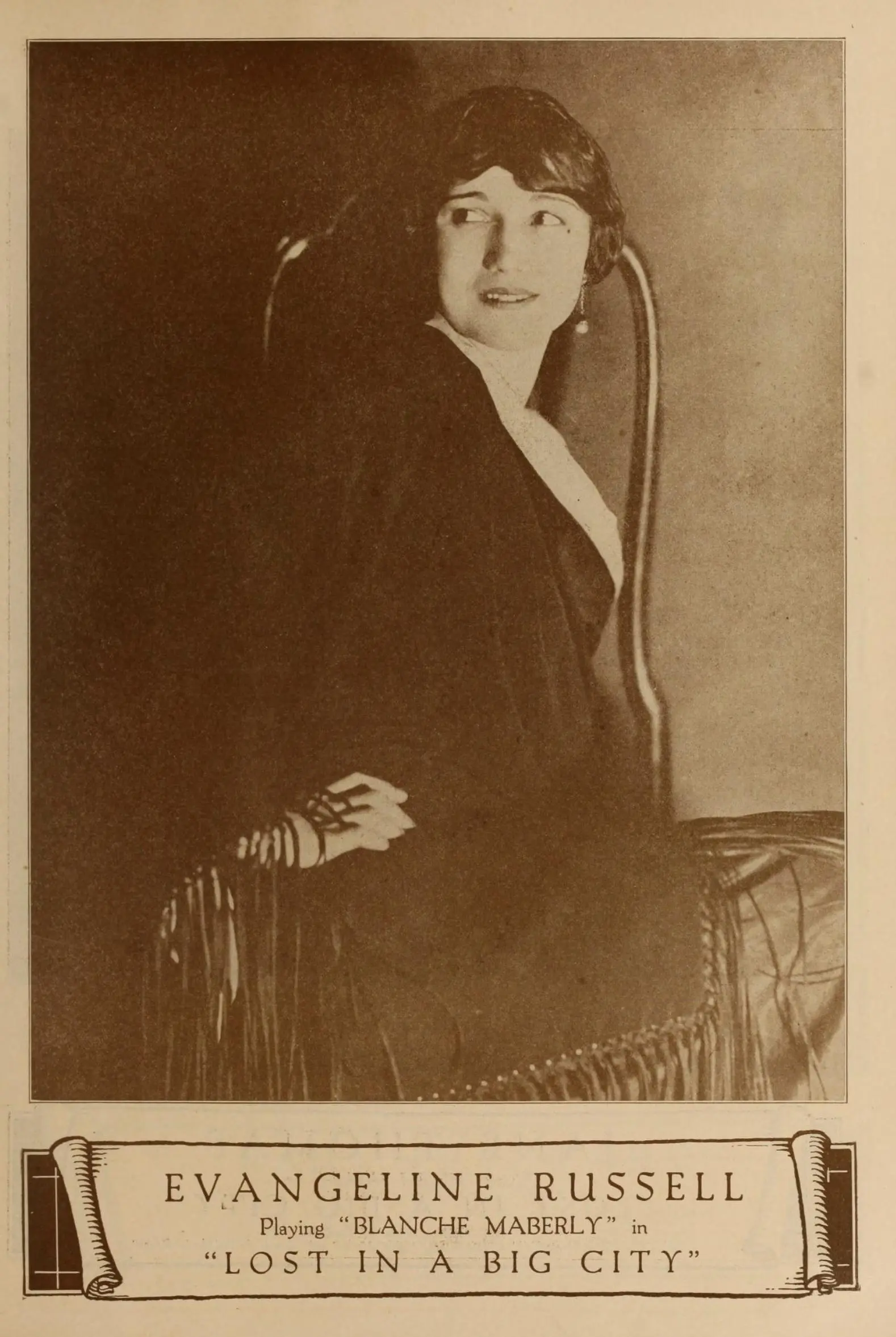
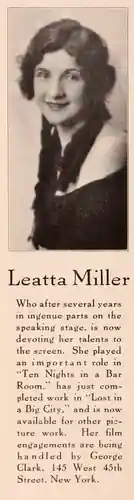
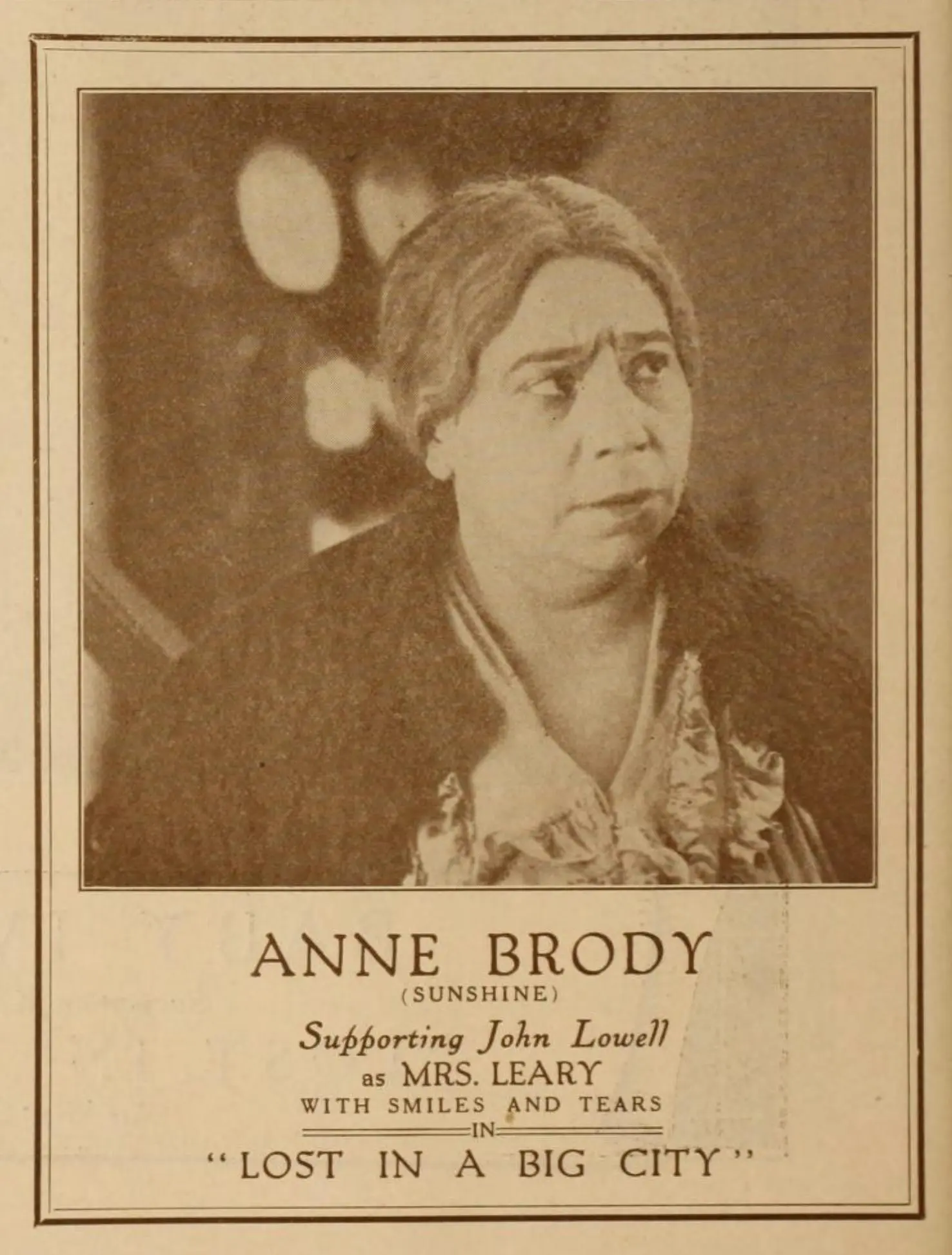
The supporting cast, including Evangeline Russell, Charles Byer, and Leota Miller, deliver performances that are as compelling as they are nuanced. Each character brings their own unique perspective to the story, enriching the narrative and deepening the viewer's understanding of the themes and motifs. The chemistry between the actors is palpable, making the characters' interactions feel authentic and engaging.
In the end, Lost in a Big City is a film that will linger in the viewer's mind long after the credits have rolled. Its thought-provoking themes, coupled with its engaging characters and captivating storyline, make it a must-see for anyone interested in the cinematic arts. As a work of storytelling, it is both a product of its time and a timeless classic, offering insights into the human condition that are as relevant today as they were upon its initial release.
For viewers who appreciate films that challenge and inspire, Lost in a Big City is an absolute treasure. It is a testament to the power of cinema to educate, to enlighten, and to entertain, reminding us of the importance of empathy, compassion, and the unwavering pursuit of truth. As such, it stands alongside other cinematic gems like The Goddess of Lost Lake and The Breaking of the Drought, each offering a unique perspective on the world and our place within it.
IMDb —
1923
Community
Log in to comment.