DbcultAccessing Vault...
7.1/10
Senior Film Conservator
A definitive 7.1/10 rating for a film that redefined the boundaries of cult cinema. The Cure remains a cornerstone of transgressive art.
Stepping into the flickering world of early animation, one encounters a peculiar charm, a raw, unrefined energy that often outshines the polished perfection of later eras. Max Fleischer’s 1917 creation, The Cure, is a prime example of this captivating rawness, a vibrant, almost visceral plunge into the depths of dental despair, filtered through the nascent genius of one of animation’s true pioneers. This isn't just a cartoon; it's a silent symphony of suffering and slapstick, a testament to the power of visual storytelling when unbound by the conventions of reality. The film, a product of a burgeoning art form, captures a universal human experience – the agony of a toothache – and elevates it to an epic, albeit absurd, struggle. It’s a journey into the grotesque, the hilarious, and the utterly surreal, all encapsulated within a few unforgettable minutes.
At the heart of this animated maelstrom is Max, a character whose name would become synonymous with Fleischer’s early experiments. Here, Max is depicted as a man besieged, his entire being consumed by the throbbing torment of an aching tooth. Fleischer, with remarkable economy of line and movement, conveys this agony with an almost empathetic precision. Max writhes, contorts, and gesticulates, his rubbery limbs and exaggerated facial expressions serving as a canvas for his excruciating discomfort. The animation, rudimentary by modern standards, perfectly captures the frantic, irrational desperation that accompanies intense pain. One can almost feel the phantom throb, the relentless pressure, simply by observing Max's plight. This immediate connection to a very human, very relatable suffering is what grounds the film, despite its subsequent flights of fancy into pure absurdity.
The narrative, stripped down to its bare essentials, eschews complex plot devices in favor of a singular, escalating focus on Max's agony and the subsequent attempts to alleviate it. There's no grand backstory, no intricate character development; only a man and his toothache. This simplicity is its strength, allowing the viewer to immediately grasp the stakes and invest in Max's struggle. It’s a testament to Fleischer’s early understanding of visual storytelling – that sometimes, the most potent stories are those that distill an experience to its purest, most universal form. Contrast this focused, almost claustrophobic intensity with the sprawling, epic scope of a film like Maciste turista, where the hero's adventures take him across vast landscapes. Max's 'adventure' is entirely internal, a battlefield confined within his own skull, yet no less dramatic for its miniature scale.
Enter the titular 'cure' providers: The Clown and the bespectacled rabbit. These two figures are masterpieces of character design and comedic timing, embodying the surreal, often dark, humor that would become a Fleischer hallmark. The Clown, with his perpetually mischievous grin and boundless energy, is less a healer and more a chaotic force of nature. His methods are anything but conventional, leaning heavily on slapstick violence and a complete disregard for Max's comfort. There's a delightful, almost unsettling, ambiguity to his intentions; is he genuinely trying to help, or merely reveling in the spectacle of Max's predicament? This blend of helpfulness and inherent menace creates a dynamic tension that keeps the viewer simultaneously amused and slightly on edge. He is a trickster, a jester, and a reluctant dentist all rolled into one, a figure that might give even the cunning protagonist of Sonka zolotaya ruchka a run for their money in terms of unpredictable antics.
The rabbit, on the other hand, provides a fascinating counterpoint. Distinguished by his prominent spectacles, he projects an air of intellectual authority, a veneer of scientific rigor amidst the Clown's unbridled pandemonium. Yet, his actions are often just as outlandish, just as prone to escalating the chaos. This juxtaposition – the intellectual façade masking a predisposition for bizarre, often violent, solutions – is a stroke of comedic genius. The rabbit represents the futile attempts to apply logic to an inherently irrational problem, a commentary perhaps on the limits of conventional wisdom when faced with primal suffering. Together, this odd couple forms a medical team unlike any other, their collaborative efforts resulting in a crescendo of increasingly absurd and desperate attempts to dislodge Max's troublesome molar. Their dynamic is a microcosm of the film's broader appeal: a blend of the familiar (a doctor's visit) and the utterly fantastical.
The Cure is not merely a funny short; it's a foundational text in the history of animation, showcasing Max Fleischer's pioneering work in what would become known as 'rubber hose' animation. This style, characterized by its fluid, often elastic movements of characters whose limbs seemed to lack fixed joints, allowed for an unprecedented level of exaggeration and physical comedy. In The Cure, this technique is employed to brilliant effect, transforming Max's body into a malleable instrument of pain and the Clown's into a whirlwind of kinetic energy. The characters stretch, bounce, and contort in ways that defy physics, creating a visual language perfectly suited to the film's absurd premise. This was a radical departure from the more rigid, theatrical movements of earlier animation, paving the way for a generation of cartoons that reveled in physical impossibility.
Furthermore, Fleischer’s early use of rotoscoping, though perhaps not fully fledged in this particular short, laid the groundwork for his distinctive animation style. While not overtly apparent in every frame of The Cure, the underlying philosophy of observing and exaggerating natural movement is palpable. This commitment to bringing a lifelike fluidity to cartoon characters, even as they perform impossible feats, distinguishes Fleischer's work from many of his contemporaries. The sheer inventiveness of the visual gags, from the various contraptions employed to pull the tooth to the escalating chaos of the extraction attempts, speaks volumes about Fleischer's creative mind. Each frame is packed with dynamic action, ensuring that the viewer's attention never wavers, much like the relentless dramatic tension in a film such as The Stolen Voice, where a fundamental human element is under threat.
What truly elevates The Cure beyond mere slapstick is its masterful balance between the grotesque and the genuinely hilarious. The subject matter – agonizing dental pain – is inherently uncomfortable, yet Fleischer manages to extract immense comedic value from it. Max’s suffering isn't glossed over; it's amplified, exaggerated to the point of absurdity, transforming revulsion into laughter. This isn't easy humor; it's a sophisticated play on our discomfort, our shared human vulnerability to pain, and our capacity to find humor even in the most unfortunate circumstances. The film doesn't shy away from the visceral aspects of the tooth extraction, depicting the struggle with a raw, almost primitive energy that is both shocking and uproarious. It's a testament to the power of animation to explore themes that might be too disturbing in live-action, much like the unsettling undertones that might be found in a film like The Prussian Cur, but here, transformed into comedy.
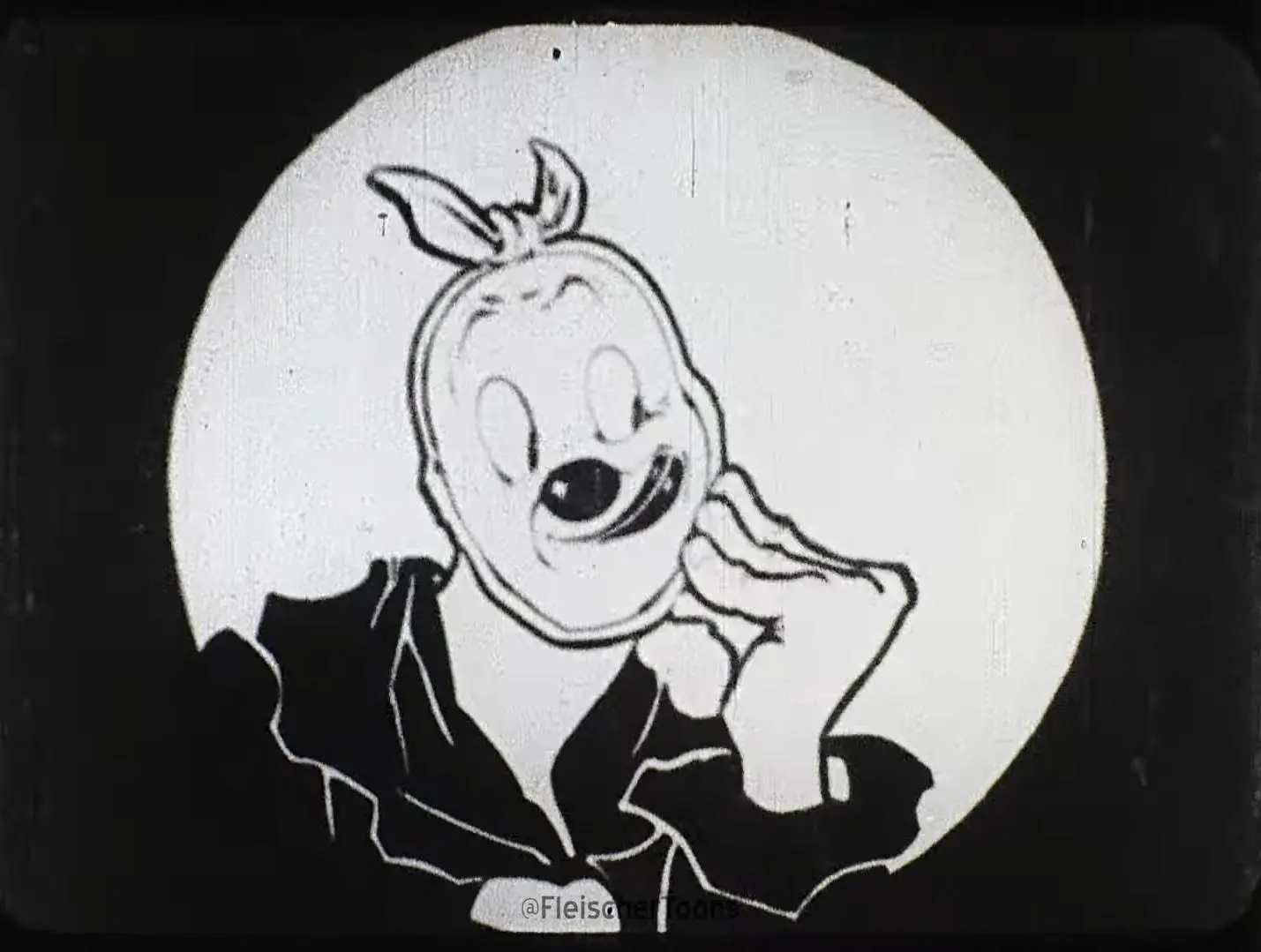
The escalation of methods employed to remove the tooth – from simple pliers to elaborate, Rube Goldberg-esque contraptions – is a brilliant comedic device. Each failed attempt ratchets up the tension and the absurdity, pushing Max further into the abyss of his dental hell. The ingenuity of these visual gags is remarkable, showcasing a boundless imagination at play. It's a 'big adventure' in miniature, reminiscent of the trials faced by characters in films like The Big Adventure, but here, the grand quest is for relief from a tiny, aching molar. The final, triumphant extraction, though violent and abrupt, provides a cathartic release, both for Max and for the audience who have been along for his agonizing ride. The relief is palpable, even if the methods were utterly insane.
The Cure, though an early work, carries the unmistakable DNA of Max Fleischer’s later, more iconic creations, from Betty Boop to Popeye. The expressive character animation, the distinctive visual style, and the willingness to embrace the fantastical and the bizarre are all present in nascent form. It's a foundational piece, demonstrating the nascent potential of animation to tell stories and evoke emotions in ways live-action could not. In an era where cinema was still finding its voice, Fleischer was already pushing the boundaries of what was possible, creating worlds where logic bent to the will of imagination. This spirit of innovation is what makes revisiting such early works so rewarding; they offer a direct line to the moment of creation, to the raw ideas that would shape an entire art form.
The film stands as a testament to the fact that compelling storytelling doesn't require elaborate budgets or complex narratives. Sometimes, all it takes is a simple premise, a well-defined character, and a vivid imagination to create something truly memorable. Max Fleischer, as both writer and animator, crafted a world that, despite its simplicity, resonates with a universal understanding of pain, relief, and the absurd lengths to which we might go to achieve the latter. The film’s enduring appeal lies in its timeless humor and its groundbreaking animation, offering a fascinating window into the origins of a medium that continues to captivate audiences worldwide. It’s a reminder that even mundane problems, like a toothache, can become the canvas for extraordinary artistic expression. Just as a plumber might face an unexpected epic in Once a Plumber, Max’s dental woes become a grand, albeit localized, saga.
Reflecting on The Cure today, it's impossible not to be struck by its sheer vitality. It pulsates with an anarchic energy that feels surprisingly modern, despite its age. The film is a masterclass in visual communication, conveying emotion, action, and humor without a single spoken word. This reliance on purely visual gags and character expression is a hallmark of silent cinema, but in animation, it takes on an entirely new dimension of possibility. Max's agony, the Clown's mischievous glee, the rabbit's intellectualized chaos – all are perfectly articulated through movement and caricature. It’s a narrative that speaks directly to the subconscious, bypassing the need for dialogue and engaging with primal emotions and reactions. It's an exploration of a very human vulnerability, much like the inner turmoil depicted in The Painted Soul, but externalized and exaggerated for comedic effect.
The lasting legacy of The Cure is not just in its historical significance as an early Fleischer film, but in its continued ability to entertain and provoke thought. It reminds us of animation's boundless capacity for surrealism, for taking the mundane and twisting it into something extraordinary. It’s a film that demands to be seen by anyone interested in the roots of animation, the evolution of comedic storytelling, or simply anyone who appreciates a good, old-fashioned, wildly imaginative cartoon. It exemplifies the spirit of early cinema – bold, experimental, and unafraid to push boundaries. In a world of complex narratives, there’s a refreshing honesty in a film that simply says: 'This man has a toothache, and here’s how we’re going to fix it, no matter how outlandish the method.' Its simplicity is its genius, its chaos its charm, and its historical importance undeniable. It’s a vibrant, essential piece of cinematic heritage, a small package containing a wealth of innovation and timeless humor.
For more explorations of early cinema and its groundbreaking artists, delve into our archives. You might find intriguing parallels between the struggles depicted here and the character-driven dramas like My Boy, or the enigmatic figures in Fantomas: The Man in Black. Discover how these early films, from the whimsical to the dramatic, laid the foundation for the cinematic landscape we know today.
IMDb 6.1
1936
Community
Log in to comment.