DbcultAccessing Vault...
Cult Review
Senior Film Conservator
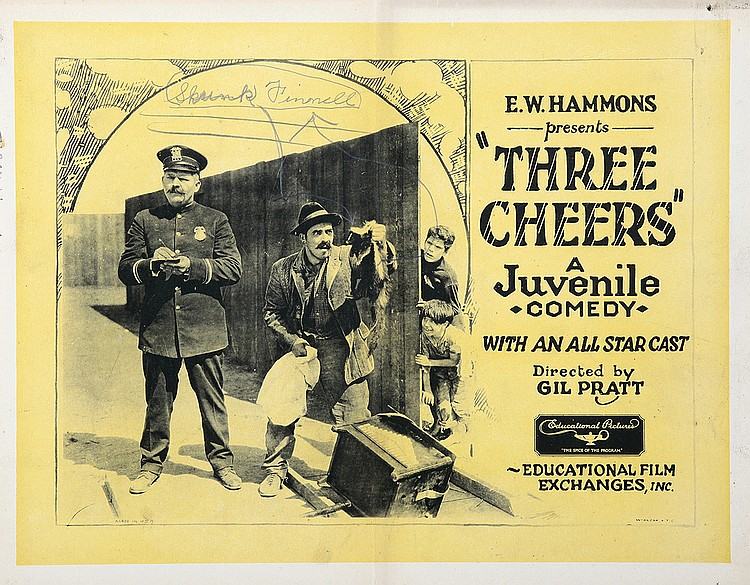
The flickering frames of Three Cheers do not merely present a story; they document a riot. In the pantheon of early 20th-century cinema, few films capture the unadulterated, often terrifying vitality of childhood with such unapologetic fervor. While contemporaries often sought to polish the rough edges of youth into palatable parables of virtue, this production leans into the jagged, the dirty, and the delightfully destructive. It is a work that feels less like a choreographed comedy and more like a captured moment of sociological upheaval.
At its core, the film is a study of spatial reclamation. The neighborhood—a sprawling, unpaved labyrinth of wooden slats and laundry lines—serves as the primary antagonist. For the gang, every structure is a challenge, every boundary an invitation to trespass. Unlike the structured danger found in Crooked Streets, the peril here is organic, born of boredom and the sheer physical necessity of movement. Robert Gordon leads the ensemble with a performance that is surprisingly nuanced; he doesn't play a 'child,' but rather a small man burdened by the immense responsibility of maintaining chaos.
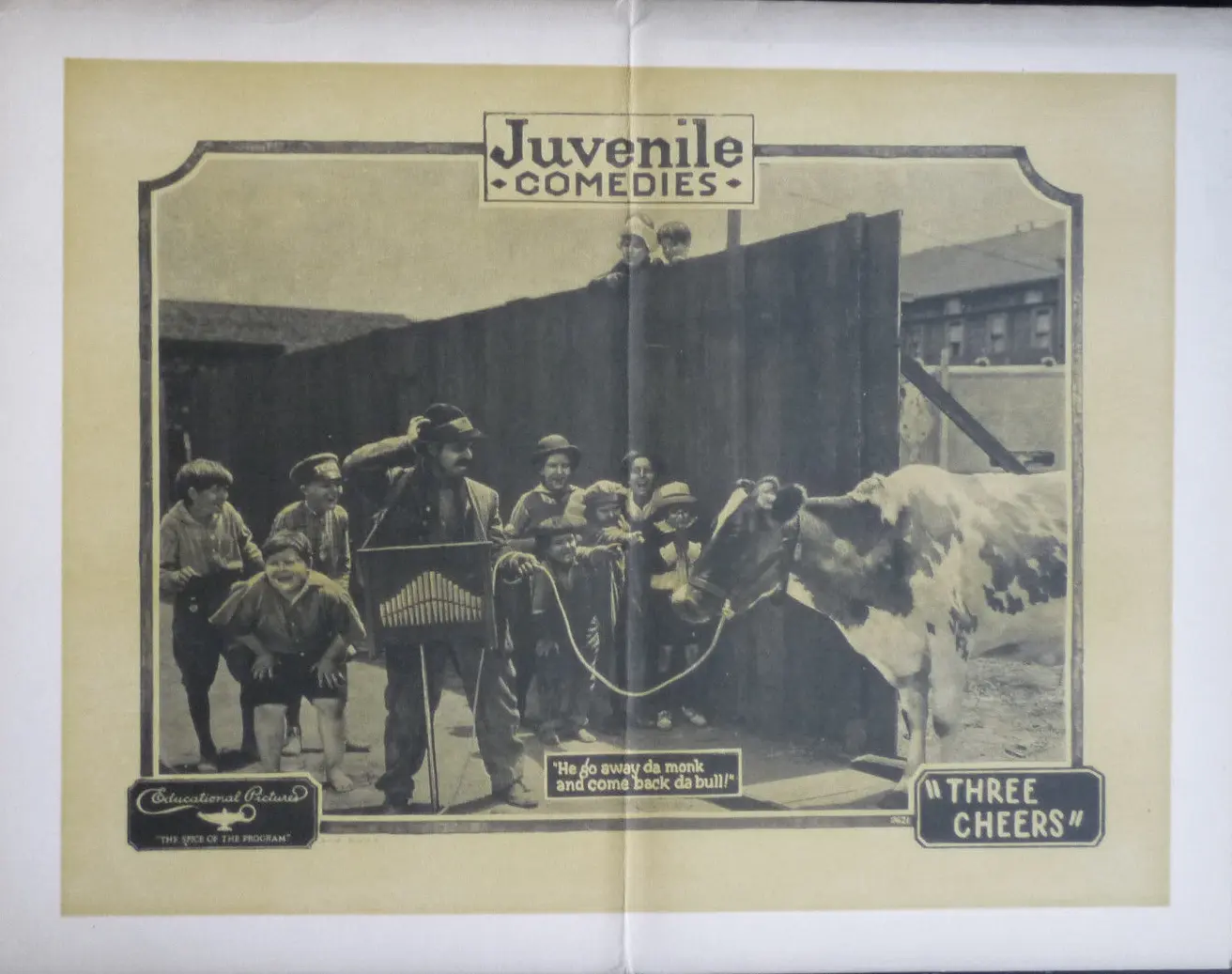
The cinematography by the uncredited cameramen of the era utilizes wide shots that emphasize the scale of the destruction against the domesticity of the setting. When the gang tears through a meticulously kept garden, the camera lingers on the debris, inviting the viewer to participate in the transgressive joy of the act. It is a far cry from the more whimsical, almost magical realism seen in The Magic Cup. Here, the consequences are physical, tactile, and hilariously permanent.
The ensemble cast, featuring the likes of Tommy Hicks and Peggy Cartwright, operates with a rhythmic synchronicity that predates the more famous 'Our Gang' iterations. Cartwright, in particular, provides a necessary grounding element, her presence suggesting a burgeoning social order that the boys are desperate to ignore. The interplay between the Billings brothers—Elmo and Richard—adds a layer of fraternal friction that elevates the mischief beyond simple slapstick. They aren't just performing gags; they are living out a hierarchy of playground dominance.
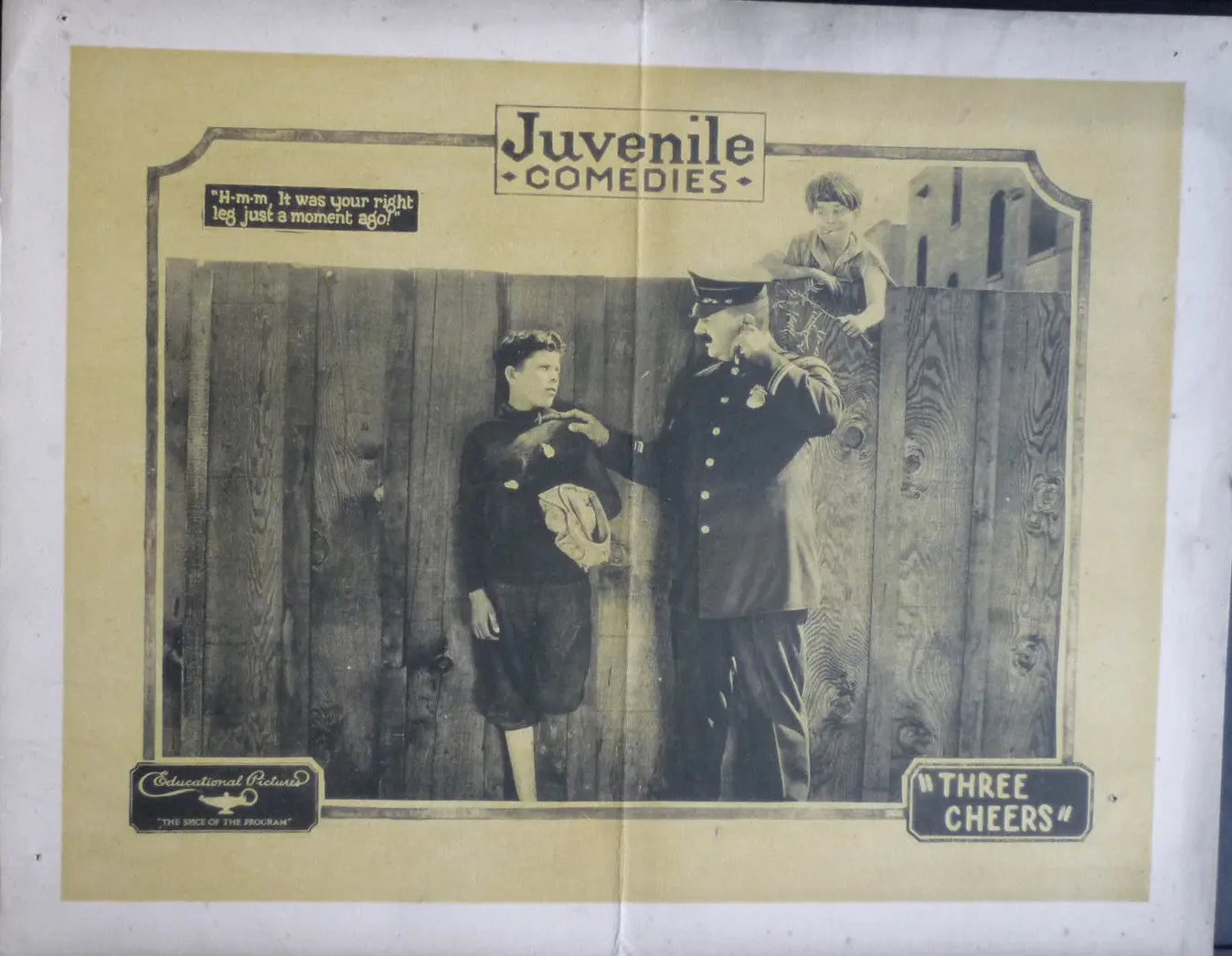
Comparing this to the melodramatic weight of Unto Those Who Sin, one realizes that *Three Cheers* is remarkably devoid of guilt. There is no moralizing third act where the children learn the value of property rights. Instead, the film celebrates their autonomy. Even in the more tense sequences, which echo the suspenseful pacing of The Eleventh Hour (1923), the resolution is always a return to the status quo of disorder. The film understands that for a child, the world is a temporary construction meant to be tested until it breaks.
Visually, the film benefits from a lack of artifice. The costumes are stained with real dirt, and the sets are the actual streets of a burgeoning Los Angeles. This realism provides a sharp contrast to the stylized theatricality of La dame de Monsoreau. In *Three Cheers*, the texture of the film stock itself seems to mirror the grit under the characters' fingernails. The use of natural lighting creates deep, sea blue shadows in the alleyways, offering a sense of mystery to the mundane act of hiding from a local constable.
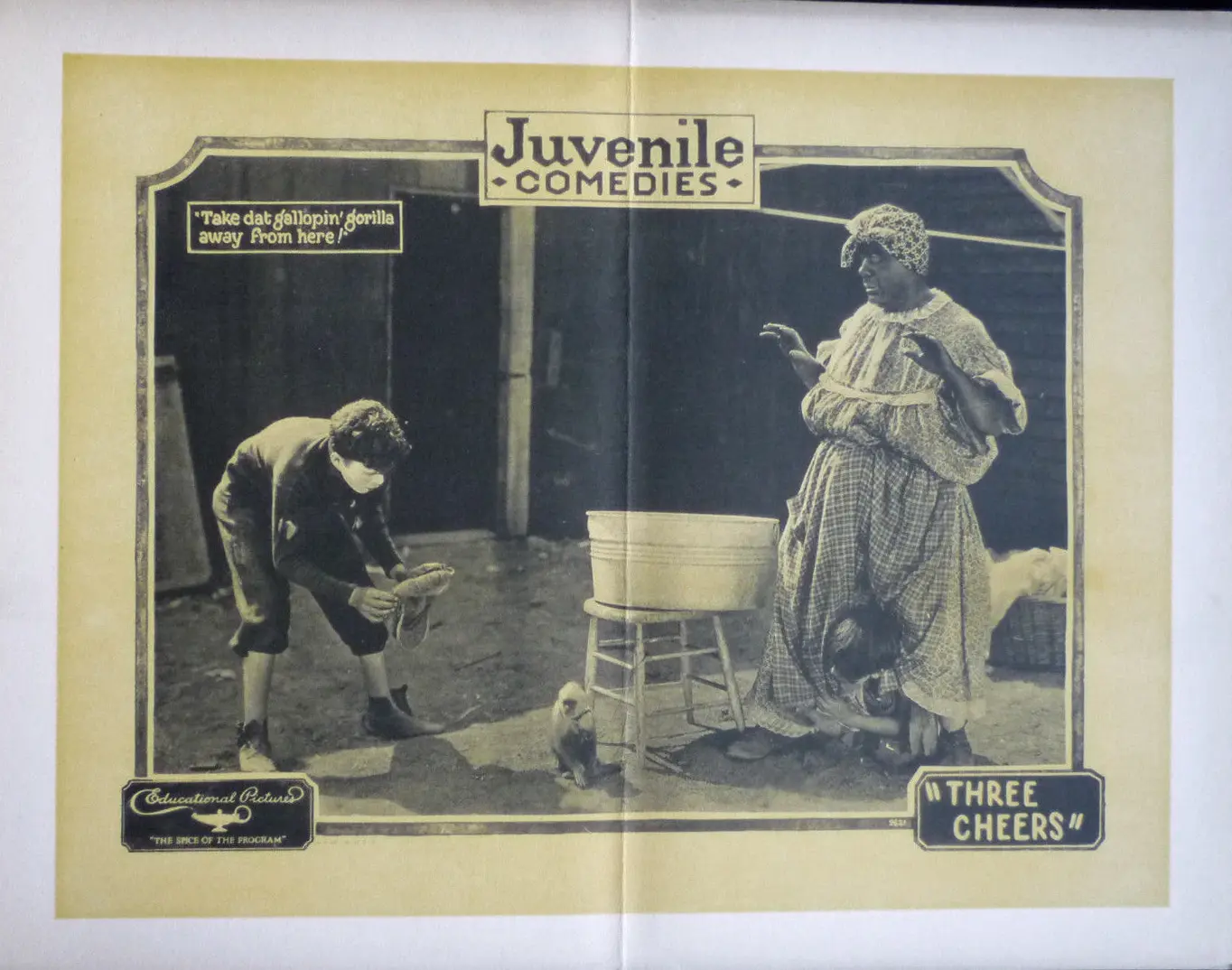
There is a sequence involving a runaway carriage that rivals the kinetic intensity of Weak Hearts and Wild Lions. It is a masterpiece of silent editing, where the rhythm of the cuts accelerates alongside the vehicle’s descent. The terror on the faces of the bystanders is palpable, yet the gang remains in a state of ecstatic flow. It is this specific juxtaposition—the horror of the adult world versus the euphoria of the juvenile—that gives the film its lasting power.
During the period this film was released, the American household was being marketed as a sanctuary of order. *Three Cheers* acts as a satirical counter-narrative. Every domestic symbol—the white picket fence, the pristine laundry, the quiet afternoon tea—is systematically dismantled. While Armstrong's Wife explored the internal fractures of the domestic unit, *Three Cheers* attacks it from the outside. The children are the barbarians at the gate, and the gate is made of balsa wood.
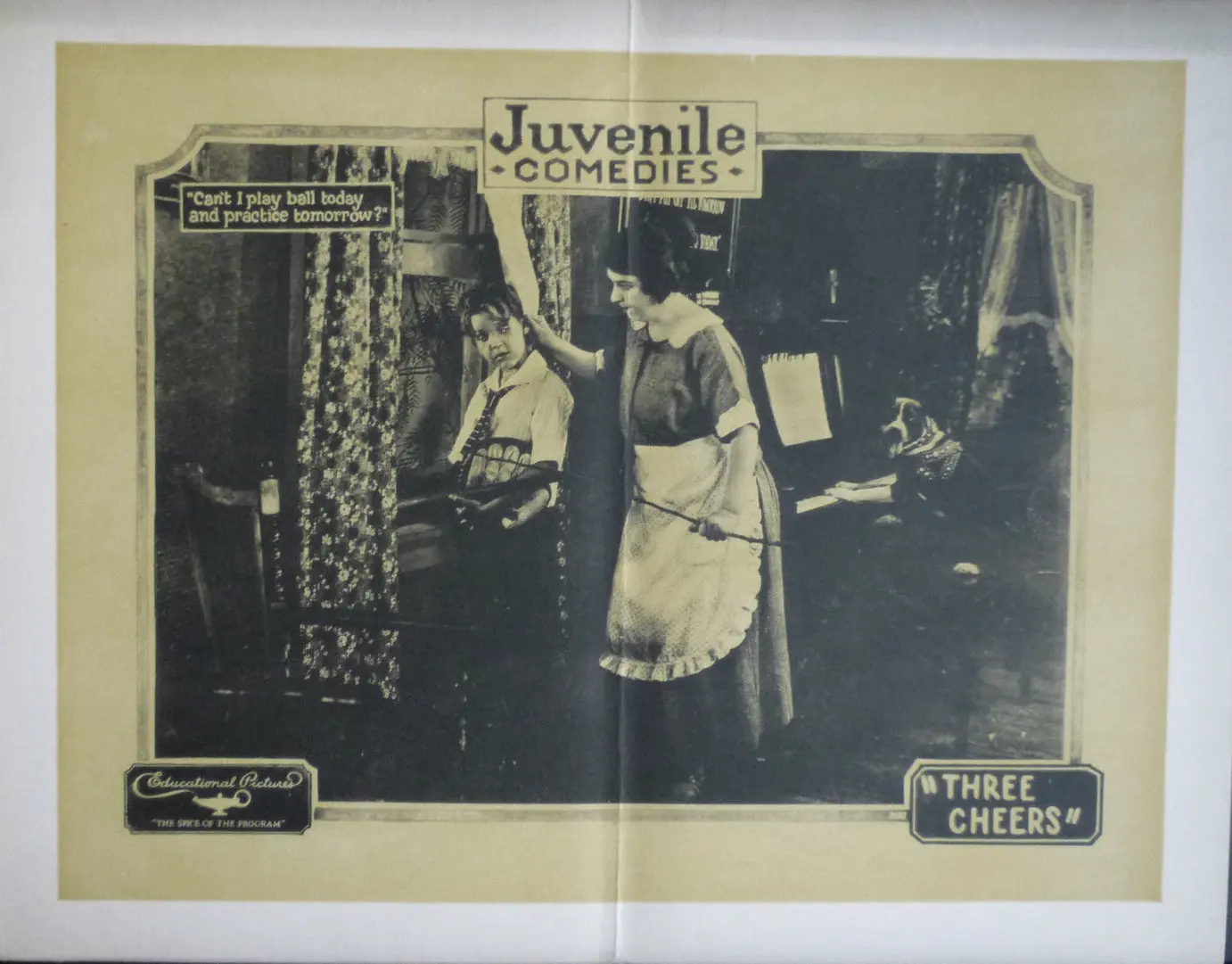
Jack McHugh and Ernest Butterworth Jr. provide the physical comedy that keeps the pacing relentless. Their chemistry is a precursor to the great comedy duos of the talkie era, yet they possess an edge that feels more dangerous because it is so uncalculated. They don't look like they are seeking a laugh; they look like they are seeking an escape. This desperation for freedom is what separates this film from the lighter fare of One Night Only.
Critically analyzing the film through a modern lens, one cannot ignore the technical proficiency required to direct a large group of child actors in such chaotic environments. The blocking is intricate, ensuring that while the screen feels cluttered, the narrative focus remains sharp. It avoids the narrative muddiness found in Blind Man's Luck by anchoring every scene in a clear, albeit destructive, objective.
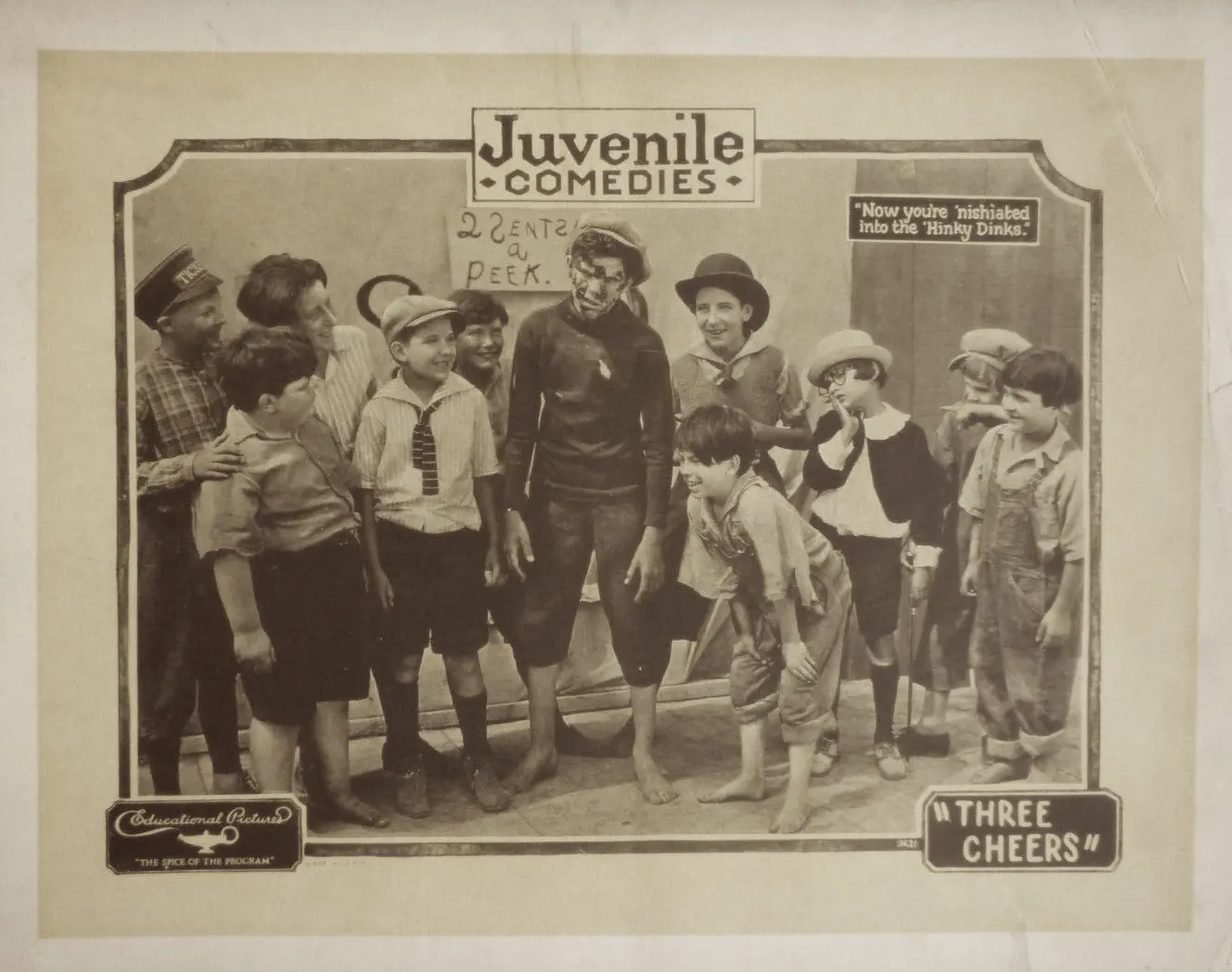
The absence of a credited writer suggests a collaborative, perhaps even improvisational, approach to the script. This lack of a formal blueprint allows the film to breathe in a way that the more rigid Temptation and the Man does not. The film feels 'found' rather than 'made,' a quality that lends it an enduring authenticity. It is a cinematic time capsule of a world before the hyper-regulation of childhood, where the only limit to one's mischief was the speed of one's legs.
In the grander scheme of film history, *Three Cheers* stands as a vital link between the early trick films of Méliès and the gritty realism of later youth-centric dramas. It shares a certain thematic DNA with Jack Spurlock, Prodigal, specifically in its depiction of the restless male spirit, but it filters that energy through the lens of innocence. Even when the gang's actions border on the criminal, their motivations are pure: the pursuit of a moment that feels truly alive.
The film’s refusal to apologize for its characters is its greatest strength. It does not ask for your sympathy, nor does it seek to redeem its protagonists. In this way, it is far more honest than Her Own People or the moralistic posturing of Me und Gott. It is a celebration of the present moment, of the joy of a well-thrown rock and the thrill of a narrow escape.
To watch *Three Cheers* today is to be reminded of the visceral power of the silent image. Without the distraction of dialogue, we are forced to focus on the language of the body—the frantic sprints, the conspiratorial whispers, the triumphant leaps. It is a ballet of the gutter. While it may lack the high-society polish of Widow by Proxy, it possesses a raw, unyielding spirit that is far more memorable. It is a film that doesn't just show us childhood; it makes us feel the frantic, beating heart of it.
Ultimately, the film is a testament to the enduring appeal of the underdog—or in this case, the under-aged. It reminds us that before we were citizens, before we were employees, and before we were 'civilized,' we were members of a gang, looking for a neighborhood to call our own, even if we had to tear it down to do so. *Three Cheers* is a masterpiece of controlled chaos, a vibrant, shouting ghost from cinema's past that still manages to echo with the sound of breaking glass and exuberant laughter.
Technical Rating: 9/10 | Historical Significance: High | Rewatchability: Exceptional
IMDb 6.2
1927
Community
Log in to comment.