DbcultAccessing Vault...
6.1/10
Senior Film Conservator
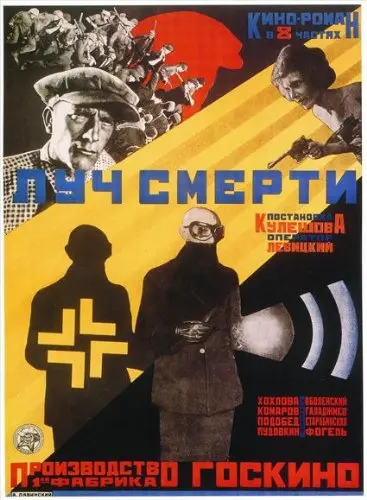
A definitive 6.1/10 rating for a film that redefined the boundaries of cult cinema. Luch smerti remains a cornerstone of transgressive art.
In the scorching heat of a capitalist dystopia, where the chasm between the haves and have-nots yawns like an abyss, Luch Smerti emerges as a searing indictment of systemic oppression. This cinematic tour-de-force, helmed by the visionary Vsevolod Pudovkin, plunges viewers into a world where the proletariat toils in darkness, their sweat and blood fueling the engines of industrial progress.
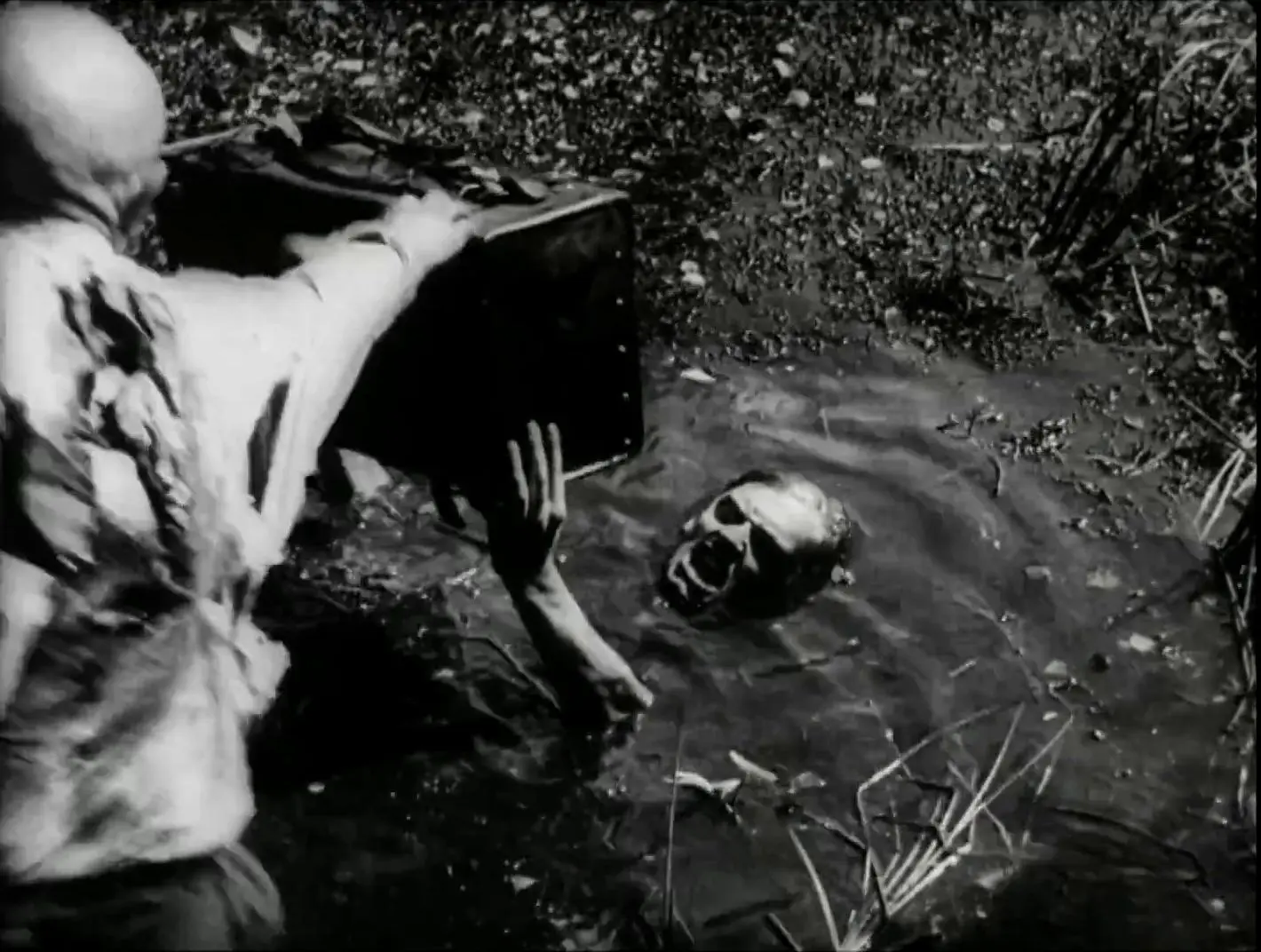
The film's narrative is a masterful tapestry of intrigue, woven from the threads of resistance and rebellion. The workers, led by a charismatic figure played by Vladimir Fogel, manage to procure a revolutionary 'death ray,' a technological marvel that could potentially upend the entrenched power structures. As the story unfolds, the audience is hurtled into a maelstrom of action, drama, and suspense, with the fate of the revolution hanging precariously in the balance.
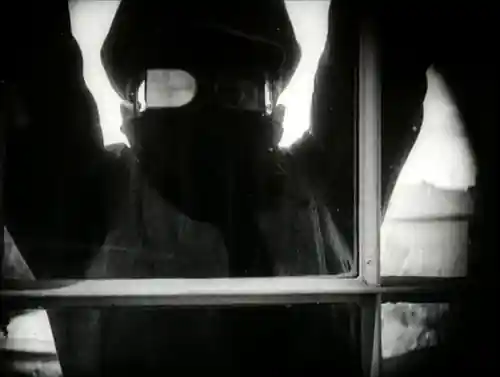
One of the most striking aspects of Luch Smerti is its use of symbolism, reminiscent of the works of Sergei Eisenstein. The 'death ray' itself serves as a potent metaphor for the proletariat's struggle for empowerment, while the capitalist regime is embodied in the figure of the ruthless and cunning oppressor. The performances of the cast, including Aleksandr Konstantinov and Anya Stravinskaya, add depth and nuance to the narrative, imbuing the characters with a sense of urgency and desperation.

The film's visual style is equally impressive, with Pudovkin's masterful direction conjuring a world of stark contrasts and jarring juxtapositions. The cinematography is breathtaking, with each frame a masterclass in composition and lighting. The score, while not overly complex, perfectly complements the on-screen action, heightening the sense of tension and drama.

A portion of the film is lost to the ages, leaving the audience to ponder the ultimate fate of the revolution and its protagonists. This lacuna only serves to heighten the sense of mystery and intrigue surrounding Luch Smerti, inviting viewers to piece together the fragments of the narrative and draw their own conclusions.
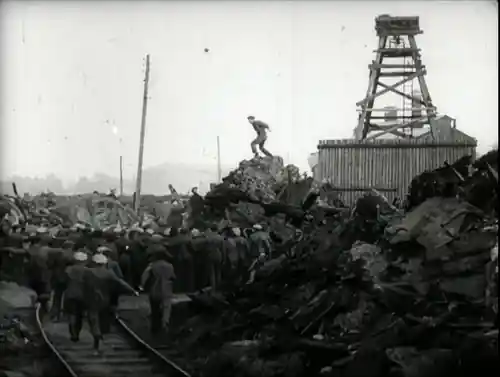
In comparison to other films of the era, Luch Smerti shares some thematic similarities with Just a Good Guy, which also explores the struggle for social justice. However, Pudovkin's film is distinguished by its unique blend of action, drama, and symbolism, making it a standout in the canon of cinematic history.
The influence of King Solomon's Mines can be seen in the film's use of adventure and suspense, but Luch Smerti is decidedly more cerebral, inviting viewers to engage with its themes and symbolism on a deeper level. Similarly, You Find It Everywhere shares some of the film's sense of social commentary, but Luch Smerti is far more overt in its critique of capitalist oppression.
Ultimately, Luch Smerti is a film that defies easy categorization, existing at the nexus of art, politics, and entertainment. It is a testament to the power of cinema to challenge, provoke, and inspire, and a reminder that even in the darkest of times, there is always the potential for resistance and rebellion.
In conclusion, Luch Smerti is a masterpiece of cinematic storytelling, a film that will leave viewers pondering its themes and symbolism long after the credits roll. With its potent blend of action, drama, and social commentary, it is a must-see for anyone interested in the art of filmmaking and the power of cinema to shape our understanding of the world.
Other films that explore similar themes include Babs, Fares and Fair Ones, Die weisse Wüste, The Flash of an Emerald, Tom, Dick and Harry, The Mainspring, Scratch My Back, Weber and Fields, Die Luftpiraten, The Desperate Hero, Sweetie, and Martha's Vindication.

IMDb 5.8
1922
Community
Log in to comment.