DbcultAccessing Vault...
6.2/10
Senior Film Conservator
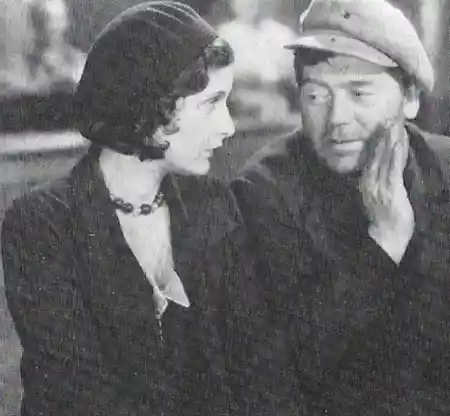
A definitive 6.2/10 rating for a film that redefined the boundaries of cult cinema. Madonna of the Streets remains a cornerstone of transgressive art.
Alright, so if you’re looking for a Friday night popcorn flick, Madonna of the Streets (1930) probably isn’t it. This one is really for the folks who love digging into early talkies, the kind of films where you can almost feel the medium figuring itself out. If you’re not into that, you’ll likely find it pretty slow. But if you’re curious about how movies changed from silent to sound, this is a neat little time capsule.
The film centers on Mary, played by Evelyn Brent, who's got a rough go of it. She's trying to raise her child and stay decent, but life on the streets isn't exactly forgiving. The title really sets the tone, this idea of purity in a messy world. It’s a classic melodrama setup, no surprises there.
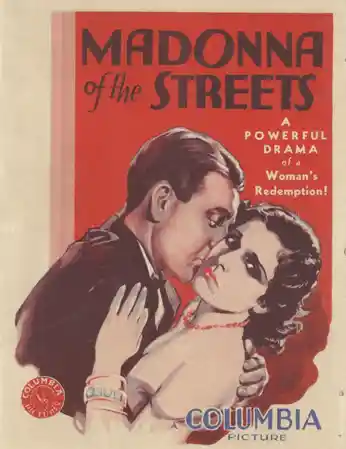
One thing that really stands out is Evelyn Brent. She carries so much of the film with just her expressions. There’s this one shot, early on, where she’s just staring out a window, and you can see a whole novel’s worth of worry and determination in her eyes. It’s quite something. Her performance feels very much like a bridge between the grand gestures of silent cinema and the more nuanced acting that sound brought.
The pacing is… well, it’s 1930. Things move at their own speed. There are long stretches where not a lot happens, just people looking at each other, or walking down a street. You can almost feel the director thinking, “Okay, let’s hold this a bit longer,” which sometimes works and sometimes just feels like extra reel.
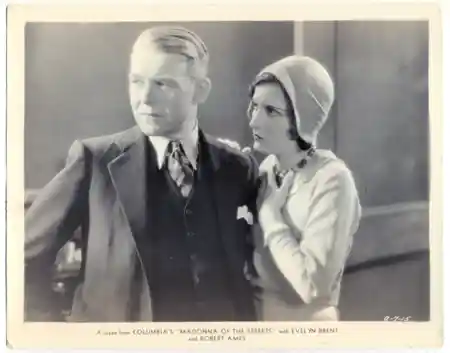
The sound itself is a character here. Sometimes the dialogue feels a little distant, like the actors are in another room. Then a door slams, and it’s suddenly LOUD. It's a fascinating reminder of how raw sound recording was back then. There's a particular scene in a crowded market where the background noise is just a jumble, almost like a buzzing bee, and it’s kinda immersive in a strange way. 🐝
Richard Tucker plays the sort of smooth-talking, slightly shady guy you just know is trouble. He's got that classic movie villain swagger, even if his motivations aren't always crystal clear. His interactions with Mary are always a bit tense, you expect things to go wrong with him around.
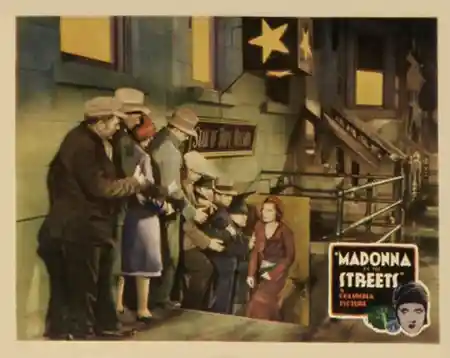
What’s interesting is how the film tries to paint a picture of desperation without getting too gritty. It’s a fine line, and they mostly manage it. You understand Mary’s struggles, even if the solutions presented feel a little too neat sometimes. Like, everything often wraps up a little too quickly.
There's a particular moment involving a small act of kindness, a character offering a meager meal, and it felt genuinely touching. It wasn't overplayed. Just a simple gesture that cut through all the dramatic noise. Those small, human beats are what make the film occasionally click.
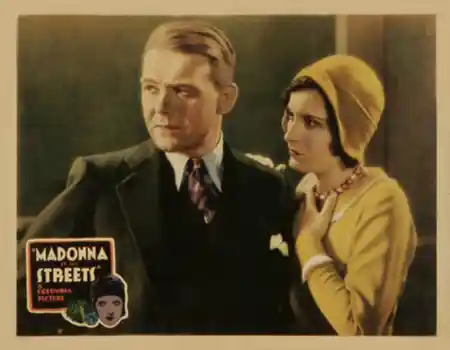
Some of the dialogue can feel a bit clunky, almost theatrical, like it was written for a stage play. But then, it *was* an adaptation of a William Babington Maxwell story, with Jo Swerling doing the screenplay, so that makes sense. You hear lines that are just a little too perfectly phrased for natural conversation. It adds to the charm, in a way, if you’re into that sort of thing.
The ending felt a little rushed, honestly. After all the build-up, things resolve rather abruptly. It leaves you wanting just a bit more closure, or maybe a slightly less convenient resolution. But hey, it’s a melodrama, so you expect a certain kind of ending.
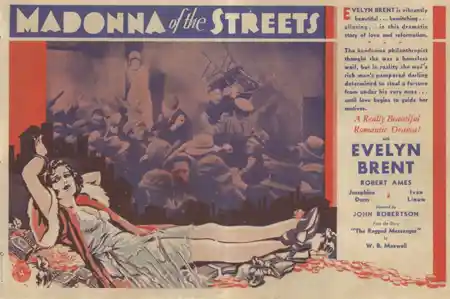
Overall, Madonna of the Streets is not a cinematic masterpiece you need to rush out and see. But for students of film history, or just anyone curious about the early days of talkies, it’s worth a look. It’s got a certain charm, even if it feels a little rough around the edges.
IMDb —
1919
Community
Log in to comment.