DbcultAccessing Vault...
6.2/10
Senior Film Conservator
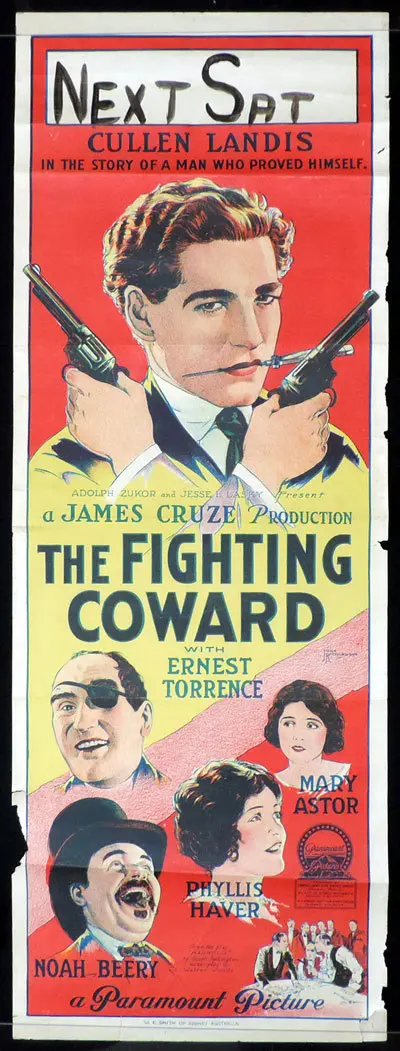
A definitive 6.2/10 rating for a film that redefined the boundaries of cult cinema. The Fighting Coward remains a cornerstone of transgressive art.
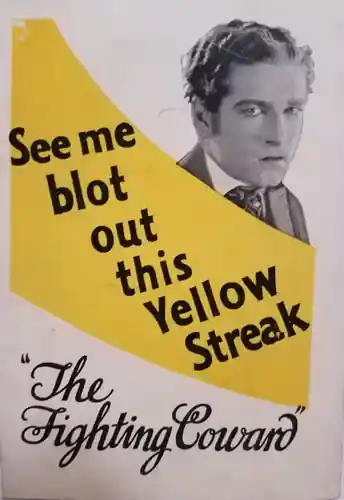
In an era brimming with cinematic spectacles, The Fighting Coward emerges not with bombast, but with a quiet, persistent examination of personal conviction against the relentless tide of societal pressure. This silent gem, a testament to the storytelling prowess of its time, plunges viewers into a poignant narrative orchestrated by the combined talents of writers Walter Woods and Booth Tarkington. It's a film that asks profound questions about what truly constitutes courage, particularly when one's principles clash head-on with deeply entrenched cultural expectations. The very title, a provocative oxymoron, sets the stage for a dramatic exploration of a man's journey to reconcile his inner truth with an unforgiving external world.
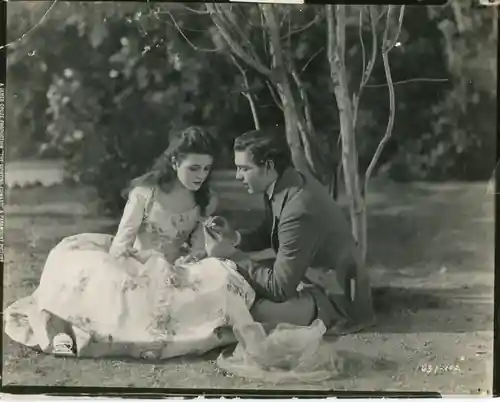
At the heart of this compelling drama is Tom Rumford, portrayed with nuanced vulnerability by Cullen Landis. Born into the fiery traditions of the South, Tom's early life took an unexpected turn, leading him to be raised in the North by pacifist Quaker relatives. This formative experience instilled in him an unshakeable aversion to violence, a philosophy diametrically opposed to the dueling culture prevalent in his ancestral home. Upon his return, Tom finds himself an anomaly, a gentle soul in a land that prizes bravado and physical prowess above all else. His refusal to engage in brawls, a direct consequence of his upbringing, quickly earns him the derision of the local bullies. They are a relentless, taunting presence, personified by characters like those played by Bruce Covington, Noah Beery, and Ernest Torrence, who expertly convey the swaggering menace that defines Tom's tormentors. Their constant badgering is not merely childish teasing; it's a brutal, systematic chipping away at Tom's dignity and, by extension, his family's honor.

The narrative escalates dramatically when Tom's pacifism culminates in a public refusal to duel Major Patterson, a formidable figure brought to life by Richard Arlen, over a perceived slight involving Tom's cousin, Elvira, played by Betsy Ann Hisle. This single act of principled non-violence is misinterpreted as abject cowardice, shattering Tom's standing within his community and bringing immense shame upon his family. The weight of this condemnation is palpable, a silent scream across the silver screen, as Tom is ostracized by nearly everyone. It's a powerful depiction of how deeply societal norms can impact individual identity and reputation, echoing the themes of social judgment found in films like A Friend of the People, where public perception dictates a character's fate.
Amidst this crucible of scorn, a sole beacon of understanding emerges in the form of Lucy, Elvira's sister, portrayed with exquisite tenderness by Mary Astor. Lucy's character stands in stark contrast to the judgmental populace. She sees beyond the labels of 'coward' and perceives the inherent goodness and strength of conviction within Tom. Her secret love for him is a quiet, powerful force, a testament to her independent spirit and capacity for empathy. Astor's performance here is particularly noteworthy, conveying profound emotion through subtle gestures and expressive eyes, a hallmark of great silent film acting. Her unwavering belief in Tom provides him with the emotional anchor he desperately needs, highlighting the redemptive power of true affection even in the face of widespread condemnation. This dynamic of a loyal, insightful woman supporting a misunderstood man resonates with similar narrative arcs in films such as Her Great Match, where a protagonist's worth is often first recognized by an intimate confidante.
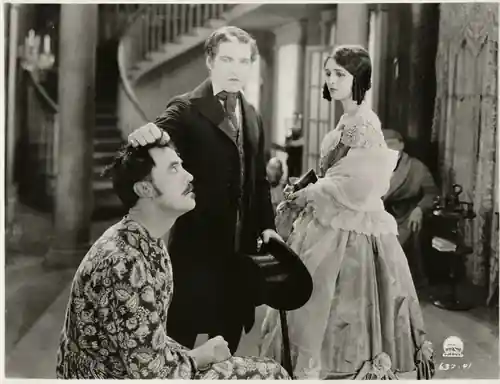
Driven by an overwhelming desire to regain his family's esteem and reclaim his shattered honor, Tom devises an elaborate, almost theatrical plan. This isn't a simple act of defiance; it's a carefully calculated gambit, born from desperation and a deep-seated need for recognition. The specifics of his scheme, though best left unspoiled for new viewers, involve a clever manipulation of circumstances designed to expose the true nature of courage and challenge the superficiality of the community's judgment. It's a narrative turn that elevates the film beyond a simple melodrama, imbuing it with elements of a social commentary and a psychological thriller. The tension builds as Tom puts his plan into motion, the audience keenly aware of the high stakes involved in his pursuit of redemption. This kind of intricate plot involving a character's attempt to outwit their circumstances or adopt a new persona for a specific goal brings to mind the clever machinations seen in films like Officer 666, where identity and perception play crucial roles in resolving conflict.
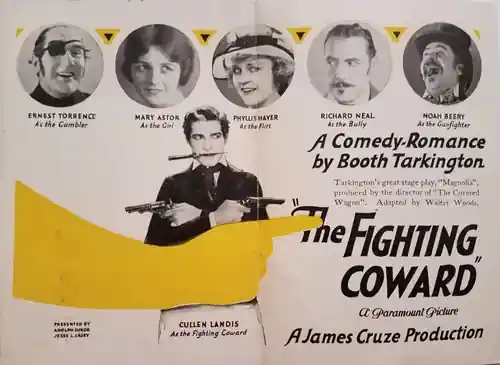
Beyond the central performances, the supporting cast contributes significantly to the film's rich texture. Figures like Barbara Brower, Frank Jonasson, Carmen Phillips, G. Raymond Nye, Richard Neill, Helen Dunbar, and Phyllis Haver, though perhaps in smaller roles, collectively build the vibrant, judgmental, and ultimately human community that surrounds Tom. Their reactions, their gossip, their collective scorn, and eventual understanding are crucial to the narrative's emotional impact. The direction, while adhering to the conventions of silent cinema, effectively uses close-ups to convey inner turmoil and wide shots to establish the oppressive atmosphere of the Southern town. The cinematography, with its stark contrasts and evocative lighting, beautifully captures the moral ambiguities inherent in the story, amplifying the dramatic tension and emotional resonance. The thoughtful adaptation by Walter Woods from Booth Tarkington's work ensures that the narrative remains tightly paced and thematically coherent, a hallmark of quality screenwriting that transcends its era.
The film's exploration of honor and reputation, particularly in a period setting, remains remarkably relevant. It challenges viewers to consider whether true honor lies in adherence to rigid social codes or in the unwavering commitment to one's moral compass. Tom's struggle is not merely about a physical fight; it's an internal battle for self-respect and the validation of his pacifist beliefs in a world that equates non-violence with weakness. This philosophical depth sets The Fighting Coward apart, elevating it beyond a simple period drama into a timeless meditation on character and conviction. It’s a compelling study of how society often misjudges those who dare to defy its expectations, a theme echoed in the trials and tribulations of characters in films exploring societal pressure and redemption, such as Blind Justice.
What makes The Fighting Coward particularly engaging is its refusal to offer simplistic answers. Tom's journey is fraught with moral complexities, forcing both him and the audience to confront uncomfortable truths about bravery and fear. Is it more courageous to stand by one's principles, even when it means facing universal condemnation, or to conform to societal expectations, even if it compromises one's integrity? The film deftly navigates these questions, presenting a protagonist who, despite his apparent 'cowardice,' exhibits a profound strength of character that ultimately redefines the very concept of heroism. This nuanced approach to morality and personal growth is a testament to the film's enduring power.
The emotional arc of the narrative is beautifully rendered, moving from profound despair to a glimmer of hope and eventual vindication. The film's pacing allows for these emotional shifts to feel earned, drawing the audience deeply into Tom's predicament. The silent performances, particularly Landis's portrayal of Tom's internal agony and Astor's quiet strength as Lucy, communicate volumes without uttering a single word. Their chemistry adds a tender layer to the otherwise tense drama, providing moments of solace and genuine human connection. The subtle interplay of glances and gestures speaks volumes, a masterclass in non-verbal storytelling that few contemporary films achieve with such authenticity. This raw emotionality and character-driven focus is reminiscent of the heartfelt narratives found in films like The Glory of Youth, where personal struggle and emotional depth take center stage.
In its totality, The Fighting Coward is far more than a historical curiosity; it is a resonant piece of cinema that continues to provoke thought and stir emotions. It serves as a powerful reminder that true courage often manifests not in physical confrontation, but in the steadfast adherence to one's moral compass, even when faced with overwhelming societal disapproval. The film's masterful blend of compelling character study, intricate plotting, and insightful thematic exploration makes it a valuable entry in the silent film canon. For anyone seeking a narrative that challenges conventional definitions of heroism and delves into the complexities of human nature, this film offers a richly rewarding experience. It’s a compelling testament to the power of film to explore universal truths, proving that stories of conviction and the quest for respect are truly timeless, much like the enduring appeal of similar character-driven dramas such as The Clean-Up. This enduring classic deserves to be rediscovered and appreciated for its profound message and its exquisite craftsmanship, a silent film that speaks volumes about the human spirit.
IMDb —
1921
Community
Log in to comment.