DbcultAccessing Vault...
5.6/10
Senior Film Conservator
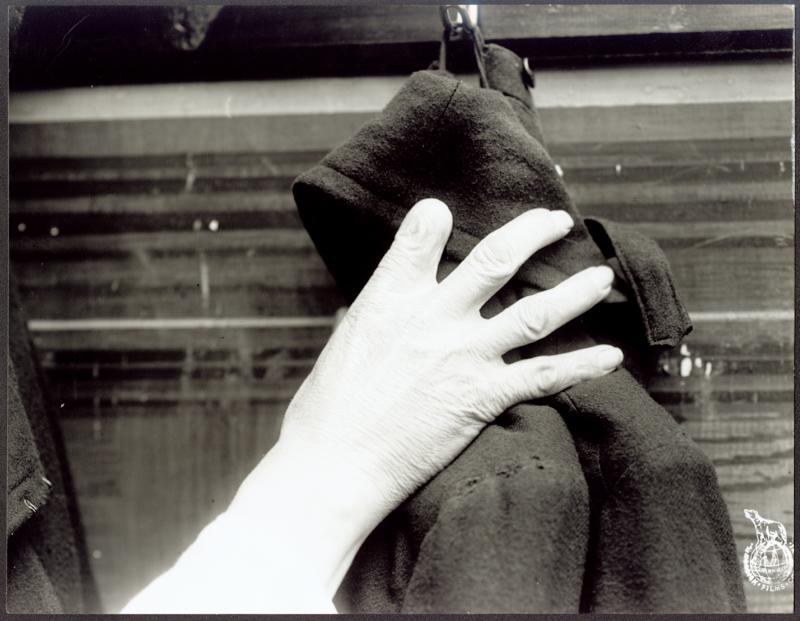
A definitive 5.6/10 rating for a film that redefined the boundaries of cult cinema. Manden med de ni Fingre IV remains a cornerstone of transgressive art.
Stepping into the spectral glow of Manden med de ni Fingre IV is akin to unearthing a forgotten relic, a cinematic artifact that hums with the electric tension of a bygone era. A.W. Sandberg’s direction, particularly evident in this formidable fourth chapter, transcends the mere mechanics of silent film, elevating it into a profound exploration of human obsession, intellect, and the shadows lurking beneath societal veneers. This isn't just a film; it's an experience, a plunge into the murky depths of a criminal mind and the unyielding resolve of the detective tasked with its apprehension. The very title, ‘The Man with Nine Fingers,’ conjures an immediate sense of the macabre and the distinctly unique, setting an expectation for a narrative woven with intricate threads of mystery and psychological depth. To revisit such a work is to not only appreciate its historical significance but to marvel at its timeless ability to captivate.
The enduring appeal of the 'Man with Nine Fingers' saga lies in its antagonist, a figure so enigmatic and pervasive that he becomes less a character and more a force of nature. In this installment, his return isn't merely a plot device; it's an existential challenge to Professor Henri Dubois, portrayed with an almost stoic intensity by Hugo Bruun. Bruun, a titan of early Danish cinema, imbues Dubois with a quiet gravitas, a weariness born from past encounters, yet an intellect that remains razor-sharp. His performance, reliant entirely on nuanced gesture and piercing gaze, speaks volumes where dialogue cannot. Dubois carries the weight of a city's fear and the personal burden of unfinished business, making his pursuit of the nine-fingered phantom not just a duty, but a deeply personal crusade. This psychological duel forms the bedrock of the film, elevating it beyond a simple crime procedural to something far more resonant.
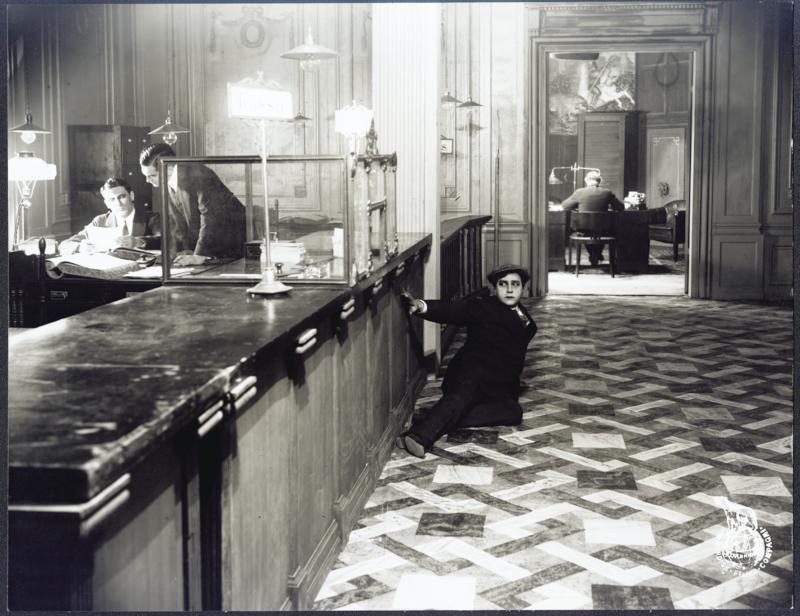
Sandberg's visual storytelling is nothing short of masterful. The use of deep shadows, chiaroscuro lighting, and meticulously framed shots creates an atmosphere thick with dread and anticipation. Copenhagen, a character in itself, is depicted through a lens that magnifies its gothic architecture and fog-shrouded alleys, transforming familiar landmarks into ominous backdrops for the unfolding drama. The urban landscape becomes a maze, a psychological extension of the Man's convoluted plans and Dubois's relentless pursuit. This meticulous attention to mise-en-scène is reminiscent of the German Expressionist movement, though Sandberg infuses it with a distinctly Scandinavian sensibility, a blend of stark realism and poetic melancholy. One cannot help but draw parallels to the atmospheric tension found in films like The Black Night, though Manden med de ni Fingre IV perhaps achieves a more pervasive sense of dread through its sustained visual language.
The supporting cast, though operating within the constraints of the silent era, delivers performances that are both impactful and integral to the narrative's unfolding. Frederik Jacobsen, as Inspector Madsen, provides a grounding presence, his pragmatic approach often clashing with Dubois's more cerebral methods, creating a dynamic that adds a touch of welcome realism. Madsen serves as the audience's surrogate, often bewildered by the Man's audacity yet fiercely loyal to Dubois. His expressions, a blend of exasperation and grudging admiration, are perfectly pitched. Then there’s Aage Lorentzen, whose character, perhaps a shifty informant or a tragic victim, adds another layer of intrigue, his brief appearances leaving a lasting impression of either desperation or cunning. The interplay between these characters, conveyed through body language and exaggerated facial expressions, is a testament to the actors' skill in an art form that demanded absolute precision.
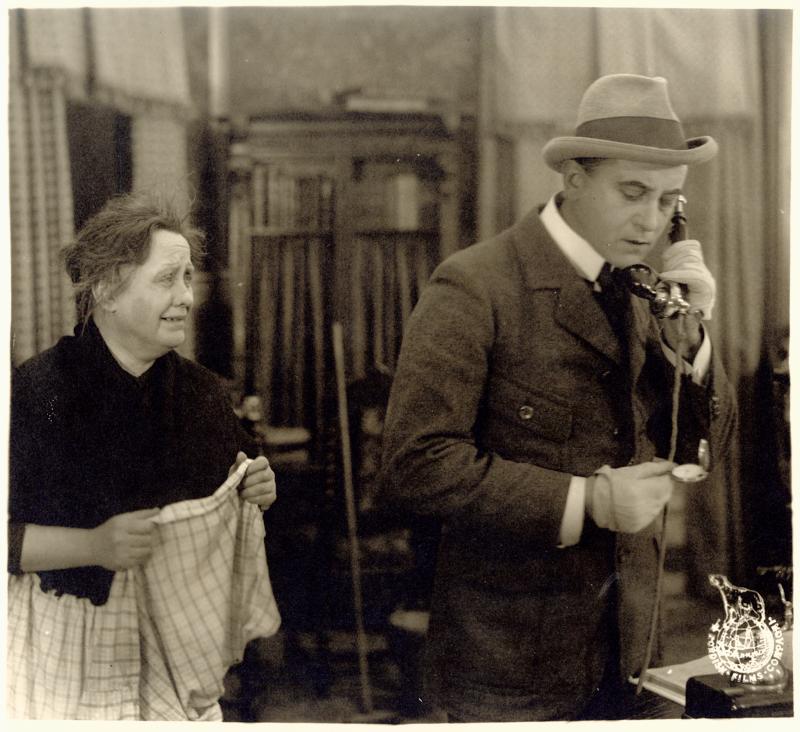
The plot, a marvel of intricate design, unfolds with a relentless pace. The Man's modus operandi, leaving his signature nine-fingered mark, is a chilling detail that personalizes each crime, transforming them from mere acts of theft into taunts aimed directly at Dubois. The narrative cleverly weaves together past grievances and present dangers, suggesting a vendetta that runs deeper than superficial motives. The stakes are profoundly personal, elevating the conflict beyond a simple cat-and-mouse game to an almost mythic struggle between two formidable intellects. This psychological intensity is what sets Manden med de ni Fingre IV apart, demonstrating a sophistication rarely seen in serial thrillers of its time. The meticulous planning of the heists, the subtle clues, and the constant misdirection keep the audience perpetually on edge, trying to piece together the puzzle alongside Dubois.
The film also showcases the talents of Axel Boesen, likely in a role of authority, perhaps a frustrated police chief, whose presence underscores the escalating panic within the city. His stern demeanor and commanding presence provide a foil to Dubois's more solitary, contemplative nature. And what would a grand mystery be without a dash of allure and potential deception? Fru Asgar Meier, with her striking screen presence, likely embodies a femme fatale or a mysterious socialite, a character whose beauty belies a hidden agenda or a crucial piece of the puzzle. Her interactions with Dubois, though silent, are charged with unspoken tension, hinting at alliances or betrayals that could tip the scales. These characters are not just players; they are vital cogs in the intricate machinery of Sandberg's narrative, each contributing to the rich tapestry of suspicion and intrigue.
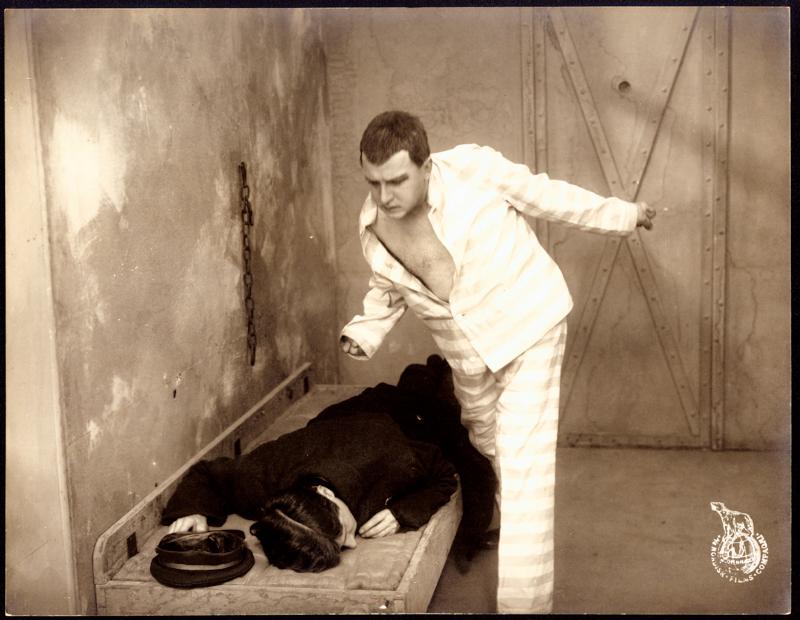
Sandberg’s brilliance is further exemplified in his use of intertitles. Far from being mere expositional tools, they are crafted with poetic precision, often echoing the ominous tone of the visuals. They are succinct, impactful, and serve to enhance the emotional resonance rather than merely explain the plot. This judicious application of text allows the visual storytelling to take precedence, a hallmark of truly exceptional silent cinema. The pacing, a delicate balance of suspenseful lulls and sudden bursts of action, keeps the audience thoroughly engaged, a testament to Sandberg’s innate understanding of cinematic rhythm. One might compare this meticulous narrative construction to the intricate plotting found in Spellbound, though with a distinct silent-era charm that relies on visual cues rather than spoken dialogue to build tension.
The climactic sequence, set against the backdrop of a derelict clock tower, is a masterclass in suspense. The towering structure itself becomes a metaphor for time running out, for the ticking moments before a final reckoning. The chase across rooftops, the desperate scramble through winding staircases, and the eventual confrontation are choreographed with breathtaking precision. The scene is a symphony of light and shadow, of movement and stillness, culminating in a revelation that is both shocking and profoundly satisfying. It’s here that the true genius of A.W. Sandberg shines brightest, demonstrating an ability to craft high-stakes action sequences that remain impactful even without sound. The physical performances of Bruun and his unseen adversary are nothing short of extraordinary, conveying exhaustion, cunning, and raw determination through their physicality alone.
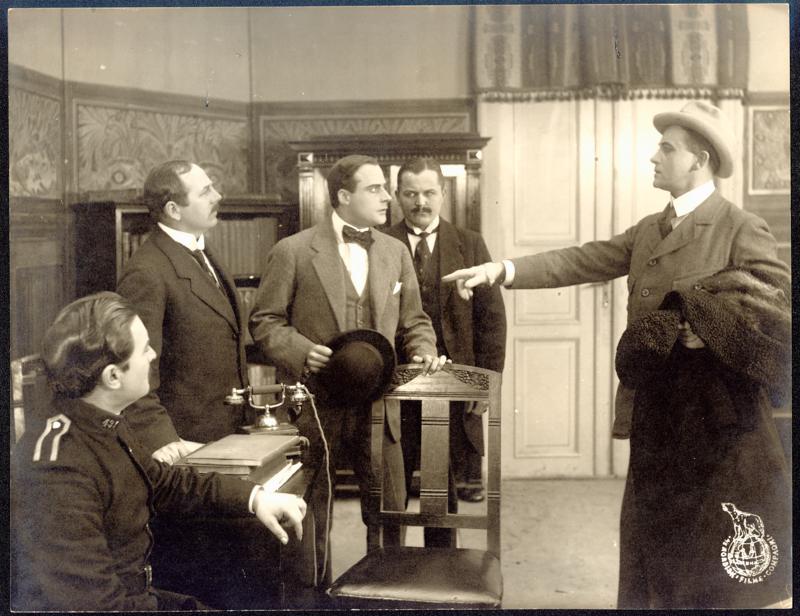
Beyond its immediate thrilling narrative, Manden med de ni Fingre IV offers a fascinating glimpse into the social anxieties of its time. The fear of an unseen, omnipresent criminal mastermind reflects a broader societal unease, a sense that order could be disrupted by forces beyond conventional control. The film taps into universal themes of good versus evil, justice versus vengeance, and the thin line that often separates genius from madness. It’s a powerful commentary on the human condition, wrapped within the guise of a gripping crime thriller. The exploration of guilt and its consequences, albeit subtly portrayed through the silent medium, could draw parallels to the thematic depth found in films like Sonad skuld, which also delves into the weight of past actions.
The contributions of other cast members like Aage Hertel, Henry Seemann, Franz Skondrup, and Erik Holberg, even in what might be smaller roles, are crucial. In silent cinema, every face, every gesture, contributes significantly to the overall tapestry. Whether they portray concerned citizens, bewildered police officers, or unwitting pawns in the Man's game, their presence adds texture and verisimilitude to the bustling, threatened world of Copenhagen. Their collective performances underscore the film's commitment to creating a believable environment, despite the heightened reality of its central conflict. These actors, often unsung heroes of the silent screen, brought an authenticity that grounded the fantastical elements of the plot.
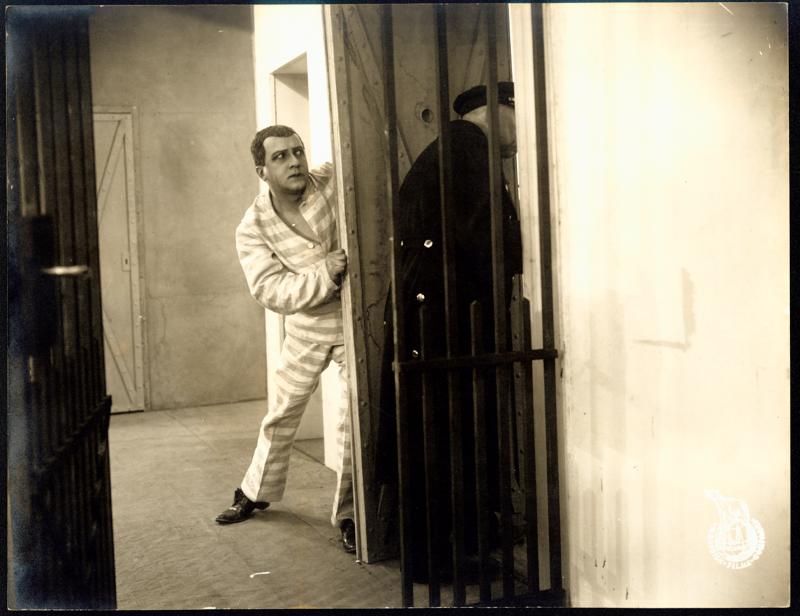
The legacy of Manden med de ni Fingre IV, and indeed the entire series, lies in its pioneering spirit. It demonstrates that compelling, character-driven narratives, replete with complex villains and heroic protagonists, were being crafted with immense skill long before the advent of sound. It’s a reminder that true cinematic artistry transcends technological limitations, relying instead on the power of visual storytelling, evocative performances, and a keen understanding of human psychology. This film, in particular, stands as a high point in Danish silent cinema, a testament to the creative prowess of its director and cast. It certainly holds its own against other significant works of the era, such as The Martyrdom of Philip Strong, in its ability to tell a compelling, morally complex story without uttering a single word.
In conclusion, Manden med de ni Fingre IV is not merely a historical curiosity; it is a vibrant, pulse-pounding thriller that holds up remarkably well for contemporary audiences willing to engage with the unique demands of silent film. Its intricate plot, unforgettable characters, and stunning cinematography combine to create a work of enduring power. Sandberg’s vision, brought to life by a dedicated ensemble, solidifies this film's place as a cornerstone of early European crime cinema. It’s an essential viewing experience for anyone interested in the evolution of the mystery genre, the art of silent storytelling, or simply a damn good yarn spun with exceptional skill. The film leaves an indelible mark, much like the nine-fingered silhouette itself, proving that some stories, and some cinematic achievements, are truly timeless.

IMDb —
1919
Community
Log in to comment.