DbcultAccessing Vault...
6.1/10
Senior Film Conservator
A definitive 6.1/10 rating for a film that redefined the boundaries of cult cinema. Marriage in Transit remains a cornerstone of transgressive art.
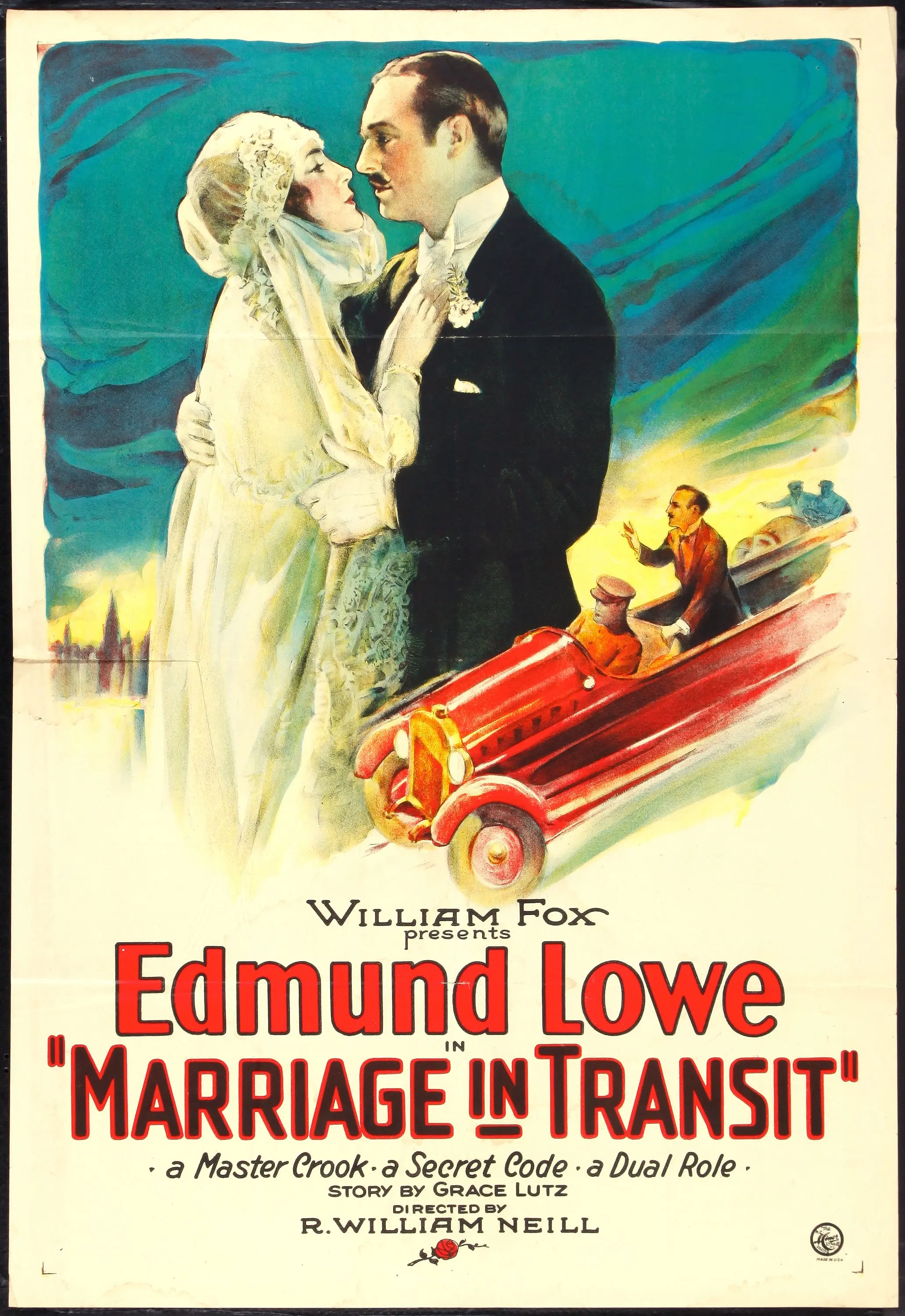
From the shadowy corridors of government bureaucracy to the clandestine haunts of criminal enterprise, Marriage in Transit, a cinematic gem from 1928, plunges its audience into a world where identity is fluid, loyalty is tested, and love blossoms in the most improbable of circumstances. This isn't merely a tale of good versus evil; it's a intricate dance of deception, a narrative tapestry woven with threads of espionage, mistaken identity, and the serendipitous intertwining of fates. The film, a product of an era teetering between the silent spectacle and the dawn of the talkie, utilizes its premise to maximum effect, creating a tension that is both thrillingly external and deeply personal.
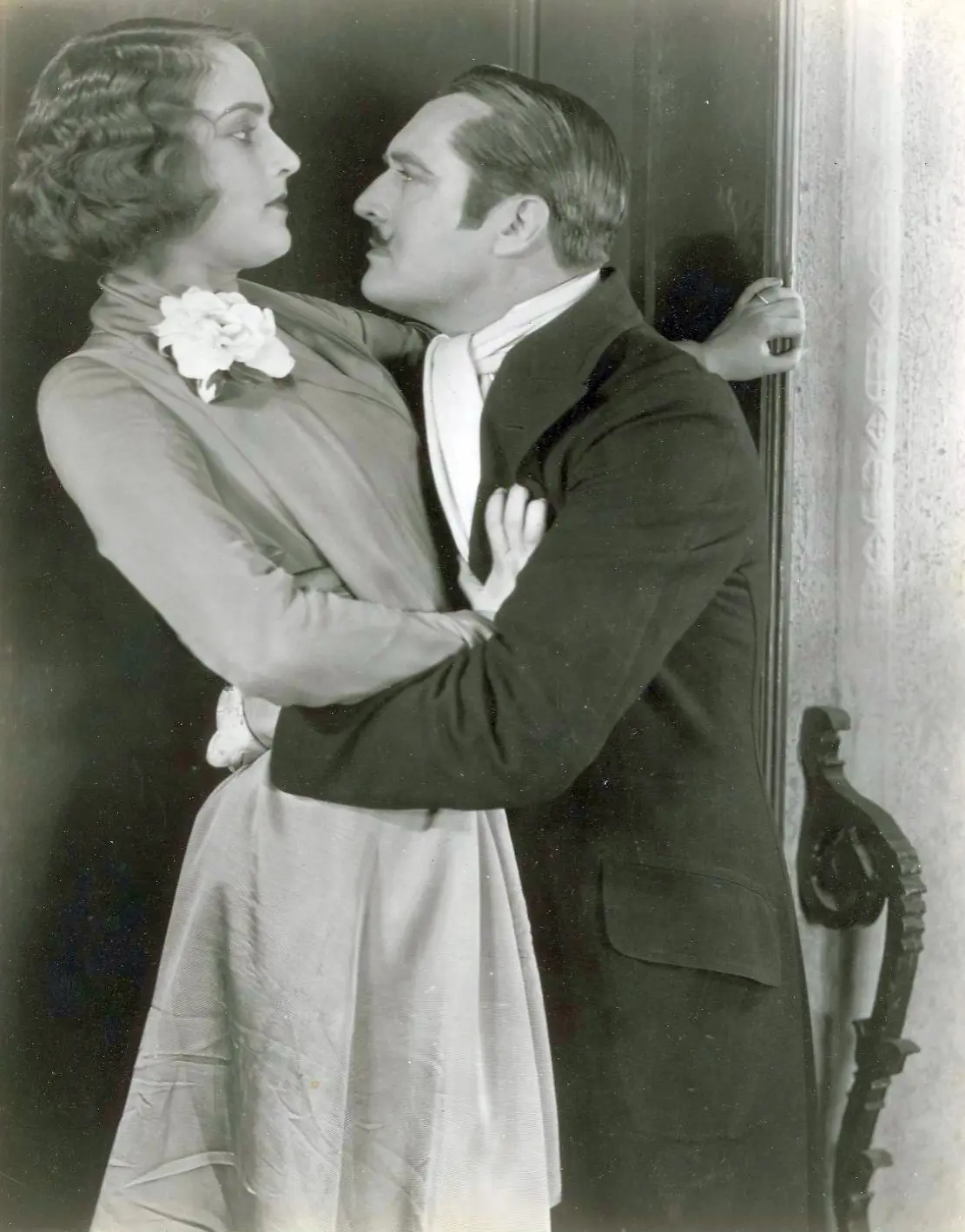
At its core lies the audacious premise: a secret service agent, Cyril Gordon, portrayed with a compelling duality by the incomparable Edmund Lowe, must assume the identity of a notorious criminal, Holden, to recover stolen government codes. The uncanny resemblance between the two men is not merely a plot device but the very engine of the narrative, propelling the story forward with a dizzying momentum. Lowe, an actor of considerable charisma and range, navigates this dual role with a masterful subtlety, allowing the audience to discern the underlying integrity of Gordon even as he embodies the swagger and menace of Holden. This isn't a simple disguise; it's a complete psychological immersion, demanding a performance that is both convincing and nuanced, a tightrope walk between heroism and villainy.
The stakes are immediately apparent. The theft of government codes represents not just a breach of security but a potential threat to national stability. The urgency of the mission is palpable, lending a gravity to Gordon’s perilous assignment. Yet, the film masterfully avoids becoming a mere procedural, instead infusing the espionage with a distinctly human element. The narrative’s genius lies in its willingness to complicate the mission with an unexpected romantic entanglement, transforming a straightforward recovery operation into a deeply personal odyssey. This blend of genre elements ensures that the film resonates beyond its initial thrilling premise, inviting reflection on the sacrifices made in the name of duty and the unpredictable nature of human connection.
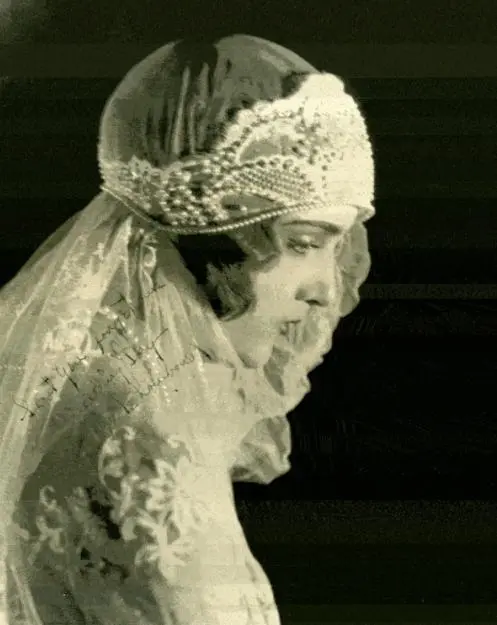
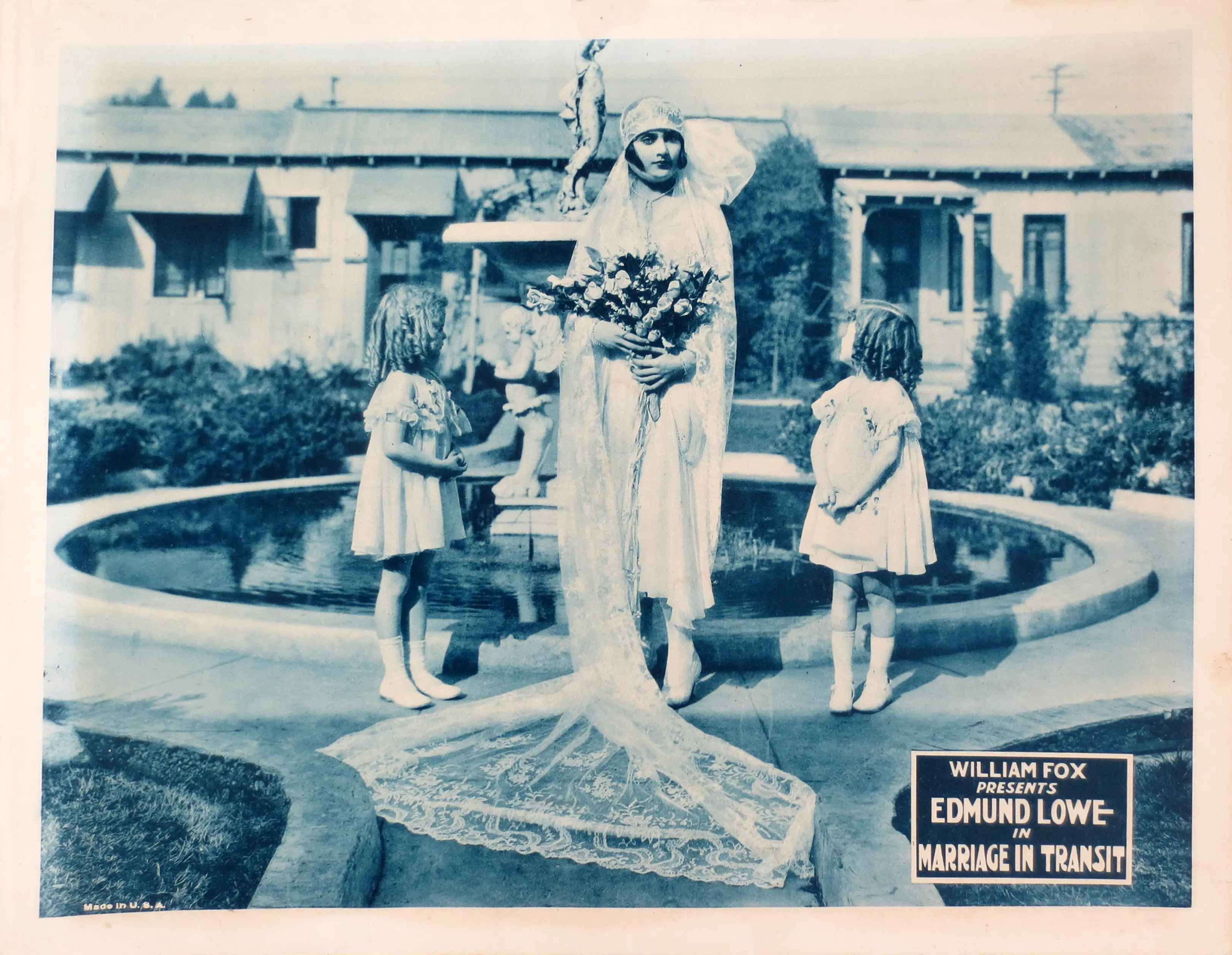
It is within this labyrinth of deception that Celia, brought to vibrant life by the luminous Carole Lombard, enters the fray. Her initial predicament is one of desperate sacrifice, a young woman about to be coerced into marriage with the very gangster Gordon is impersonating. Lombard imbues Celia with a captivating blend of vulnerability and nascent strength, her character's journey from potential victim to active participant in her own destiny forming a crucial emotional arc. When Gordon, still in Holden's guise, marries her, the moment is fraught with dramatic irony. The subsequent revelation of his true identity to Celia is a pivotal turning point, transforming her understanding of her situation and sparking an unexpected romance that defies the chaotic circumstances of its birth. Their relationship, forged in the crucible of deception and danger, becomes the beating heart of the film, a testament to the idea that genuine connection can emerge from the most unlikely of foundations.
The screenplay, crafted by the talented Dorothy Yost and Grace Lutz, demonstrates a keen understanding of narrative propulsion and character development. They deftly weave together the threads of spy thriller, romantic drama, and even elements of action, creating a cohesive and engaging story. The pacing is expertly managed, allowing moments of intense suspense to breathe alongside quieter instances of emotional connection. The writers ensure that both the external conflict of recovering the codes and the internal struggles of the characters feel equally compelling. Their ability to introduce such a significant romantic subplot without detracting from the espionage mission speaks volumes about their craft, making Marriage in Transit a richer, more multifaceted experience than many of its contemporaries. One might draw a thematic parallel to films like The Gypsy Trail, where unexpected romance arises from unconventional or mistaken circumstances, though Marriage in Transit imbues its narrative with a heightened sense of danger and national importance.
Edmund Lowe's performance as both Cyril Gordon and Holden is nothing short of magnetic. He doesn't just switch costumes; he switches personas, embodying the distinct mannerisms, vocal inflections (even if largely implied in a silent or early talkie context), and moral compass of each character. As Gordon, he projects an earnest determination, a man driven by duty. As Holden, he exudes a menacing charm, a man comfortable in his criminality. This dual role is a tour de force, setting a high bar for the mistaken identity trope that would become a staple of cinema. His portrayal elevates the film beyond a simple potboiler, inviting the audience to consider the psychological toll of such a deception. Similarly, Carole Lombard, even in this early stage of her career, displays the nascent star power that would define her. Her ability to convey Celia's emotional journey – from resigned despair to hopeful affection – is remarkably nuanced. The chemistry between Lowe and Lombard is undeniable, providing a credible foundation for their unconventional romance.
The supporting cast also contributes significantly to the film's success. Frank Beal, as the true Holden, delivers a performance that makes his villainy palpable, providing a menacing counterpoint to Lowe's heroic impersonation. The gang members, including Fred J. Butler, Harvey Clark, and Wade Boteler, create a credible criminal underworld, adding layers of threat and danger to Gordon's mission. Their interactions, though perhaps brief, are effective in establishing the perilous environment Gordon must navigate. The ensemble work ensures that the world of Marriage in Transit feels lived-in and dangerous, enhancing the overall sense of suspense and realism within its heightened reality.
The cinematic language of 1928, situated at the cusp of sound, means that visual storytelling takes precedence. The direction (though specific director information isn't provided, the execution speaks volumes) skillfully uses composition, movement, and perhaps even early sound elements to convey tension and emotion. The hotel room confrontation, for instance, is a masterclass in staging, building suspense through confined spaces and escalating physical conflict. The fight between Gordon and Holden is visceral and impactful, a dramatic culmination of the identity crisis that has driven the narrative. This sequence, where the two men who share a face battle for control and for Celia, is a powerful visual metaphor for the struggle between duty and desire, order and chaos. The breaking up of the gang is a satisfying resolution to the espionage plot, but it is Celia's final announcement — that she would be honored to continue as Cyril's wife — that truly underscores the film's unique romantic triumph.
The film's exploration of identity is particularly fascinating. Gordon literally steps into another man's shoes, not just physically, but in his interactions and responsibilities. This raises questions about the nature of self and the performative aspects of identity. Is Gordon still Gordon when he acts as Holden? How does this experience change him? For Celia, her understanding of who she is marrying shifts dramatically, forcing her to confront her own desires and the true character of the man she has wed. This thematic depth elevates Marriage in Transit beyond a simple genre piece, inviting contemplation on the complexities of human connection and the masks we wear, both voluntarily and involuntarily. In some ways, the film touches upon themes of impersonation and its consequences, reminiscent of films like An Amateur Devil or The Lucky Devil, where mistaken identity drives comedic or dramatic conflict, though Marriage in Transit grounds its premise in the serious realm of national security.
The film also provides an intriguing glimpse into the nascent stages of the spy thriller genre. While contemporary audiences might be accustomed to the high-tech gadgetry of films like Sneakers, Marriage in Transit relies on classic elements: cunning, courage, and the sheer audacity of its premise. It's a reminder that compelling espionage doesn't require elaborate special effects, but rather a strong narrative foundation and engaging performances. The urgency surrounding the stolen 'code' is universal, regardless of the technological era. The film’s ability to combine this serious espionage plot with a genuinely heartwarming romantic development is a testament to its enduring appeal and the skill of its creators.
Ultimately, Marriage in Transit is more than just a historical curiosity; it's a vibrant, compelling piece of cinema that holds up remarkably well. It offers a thrilling ride through a world of espionage and deception, anchored by standout performances from Edmund Lowe and Carole Lombard. The film’s ability to blend genres seamlessly, to explore complex themes of identity and love amidst danger, and to maintain a gripping pace ensures its place as a significant, albeit perhaps lesser-known, entry in the history of American cinema. It's a testament to the power of storytelling that even nearly a century later, its narrative of an accidental marriage born from a daring mission continues to captivate and charm. For those who appreciate the foundational elements of the spy genre and the timeless appeal of romantic drama, this journey is well worth taking, offering a unique perspective on love, duty, and the extraordinary circumstances that can forge an unbreakable bond.
IMDb 6.5
1923
Community
Log in to comment.