DbcultAccessing Vault...
6.8/10
Senior Film Conservator
A definitive 6.8/10 rating for a film that redefined the boundaries of cult cinema. The Brand remains a cornerstone of transgressive art.
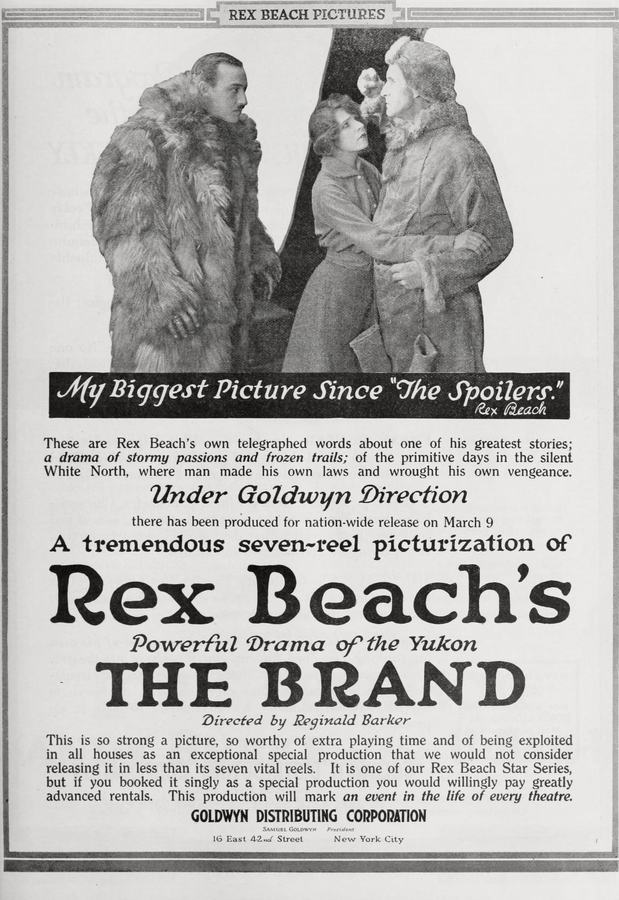
Stepping back into the nascent days of cinema, particularly to a silent film like The Brand from 1920, is to engage with a form of storytelling that speaks volumes without uttering a single word. It’s a journey into an era where visual narrative and the raw power of performance carried the entire weight of emotional resonance. This particular feature, adapted from Rex Beach's potent narrative, plunges us into the brutal, yet mesmerizing, landscape of the Alaskan mining frontier—a setting as much a character as any human player on screen. Here, amidst the unforgiving vastness and the feverish pursuit of gold, a stark human drama unfolds, one that pits the resilience of a woman against the relentless malevolence of a gambler.
The film’s genius lies in its ability to paint a vivid picture of a world both alluring and dangerous, a canvas where fortunes are made and lost, and where moral lines blur under the pressure of survival. It’s a testament to the evocative power of silent cinema that the chill of the Alaskan winds and the oppressive weight of societal judgment are palpable, even a century removed from its original release. The narrative arc, though seemingly straightforward—a good woman fighting a bad man—is imbued with a complexity that belies its simplicity, exploring themes of reputation, redemption, and the relentless human spirit.
At the heart of this compelling tale is Kay Laurel, whose portrayal of the unnamed dancehall girl is nothing short of captivating. Laurel, a figure often associated with the Ziegfeld Follies, brings a nuanced vulnerability and an underlying strength to her character. She is not merely a victim of circumstance, but a woman actively struggling to carve out a life for herself, to shed the 'brand' of her past profession in a society quick to judge. Her expressive eyes and subtle gestures convey a world of inner turmoil and fierce determination, a silent scream against the injustices she faces. It's a performance that speaks volumes about the constraints placed upon women in that era, particularly those deemed to be on the fringes of respectable society. Her aspirations for a quiet, dignified existence are constantly undermined, not just by the harsh environment, but by the pervasive judgment and the predatory nature of men like the villainous gambler.
Laurel’s character is a microcosm of the broader struggle for self-determination. She dreams of a home, of love, of a future free from the dancehall’s glare, yet every step she takes forward is met with a formidable obstacle. Her journey resonates with the plight of many protagonists in early cinema, striving against social strictures and personal demons. One might draw parallels to the quiet resilience found in films like The Vicar of Wakefield (1917), where characters grapple with moral dilemmas and the vagaries of fate, or even the determined spirit seen in Mind the Paint Girl, which similarly explores the life and struggles of a female entertainer, albeit in a different social milieu. Laurel's performance anchors the film, providing a deeply human core to the melodramatic flourishes of the plot.
Opposing Laurel's character is the villainous gambler, a figure of pure, unadulterated menace. While specific cast details for this role are elusive in general records of The Brand, the archetype itself is powerfully rendered. This antagonist is not merely an obstacle; he is a force of nature, embodying the darker side of the frontier spirit—greed, control, and a chilling disregard for human dignity. His relentless pursuit of the dancehall girl is driven by a desire to possess, to dominate, and to profit from her vulnerability. This character’s presence casts a long, foreboding shadow over the entire narrative, escalating the stakes with every calculated move he makes. The silent era often excelled at creating such archetypal villains, whose motivations were clear and whose actions were often exaggerated for dramatic effect, yet here, the threat feels acutely personal and deeply psychological.
His villainy is not just physical; it's a social and emotional assault, exploiting the protagonist's compromised position in the community. This kind of insidious control over a person's life, leveraging their past against them, is a theme that resonates across many cinematic narratives of struggle, from the grand machinations of The Count of Monte Cristo to the more intimate oppressions seen in dramas like Naar Hjertet sælges. The gambler’s unwavering determination to ruin the protagonist's chances at happiness serves as the primary engine of conflict, driving the plot forward with an almost suffocating tension.
The cinematic adaptation of Rex Beach's work is a crucial element in understanding The Brand. Beach was renowned for his adventure stories set in the rugged North, often featuring strong characters battling harsh environments and human villainy. His narratives, replete with dramatic conflicts and moral clarity, were ideally suited for the silent screen, where visual storytelling could effectively convey the grandeur of the setting and the intensity of human emotion. The transition from his prose to the visual medium required a keen understanding of cinematic language, and in The Brand, this translation is handled with considerable skill. The sweeping vistas of Alaska, even if simulated in a studio, contribute to the sense of isolation and the epic scale of the protagonist's struggle.
Beach's storytelling often highlighted themes of justice, perseverance, and the ultimate triumph of good over evil, themes that are powerfully amplified in this silent adaptation. The film captures the essence of his adventurous spirit while focusing on the personal drama at its core. It’s a blend that elevates the narrative beyond simple melodrama, rooting it in a sense of authentic human struggle against both natural and man-made adversaries. The film's ability to maintain the dramatic tension and emotional depth of Beach's original material without spoken dialogue is a testament to the skill of its director and performers. Much like how other literary adaptations of the era, such as Il trovatore, sought to translate complex narratives into compelling visual experiences, The Brand succeeds in rendering Beach's world vivid and immediate.
While Kay Laurel commands the screen, the supporting cast provides essential texture and depth to the Alaskan milieu. Gus Saville, for instance, often brought a grounded authenticity to his roles, and his presence here likely adds a layer of rugged realism to the mining camp setting. Russell Simpson, a character actor with a long and distinguished career, was adept at portraying stern, often morally upright, figures, or grizzled frontiersmen—his contribution would undoubtedly lend gravitas to the community's response to the protagonist's plight or the gambler's schemes. Mary Jane Irving, as a child actor, would have offered moments of innocence or vulnerability, providing a poignant contrast to the harsh realities faced by the adults.
Robert McKim and Robert Kunkel, though perhaps lesser-known today, would have contributed to the vibrant tapestry of characters inhabiting this frontier world. Each actor, through their gestures, expressions, and on-screen presence, had to convey their character's motivations and emotional states without the aid of dialogue. This required a heightened sense of theatricality and a profound understanding of visual communication. The ensemble collectively crafts a believable, if dramatically heightened, community struggling with its own moral compass in a land that tests the very limits of human endurance. Their interactions, though silent, articulate the complex web of relationships and the societal pressures that define the protagonist's world, creating a palpable sense of community and conflict that is crucial for the narrative's impact. The way these characters intersect and react to the central conflict provides a rich commentary on human nature in extreme circumstances, much like the communal struggles depicted in films such as Das Defizit, which explores societal pressures and individual responses to economic and moral crises.
The direction of The Brand, by an uncredited director in some records, or possibly by Rex Beach himself in an uncredited capacity, demonstrates a sophisticated understanding of silent film aesthetics. The use of intertitles is judicious, serving to advance the plot or convey crucial dialogue without overwhelming the visual flow. Instead, the camera becomes the primary storyteller, employing framing, composition, and movement to build suspense, convey emotion, and establish the vastness of the Alaskan setting. Close-ups would have been instrumental in highlighting the emotional turmoil on Kay Laurel's face, while wider shots would have emphasized her isolation against the formidable landscape or the bustling, yet often claustrophobic, atmosphere of the mining camp.
The cinematography, even in its early forms, played a vital role in creating the film's atmosphere. One can imagine dramatic lighting used to accentuate the villain's sinister nature or to cast a glow of hope on the protagonist's moments of triumph. The stark contrasts of light and shadow, inherent to early black-and-white film, would have been skillfully employed to heighten dramatic effect, mirroring the moral chiaroscuro of the narrative. This visual language, distinct from the verbal dexterity of later sound films, demanded a different kind of engagement from the audience, inviting them to interpret and feel the story through its images. It’s a method of engagement that can be profoundly immersive, drawing viewers into the emotional landscape with an intensity that transcends spoken words, a technique beautifully explored in other visually driven narratives like The Soul Master, where character depth is often conveyed through powerful, wordless imagery.
Beyond the immediate conflict, The Brand delves into profound themes relevant to the human condition. The notion of a 'brand'—a mark of past indiscretion or societal judgment—is central. The protagonist's struggle is not just against the gambler, but against the indelible mark that society has placed upon her. Her quest for redemption and a clean slate is a universal yearning, amplified by the unforgiving nature of the frontier, where reputations are fiercely guarded and often easily shattered. The film champions resilience, portraying a woman who refuses to be broken, who continues to fight for her dignity and future despite overwhelming odds. This unwavering spirit is a powerful message, transcending the specific historical context of the film and speaking to broader human experiences.
The moral landscape of the Alaskan mining camps provides a fertile ground for these themes. It's a place where traditional societal rules are often bent or broken, where individuals are tested to their limits, and where the line between right and wrong can become blurred in the pursuit of survival or wealth. Yet, even in this wild setting, the film asserts the enduring power of human goodness and the possibility of overcoming adversity through sheer force of will and moral integrity. This exploration of moral fortitude in challenging environments is a common thread in many compelling dramas, from the stark choices presented in The End of the Road to the complex ethical landscapes of I my kak liudi, all of which examine the human spirit's capacity to endure and evolve. The film implicitly asks: can one truly escape their past, or is the 'brand' an eternal scar?
While The Brand may not be as widely recognized today as some of its more famous silent contemporaries, it stands as a robust example of early American cinema's capacity for compelling storytelling. It captures a specific moment in time—the frontier spirit, the social mores, and the burgeoning artistry of film itself. Its enduring appeal lies in its universal themes: the fight for dignity, the struggle against oppression, and the quest for a better life. The film, through its powerful performances, evocative setting, and clear narrative drive, reminds us of the enduring power of visual storytelling and the profound impact a silent film could have on its audience. It’s a testament to the talent of its creators and performers that, even without spoken dialogue, the emotional arcs and character struggles remain vivid and impactful.
For those interested in the evolution of film and the rich history of the silent era, The Brand offers a valuable glimpse into the craftsmanship and artistry that defined the medium before the advent of sound. It's a film that speaks to the resilience of the human spirit, not just within its narrative, but also in its very existence as a piece of cinematic history that continues to resonate. Its dramatic tension and character-driven plot make it a rewarding watch, inviting audiences to appreciate the nuanced performances and visual storytelling that characterized this fascinating period in film. Much like how His Majesty, the American showcased the star power and adventurous spirit of its time, The Brand highlights the dramatic capabilities and emotional depth that silent films were capable of achieving, solidifying its place as a noteworthy entry in the annals of early cinema. It’s a compelling reminder that the 'brand' of a film’s legacy is often etched not in its dialogue, but in the indelible images and emotions it leaves behind.
IMDb 5.5
1926
Community
Log in to comment.