DbcultAccessing Vault...
Cult Review
Senior Film Conservator
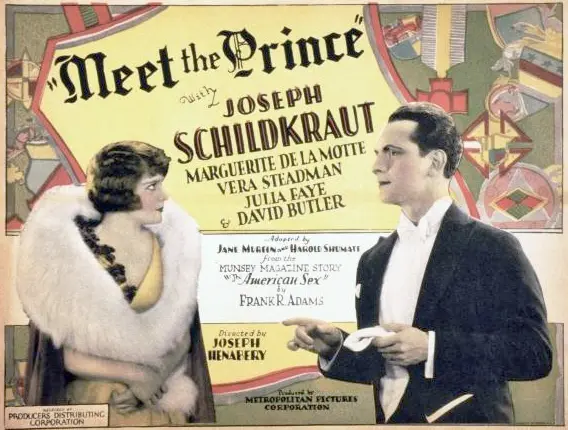
Should you invest your time in this 1926 silent-era curiosity? Short answer: Yes, but only if you possess a high tolerance for the rhythmic, often sluggish pacing of mid-20s melodrama and a genuine interest in the visual language of the 'lost' aristocracy. This is not a film for the casual viewer looking for a quick thrill; it is a somber, atmospheric piece for those who find beauty in the intersection of poverty and memory.
This film is for the cinema historian and the dreamer who enjoys tracing the evolution of psychological storytelling. It is emphatically not for those who demand linear action or modern narrative efficiency.
This film works because it uses the fire escape not just as a setting, but as a liminal space between the crushing reality of the New York immigrant experience and the gilded fantasies of a dead empire. The visual transition from the iron bars of the tenement to the marble pillars of the palace remains one of the most striking sequences of the era.
This film fails because its middle act becomes bogged down in repetitive dream logic that lacks the narrative momentum to sustain a feature-length runtime. The urgency of the revolution, while present in the subtext, often feels too distant to create real stakes for the sleeping Prince.
You should watch it if you are fascinated by how early Hollywood portrayed the fall of the Romanovs through a lens of American escapism and if you want to see Joseph Schildkraut before he became a staple of the sound era.
Yes, Meet the Prince is worth watching for its unique structural gamble. Most films of this period followed a standard rags-to-riches or riches-to-rags arc. This film chooses to stay in the middle—in the sleep of a man who is both a prince and a pauper simultaneously. It is a haunting character study that feels more like a poem than a play. If you enjoyed the thematic weight of films like The Slacker, you will find the social commentary here equally biting, if more abstract.
The cinematography in the New York segments is surprisingly gritty. There is a specific shot where the camera lingers on the Prince’s tattered shoes against the backdrop of the city’s harsh skyline. This isn't the New York of glamour; it's the New York of survival. It reminds me of the grounded realism found in Borrowed Clothes, where the texture of the fabric tells more of the story than the dialogue intertitles ever could.
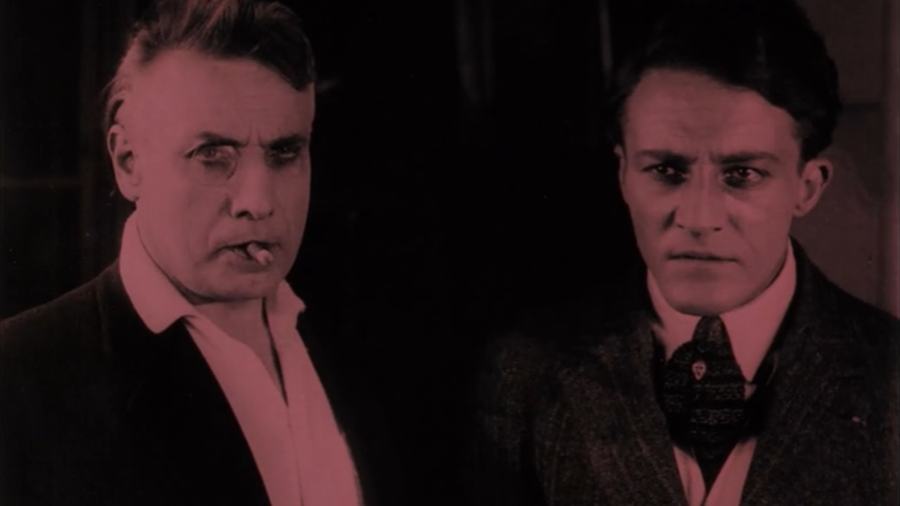
Joseph Schildkraut delivers a performance that is uncharacteristically restrained for the time. While many of his contemporaries were still leaning into the exaggerated gestures of the stage, Schildkraut uses his eyes to convey a profound sense of displacement. When he is in the dream, his movements are fluid and regal; when he wakes, his body becomes heavy and awkward. It’s a subtle physical transformation that carries the weight of the film.
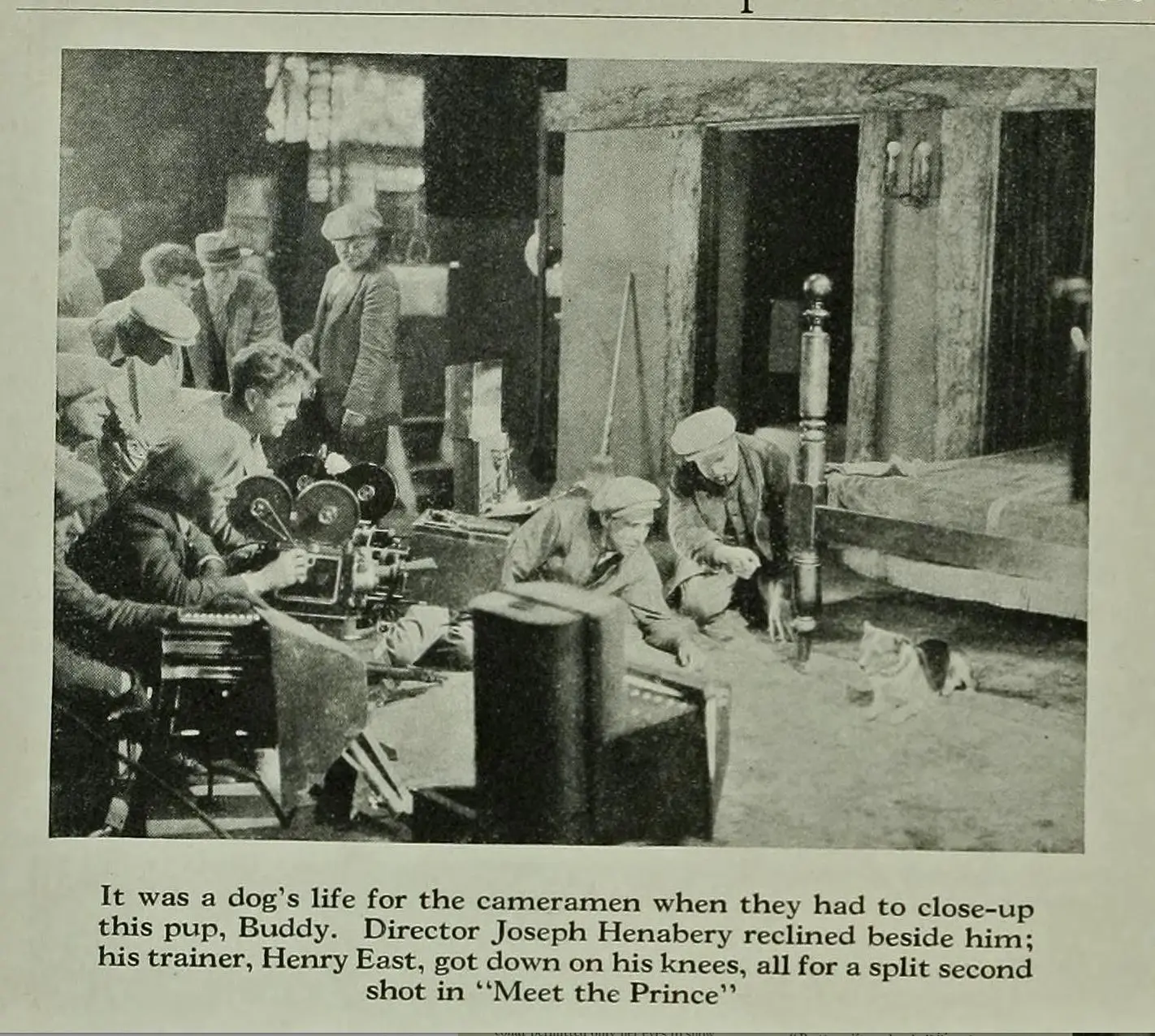
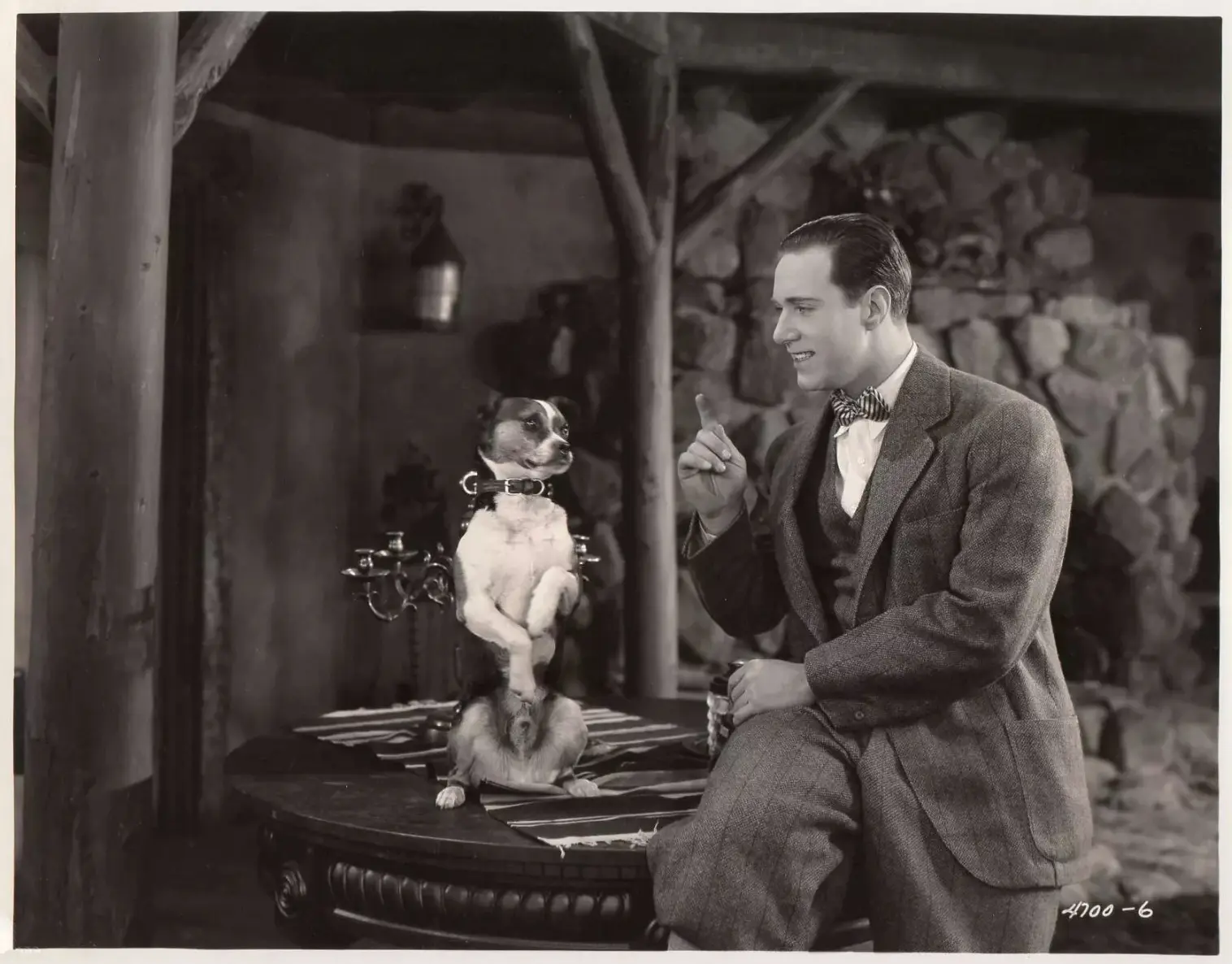
The inclusion of Buddy the Dog might seem like a cheap play for the audience's affection, but the animal actually provides a necessary grounding element. In the scenes where the Prince is lost in his own mind, the dog’s presence serves as the only link to the 'real' world. It’s a clever use of a canine co-star that goes beyond mere gimmickry.
One of the most debatable aspects of the film is its treatment of the Russian Revolution. Unlike the stark political messaging in Politics, Meet the Prince treats the uprising as a supernatural force—a storm that is coming to end the dream. Some critics of the era found this dismissive of the actual suffering of the Russian people, but I argue it’s a brilliant stylistic choice. By keeping the revolution off-screen or in the shadows, director Joseph Henabery heightens the Prince's tragic ignorance. It makes the ending feel inevitable and claustrophobic.
The dream sequences themselves are a triumph of production design. The palace is vast, cold, and echoing. It feels less like a home and more like a tomb. This contrast with the cramped, noisy tenement fire escape creates a psychological friction that keeps the viewer engaged even when the plot thins out. It is a visual dialogue between the 'Home Stretch' of a dying era and the 'New World' of the 20th century, much like the thematic shifts seen in The Home Stretch.
Pros:
- Exceptional lead performance by Joseph Schildkraut.
- Strong visual contrast between the two settings.
- Innovative use of dream logic in a mainstream silent film.
- A genuinely moving ending that avoids easy sentimentality.
Cons:
- The pacing is occasionally glacial.
- Side characters like those played by Bessie Love and Julia Faye are underutilized.
- The political context may feel too vague for history buffs.
Meet the Prince is a flawed but fascinating artifact. It is a film about the danger of nostalgia and the physical weight of lost status. While it lacks the narrative punch of its more famous contemporaries, its visual ambition and Schildkraut’s performance make it a mandatory watch for anyone serious about silent cinema. It works. But it’s flawed. It is a dream worth having, even if the awakening is bitter.
IMDb —
1918
Community
Log in to comment.